
Beach and Island Travel Tips for Better Beach Days
Planning a beach or island getaway? The key to truly relaxing beach days lies in preparation, awareness, and smart choices. Whether you’re heading to a tropical paradise or a local coastal retreat, these practical beach and island travel tips will help you avoid common pitfalls and make the most of your time in the sun. From packing essentials to respecting local environments, small details can dramatically improve your experience.
Plan Ahead for Weather and Conditions
Weather can make or break your beach day. Check local forecasts 48 hours before you go and monitor conditions up to the moment you leave. Coastal weather changes quickly—what looks sunny in the morning might turn stormy by afternoon.
Use trusted weather apps like AccuWeather or Windy to track UV index, wind speed, and tide times. High UV levels mean stronger sun protection is needed, while strong winds can affect water activities like snorkeling or kayaking.
Understand Tide Schedules
Tides impact everything from swimming safety to beach accessibility. Low tide often reveals tide pools and wider stretches of sand, while high tide can submerge popular spots.
For example, on Maui’s Kaanapali Beach, low tide exposes rocky areas perfect for exploring, but swimming is safer during mid-tide when currents are calmer. Always check tide charts specific to your destination.
Pack for Microclimates
Islands often have microclimates—small areas with different weather. A beach on the windward side of Kauai might be rainy while the leeward side stays dry and sunny.
Bring a lightweight rain jacket or cover-up even if the forecast looks clear. A sudden shower can cool things down fast, especially in the tropics.
Pack Smart: Essentials You’ll Actually Use
Overpacking is common, but a well-curated beach bag makes a big difference. Focus on items that serve multiple purposes and fit in a compact, waterproof tote.
Start with the basics: sunscreen, sunglasses, a hat, and a reusable water bottle. Add a quick-dry towel, waterproof phone case, and reef-safe sunscreen to protect marine life.
Choose the Right Footwear
Flip-flops are convenient but not always practical. On rocky shores or coral reefs, wear water shoes to protect your feet. Brands like Cressi or Aleader offer durable, non-slip options.
For island hikes or exploring tide pools, consider lightweight sandals with ankle support, such as Teva or Chaco models.
Don’t Forget a Portable Shade Solution
Beach umbrellas work well on flat sand, but they can be unstable in wind. A pop-up beach tent offers better wind resistance and more coverage for families.
Look for models with UPF 50+ fabric and sand pockets for anchoring. The Neso Tent or EasyGo Beach Cabana are popular choices that pack down small.
Sun Protection That Works
Sunburn is the fastest way to ruin a beach day. Apply broad-spectrum SPF 30 or higher sunscreen 15–30 minutes before going outside. Reapply every two hours, or immediately after swimming or sweating.
Use a mineral-based sunscreen with zinc oxide if you’re swimming near coral reefs. Chemical sunscreens containing oxybenzone can harm marine ecosystems.
Wear UV-Protective Clothing
Long-sleeve rash guards and swim shirts offer better protection than sunscreen alone. Look for UPF 50+ rated fabrics that block over 98% of UV rays.
Brands like Coolibar and Patagonia make stylish, functional options for adults and kids. Pair with a wide-brimmed hat and UV-blocking sunglasses for full coverage.
Seek Shade During Peak Hours
The sun is strongest between 10 a.m. and 4 p.m. Plan indoor activities or shaded breaks during this window. Use your beach tent, sit under a palm tree, or retreat to a nearby café.
Even on cloudy days, UV rays penetrate through clouds. Don’t skip protection just because it’s overcast.
Stay Hydrated and Fuel Your Body
It’s easy to forget to drink water when you’re having fun in the sun. Dehydration can sneak up quickly, leading to fatigue, dizziness, or heat exhaustion.
Carry a reusable water bottle and refill it throughout the day. Many islands have water refill stations or offer filtered water at beachside cafes.
Pack Smart Snacks
Bring non-perishable snacks like trail mix, granola bars, or dried fruit. Avoid salty snacks that increase thirst.
For longer outings, consider a small cooler with ice packs. Store perishable items like sandwiches or fruit in sealed containers to keep them fresh and sand-free.
Limit Alcohol and Caffeine
Alcohol and caffeine dehydrate you faster in the heat. If you enjoy a cold drink, alternate each alcoholic or caffeinated beverage with a glass of water.
Save cocktails for sunset hours when the sun isn’t as intense. Opt for coconut water or electrolyte drinks to replenish lost minerals.
Respect the Environment and Local Culture
Beach and island ecosystems are fragile. Simple actions can help preserve them for future visitors.
Never touch or step on coral reefs—even a light brush can damage them. Coral grows slowly and can take decades to recover from damage.
Practice Leave-No-Trace Principles
Pack out everything you bring in, including food wrappers, bottle caps, and cigarette butts. These small items are harmful to wildlife and degrade the beach experience for others.
Use designated trash and recycling bins. If none are available, carry a small bag to collect your waste until you find one.
Follow Local Guidelines
Some beaches have rules about fires, pets, or alcohol. In Hawaii, for example, open fires are prohibited on most public beaches.
Respect cultural sites and sacred areas. On islands like Bali or the Philippines, certain beaches may have religious significance. Dress modestly and follow posted signs.
Choose the Right Time to Visit
Timing affects everything—crowds, prices, weather, and wildlife activity. Avoid peak tourist seasons if you prefer quieter beaches.
In the Caribbean, the high season runs from December to April. While the weather is ideal, beaches are crowded and prices are higher.
Consider Shoulder Seasons
Visiting just before or after peak season can offer the best of both worlds: good weather with fewer people. In Thailand, November and February are excellent months to visit Phuket or Koh Samui.
Shoulder seasons also mean better deals on accommodations and flights. Just be aware that some services may have reduced hours.
Early Morning or Late Afternoon Visits
Arriving early gives you first pick of parking, shade spots, and calm waters. Sunrise swims are peaceful and often less crowded.
Late afternoon visits offer golden-hour lighting for photos and cooler temperatures. Just be mindful of sunset times—some islands have limited lighting on beach access paths.
Stay Safe in the Water
Ocean conditions vary widely by location. Always assess the water before entering. Look for warning flags: red for dangerous conditions, yellow for caution, and green for safe swimming.
Strong currents, rip tides, and underwater hazards are common. If you’re caught in a rip current, don’t swim against it. Swim parallel to shore until you’re out of the current, then head back.
Know Your Limits
Don’t overestimate your swimming ability in open water. Waves, tides, and fatigue can tire even strong swimmers quickly.
Use a flotation device if you’re not confident in deep water. Many beaches offer free loaner life jackets or rent paddleboards with safety leashes.
Watch for Marine Life
Stingrays, jellyfish, and sea urchins can be present in shallow waters. Shuffle your feet when walking in the water to avoid stepping on stingrays.
If stung by a jellyfish, rinse with seawater—not freshwater—and remove tentacles with a credit card or tweezers. Seek medical help if pain persists.
Maximize Comfort with Smart Gear
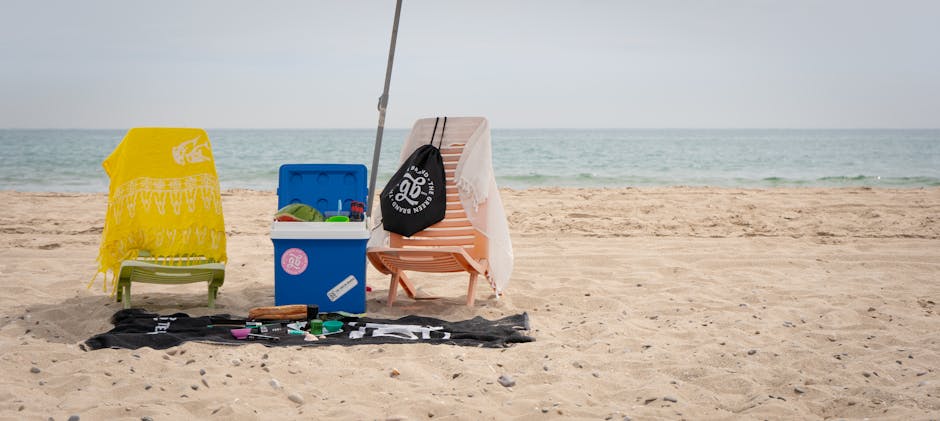
Your beach setup can make a big difference in comfort. Invest in gear that’s easy to carry, quick to set up, and durable.
A lightweight beach chair with a canopy offers back support and shade. Look for models with cup holders and storage pockets.
Use a Waterproof Mat or Blanket
A sand-resistant beach mat keeps your towel clean and provides a dry surface for sitting. Some models have corner pockets you can fill with sand for weight.
The Sandless Beach Mat by Matador uses a special fabric that repels sand and dries quickly. It’s compact and fits in a small pouch.
Bring a Portable Speaker (Responsibly)
Music enhances the vibe, but keep the volume low to respect others. Use waterproof Bluetooth speakers like the JBL Flip 6 or Ultimate Ears MEGABOOM 3.
Avoid playing music near quiet zones or family areas. When in doubt, use headphones.
Capture Memories Without Disrupting the Experience
It’s tempting to document every moment, but constant phone use can distract from relaxation. Set aside specific times for photos.
Use a waterproof phone pouch to take underwater shots or selfies by the waves. Just make sure it’s securely sealed.
Respect Privacy
Ask before photographing people, especially children. On some islands, locals may not want to be photographed due to cultural or personal reasons.
Avoid drones unless you have permission. Many beaches ban drone use to protect wildlife and privacy.
Know When to Leave
Even the best beach days should end before you’re exhausted or sunburned. Pay attention to your body’s signals.
Head back to your accommodation if you feel dizzy, nauseous, or overly fatigued. These can be signs of heatstroke or dehydration.
Leaving while you’re still having fun ensures you end on a positive note. You’ll be more likely to return tomorrow refreshed.
FAQ
What should I pack for a day at the beach?
Essentials include sunscreen (reef-safe if swimming), a hat, sunglasses, a reusable water bottle, a quick-dry towel, snacks, and a waterproof bag. Add a beach tent or umbrella for shade and water shoes for rocky areas.
How can I protect myself from sunburn?
Apply SPF 30+ sunscreen 30 minutes before sun exposure and reapply every two hours. Wear UPF 50+ clothing, a wide-brimmed hat, and seek shade during peak sun hours (10 a.m. to 4 p.m.).
Is it safe to swim at any beach?
Not always. Check for warning flags, avoid swimming alone, and be aware of rip currents. Only enter the water if you’re a confident swimmer and conditions are calm. When in doubt, ask a lifeguard or local for advice.