
Fresh Destination Guide to Cyprus for Island Hopping
Cyprus is more than a single island—it’s a gateway to a Mediterranean world of hidden coves, ancient ruins, and sun-drenched villages. While most travelers stick to the main coastline, savvy explorers know that island hopping around Cyprus reveals its true character. This guide walks you through the best nearby islets, ferry routes, and day-trip options so you can experience the full spectrum of Cypriot charm—without the tourist crowds.
Why Island Hopping in Cyprus Makes Sense
Though Cyprus itself is the third-largest island in the Mediterranean, its surrounding smaller islets offer unique experiences just a short boat ride away. These outposts provide quieter beaches, untouched nature, and authentic local culture often missing from mainland resorts.
Many of these islands are uninhabited or have only seasonal residents, making them ideal for day trips focused on swimming, snorkeling, or simply soaking in panoramic views. Unlike mass-market Greek island hops, Cyprus’s lesser-known neighbors remain refreshingly uncrowded—even in peak summer.
Geography and Accessibility
Cyprus sits at the crossroads of Europe, Asia, and Africa, with a coastline dotted with natural harbors and marinas. The southern coast (Republic of Cyprus) is the most accessible for island hopping, thanks to well-established ferry services from Limassol, Larnaca, and Paphos.
The northern coast (under Turkish administration) has limited international ferry access, but private boat charters from Kyrenia offer alternative routes to nearby islets like St. Hilarion Rock and the Karpas Peninsula’s coastal caves.
Best Time to Go
Late spring (May–June) and early autumn (September–October) offer ideal conditions: warm sea temperatures, fewer crowds, and reliable ferry schedules. Summer months (July–August) bring heat and higher prices, but longer daylight hours allow for extended excursions.
Winter island hopping is rarely feasible due to rough seas and reduced services, though some private operators run scenic coastal tours year-round.
Top Islands and Islets to Visit
Akrotiri Peninsula and the British Sovereign Base
Just west of Limassol, the Akrotiri Peninsula is home to the UK’s Sovereign Base Area—a unique geopolitical zone with restricted access but stunning natural beauty. While most of the base is off-limits, public areas like Lady’s Mile Beach and the Akrotiri Salt Lake (a vital bird sanctuary) are open to visitors.
From here, small boats occasionally run to the tiny islet of Akrotiri Rock, a limestone outcrop popular with snorkelers for its clear waters and underwater rock formations. Always check local regulations before attempting to land—some zones require permits.
Zygi and the Fishing Harbor
Zygi, a quiet fishing village between Limassol and Larnaca, serves as a launch point for trips to nearby rocky islets. The harbor itself is worth a stop for fresh seafood at family-run tavernas like To Kati Allo.
From Zygi Marina, local boat captains offer half-day tours to Petra tou Romiou (also known as Aphrodite’s Rock), a sea stack steeped in myth. While you can’t land on the rock itself, circling it by boat offers dramatic photo opportunities and calm swimming spots nearby.
Protaras and the Fig Tree Bay Area
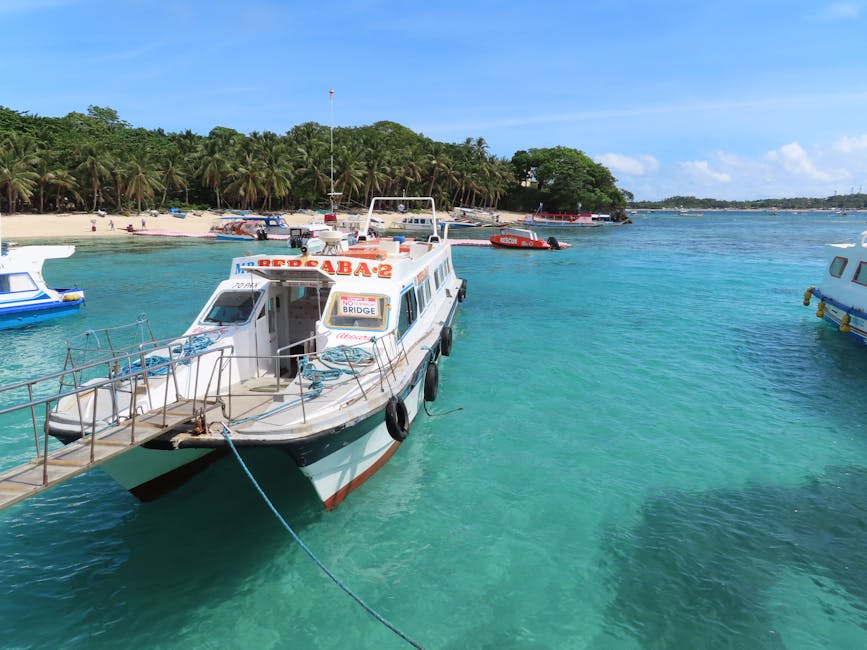
On the southeast coast, Protaras is a hub for day trips to Cape Greco’s sea caves and the uninhabited islet of Protaras Rock. These areas are best reached by kayak or small motorboat, with rentals available near Fig Tree Bay.
The waters here are shallow and clear, making them ideal for snorkeling. Look for schools of damselfish and occasional octopuses hiding in the rocky crevices. Guided eco-tours often include stops at sea caves like Cyclops Cave, accessible only by water.
Paphos and the Akamas Peninsula
The Akamas Peninsula, a protected nature reserve in northwest Cyprus, is one of the island’s last wild frontiers. While not an island itself, its coastline features sea stacks and isolated coves reachable only by boat.
From Paphos Harbor, operators like Akamas Sea Cruises run full-day trips to Lara Bay and Fontana Amorosa, a secluded beach with a natural spring. These tours often include snorkeling, cliff jumping, and a traditional Cypriot lunch onboard.
Karpas Peninsula and the Karpaz Region
In the far northeast, the Karpas Peninsula offers some of Cyprus’s most rugged and unspoiled coastline. The area is sparsely populated, with wild donkeys roaming freely and empty beaches stretching for miles.
From the port of Rizokarpaso, small boats can take you to Golden Beach (Nangomi Beach) and nearby sea caves. This region is best explored with a local guide, as navigation can be tricky and facilities are minimal.
How to Get Around: Ferries, Boats, and Charters
Public Ferry Services
Limited public ferry routes connect major coastal towns, but inter-island services to smaller islets are rare. The most reliable option is the seasonal catamaran from Limassol to Larnaca, which runs twice daily from May to October.
For reaching outlying islets, you’ll typically need to rely on private operators or join a guided tour. Always confirm schedules in advance—many services operate only on weekends or require minimum passenger numbers.
Private Boat Charters
Chartering a small motorboat or sailboat is the most flexible way to explore Cyprus’s coastline. Prices start around €200–€300 per day for a 6–8 person vessel, including fuel and basic safety gear.
Popular charter companies include Cyprus Yacht Charters (based in Paphos) and Blue Sea Boat Rentals (Limassol). Most require a valid boating license or a skipper onboard—check requirements before booking.
Kayaking and Paddleboarding
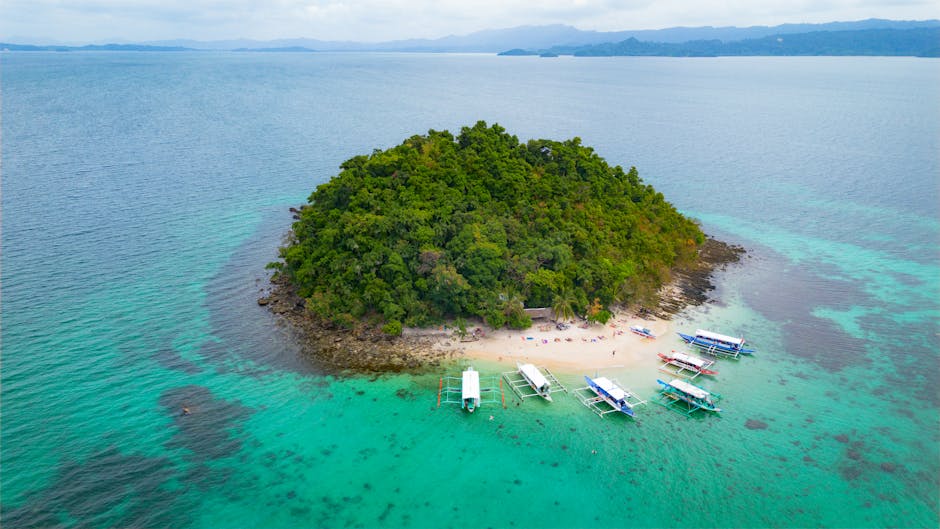
For a slower, more intimate experience, kayaking is ideal for reaching sea caves and hidden coves. Rental shops in Protaras, Larnaca, and Polis Chrysochous offer single and double kayaks from €15–€25 per hour.
Paddleboarding is popular along the calm waters of Coral Bay and Makronissos Beach. Many operators provide guided tours that include snorkel stops and coastal exploration.
What to Pack and Practical Tips
Essential Gear
Bring reef-safe sunscreen, a wide-brimmed hat, and UV-protective clothing—Cyprus’s sun is intense, even on overcast days. Water shoes are recommended for rocky shores and sea urchin-prone areas.
A dry bag is essential for protecting phones, cameras, and snacks during boat trips. Most charters provide life jackets, but bring your own if you have specific sizing needs.
Safety and Regulations
Always check weather conditions before heading out. Sudden wind shifts, especially in the afternoon, can make open-water crossings hazardous.
Respect protected areas like the Akamas Peninsula and marine reserves. Feeding fish, touching coral, or removing shells is prohibited and can result in fines.
Local Etiquette
When visiting fishing villages or rural areas, dress modestly when not on the beach. Many locals appreciate polite greetings in Greek (“Yassou”) or Turkish (“Merhaba”), depending on the region.
Tip boat captains and guides 10–15% for excellent service, especially if they go beyond the standard itinerary.
Sample 3-Day Island Hopping Itinerary
Day 1: Limassol to Akrotiri and Petra tou Romiou
Start in Limassol with breakfast at a seaside café, then take a morning ferry to Akrotiri. Spend the afternoon exploring Lady’s Mile Beach and birdwatching at the salt lake.
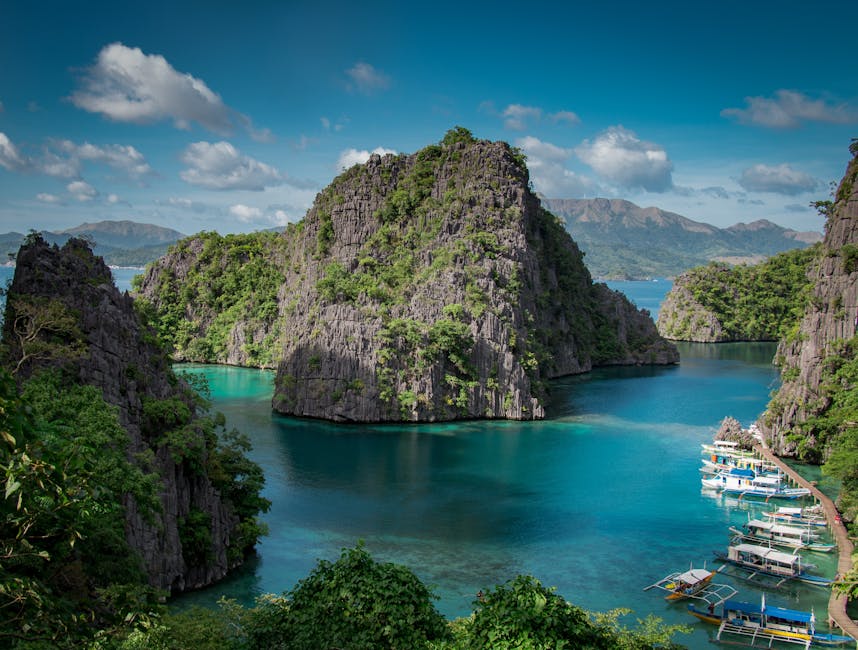
In the late afternoon, join a small boat tour from Zygi to Petra tou Romiou. Return to Limassol for dinner at a traditional meze restaurant like To Elliniko.
Day 2: Paphos to Akamas Peninsula
Drive or take a bus to Paphos (about 1.5 hours). Book a full-day cruise to the Akamas Peninsula, including stops at Lara Bay and Fontana Amorosa.
Pack a light lunch or opt for the onboard meal. Return to Paphos by evening and stroll along the harbor promenade.
Day 3: Protaras to Cape Greco and Sea Caves
Rent kayaks in Protaras and paddle to Cape Greco National Park. Explore the sea caves and snorkel in the clear waters near Cyclops Cave.
In the afternoon, relax at Fig Tree Bay or visit the nearby Church of Profitis Elias for panoramic views. End the day with fresh grilled fish at a beachfront taverna.
Common Mistakes to Avoid
Don’t assume all islets are open for landing. Many are protected habitats or private property. Always ask locals or guides before disembarking.
Avoid booking last-minute charters during peak season—popular boats fill up weeks in advance. Similarly, don’t rely on walk-up ferry tickets; pre-book online when possible.
Finally, don’t underestimate travel times between regions. Cyprus may seem small, but mountain roads and limited highways can turn a short distance into a long drive.
Final Thoughts
Island hopping in Cyprus isn’t about ticking off a long list of destinations—it’s about slowing down and discovering the quieter corners of a well-loved island. With a mix of guided tours, private charters, and self-guided exploration, you can craft a journey that balances adventure with relaxation.
Whether you’re diving into sea caves near Protaras, kayaking along the Akamas coast, or simply sipping coffee in a Zygi harbor café, Cyprus rewards those who venture beyond the resort strip. Pack light, plan wisely, and let the Mediterranean currents guide you.
FAQ
Can I island hop in Cyprus without a boat license?
Yes—most travelers join guided tours or hire a skipper. Private charters often require a license, but many companies offer crewed boats where the captain handles navigation.
Are there overnight stays on the smaller islets?
Very few. Most nearby islets are uninhabited or lack facilities. Overnight camping is generally not permitted in protected areas like Akamas. Consider staying in coastal towns like Protaras or Polis instead.
Is island hopping safe for families with young children?
Yes, with planning. Choose calm routes like Protaras to Cape Greco or Zygi to Petra tou Romiou. Opt for stable boats with shade and life jackets, and avoid rough seas or remote areas.