
Easy Destination Guide to Malta for Historic Streets
Malta is a Mediterranean gem where ancient history meets vibrant culture. If you’re drawn to cobbled lanes, centuries-old architecture, and stories etched into every stone, this easy destination guide to Malta for historic streets will help you explore the island’s most captivating old towns and pathways. From the fortified capital of Valletta to the silent city of Mdina, Malta offers a compact yet rich journey through time—all within a short drive or bus ride.
This guide covers essential destinations, walking routes, practical tips, and hidden corners to help you experience Malta’s historic streets like a local. Whether you’re a first-time visitor or returning for deeper exploration, you’ll find clear directions, timing advice, and cultural context to make your trip smooth and memorable.
Why Malta’s Historic Streets Stand Out
Malta’s historic streets are more than scenic backdrops—they’re living museums. The island has been shaped by Phoenicians, Romans, Arabs, Knights of St. John, French, and British influences, each leaving architectural and cultural imprints. Unlike larger European capitals, Malta’s compact size means you can walk from a 16th-century cathedral to a Roman-era ruin in under an hour.
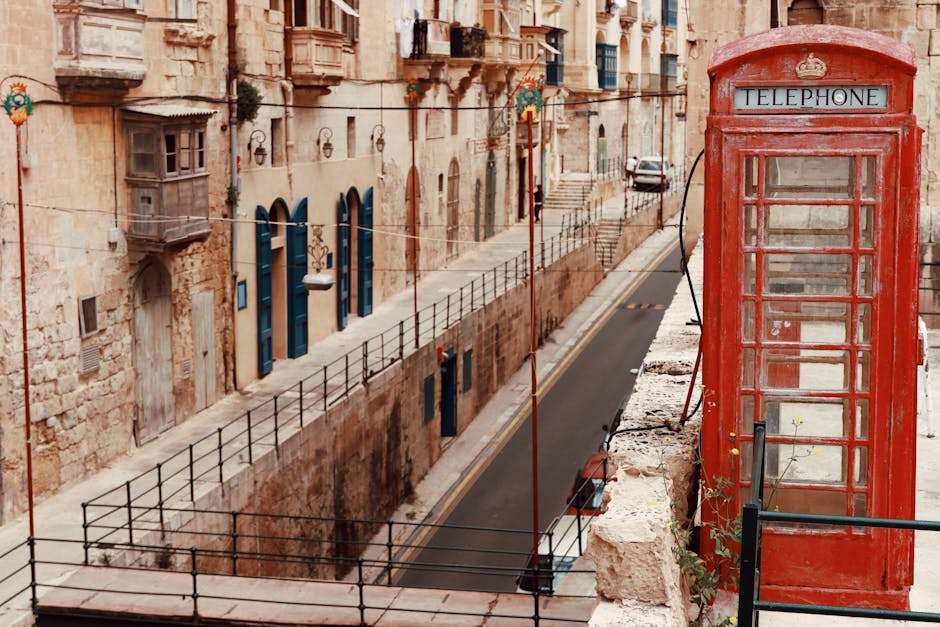
Many streets retain original features: uneven limestone slabs, arched doorways, and pastel-colored balconies. Traffic is minimal in old towns, making pedestrian exploration safe and enjoyable. The lack of modern high-rises in historic zones preserves the authentic feel, offering a rare glimpse into Mediterranean urban life across centuries.
Top Historic Towns and Cities to Explore
Valletta: The Fortress Capital
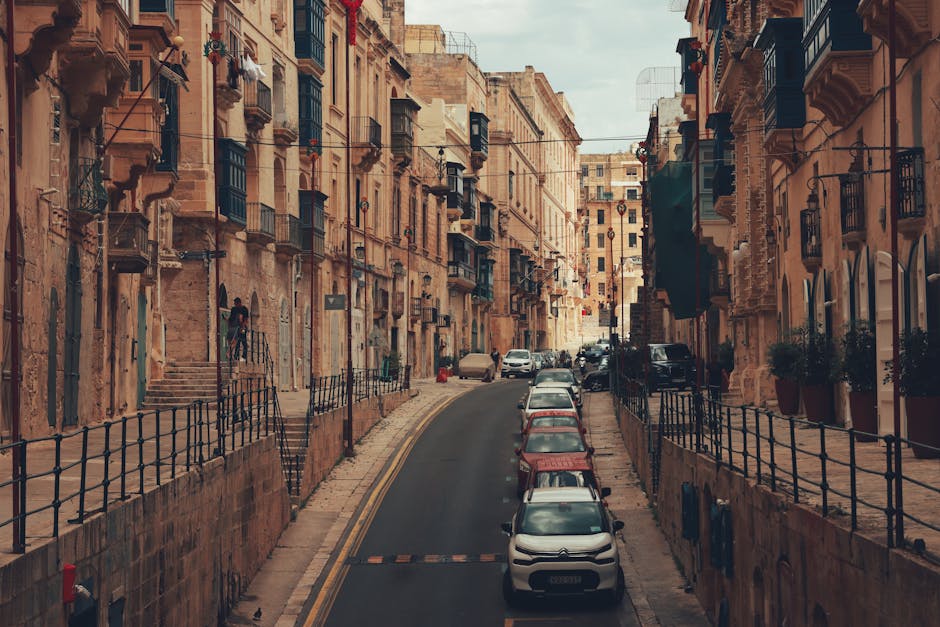
Valletta, Malta’s capital, was built in the 1560s by the Knights of St. John after the Great Siege of 1565. Its grid layout, designed by military engineer Francesco Laparelli, is one of the earliest examples of Renaissance urban planning. The city is a UNESCO World Heritage Site, with over 320 monuments packed into less than one square kilometer.
Start your walk at St. John’s Co-Cathedral, home to Caravaggio’s masterpiece The Beheading of Saint John the Baptist. From there, follow Triq ir-Repubblika (Republic Street), the main thoroughfare lined with baroque buildings, boutique shops, and cafes. Don’t miss the Upper Barrakka Gardens for panoramic views of the Grand Harbour.
Valletta’s streets are narrow and steep in parts. Wear comfortable shoes and carry water, especially in summer. Most attractions are within a 15-minute walk of each other, making it ideal for a half-day exploration.
Mdina: The Silent City
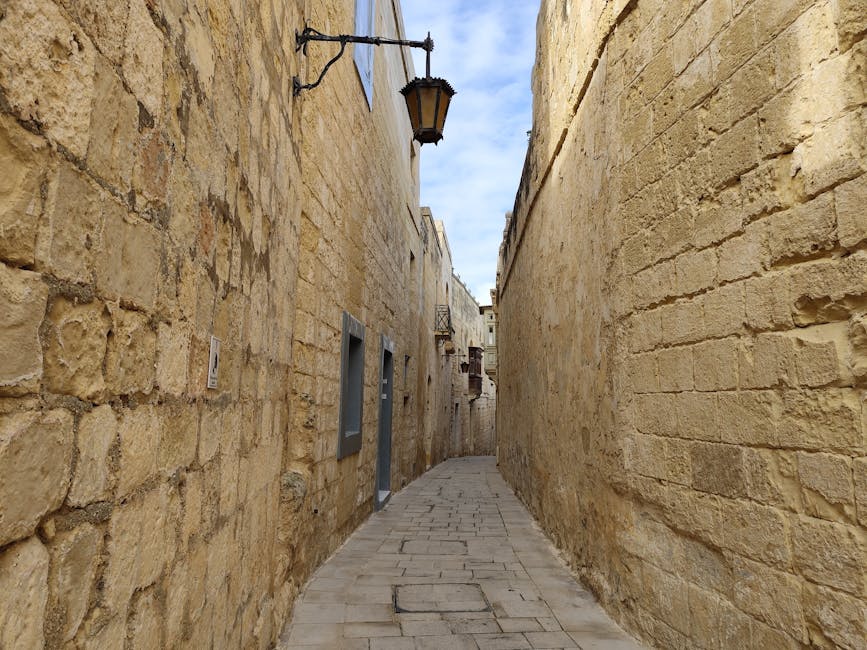
Perched on a hilltop northwest of Valletta, Mdina is a medieval walled city with roots dating back over 4,000 years. Once Malta’s capital, it’s now known as the “Silent City” due to its quiet, car-free streets and timeless atmosphere.
Enter through the main gate and wander along narrow alleys like Villegaignon Street and St. Paul’s Street. Look for the Mdina Dungeons, a museum revealing the city’s darker history, and the Cathedral of St. Paul, which houses a stunning marble floor and frescoes.
Mdina is best visited in the late afternoon or early evening when the golden light enhances the honey-colored limestone. Avoid weekends if you prefer fewer crowds. The city is small—most visitors complete a full loop in under two hours.
Rabat: Just Outside Mdina
Adjacent to Mdina, Rabat is often overlooked but rich in history. It was once part of the same settlement and still contains Roman ruins, including the Domvs Romana (Roman Villa) with well-preserved mosaics.
Walk along Misraħ ir-Repubblika to see traditional Maltese houses with wooden balconies and colorful doors. Visit St. Paul’s Catacombs, a network of underground burial chambers used by early Christians. The site offers insight into burial customs and religious practices from the 4th to 7th centuries.
Rabat blends seamlessly with Mdina, so many visitors explore both in one trip. Public buses from Valletta stop near the Mdina gate, making access easy.
Victoria (Rabat, Gozo): Heart of the Island
On the island of Gozo, Victoria—also known as Rabat—is the cultural and historical center. Its Citadel, a fortified hilltop complex, dominates the skyline and offers sweeping views of the island.
Climb the narrow steps to the Citadel and explore the Cathedral of the Assumption, the Old Prison, and the Gran Castello Historic House, a museum showcasing Gozitan life through the ages. The streets below, like Triq il-Kbira (Main Street), are lined with artisan shops and cafes.
Victoria is accessible by ferry from Cirkewwa (Malta’s main port). The journey takes about 25 minutes. Once on Gozo, local buses or taxis can take you to Victoria in under 15 minutes.
Walking Routes for Historic Streets
Valletta Heritage Trail (2–3 Hours)
This self-guided route covers the city’s highlights. Begin at the Triton Fountain near the city gate. Walk up Triq ir-Repubblika to St. John’s Co-Cathedral. Continue to the Grandmaster’s Palace and the Palace Armoury, one of the world’s largest collections of medieval weapons.
Turn onto Triq San Ġwann to reach the Upper Barrakka Gardens. From there, descend via the Barrakka Lift or stairs to the Lower Barrakka Gardens. End at the Siege Bell War Memorial for a moment of reflection.
Tip: Download the Valletta Walking Tour app for audio commentary. Most sites are free or low-cost, but the Armoury and Cathedral charge small entry fees.
Mdina and Rabat Combined Walk (3–4 Hours)
Start at the Mdina main gate and explore the city center. Visit the cathedral, the Mdina Dungeons, and the Bastion Square for views. Exit toward Rabat and walk to the Domvs Romana and St. Paul’s Catacombs.
Return via Triq San Pawl, stopping at local cafes for a traditional pastizzi (savory pastry). This route combines ancient, medieval, and early Christian history in one loop.
Wear sun protection—shade is limited. Bring a map or use Google Maps, as some alleys are unmarked.
Gozo Citadel Circuit (1.5–2 Hours)
Begin at the base of the Citadel and climb the main path to the cathedral. Explore the museum and prison, then walk the ramparts for 360-degree views. Descend through the old town, visiting the Old Bakery Museum and local craft shops.
The entire circuit is walkable and wheelchair-accessible in parts, though some areas have steep inclines. Visit early morning or late afternoon to avoid midday heat.
Practical Tips for Exploring Malta’s Historic Streets
Best Time to Visit
Spring (March to May) and autumn (September to November) offer mild weather and fewer tourists. Summer (June to August) is hot and busy, with temperatures often exceeding 30°C (86°F). Winter is mild but can be rainy.
Early mornings and late afternoons are ideal for walking. Streets are quieter, and the light is better for photography. Avoid midday in summer—heat can make cobbled paths uncomfortable.
Transportation and Getting Around
Malta has an efficient public bus system connecting all major towns. Buses are air-conditioned and affordable, with day passes available. Routes to Valletta, Mdina, and Gozo are frequent.
Renting a car offers flexibility, especially for Gozo and rural areas. However, parking in historic towns is limited and often paid. Taxis and ride-sharing apps like Bolt are available but can be costly for short trips.
Walking is the best way to experience historic streets. Most old towns are pedestrian-only or have restricted vehicle access.
What to Wear and Bring
Comfortable walking shoes are essential—cobblestones can be uneven and slippery. Light, breathable clothing is recommended in warmer months. A hat, sunscreen, and reusable water bottle are must-haves.
Carry a small backpack with a map, charger, and snacks. Many historic sites have limited facilities, so plan rest stops in advance.
Respecting Local Culture
Malta is predominantly Catholic, and modest dress is appreciated when visiting churches and cathedrals. Shoulders and knees should be covered.
Speak softly in quiet areas like Mdina. Avoid loud conversations or music in residential zones. Tipping is not mandatory but appreciated in restaurants and for guided tours.
Hidden Gems and Lesser-Known Streets
Triq il-Mużew: Valletta’s Museum Lane
Tucked behind the National Museum of Archaeology, this quiet lane leads to the MUŻA art museum and the Auberge de Castille, a former knights’ headquarters now used by the Prime Minister’s office. The street is lined with historic buildings and offers a peaceful escape from the main tourist flow.
Visit in the late morning when the museum opens. The area is rarely crowded, making it ideal for reflection and photography.
Villegaignon Street, Mdina
This narrow, winding lane is one of Mdina’s most photographed spots. Its arched entrance, pastel walls, and hanging plants create a postcard-perfect scene. It’s especially beautiful at sunset.
Few tourists linger here long—most pass through quickly. Stay a while to appreciate the details: the iron gates, the weathered stone, the quiet rhythm of daily life.
Triq il-Kbira, Victoria
Gozo’s main street is more than a shopping strip—it’s a living record of the island’s social history. Look for the old cinema facade, the clock tower, and the traditional Maltese gallarija (wooden balcony).
Visit on a weekday morning to see locals going about their routines. Stop at a kiosk for a ftira (Maltese flatbread sandwich) and strong coffee.
Safety and Accessibility
Malta is generally safe for tourists. Crime rates are low, and historic areas are well-lit and patrolled. However, pickpocketing can occur in crowded spots like Valletta’s main square.
Be cautious on steep or uneven streets, especially after rain. Some alleys in Mdina and Valletta have steps without handrails.
Accessibility varies. Valletta has ramps and lifts in key areas, but many historic buildings lack elevators. Mdina’s cobbled streets are challenging for wheelchairs. Gozo’s Citadel has improved access in recent years, but some sections remain steep.
Contact sites in advance if you have mobility concerns. Many offer alternative routes or assistance.
Food and Drink Along Historic Routes
Malta’s culinary scene blends Mediterranean, Italian, and British influences. Along historic streets, you’ll find traditional cafes, wine bars, and family-run restaurants.
In Valletta, try Legligin Wine Bar for local wines and small plates. In Mdina, Fontanella Tea Garden offers cakes and tea with a view. In Victoria, Ta’ Kris is a local favorite for hearty Maltese dishes.
Street food like pastizzi (flaky pastries filled with ricotta or peas) are cheap and widely available. Look for bakeries near main squares.
Avoid eating in churches or museums. Most have designated areas or nearby cafes.
Photography Tips for Historic Streets
Golden hour (just after sunrise or before sunset) provides soft, warm light ideal for architecture and street scenes. Blue hour (just after sunset) adds drama to illuminated buildings.
Use a wide-angle lens for narrow alleys and a prime lens for details like doors and textures. Avoid tripods in crowded areas—they can obstruct foot traffic.
Respect privacy. Ask before photographing locals, especially in residential zones. Some sites restrict photography indoors—check signs at entrances.
FAQs
How many days do I need to explore Malta’s historic streets?
Three to four days allow a thorough visit. Spend one day in Valletta, one in Mdina and Rabat, and one on Gozo. Add an extra day if you want to include nearby sites like the Hypogeum or Tarxien Temples.
Are Malta’s historic streets safe to walk at night?
Yes, in well-lit, populated areas like Valletta’s main streets and Victoria’s center. Avoid isolated alleys in Mdina after dark. Stick to main routes and travel in groups if possible.
Do I need a guide to appreciate Malta’s history?
Not necessarily. Many sites have informative plaques and audio guides. However, a local guide can enrich your experience with stories and context, especially in places like the Catacombs or Citadel.