
Adventure Travel Ideas for Offbeat Outdoor Escapes
Looking to trade crowded trails for hidden gems? Adventure travel doesn’t require a passport to a far-flung country or a five-figure budget. Some of the most rewarding outdoor escapes lie just off the beaten path—places where solitude, raw landscapes, and authentic experiences replace tourist crowds and commercialized tours. Whether you’re a seasoned hiker or a weekend camper, these adventure travel ideas offer fresh air, real challenge, and the kind of memories that don’t come from a postcard.
Why Choose Offbeat Outdoor Adventures?
Mainstream destinations often deliver predictability: packed viewpoints, overpriced gear shops, and Instagram backdrops worn thin by repetition. Offbeat escapes, by contrast, reward curiosity and preparation. They’re less about convenience and more about discovery—finding a quiet alpine lake, navigating an unmarked forest trail, or camping under a sky unpolluted by city lights.
These trips demand more planning but deliver richer returns. You’ll encounter diverse ecosystems, local cultures untouched by mass tourism, and a deeper sense of self-reliance. Plus, fewer people mean less environmental impact—a win for both the planet and your peace of mind.
Top Destinations for Unconventional Outdoor Adventures
1. The Drakensberg Traverse, South Africa
While Table Mountain draws the crowds, the Drakensberg mountain range offers high-altitude hiking with ancient San rock art and dramatic sandstone cliffs. The 100-kilometer traverse from Sentinel Peak to Mnweni Pass rewards hikers with panoramic views and rare sightings of bearded vultures.
Permits are required and weather shifts fast—pack layers and check conditions before departure. This route is best attempted in summer (November to February) when snow is minimal and river crossings are safer.
2. The Tsingy de Bemaraha, Madagascar
Imagine hiking through a limestone forest of jagged limestone formations—some over 120 meters tall. The Tsingy de Bemaraha National Park is a UNESCO site where narrow canyons, suspension bridges, and endemic wildlife create a surreal landscape.
Guided tours are mandatory due to the terrain’s danger. Wear sturdy gloves and closed-toe shoes. The dry season (April to November) offers the best access, though humidity remains high.
3. The Faroe Islands, North Atlantic
With only 50,000 residents and 18 volcanic islands, the Faroe Islands offer dramatic sea cliffs, grass-roof villages, and hiking routes that feel like stepping into a Nordic myth. Trails like the one from Saksun to Tjørnuvík wind through fjords and end at black-sand beaches.
Weather is unpredictable—rain and fog can roll in within minutes. Pack waterproof gear and always check local forecasts. Ferries and small planes connect the islands, so plan logistics in advance.
4. The Danakil Depression, Ethiopia
One of Earth’s hottest and lowest places, the Danakil Depression is a geologist’s dream and an adventurer’s ultimate test. Acid springs, salt flats, and active volcanoes create an otherworldly terrain. Dallol’s hydrothermal fields glow in neon yellows and greens.
Extreme heat (often exceeding 50°C) and political sensitivity require experienced guides and government permits. Travel with a reputable tour operator and carry ample water. Avoid the rainy season (July–September) when flooding can occur.
5. The Omo Valley, Ethiopia
For cultural immersion alongside natural beauty, the Omo Valley offers encounters with indigenous tribes like the Mursi and Hamar. The region’s riverbanks, savannas, and volcanic highlands support a way of life largely unchanged for centuries.
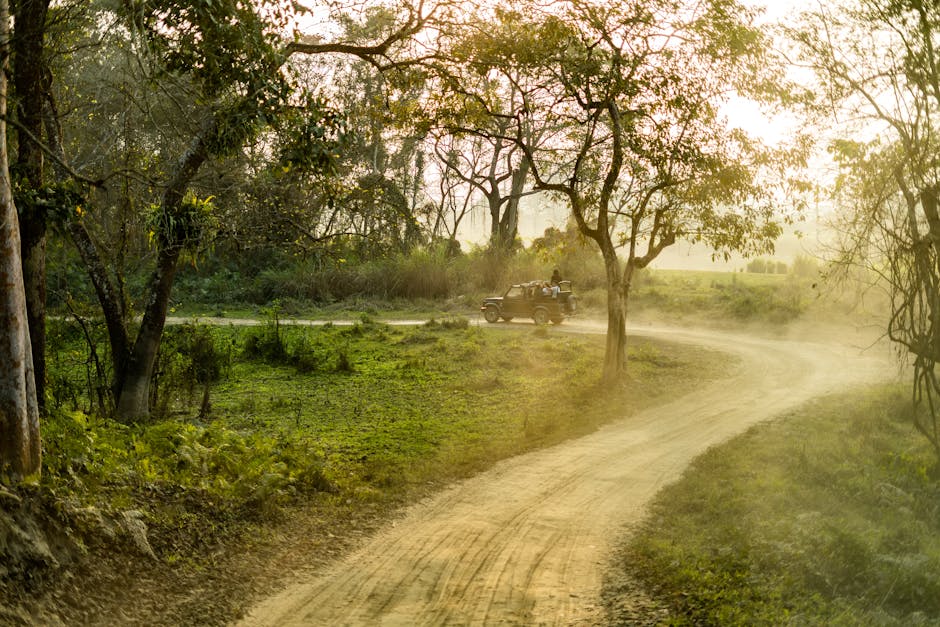
Respect is paramount—always ask permission before photographing people. Travel with local guides who speak the dialects and understand customs. Road access is limited; 4×4 vehicles are essential.
Types of Offbeat Adventure Activities
Wilderness Backpacking
Forget marked trails and established campsites. Wilderness backpacking means carrying everything you need and navigating by map and compass. Routes like the Wind River Range in Wyoming or the Torngat Mountains in Canada offer true isolation.
Start with shorter trips to build skills. Learn Leave No Trace principles, how to purify water, and how to signal for help. Always file a trip plan with someone reliable.
Sea Kayaking Remote Coastlines
Paddle through fjords, mangrove forests, or Arctic waters where motorboats don’t go. In Alaska’s Glacier Bay, kayakers glide past calving glaciers and humpback whales. In Patagonia, the fjords of Tierra del Fuego offer solitude and raw beauty.
Check tides, currents, and weather daily. Bring a VHF radio and dry bags. Practice wet exits and re-entry techniques before heading out.
Rock Climbing in Undeveloped Areas
Seek out crags that haven’t been bolted or commercialized. In Morocco’s Todra Gorge, limestone walls rise 300 meters with minimal infrastructure. In Laos, the limestone cliffs near Vang Vieng offer sport and trad routes with few visitors.
Climbing in remote areas means carrying your own anchors and knowing self-rescue techniques. Never climb alone. Research local regulations—some areas restrict climbing to protect wildlife or cultural sites.
Winter Camping in Remote Regions
Sleeping under the northern lights or in a snow-covered forest tests preparation and mental resilience. In Norway’s Lofoten Islands, you can camp in winter with proper gear and enjoy aurora displays over frozen fjords.
Use a four-season tent, a sleeping bag rated for at least -10°C, and a high-quality sleeping pad. Avoid camping near avalanche zones. Learn how to recognize signs of hypothermia.
Wildlife Tracking and Observation
Instead of visiting crowded safari parks, join conservation-focused tracking expeditions. In Botswana’s Okavango Delta, walking safaris with expert trackers reveal footprints, dung, and behavioral clues of lions, leopards, and wild dogs.
Move quietly, stay downwind, and never approach animals. Use binoculars and telephoto lenses. Support operators that contribute to local conservation efforts.
How to Plan Your Offbeat Outdoor Escape
1. Research Thoroughly
Start with government travel advisories, park websites, and forums like Reddit’s r/Ultralight or r/AdventureTravel. Look for recent trip reports to understand current conditions. Contact local guides or outfitters for firsthand insights.
Pay attention to seasonal patterns, access restrictions, and required permits. Some areas limit daily visitors or require advance booking.
2. Build the Right Skill Set
Offbeat adventures often lack safety nets. Learn basic wilderness first aid, navigation, and weather interpretation. Take a course in Leave No Trace ethics. Practice skills in familiar terrain before going remote.
If your trip involves water crossings, climbing, or glacier travel, get certified training. Never assume you can “wing it” in isolated areas.
3. Pack Smart, Not Heavy
Prioritize lightweight, multi-use gear. A tarp can serve as shelter, rain cover, or ground cloth. Choose a backpack that fits well and distributes weight properly. Test your setup on a weekend trip before a long expedition.
Don’t forget essentials: water filter, headlamp, fire starter, repair kit, and emergency shelter. Leave unnecessary electronics at home.
4. Travel Responsibly
Respect local cultures and ecosystems. Learn a few phrases in the local language. Support community-based tourism initiatives. Avoid single-use plastics and pack out all trash—even biodegradable items like fruit peels.
Stick to durable surfaces when hiking and camping. Don’t feed wildlife or remove natural objects. Your presence should leave no trace.
Safety Considerations for Remote Adventures
Isolation increases risk. A twisted ankle on a popular trail might mean a 30-minute wait for help. In remote areas, it could mean days without rescue. Always carry a personal locator beacon (PLB) or satellite messenger like a Garmin inReach.
Inform someone trustworthy of your itinerary, including route, expected return, and emergency contacts. Check in when possible. If you change plans, update your contact.
Weather can turn deadly fast in mountains, deserts, or coastal zones. Monitor forecasts and be ready to turn back. Never ignore signs of altitude sickness, heat exhaustion, or hypothermia.
Budgeting for Offbeat Travel
While offbeat destinations often cost less than popular ones, hidden expenses can add up. Flights to remote regions may require multiple connections. Local transport might be unreliable or expensive. Permits and guide fees can run into hundreds of dollars.
Set aside 20–30% of your budget for contingencies. Travel insurance that covers medical evacuation is non-negotiable. Compare policies to ensure they include adventure activities like climbing or kayaking.
Consider traveling in the shoulder season for lower prices and fewer crowds. Share costs with a small group when possible, but don’t compromise safety for savings.
Gear Essentials for Unconventional Trips
- Navigation: Topographic map, compass, GPS device (with spare batteries)
- Shelter: Ultralight tent, bivy sack, or tarp system
- Sleep System: Sleeping bag rated for expected lows, insulated sleeping pad
- Water: Filter or purification tablets, collapsible bottles or bladder
- Food: High-calorie, no-cook meals, stove and fuel if needed
- Safety: First aid kit, fire starter, emergency whistle, headlamp
- Communication: Satellite messenger, power bank, local SIM card if available
Environmental and Cultural Responsibility
Offbeat destinations are often ecologically fragile or culturally sensitive. Over-tourism can damage trails, pollute water sources, and disrupt local communities. Travel with humility and awareness.
Support conservation efforts by choosing eco-certified operators. Donate to local initiatives if possible. Avoid souvenirs made from endangered species or cultural artifacts.
When visiting indigenous areas, follow local customs. Dress modestly, ask before entering homes or sacred sites, and compensate fairly for guides or homestays.
Final Thoughts
Adventure travel isn’t about chasing extremes—it’s about seeking authenticity, challenge, and connection. Offbeat outdoor escapes offer all three, often in places that haven’t been reshaped for mass appeal. With careful planning, respect for nature and people, and the right mindset, these journeys can redefine what adventure means to you.
Start small. Build experience. Stay curious. And always leave room for the unexpected—the best moments often happen off the map.
FAQ
What makes an adventure travel destination “offbeat”?
An offbeat destination is one that receives few tourists, lacks heavy infrastructure, and offers authentic, less-commercialized experiences. These places often require more planning but deliver greater solitude and cultural or natural uniqueness.
Is it safe to travel alone on remote outdoor adventures?
Solo travel increases risk due to lack of immediate help. It’s safer to go with a partner or group, especially in high-risk environments. If you travel alone, carry a satellite communicator, share your itinerary, and avoid high-exposure activities without experience.
How do I find reliable guides for remote destinations?
Look for locally owned operators with strong reviews, certifications (like Leave No Trace or wilderness first aid), and transparent pricing. Ask for references or trip reports. Avoid agencies that promise luxury in extremely remote areas—realism and safety should come first.