
Food and Culinary Travel Ideas for Cooking Class Trips
Looking to combine your love of food and travel? Cooking class trips offer a hands-on way to explore new cultures through their cuisine. Instead of just eating out, you’ll learn to prepare traditional dishes from local chefs, often using regional ingredients and time-honored techniques. These immersive experiences deepen your understanding of a destination while building practical cooking skills you can use at home.
Whether you’re planning a solo adventure, a couple’s getaway, or a group retreat, culinary travel opens doors to authentic connections and unforgettable meals. From bustling markets in Thailand to rustic kitchens in Tuscany, cooking classes turn destinations into classrooms—and every dish becomes a story.
Why Choose a Cooking Class Trip?
Cooking class trips go beyond typical tourism. They engage all your senses and create lasting memories through shared experiences. You’re not just observing a culture—you’re participating in it, one recipe at a time.
These trips often include market tours, ingredient sourcing, and meals shared with fellow travelers or locals. The result? A deeper appreciation for food systems, seasonal eating, and the stories behind everyday ingredients.
Hands-On Learning
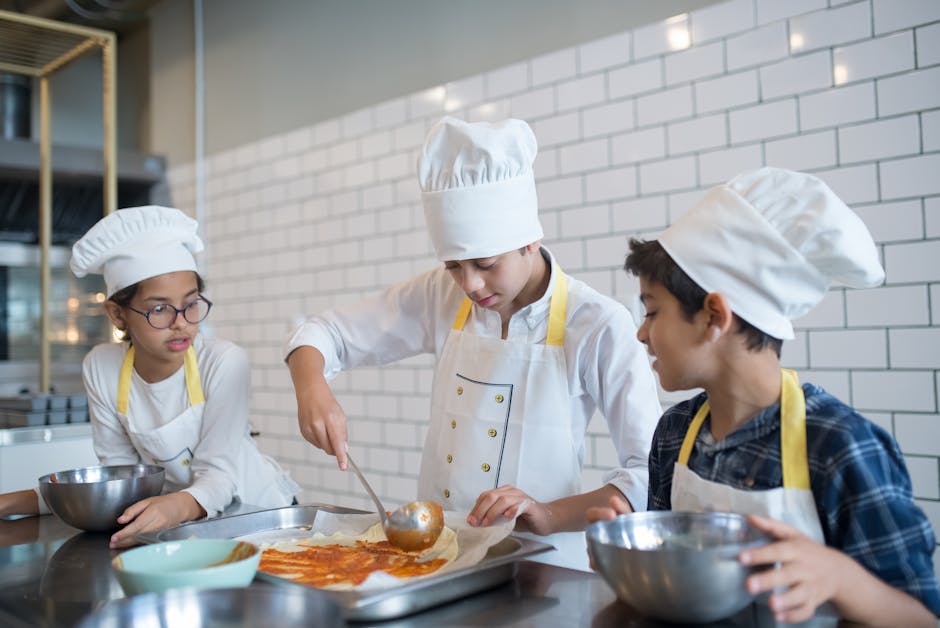
Unlike passive sightseeing, cooking classes require active participation. You’ll chop, stir, knead, and taste under the guidance of experienced instructors. Many classes are designed for all skill levels, so beginners feel welcome and confident.
For example, a pasta-making workshop in Bologna might start with a demo, then transition to rolling dough by hand using a wooden mattarello. You’ll leave not just with a full stomach, but with the know-how to recreate the dish at home.
Cultural Immersion
Food is a gateway to culture. In Oaxaca, Mexico, a mole-making class reveals the complexity of indigenous ingredients like chilhuacle chiles and cacao. In Vietnam, learning to wrap fresh spring rolls introduces you to the balance of herbs, textures, and dipping sauces central to Vietnamese cuisine.
These experiences often include stories from local chefs about family traditions, regional variations, and the significance of certain dishes during festivals or holidays.
Social Connection
Cooking classes naturally foster camaraderie. Working side by side with other travelers—or even locals—creates instant conversation and shared laughter. Many participants form friendships that last long after the trip ends.
Group meals at the end of class double as celebration and reflection. Sharing a dish you’ve made together builds a sense of accomplishment and community.
Top Destinations for Culinary Travel
Some destinations are renowned for their food scenes and well-established cooking schools. These locations offer structured programs, knowledgeable instructors, and access to fresh, local ingredients.
Italy: The Heart of Mediterranean Cuisine
Italy remains a top choice for culinary travelers. Regions like Tuscany, Emilia-Romagna, and Sicily each offer distinct flavors and specialties.
In Florence, you might learn to make ribollita, a hearty vegetable soup, using seasonal greens from a nearby farm. In Naples, a pizza-making class could include a visit to a mozzarella di bufala producer.
Many Italian cooking schools are housed in historic villas or family-run agriturismi, adding charm and authenticity to the experience.
Thailand: Bold Flavors and Street Food Secrets
Thailand’s vibrant street food culture makes it a favorite for hands-on cooking classes. Bangkok, Chiang Mai, and Phuket all host reputable schools.
A typical class might begin with a guided tour of a local market, where you’ll identify ingredients like galangal, kaffir lime leaves, and Thai basil. Back in the kitchen, you’ll learn to balance sweet, sour, salty, and spicy in dishes like pad thai or green curry.
Classes often emphasize knife skills and wok techniques, giving you tools to replicate Thai cooking at home.
Japan: Precision and Tradition
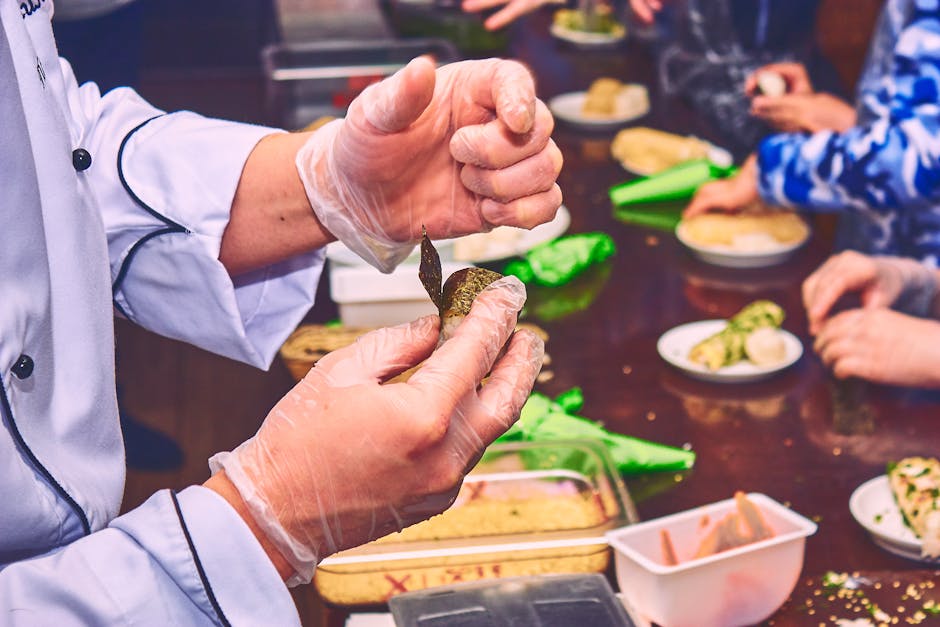
Japanese cuisine values precision, seasonality, and presentation. Cooking classes in Kyoto, Tokyo, or Osaka offer insight into techniques like sushi rolling, tempura frying, and dashi preparation.
Some programs include visits to temples or tea ceremonies, blending culinary learning with cultural context. A sushi class might explain the importance of rice vinegar balance and fish freshness.
Even vegetarian options, such as shojin ryori (Buddhist temple cuisine), are taught with care and depth.
Peru: Andean Ingredients and Fusion Flavors
Peru’s diverse geography—coast, Andes, Amazon—creates a rich culinary landscape. Cooking classes in Lima or Cusco often highlight native ingredients like quinoa, ají peppers, and purple corn.
You might learn to prepare ceviche using freshly caught fish and lime juice, or make lomo saltado, a stir-fry that reflects Peru’s Chinese influence. Many classes include a trip to a local market to source ingredients.
Some schools partner with indigenous communities, offering a deeper look at ancestral cooking methods.
France: Classics and Regional Specialties
France is synonymous with culinary excellence. While Paris offers elegant pastry classes, regions like Provence, Lyon, and Bordeaux provide rustic, ingredient-driven experiences.
In Provence, you might learn to make ratatouille using vegetables from a garden plot. In Lyon, a class on charcuterie could cover pâté en croûte and saucisson sec.
French cooking schools often emphasize technique—how to make a proper béchamel, for instance—over recipes, building foundational skills.
How to Choose the Right Cooking Class Trip
With so many options, selecting the right trip requires thoughtful planning. Consider your goals, skill level, and travel preferences.
Define Your Goals
Are you looking to master a specific cuisine, improve general cooking skills, or simply enjoy a fun group activity? Your answer will guide your destination and class type.
If you’re passionate about baking, a French patisserie course might be ideal. If you want to explore plant-based cooking, look for vegetarian-focused programs in India or Israel.
Check Class Structure and Duration
Classes vary widely—from half-day workshops to week-long immersions. A half-day class in Barcelona might cover tapas and paella, while a five-day program in Bali could include daily market tours, cooking sessions, and cultural excursions.
Longer programs often provide more comprehensive learning and better value, but shorter classes fit well into multi-destination itineraries.
Assess Instructor Credentials
Look for classes taught by local chefs, culinary school graduates, or experienced food educators. Reading reviews or watching video previews can help gauge teaching style and clarity.
Some schools offer classes in English, while others may require basic language skills. Confirm language options before booking.
Consider Group Size and Setting
Smaller classes (under 12 people) allow for more personalized instruction and interaction. Larger groups may feel less intimate but can be more social.
Settings also vary: urban cooking schools, countryside farms, beachside huts, or even private homes. Choose one that matches your ideal travel atmosphere.
Review Inclusions and Logistics
Check what’s included: ingredients, equipment, recipe booklets, meals, transportation, and accommodations. Some packages offer airport pickup or guided city tours.
Also consider location accessibility. A class in a remote village may require extra travel time, while one in a city center offers more flexibility.
Packing Tips for a Cooking Class Trip
You don’t need to bring much, but a few essentials can enhance your experience.
Clothing and Footwear
Wear comfortable, closed-toe shoes—kitchens can be slippery. Avoid loose sleeves or dangling jewelry. Many schools provide aprons, but bring a lightweight one if you prefer your own.
Layered clothing works well, as kitchens can get warm during cooking. In tropical destinations, breathable fabrics are ideal.
Note-Taking Tools
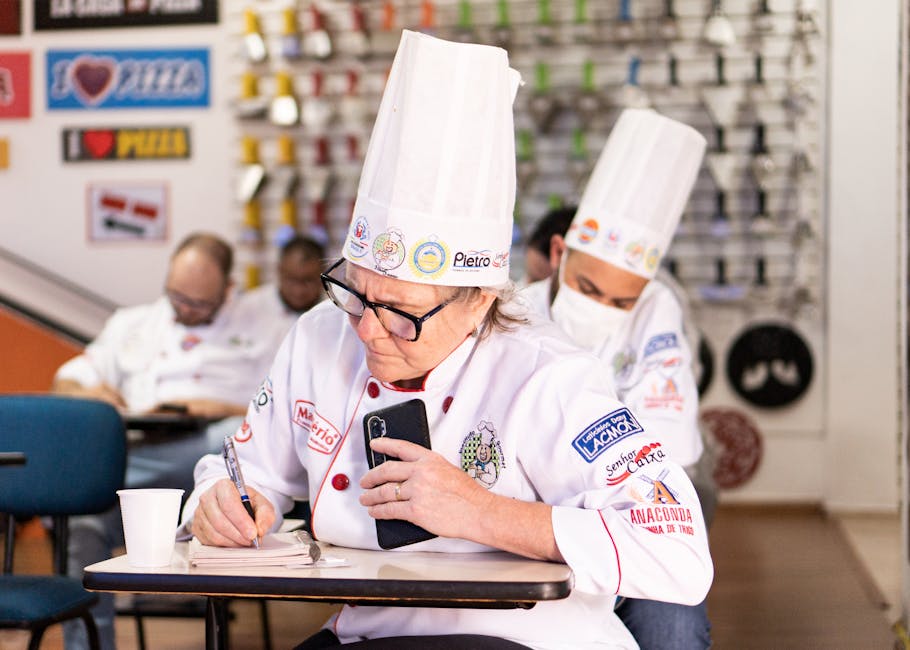
Bring a small notebook or use your phone to record tips, ingredient substitutions, and chef’s advice. Some classes provide printed recipes, but personal notes help with recall.
If allowed, take photos of techniques or ingredient labels for later reference.
Containers for Leftovers
Many classes end with a group meal, but you might want to save extras. Bring a reusable container for leftovers, especially if you’re staying nearby and have kitchen access.
Some schools offer recipe cards or digital downloads, so you can recreate dishes at home.
Safety and Etiquette in International Kitchens
Respecting local customs and kitchen safety ensures a smooth experience.
Follow Hygiene Practices
Wash your hands frequently and follow the instructor’s guidance on food handling. In some countries, removing shoes before entering a kitchen is customary.
Avoid cross-contamination by using separate cutting boards for raw meat and vegetables, if applicable.
Respect Cultural Norms
In some cultures, touching food with your left hand is considered improper. In others, tasting dishes before serving is expected. Observe and follow the lead of your instructor.
Ask before photographing people, especially in market or home settings. A polite request often goes a long way.
Be Mindful of Dietary Restrictions
Inform the school in advance about allergies or dietary needs. Many classes can accommodate vegetarians, vegans, or gluten-free diets with notice.
In regions with limited ingredient transparency, communicate clearly to avoid cross-contact.
Budgeting for Your Culinary Adventure
Cooking class trips vary in cost depending on location, duration, and inclusions.
Typical Price Ranges
Half-day classes often range from $50 to $150 per person. Multi-day programs can cost $500 to $2,000 or more, especially if they include lodging and excursions.
Destinations in Southeast Asia or Latin America tend to be more affordable than Europe or Japan.
Hidden Costs to Watch For
Airfare, visas, travel insurance, and local transportation are usually not included. Also consider meals outside of class and souvenir purchases.
Some schools charge extra for market tours or specialty ingredients. Read the fine print before booking.
Ways to Save
Book early for discounts, or look for off-season deals. Group rates may be available for three or more travelers.
Consider day trips from major cities instead of multi-day retreats if budget is a concern.
Making the Most of Your Experience
Preparation and mindset can elevate your trip from enjoyable to transformative.
Arrive with Curiosity
Approach each class with an open mind. Even if a dish seems unfamiliar, try it with respect and interest. You might discover a new favorite.
Ask questions about ingredients, techniques, and cultural context. Chefs appreciate engaged students.
Engage with Locals
Strike up conversations with vendors at markets or fellow participants. These interactions often lead to the best stories and tips.
If your class includes a home visit, embrace the hospitality. Sharing a meal in someone’s home is a rare and meaningful experience.
Document Your Journey
Keep a travel journal or digital album of recipes, photos, and reflections. This becomes a personal culinary memoir.
Share your experiences on social media or with friends—it might inspire others to try culinary travel.
Bringing the Experience Home
The real value of a cooking class trip extends beyond the trip itself.
Recreate Dishes
Use your recipe cards and notes to cook the dishes at home. Invite friends over for a themed dinner night.
Some ingredients may be hard to find, but substitutions can work. For example, use regular basil if Thai basil isn’t available.
Continue Learning
Take online classes or read cookbooks from the region you visited. Deepen your knowledge of techniques like fermentation, spice blending, or knife skills.
Consider joining a local cooking group or food tour to stay connected to your new passion.
Support Local Food Systems
Apply lessons about seasonal eating, sustainability, and ingredient quality to your everyday cooking. Visit farmers’ markets and try new produce.
Your trip may inspire a longer-term interest in food ethics, travel, or cultural exchange.
Final Thoughts
Food and culinary travel ideas for cooking class trips offer more than just recipes—they provide a lens into culture, community, and craft. Whether you’re flipping crepes in Paris or grinding spices in Kerala, each class deepens your connection to the world through flavor.
With thoughtful planning and an open heart, your next vacation can be both delicious and educational. Start exploring destinations, compare programs, and book a class that excites your taste buds and curiosity.
FAQ
What should I bring to a cooking class abroad?
Bring comfortable clothes, closed-toe shoes, a notebook, and a reusable container. Most schools provide aprons and tools, but check in advance.
Are cooking classes suitable for beginners?
Yes, many classes are designed for all levels. Look for programs that specify “no experience necessary” or offer beginner-friendly curricula.
Can dietary restrictions be accommodated?
Most reputable schools can adjust recipes for allergies, vegetarian, vegan, or gluten-free needs—just inform them when booking.