
Beach and Island Travel Ideas for Island Hopping Trips
Dreaming of turquoise waters, white sand beaches, and a string of islands waiting to be explored? Island hopping is the ultimate way to experience the best of coastal destinations. Whether you’re sailing through Greece’s Cyclades, kayaking between Thailand’s limestone islets, or island hopping in the Caribbean, the right travel ideas can transform a simple beach vacation into an unforgettable adventure. This guide covers top destinations, practical planning tips, and hidden gems to help you craft the perfect island-hopping journey.
Why Island Hopping Should Be on Your Travel Bucket List
Island hopping offers more than just scenic beauty—it’s a chance to experience diverse cultures, cuisines, and landscapes in a single trip. Each island often has its own rhythm, from bustling beach towns to quiet fishing villages.
Unlike staying in one resort, island hopping keeps your itinerary dynamic. You’ll wake up in a new cove, try local seafood at a waterfront shack, and discover secluded beaches accessible only by boat. It’s ideal for travelers who crave variety without sacrificing relaxation.
Benefits of Multi-Island Trips
One major advantage is the ability to match each island to your mood. Want nightlife? Pick a lively hub. Need peace? Choose a remote atoll. You can also avoid tourist crowds by timing your visits strategically.
Additionally, island hopping often reduces travel fatigue. Short boat rides or quick flights between islands mean less time in transit and more time enjoying the destination.
Top Destinations for Beach and Island Travel
Not all island chains are created equal. Some offer luxury resorts and direct flights, while others reward intrepid travelers with raw, untouched beauty. Here are some of the best regions for island hopping.
The Greek Islands: A Classic Mediterranean Escape
The Greek archipelago is a favorite for good reason. With over 6,000 islands—though only about 200 are inhabited—there’s something for every traveler. Santorini dazzles with whitewashed buildings and sunset views, while Mykonos pulses with energy and nightlife.
For a quieter experience, consider Milos or Folegandros. Both offer dramatic cliffs, hidden coves, and authentic Greek tavernas. Ferries run frequently between major islands, making it easy to hop from one to the next.
Tip: Visit in late spring or early fall to avoid peak crowds and enjoy milder weather. Summer months can be extremely busy and hot.
The Philippines: Over 7,000 Islands to Explore
With more than 7,600 islands, the Philippines is a paradise for adventurous travelers. Palawan often tops the list, with El Nido and Coron offering stunning lagoons, limestone karsts, and world-class diving.
For something less touristy, try the Batanes Islands in the north. These remote islands feature rolling hills, stone houses, and a slower pace of life. Access requires domestic flights and careful planning, but the reward is a truly unique experience.
Boat transfers between islands can be bumpy and weather-dependent. Always check forecasts and allow buffer days in your schedule.
The Maldives: Luxury and Seclusion
Known for overwater bungalows and crystal-clear lagoons, the Maldives is a dream destination for honeymooners and luxury seekers. Island hopping here often means private speedboat transfers between resort islands.
Each resort typically occupies its own island, offering exclusive beaches and personalized service. Some itineraries include visits to local islands like Maafushi, where you can experience Maldivian culture and enjoy budget-friendly dining.
Keep in mind that inter-island travel can be expensive. Budget for boat transfers and consider multi-resort packages that include transportation.
The Caribbean: A Mix of Culture and Calm
The Caribbean offers a blend of laid-back beaches, vibrant music, and rich history. Popular routes include the ABC islands (Aruba, Bonaire, Curaçao), known for excellent diving and consistent trade winds.
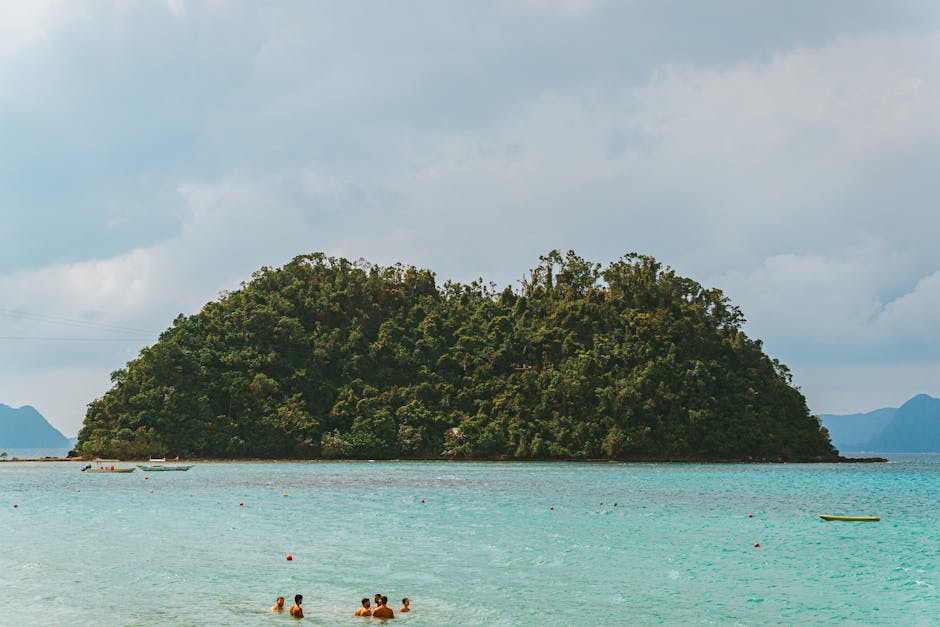
The British Virgin Islands are another favorite, with calm waters perfect for sailing. Islands like Tortola, Jost Van Dyke, and Virgin Gorda offer a mix of nightlife, hiking, and beach lounging.
Ferries and charter boats are common, but schedules can be limited. Book inter-island transport in advance, especially during hurricane season (June to November).
Thailand’s Andaman Coast: Tropical Adventure
Phuket, Krabi, and the surrounding islands offer some of Southeast Asia’s most iconic scenery. Railay Beach, accessible only by boat, is famous for rock climbing and sunset views.
Island hopping here often involves longtail boats or speedboats. Popular stops include Koh Phi Phi, Koh Lanta, and the quieter Koh Jum. Each offers different vibes—Phi Phi is lively, while Jum is peaceful and undeveloped.
Monsoon season (May to October) can disrupt travel plans. Check weather conditions before booking.
How to Plan Your Island Hopping Itinerary
Successful island hopping requires more than just picking a few islands. It’s about timing, logistics, and balancing adventure with relaxation.
Step 1: Choose Your Region Based on Interests
Start by identifying what you want from your trip. Are you looking for nightlife, diving, cultural experiences, or total solitude? Your answer will guide your destination choice.
For example, if you love snorkeling, prioritize destinations with healthy coral reefs like the Philippines or the Caribbean. If you prefer historic towns, the Greek islands offer centuries-old architecture and ruins.
Step 2: Map Out a Logical Route
Plot your islands on a map and arrange them in a sequence that minimizes backtracking. This saves time and money on transportation.
For instance, in Greece, you might fly into Athens, take a ferry to Paros, then hop to Naxos, and end in Santorini before flying home. This avoids unnecessary return trips.
Step 3: Book Transport in Advance
Ferries, flights, and boat transfers fill up quickly, especially in peak season. Reserve tickets early, particularly for popular routes like Santorini to Mykonos or Phuket to Koh Phi Phi.
Consider multi-stop ferry passes where available. In Greece, the Islandhopping ticket by Hellenic Seaways allows travel on multiple routes at a discounted rate.
Step 4: Pack Smart for Island Life
Light, versatile clothing is key. Bring quick-dry fabrics, reef-safe sunscreen, and water shoes for rocky shores. A compact dry bag protects electronics during boat rides.
Don’t forget a power bank—many islands have limited charging options. Also, pack a reusable water bottle to reduce plastic waste.
Step 5: Allow Flexibility in Your Schedule
Weather, ferry delays, and spontaneous discoveries can disrupt even the best-laid plans. Build in at least one free day per week to relax or extend a stay on a favorite island.
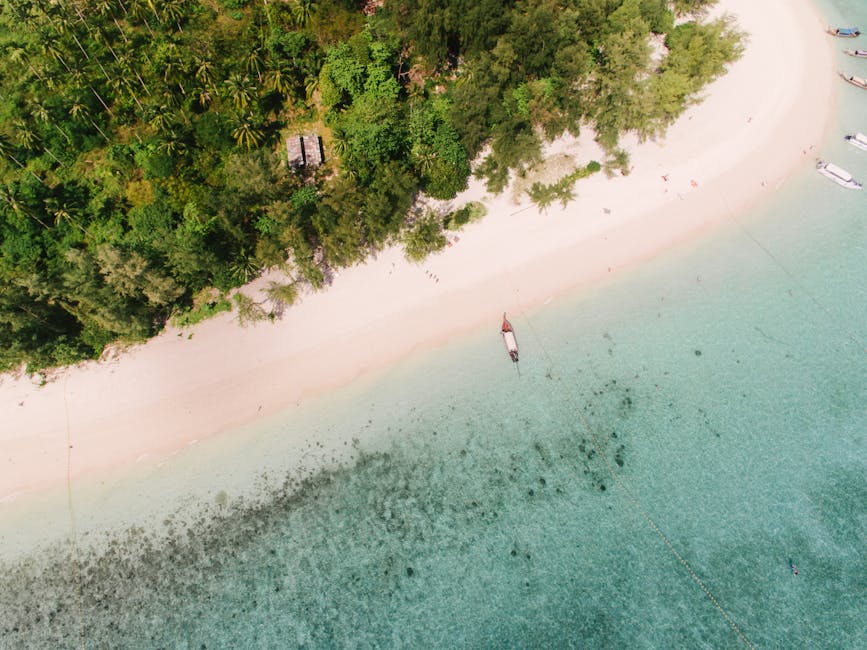
Flexibility also lets you respond to local advice. A fisherman might suggest a hidden beach only accessible at low tide—something no guidebook covers.
Practical Tips for Smooth Island Hopping
Even with careful planning, island travel has its quirks. These tips will help you navigate common challenges.
Understand Local Transportation Options
Each destination has its own system. In Greece, ferries are the main link between islands. In the Philippines, you might use a combination of planes, ferries, and tricycles.
Research whether tickets can be purchased online or only at the port. Some remote islands require cash-only payments, so carry local currency.
Respect Local Cultures and Environments
Many islands have strong traditions and environmental protections. Dress modestly when visiting religious sites, and avoid touching coral reefs while snorkeling.
Support local economies by eating at family-run restaurants and buying handmade crafts. Avoid single-use plastics, especially in marine environments.
Stay Connected (or Don’t)
Internet access varies widely. Resorts and tourist hubs usually have Wi-Fi, but remote islands may have none. Download offline maps and translation apps before you go.
Embrace the digital detox. Part of island hopping’s charm is disconnecting and being present.
Hidden Gems for Off-the-Beaten-Path Island Hopping
While popular islands draw crowds, lesser-known spots offer authenticity and tranquility. Here are a few under-the-radar destinations worth considering.
Albania’s Ionian Coast
Often overlooked, Albania’s southern coast features rugged cliffs, olive groves, and quiet beaches. The islands of Sazan and Ksamil offer clear waters and fewer tourists than nearby Greece.
Ferry connections from Sarandë make it easy to explore. Combine island hopping with visits to ancient Butrint or the UNESCO town of Gjirokastër.
Indonesia’s Gili Islands
Just off Lombok, the Gili Islands—Gili Trawangan, Gili Meno, and Gili Air—offer a relaxed vibe with no cars allowed. Snorkeling with sea turtles is a highlight.
Hop between islands via short boat rides. Gili T is livelier, while Meno is quiet and romantic. Perfect for a mix of fun and relaxation.
New Zealand’s Bay of Islands
In the northern part of New Zealand’s North Island, the Bay of Islands features over 140 subtropical islands. Ideal for sailing, kayaking, and dolphin watching.
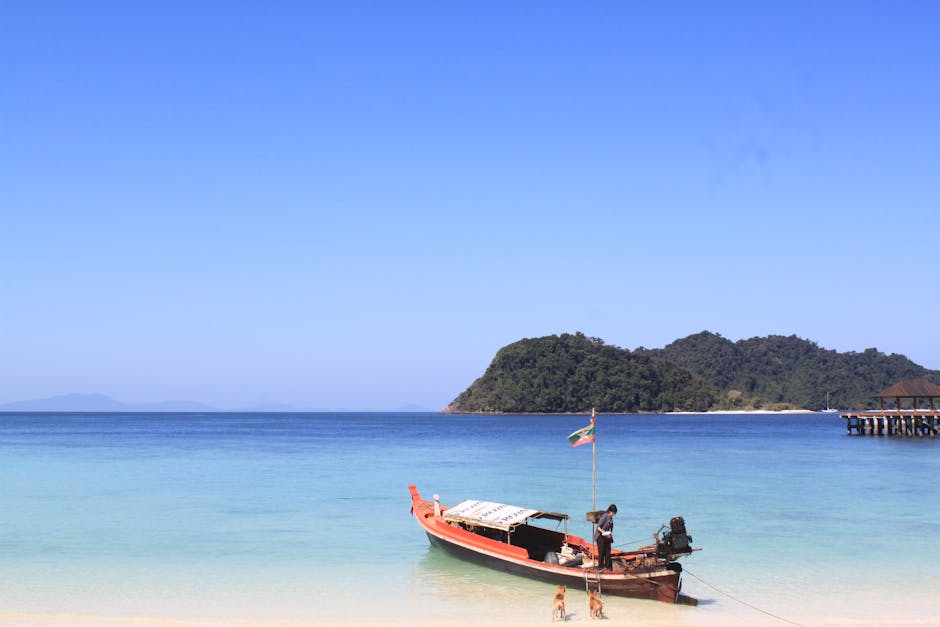
Base yourself in Paihia and take day trips to islands like Urupukapuka or Roberton Island. Great for nature lovers and those seeking a cooler climate.
Safety and Sustainability Considerations
Island environments are fragile, and safety should always come first. Take precautions to protect yourself and the places you visit.
Be Weather-Wise
Sudden storms can make sea travel dangerous. Always check marine weather forecasts before boarding a boat. Avoid traveling during monsoon or hurricane seasons.
Carry a waterproof jacket and know the location of the nearest shelter on each island.
Protect Marine Life
Use reef-safe sunscreen to prevent coral damage. Never feed or touch marine animals. Choose tour operators with eco-certifications.
Support marine conservation by avoiding souvenirs made from coral, shells, or endangered species.
Travel Insurance Is a Must
Island hopping increases the risk of missed connections, cancellations, and medical emergencies. Comprehensive travel insurance covers trip interruptions, medical care, and gear loss.
Ensure your policy includes water activities like snorkeling or kayaking. Some remote islands have limited medical facilities.
Final Thoughts: Making the Most of Your Island Adventure
Island hopping is more than a travel trend—it’s a lifestyle. It encourages curiosity, adaptability, and a deeper connection to nature and culture.
With the right planning, you can design a trip that balances adventure and relaxation, luxury and authenticity. Whether you’re sipping ouzo in Santorini, diving in Palawan, or sailing the BVIs, each island adds a new chapter to your story.
Start small if you’re new to island travel. A three-island loop over 10 days is manageable and rewarding. As you gain confidence, expand your routes and embrace longer journeys.
FAQ
What is the best time of year for island hopping?
The ideal time depends on the region. In the Mediterranean, late spring (May–June) and early fall (September–October) offer pleasant weather and fewer crowds. In Southeast Asia, the dry season (November–April) is best. Always avoid hurricane or monsoon seasons.
Do I need a passport for island hopping?
It depends on your citizenship and destination. Domestic island hopping (e.g., within Greece or the Philippines) may not require a passport. International trips always do. Check visa requirements for each country you plan to visit.
How much does island hopping cost?
Costs vary widely. Budget travelers can island hop in Southeast Asia for $30–$50 per day. Luxury trips in the Maldives or Caribbean can cost $500+ per day. Factor in accommodation, transport, food, and activities when planning your budget.