
Top Travel Tips for Finding Hidden Local Attractions
Travelers often flock to famous landmarks and crowded tourist spots, missing out on authentic local experiences. The best way to discover a destination’s true character is by seeking out hidden local attractions—those quiet parks, family-run eateries, historic alleys, and community events that rarely appear in guidebooks. These lesser-known gems offer richer cultural insights, fewer crowds, and often, better value. With the right strategies, you can uncover these secret spots and transform your trip into a more personal and memorable journey.
Whether you’re exploring a bustling city or a quiet countryside town, knowing where and how to look makes all the difference. This guide shares practical, field-tested tips to help you find hidden local attractions on your next adventure. From talking to residents to using under-the-radar digital tools, these methods will help you go beyond the typical itinerary.
Talk to Locals—They Know Best
One of the most reliable ways to find hidden attractions is by asking people who live in the area. Locals frequent places that aren’t on tourist maps, from a tucked-away café with the best pastries to a riverside trail perfect for sunrise walks. Don’t hesitate to strike up a conversation—whether it’s at a market, a bus stop, or your hotel front desk.
Start with open-ended questions like, “What’s your favorite spot to relax on a Sunday?” or “Where do you go when you want to escape the crowds?” These questions often lead to personal recommendations that reflect genuine local life. For example, in Lisbon, a taxi driver once pointed me to a small tiled chapel in a residential neighborhood that turned out to be a 17th-century treasure unknown to most visitors.
Engage with Service Workers
Hotel staff, bartenders, shopkeepers, and tour guides often have insider knowledge. They interact with both locals and travelers daily and can suggest offbeat spots based on your interests. A barista might recommend a nearby art collective that hosts weekly open studios, or a bookstore clerk could point you to a hidden garden behind a historic library.
When speaking with service workers, be specific about what you’re looking for—whether it’s nature, history, food, or art. This helps them tailor their suggestions. In Kyoto, a ryokan owner shared directions to a moss garden tucked behind a temple, accessible only through a narrow path locals use for morning walks.
Join Community Events and Markets
Local festivals, farmers’ markets, and neighborhood gatherings are excellent opportunities to meet residents and learn about hidden attractions. These events often highlight nearby landmarks, pop-up exhibitions, or seasonal traditions. Attending a weekly market in Barcelona’s Gràcia district, for instance, led me to a centuries-old fountain tucked behind a row of apartments—now one of my favorite quiet spots in the city.
Check local bulletin boards, community centers, or social media groups for upcoming events. Even if you don’t understand the language, showing interest and respect goes a long way in building connections.
Use Niche Online Resources
While mainstream travel sites highlight popular destinations, niche platforms and local blogs often spotlight hidden gems. These resources are maintained by passionate locals or experienced travelers who value authenticity over mass appeal. A blog post about “secret beaches in Croatia” or a forum thread on “underrated hiking trails in Oregon” can lead you to places untouched by tourism.
Look for blogs written by long-term residents or expats—they often share detailed guides to lesser-known spots. In addition, forums like Reddit’s r/travel or regional subreddits (e.g., r/AskBangkok or r/TravelJapan) are goldmines for firsthand advice. A recent post in r/MexicoCity recommended a mural-covered alley in the Roma Norte neighborhood that’s now a must-see on my list.
Explore Local Social Media
Instagram, Facebook, and TikTok can be powerful tools for discovering hidden attractions—if you know where to look. Search location tags or hashtags specific to neighborhoods rather than the city as a whole. For example, instead of searching #Paris, try #BellevilleParis or #CanalSaintMartin to find posts from locals showcasing their favorite spots.
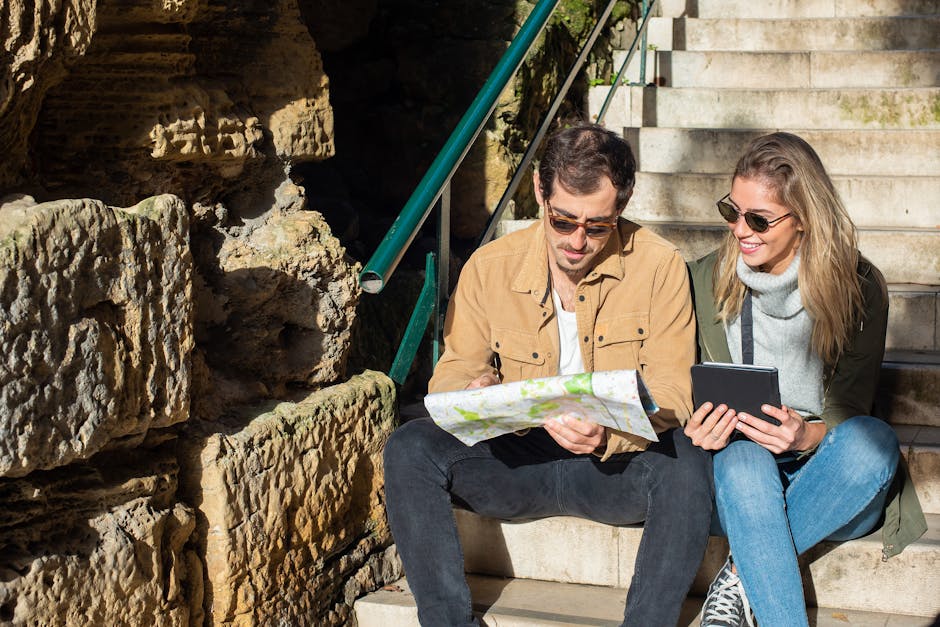
Follow local photographers, food bloggers, or cultural organizations. They often post about pop-up exhibitions, street art, or seasonal events before they gain wider attention. In Melbourne, a local Instagrammer highlighted a hidden laneway bar that’s only accessible through a bookstore—now a highlight of my trip.
Check Out Independent Travel Guides
Independent travel guides—whether in print or digital form—often focus on authenticity over commercial appeal. Look for city-specific zines, self-published e-books, or small-press guidebooks. These are frequently written by writers who’ve spent months or years in the destination and prioritize depth over breadth.
For example, “The Unofficial Guide to Lisbon’s Hidden Courtyards” is a downloadable PDF created by a local historian. It lists over 30 tucked-away squares, many with centuries-old fountains and resident cats—perfect for a quiet afternoon break.
Walk or Bike Instead of Relying on Transport
One of the simplest ways to stumble upon hidden attractions is by moving slowly through a neighborhood. Walking or biking allows you to notice details that buses or taxis would miss—like a mural-covered wall, a small shrine, or a family-run shop with a hand-painted sign.
In cities like Amsterdam or Copenhagen, biking is not only efficient but also a great way to explore residential areas. I once took a wrong turn in Amsterdam’s Jordaan district and discovered a tiny courtyard filled with potted plants and a community book exchange—now a regular stop on my walks.
Take the Less-Traveled Path
When navigating, avoid always following the main roads or GPS suggestions. Instead, take side streets, alleyways, or footpaths. These routes often lead to quiet parks, historic buildings, or local gathering spots. In Prague, wandering down a cobblestone alley behind the main square led me to a hidden courtyard with a 14th-century well and a small café run by a local artist.
Be mindful of private property and local customs. Not all alleys or paths are meant for public access, so observe signage and behave respectfully.
Use Public Transit to Explore New Areas
Public transportation can take you to neighborhoods that aren’t on typical tourist routes. Ride a local bus or tram to the end of the line and explore what’s nearby. In Tokyo, taking a local train to the Tama district revealed a riverside park with cherry blossoms and a small shrine—far from the crowds of Ueno Park.
Even if you don’t speak the language, transit maps and station signs are usually intuitive. Use a translation app if needed, and don’t be afraid to ask for help—many transit staff are happy to assist.
Visit During Off-Peak Times
Timing can make a big difference in discovering hidden attractions. Visiting popular areas early in the morning, late in the evening, or during the off-season increases your chances of finding quiet, authentic spots. Many locals visit parks, cafes, or viewpoints during these times, giving you a glimpse into daily life.
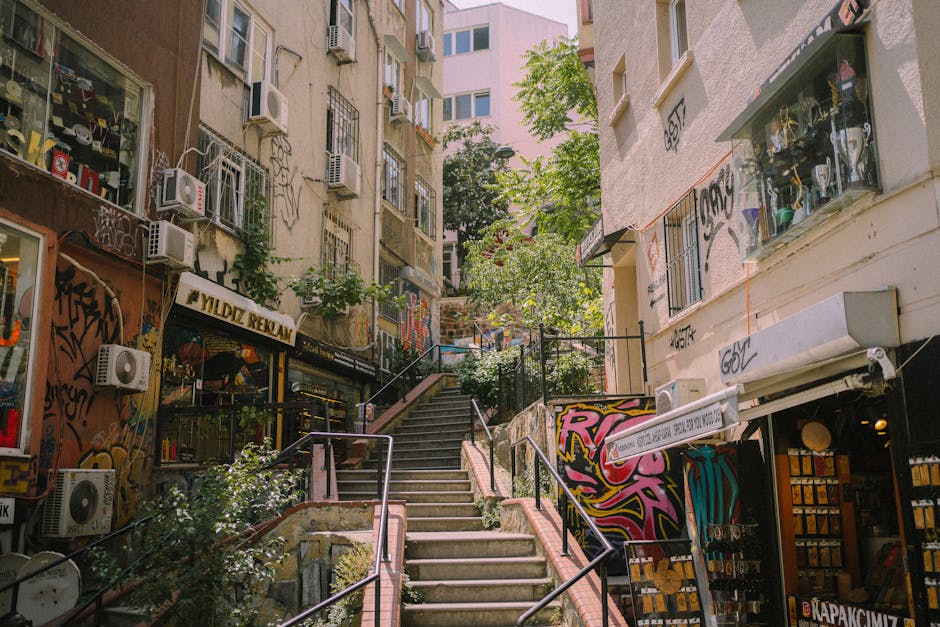
For example, arriving at a famous plaza at sunrise often reveals a different side of the location—fewer tourists, softer light, and sometimes local rituals like tai chi or street musicians setting up. In Rome, visiting the Trastevere neighborhood at 7 a.m. showed me a bustling market and quiet streets, a stark contrast to the evening crowds.
Avoid Tourist Hotspots at Peak Hours
While some landmarks are worth seeing, visiting them during peak hours can make it hard to experience the local atmosphere. Instead, go early or late, or explore nearby areas that benefit from the same charm without the crowds. In Barcelona, instead of fighting the midday rush at La Boqueria, I visited a smaller market in the Poblenou district—just as vibrant, but with more space to browse.
This approach also applies to natural attractions. Hiking a popular trail at dawn not only offers solitude but also better wildlife sightings and photography light.
Look for Local Art and Cultural Spaces
Art galleries, independent theaters, and cultural centers often serve as gateways to hidden attractions. These spaces are frequently located in repurposed buildings—old factories, schools, or warehouses—that themselves have historical or architectural value. They also tend to attract creative locals who can offer recommendations.
In Berlin, a visit to a small gallery in Kreuzberg led to a conversation about a nearby abandoned train station turned into a community garden. It’s now one of the city’s best-kept secrets.
Attend Local Performances or Workshops
Check community boards or local event listings for free or low-cost performances, workshops, or talks. These events often take place in unique venues—churches, community centers, or even private homes. Participating not only supports local artists but also connects you with residents who share your interests.
In Oaxaca, Mexico, I joined a free weaving workshop hosted by a local cooperative. The session was held in a courtyard behind a textile shop, and the host later showed me a hidden mural depicting indigenous legends—only visible from that alley.
Be Observant and Curious
Sometimes, the best hidden attractions are found simply by paying attention. Look for recurring patterns—like a string of bicycles parked outside a nondescript building, or a line of locals waiting at a small storefront. These clues often indicate a popular local spot.
Notice architectural details, street names, or historical markers. A plaque on a building might hint at a forgotten story, or a unique doorway could lead to a courtyard garden. In Edinburgh, a carved stone above a doorway led me to a hidden close with a 16th-century well and a resident cat that greeted visitors daily.
Keep a Travel Journal
Documenting your observations helps you remember details and notice patterns. Note down interesting places you pass, even if you don’t visit them immediately. Later, you can research or return to explore further. A journal also helps you reflect on what makes a place feel authentic to you.
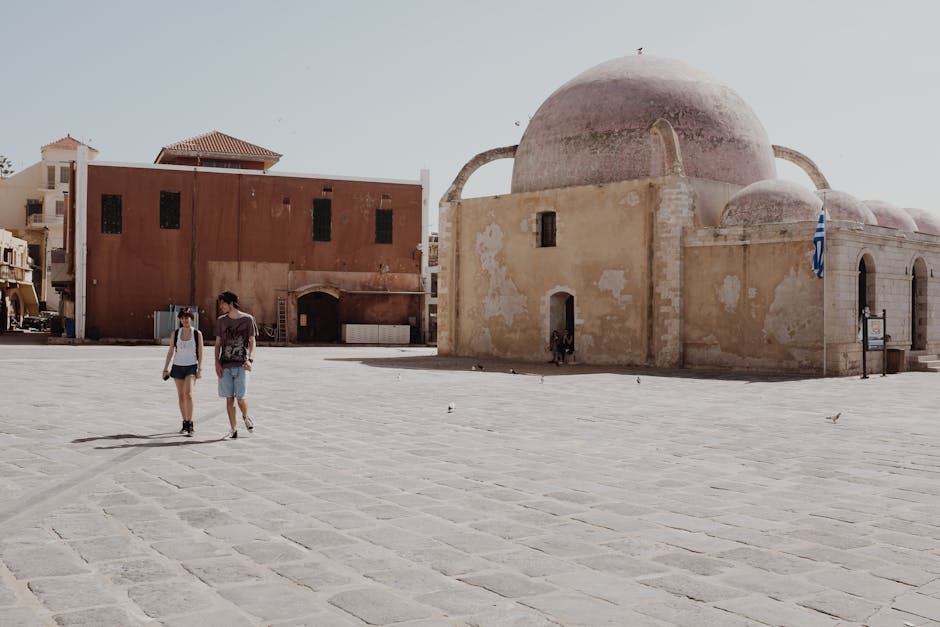
Include sketches, photos, or ticket stubs to make your notes more vivid. Over time, this habit enhances your ability to spot hidden gems in any destination.
Respect Local Culture and Environment
When visiting hidden attractions, remember that you’re a guest in someone’s community. Be respectful of local customs, dress codes, and quiet hours. Avoid loud behavior, littering, or taking photos of people without permission.
In some cultures, certain sites are sacred or private. For example, in parts of Japan, small roadside shrines are meant for quiet reflection, not photo opportunities. Observing local behavior and following suit shows respect and helps preserve these spaces for future visitors.
Leave No Trace
Whether you’re hiking a remote trail or exploring a neighborhood alley, leave the area as you found it. Carry out all trash, avoid damaging plants or structures, and stay on designated paths when possible. Hidden attractions are often fragile and can be damaged by overuse.
By traveling responsibly, you help ensure these special places remain accessible and enjoyable for locals and future travelers.
FAQ
How can I find hidden attractions without speaking the local language?
Use translation apps, gesture politely, and carry a printed phrase asking for recommendations. Many locals appreciate the effort and will go out of their way to help. Visual tools like maps or photos can also bridge communication gaps.
Are hidden local attractions safe to visit?
Most are safe, but always use common sense. Avoid isolated areas at night, stay aware of your surroundings, and trust your instincts. Research the neighborhood beforehand and consider visiting with a local guide if unsure.
Can I find hidden attractions in popular tourist cities?
Absolutely. Even in cities like Paris, Tokyo, or New York, neighborhoods just a few blocks from major attractions often hold quiet parks, local cafes, and cultural spots unknown to most visitors. The key is to explore beyond the main tourist zones.