
Travel Tips for Carrying Valuables More Safely Abroad
Traveling abroad is exciting—but it comes with risks, especially when carrying valuables like passports, cash, electronics, and jewelry. Theft, loss, and scams are common in tourist-heavy areas, and recovering stolen items can be costly and time-consuming. To protect your belongings, adopt smart habits before and during your trip. This guide covers practical, field-tested strategies to keep your valuables secure, from choosing the right gear to avoiding common traps. Whether you’re backpacking through Europe or on a business trip in Asia, these travel tips will help you stay one step ahead of opportunistic criminals.
Plan Ahead: Prepare Before You Pack
Preparation is the foundation of safe travel. Start by minimizing what you bring. Only carry essential valuables—leave expensive jewelry, unnecessary credit cards, and sentimental items at home. Make digital copies of important documents like your passport, visa, and travel insurance. Store them securely in cloud storage or email them to yourself.
Notify your bank and credit card companies of your travel dates and destinations. This prevents sudden card freezes due to suspicious activity. Consider using a dedicated travel credit card with no foreign transaction fees and strong fraud protection. Also, check if your cards work internationally—some older chip-and-signature cards aren’t accepted everywhere.
Choose the Right Travel Gear
Invest in quality anti-theft gear. A money belt worn under your clothes is ideal for storing cash, cards, and your passport. Look for models made of breathable, quick-dry fabric that sit flat against your skin. Avoid bulky designs that are uncomfortable or obvious.
For day-to-day use, use a crossbody bag with slash-resistant straps and hidden zippers. Brands like Pacsafe and Travelon offer bags with RFID-blocking pockets to protect against electronic pickpocketing. If you’re carrying a backpack, choose one with lockable zippers and a discreet design that doesn’t scream “tourist.”
Secure Your Electronics
Laptops, cameras, and smartphones are prime targets. Never leave them unattended, even for a moment. Use a laptop lock in hotel rooms or libraries. Enable Find My Device (Android) or Find My iPhone features so you can track or remotely wipe your device if stolen.
Consider traveling with a cheap burner phone instead of your primary device. This reduces risk if it’s lost or stolen. Always use strong, unique passwords and two-factor authentication on all accounts. Avoid public Wi-Fi for sensitive transactions—use a reputable VPN if necessary.
Stay Alert in Public Spaces
Tourist areas, public transportation, and crowded markets are hotspots for theft. Pickpockets often work in teams, using distractions like arguments, spilled drinks, or fake petitions to divert your attention. Stay aware of your surroundings and keep your bag in front of you in crowds.
Avoid flashing valuables. Don’t pull out wads of cash to pay for a coffee. Keep your phone in your pocket when not in use. If you must use it, step aside from foot traffic and stay alert. In some cities, thieves on motorbikes snatch phones and bags from pedestrians—be especially cautious near curbs.
Use Hotel Safes Wisely
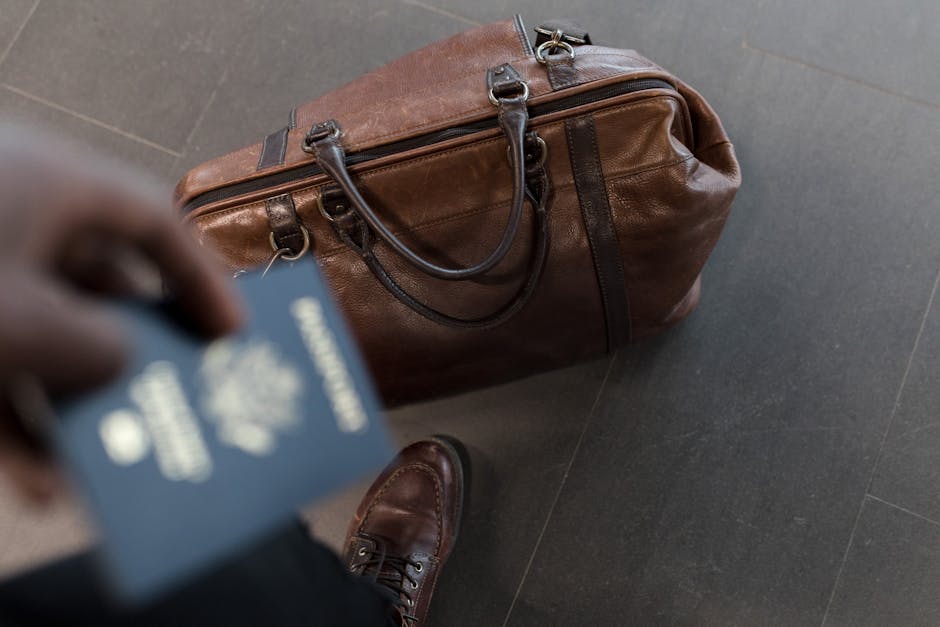
Most hotels offer in-room safes, but they’re not foolproof. Some can be opened with default codes like “0000” or “1234.” Always change the code and test it. Store your passport, extra cash, and backup cards here when not needed.
For added security, use the front desk safe for high-value items. While not always convenient, it’s often more secure than in-room options. Never leave valuables in checked luggage or unattended in lobbies. Housekeeping isn’t always trustworthy, and bags left in hallways are easy targets.
Avoid Common Scams
Scammers often target distracted or confused tourists. One common tactic: someone drops a ring or wallet and claims it’s yours. When you bend to pick it up, an accomplice grabs your bag. Another scam involves “helpful” strangers offering to carry your luggage or guide you—then demanding payment or stealing your belongings.
Be wary of overly friendly locals inviting you to bars or private tours. These can lead to inflated bills or theft. Always verify prices beforehand and use official taxi services or ride-sharing apps. If something feels off, trust your instincts and walk away.
Manage Cash and Cards Strategically
Carrying large amounts of cash is risky. Withdraw only what you need from ATMs in secure locations—inside banks or well-lit, busy areas. Avoid standalone ATMs in alleys or train stations late at night. Cover the keypad when entering your PIN and check for skimming devices.
Use a mix of payment methods. Carry a primary credit card, a backup debit card, and a small amount of local cash. Keep them in separate places. If one is lost or stolen, you still have alternatives. Prepaid travel cards are another option—they limit exposure and can be replaced if compromised.
Protect Your Passport
Your passport is irreplaceable abroad. Carry it only when necessary—such as at borders, hotels, or police stations. Otherwise, leave it in a secure location. Always have a photocopy or digital scan with you as ID. In some countries, local law requires you to carry identification at all times—check regulations before you go.
If your passport is lost or stolen, report it immediately to local police and your country’s embassy or consulate. They can issue an emergency travel document. Keep embassy contact information handy, including after-hours numbers.
Use Technology to Your Advantage
Modern tools can significantly improve your safety. Install tracking apps like Tile or Apple AirTag on key items. These can help locate lost bags or wallets within Bluetooth range. Some luggage now comes with built-in GPS trackers.
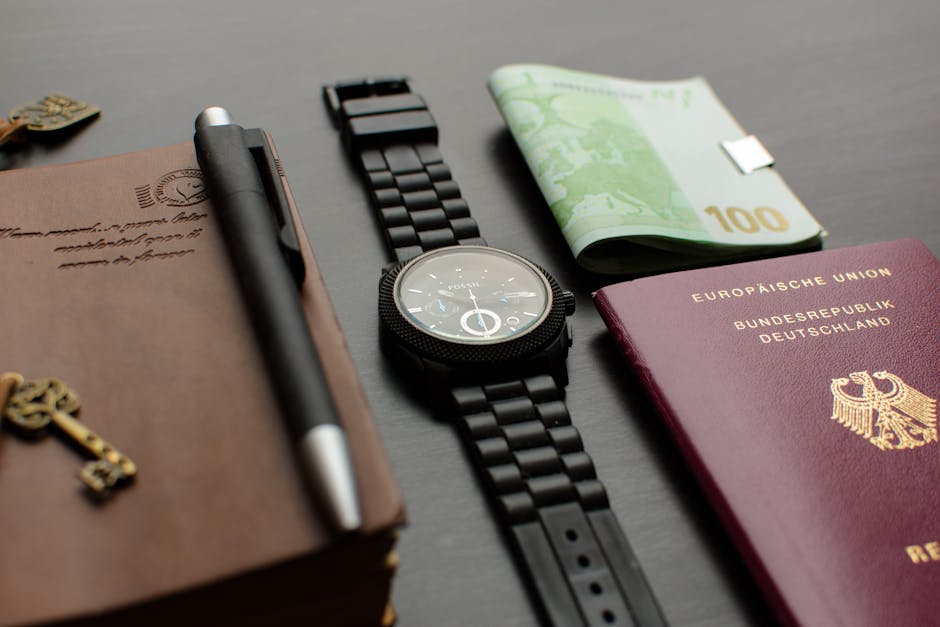
Use apps that alert you to local scams or high-risk areas. Google Maps can save offline maps so you don’t need constant data. Enable location sharing with a trusted contact back home. This way, someone knows where you are if something goes wrong.
Backup Your Data
Before you leave, back up all photos, documents, and contacts to the cloud or an external drive. This ensures you don’t lose memories or important files if your device is stolen. Use encrypted cloud services for sensitive information.
Consider using a portable hard drive as a physical backup. Store it separately from your main devices. If you’re traveling for work, ensure company data is protected with encryption and remote wipe capabilities.
Know What to Do If You’re Targeted
If you’re robbed, stay calm. Your safety is more important than your belongings. Don’t resist if someone threatens you with violence. Hand over what they want and walk away. Report the incident to local police as soon as possible—you’ll need a report for insurance claims.
Contact your bank and credit card companies immediately to cancel compromised cards. Reach out to your embassy for assistance with replacing documents. Keep receipts for any emergency purchases, as some travel insurance policies cover theft-related expenses.
File an Insurance Claim
Travel insurance can reimburse you for stolen or lost valuables—but only if you follow the rules. Most policies require a police report within 24 hours. Keep all documentation: receipts, police reports, and correspondence with your insurer.
Read your policy carefully. Some exclude high-value items like cameras or jewelry unless they’re specifically listed. Consider purchasing additional coverage for expensive gear. Always declare items over a certain value when booking your policy.
Cultural Awareness Matters
Different countries have different norms around valuables. In some places, visible wealth attracts attention. Dress modestly and avoid flashy accessories. In others, carrying a bag on your back is seen as careless—locals may assume it’s easy to steal from.
Learn a few key phrases in the local language, such as “help,” “call the police,” or “I’ve been robbed.” This can speed up assistance in an emergency. Observe how locals carry their belongings and mimic their habits.
Regional Risks to Consider
Some destinations have higher theft rates. In cities like Barcelona, Rome, and Bangkok, pickpocketing is rampant in tourist zones. In parts of Latin America, armed robbery is a concern—avoid walking alone at night. Research your destination’s safety profile before you go.
Check government travel advisories from sources like the U.S. Department of State or UK Foreign Office. They provide up-to-date information on crime, scams, and political instability. Register your trip with your embassy if recommended.
Final Checklist Before You Go
Use this quick checklist to ensure you’re prepared:
- Make digital copies of passport, visa, and insurance
- Notify banks and enable travel alerts
- Pack a money belt and anti-theft bag
- Set up device tracking and cloud backups
- Carry only essential valuables
- Research local scams and safety tips
- Know your embassy’s contact information
FAQ
Should I carry my passport with me at all times?
Only when required—such as at borders, hotels, or police stations. Otherwise, store it securely in your hotel safe. Carry a photocopy or digital scan for identification.
Is it safe to use ATMs abroad?
Yes, but use caution. Choose ATMs inside banks or busy, well-lit areas. Cover your PIN, check for skimming devices, and withdraw only what you need.
What should I do if my wallet is stolen?
Report it to local police immediately, then contact your bank and credit card companies to cancel cards. Reach out to your embassy if your passport was also stolen.