
Ultimate Beach and Island Travel Guide to Seaside Days
Planning the perfect beach getaway means more than just packing sunscreen and a swimsuit. This ultimate beach and island travel guide covers everything you need to know—from choosing the right destination and timing your trip to packing smart and staying safe under the sun. Whether you’re dreaming of turquoise waters, white-sand coves, or hidden island escapes, this guide delivers practical advice to help you make the most of your seaside days. With expert tips on accommodations, activities, and local etiquette, you’ll travel confidently and responsibly.
Choosing the Right Beach or Island Destination
Not all beaches are created equal. Your ideal destination depends on what you’re looking for: relaxation, adventure, family-friendly shores, or romantic seclusion. Consider climate, crowd levels, accessibility, and local infrastructure before booking.
For calm waters and soft sand, destinations like the Maldives, Bora Bora, and the Greek Islands offer postcard-perfect settings. If you prefer snorkeling or surfing, look to Costa Rica’s Pacific coast, Hawaii’s North Shore, or Australia’s Gold Coast. Families often enjoy the gentle waves and amenities of Florida’s Gulf Coast or Spain’s Costa del Sol.
Best Times to Visit Popular Beach Destinations
Timing can make or break your trip. Avoid peak tourist seasons if you want fewer crowds and lower prices. In the Caribbean, December to April offers dry, sunny weather, but prices are highest. May and November are shoulder months with fewer tourists and better deals.
In Southeast Asia, November to March is ideal for Thailand and the Philippines, while June to September works better for Indonesia’s Bali. Always check regional monsoon patterns—rainy seasons can bring heavy downpours and rough seas.
Hidden Gems vs. Tourist Hotspots
Popular beaches like Santorini’s Red Beach or Maldives’ Maafushi draw crowds for good reason—they’re stunning. But consider lesser-known alternatives for a more authentic experience. Try El Nido in the Philippines instead of Boracay, or Isla Holbox over Cancún’s packed shores.
Hidden gems often offer better value, fewer tourists, and a stronger connection to local culture. Research local travel blogs or ask locals for recommendations once you arrive.
How to Plan Your Beach Trip Step by Step
Start planning at least two to three months in advance, especially for international destinations. Begin by setting a budget that includes flights, accommodations, food, activities, and emergency funds.
Book flights early for better prices, and consider flying midweek for savings. Use fare comparison tools like Google Flights or Skyscanner to track price trends. Once flights are secured, reserve accommodations—especially in high-demand areas where beachfront villas or boutique hotels fill up fast.
Accommodation Options: Resorts, Villas, and Eco-Lodges
Beach resorts offer convenience with on-site dining, pools, and organized activities. All-inclusive packages can simplify budgeting but may limit local exploration. Boutique hotels and private villas provide more privacy and personalized service.
Eco-lodges are ideal for environmentally conscious travelers. Places like Costa Rica’s Lapa Rios or Fiji’s Matamanoa Island Resort blend comfort with sustainability, using solar power, rainwater harvesting, and local materials.
Transportation and Getting Around
Research local transportation before you go. In many island destinations, renting a scooter or car gives you freedom to explore. In places like the Bahamas or the Greek Isles, ferries connect islands efficiently.
Always verify driver’s license requirements and insurance coverage. In some countries, international permits are mandatory. Public transit may be limited, so plan accordingly.
Packing Essentials for Beach and Island Travel
Smart packing prevents stress and saves space. Focus on lightweight, quick-dry clothing, sun protection, and versatile gear. Roll clothes instead of folding to save room and reduce wrinkles.
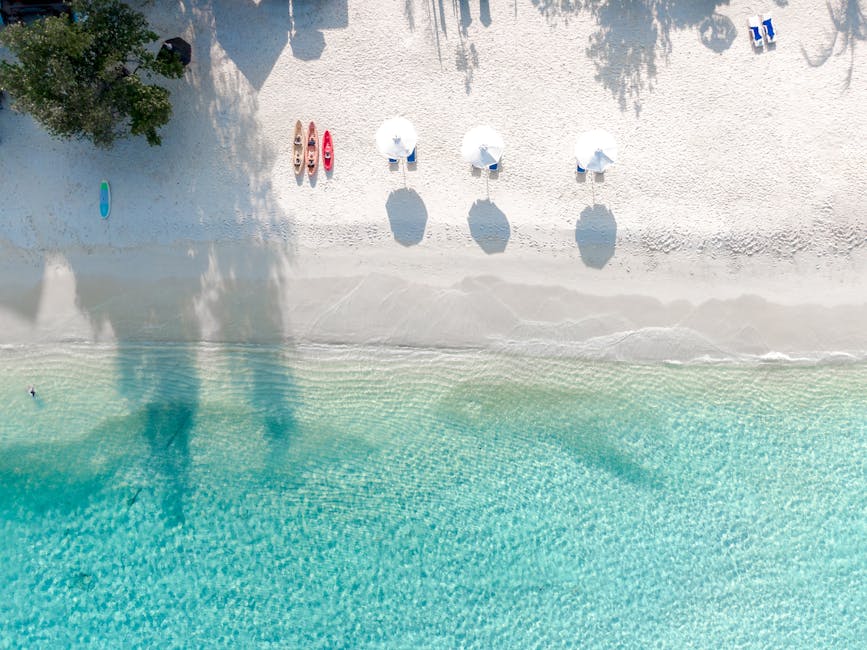
Essential items include a wide-brimmed hat, UV-blocking sunglasses, reef-safe sunscreen, and a reusable water bottle. Pack a waterproof phone case or dry bag for water activities.
Sun Protection and Skin Care
Sunscreen is non-negotiable. Use broad-spectrum SPF 30 or higher and reapply every two hours—especially after swimming or sweating. Opt for mineral-based, reef-safe formulas to protect marine ecosystems.
Bring aloe vera gel for sunburn relief and moisturizer to combat dry, salty air. Lip balm with SPF prevents chapped lips, a common issue in tropical climates.
Beach Gear and Accessories
A lightweight beach towel, foldable mat, or inflatable lounger adds comfort. Consider a portable sunshade or pop-up tent for extended beach days. Noise-canceling headphones or a waterproof speaker enhance relaxation.
Don’t forget a small first-aid kit with bandages, antiseptic wipes, and motion sickness medication. Insect repellent is crucial in tropical regions where mosquitoes carry diseases like dengue or Zika.
Top Activities for Seaside Days
Beach days aren’t just about sunbathing. Mix relaxation with adventure to keep your trip dynamic. Try snorkeling in coral reefs, paddleboarding in calm lagoons, or kayaking through mangrove forests.
Many islands offer guided tours—look for eco-friendly operators that follow local conservation guidelines. In the Philippines, island-hopping tours in Palawan reveal hidden lagoons and limestone cliffs. In the Caribbean, catamaran cruises often include snorkeling stops and beach barbecues.
Water Sports and Adventure
Surfing lessons are popular in places like Bali, Costa Rica, and Hawaii. Beginners should choose schools with certified instructors and small group sizes. Bodyboarding is a gentler alternative for those new to wave sports.
Scuba diving requires certification, but many resorts offer introductory dives for beginners. Always dive with licensed operators and check equipment thoroughly before entering the water.
Cultural and Nature Experiences
Explore beyond the beach. Visit local markets, try regional cuisine, and attend cultural festivals. In Jamaica, enjoy reggae music and jerk chicken at a beachside shack. In Greece, tour ancient ruins near coastal towns like Nafplio.
Nature lovers can hike coastal trails, birdwatch in wetlands, or take a sunset wildlife cruise. The Galápagos Islands, for example, offer unparalleled opportunities to see sea lions, marine iguanas, and blue-footed boobies up close.
Safety Tips for Beach and Island Travel
Safety should always come first. Rip currents are a leading cause of drowning at beaches. Learn to recognize them—water that looks choppy, discolored, or debris moving seaward may indicate a rip.
If caught in a rip current, don’t swim against it. Swim parallel to the shore until you’re out of the current, then head back to land. Always swim near lifeguard stations when possible.
Sun and Heat Safety
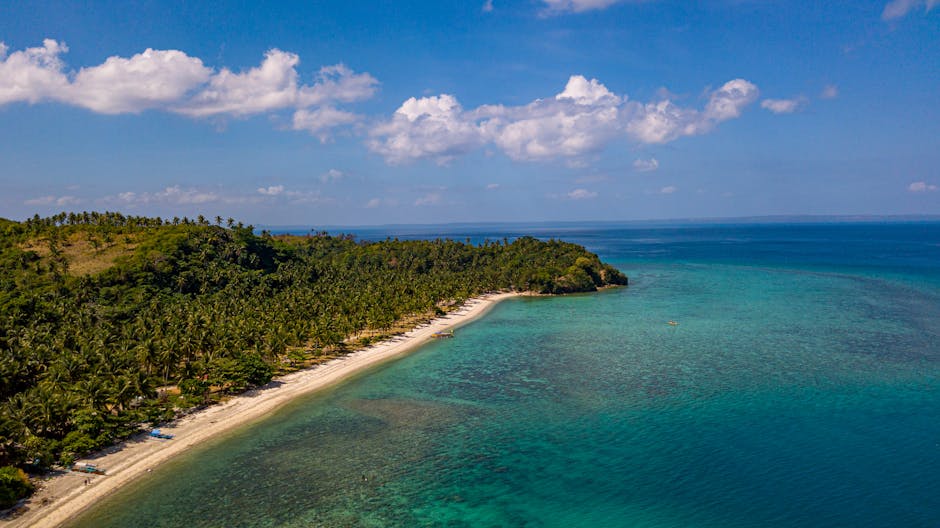
Heat exhaustion and sunstroke are serious risks. Stay hydrated by drinking water regularly, even if you don’t feel thirsty. Avoid alcohol and caffeine, which can dehydrate you faster.
Seek shade during peak sun hours (10 a.m. to 4 p.m.). Wear lightweight, long-sleeved clothing made from UPF fabric for added protection.
Marine Life and Environmental Awareness
Respect marine life. Never touch coral, chase fish, or feed wildlife. Coral reefs are fragile ecosystems—stepping on them can cause irreversible damage.
Avoid single-use plastics. Bring reusable bags, straws, and containers to reduce waste. Support businesses that follow sustainable practices.
Sustainable Travel Practices for Island Destinations
Island ecosystems are especially vulnerable to over-tourism and pollution. Travelers can make a positive impact by choosing eco-certified accommodations and supporting local economies.
Buy souvenirs from local artisans instead of mass-produced goods. Eat at family-run restaurants and use local guides for tours. This keeps money in the community and preserves cultural heritage.
Leave No Trace Principles
Pack out everything you bring in. Even biodegradable items like fruit peels can disrupt local wildlife. Use designated trash and recycling bins.
Stay on marked trails to protect dunes and vegetation. Walking off-path can erode soil and damage plant life that stabilizes shorelines.
Food and Drink Tips for Beach Travel
Local cuisine is a highlight of any beach trip. Try fresh seafood, tropical fruits, and regional specialties. In Thailand, sample pad Thai from a beachside cart. In Mexico, enjoy ceviche with a view of the Pacific.
Drink plenty of water and avoid tap water in countries where it’s not safe. Stick to bottled or filtered water, and be cautious with ice in drinks.
Staying Safe with Food and Water
Choose busy restaurants with high turnover—food is likely fresher. Avoid raw or undercooked meat and seafood if you’re unsure of preparation standards.
Street food can be delicious and safe if handled properly. Look for vendors who cook food fresh in front of you and use clean utensils.
Photography and Capturing Memories
Document your trip without disrupting the experience. Use a waterproof camera or smartphone case for underwater shots. Golden hour—shortly after sunrise or before sunset—offers the best natural lighting.
Respect privacy when photographing people. Always ask permission before taking photos of locals, especially in indigenous communities.
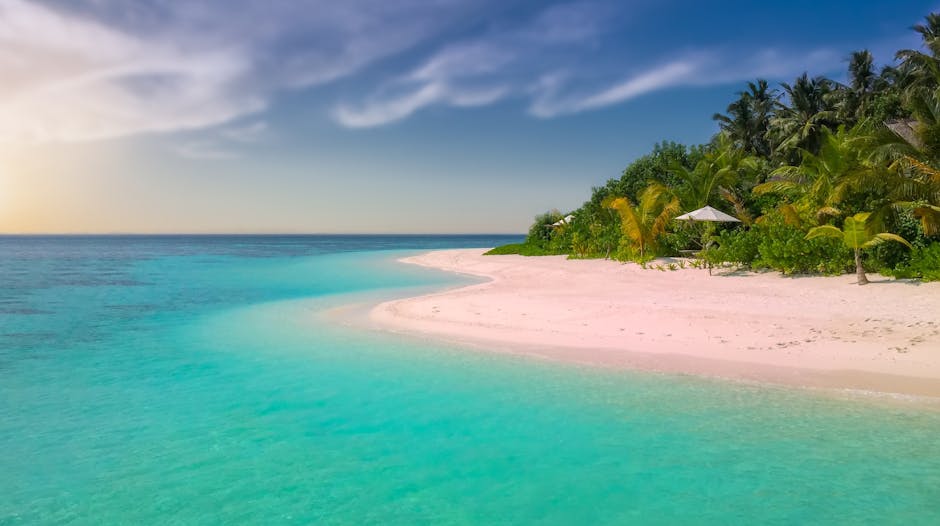
Drone Use and Local Regulations
Drones can capture stunning aerial views, but many countries restrict their use near beaches, airports, or protected areas. Check local laws before flying.
In places like Hawaii and the Galápagos, drone permits are required. Violating rules can result in fines or confiscation of equipment.
Travel Insurance and Emergency Preparedness
Travel insurance is essential, especially for international trips. Choose a plan that covers medical emergencies, trip cancellations, and lost luggage.
Save local emergency numbers and the contact information for your country’s embassy. Keep digital and physical copies of your passport, visa, and insurance documents.
What to Do in Case of Emergency
If you get injured or sick, seek help immediately. Many resorts have on-site medical staff or can arrange transport to a clinic. For serious issues, evacuation may be necessary.
Stay calm and contact your travel insurance provider. They can assist with medical referrals, translation services, and emergency funds.
Final Tips for a Stress-Free Beach Vacation
Flexibility is key. Weather, flight delays, or unexpected closures can happen. Build buffer time into your itinerary and keep a positive mindset.
Unplug when possible. While it’s tempting to share every moment online, disconnecting helps you fully enjoy the present. Designate specific times to check messages.
Above all, embrace the rhythm of island time. Slow down, breathe in the salt air, and let the sound of waves reset your mind.
FAQ
What should I pack for a week-long beach vacation?
Pack lightweight clothing, swimwear, sun protection, a reusable water bottle, waterproof bags, and a first-aid kit. Include reef-safe sunscreen, a hat, sunglasses, and comfortable sandals. Don’t forget chargers, adapters, and any necessary medications.
How can I avoid crowds at popular beach destinations?
Travel during shoulder seasons, visit early in the morning or late afternoon, and explore lesser-known beaches. Consider staying on nearby islands or in quieter towns just a short drive from major attractions.
Is it safe to drink tap water on tropical islands?
It depends on the destination. In many Caribbean and Southeast Asian islands, tap water is not safe to drink. Stick to bottled or filtered water, and avoid ice in drinks unless you’re sure it’s made from purified water.