
Best Adventure Travel Escapes for Mountain Climbers
For mountain climbers seeking their next adrenaline-fueled escape, the world offers a wealth of breathtaking peaks and rugged terrain. Whether you’re drawn to technical ascents, high-altitude challenges, or scenic summit hikes, there’s a destination that matches your skill level and ambition. This guide highlights the best adventure travel escapes for climbers, from iconic summits to hidden alpine gems. Each location includes practical details on difficulty, best climbing seasons, and essential preparation tips—so you can plan your next expedition with confidence.
Why Mountain Climbing Is More Than Just a Hobby
Mountain climbing is a pursuit that blends physical endurance, mental resilience, and a deep connection with nature. Unlike casual hiking, climbing demands technical skills, specialized gear, and a respect for environmental conditions. It’s not just about reaching the top—it’s about the journey, the problem-solving, and the quiet moments above the clouds.
For many climbers, the sport offers a sense of accomplishment that’s hard to replicate. Whether you’re scaling a 5,000-meter peak in the Andes or navigating a technical ridge in the Alps, each climb presents unique challenges. The right destination can elevate your experience, offering not just a physical test but also cultural immersion and awe-inspiring landscapes.
Top 7 Adventure Travel Destinations for Mountain Climbers
1. Mont Blanc, France/Italy
Mont Blanc stands as the highest peak in Western Europe at 4,808 meters. It’s a classic destination for climbers looking to tackle a major alpine summit without venturing into the Himalayas. The standard Gouter Route is popular among guided expeditions, while more experienced climbers may opt for the tougher Goûter Couloir or the Italian side via the Miage Glacier.
The best time to climb is from late June to early September, when weather is most stable. However, even in summer, conditions can change rapidly. Avalanches, rockfall, and sudden storms are real risks. Climbers should be prepared with crampons, ice axes, and a solid understanding of glacier travel.
Permits are required and can be obtained through local guides or the Compagnie des Guides de Chamonix. Due to high traffic, starting early is essential to avoid crowds and ensure safe passage on narrow sections.
2. Denali, Alaska, USA
Denali, formerly known as Mount McKinley, rises to 6,190 meters and is the tallest peak in North America. Its massive base-to-summit rise and extreme weather make it one of the most formidable climbs in the world. Most climbers take 18 to 21 days to complete the West Buttress route, the most popular path.
Climbing season runs from late April to early July. Temperatures can drop below -40°C, and winds often exceed 100 km/h. Proper acclimatization, high-quality cold-weather gear, and a trained team are non-negotiable. The National Park Service requires all climbers to register and carry a satellite communication device.
Denali demands serious preparation. Many climbers spend months training and acclimatizing at lower elevations. Hiring a certified guide service is strongly recommended, especially for first-time Denali aspirants.
3. Mount Kilimanjaro, Tanzania
Kilimanjaro is Africa’s highest peak at 5,895 meters and a favorite among climbers seeking a non-technical high-altitude challenge. Unlike many major peaks, Kilimanjaro can be summited without ropes or ice axes—though altitude sickness remains a major concern.
The Machame and Lemosho routes are preferred for their scenic beauty and higher success rates due to gradual acclimatization. The climbing season spans January to March and June to October, avoiding the rainy months. Even in dry season, temperatures at the summit can plunge below freezing.
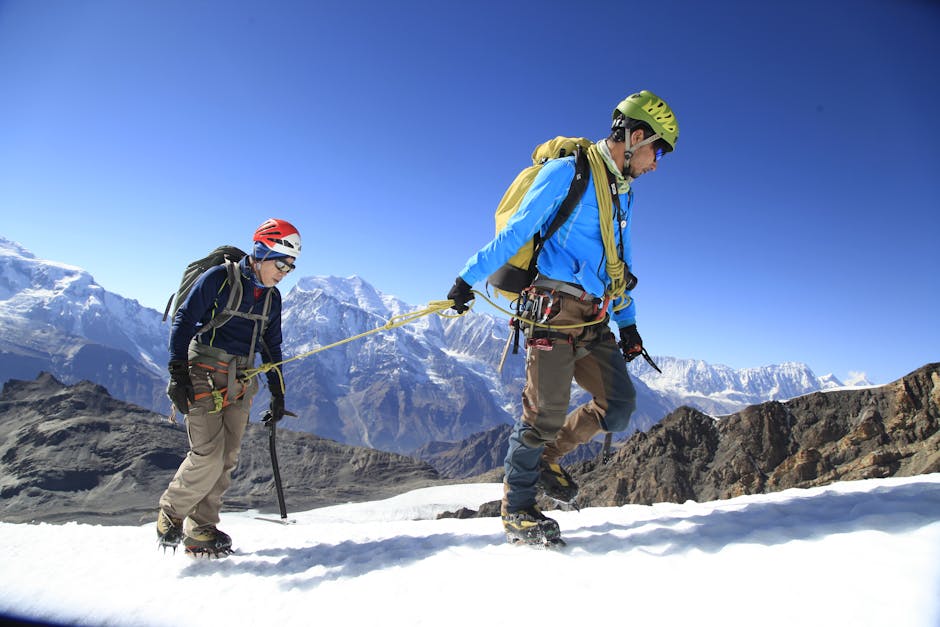
While no technical skills are required, climbers should be in excellent physical condition. Proper hydration, slow ascent, and recognizing symptoms of acute mountain sickness (AMS) are critical. Most guided tours include porters and cooks, making the experience more manageable.
4. Aconcagua, Argentina
Aconcagua towers at 6,961 meters, making it the highest peak outside of Asia. Located in the Andes, it’s a magnet for climbers aiming for one of the Seven Summits. The Normal Route is non-technical but still extremely demanding due to altitude and weather.
The climbing season runs from November to February. Despite the lack of technical climbing, the thin air and unpredictable storms make it a serious undertaking. Climbers must obtain a permit from the Argentine government, which includes a medical certificate and proof of climbing experience.
Many climbers use the “climb high, sleep low” strategy to acclimatize. Supplemental oxygen is not typically used, but some teams carry it as a safety precaution. Base camp services are available, offering tents, meals, and logistical support.
5. The Canadian Rockies, Canada
The Canadian Rockies offer a diverse range of climbing experiences, from multi-pitch trad routes to alpine ice climbs. Peaks like Mount Robson, Mount Columbia, and the Waputik Icefield attract climbers from around the world.
The best climbing months are July and August, when snowpack is stable and days are long. The region is known for its rugged beauty, with turquoise lakes and dense pine forests framing dramatic summits. Technical skills in rock and ice climbing are often required.
Permits are not required for most climbs, but climbers should register with Parks Canada for safety. Weather can shift quickly, and rescue services are limited in remote areas. A well-stocked first-aid kit and knowledge of wilderness first aid are essential.
6. The Dolomites, Italy
The Dolomites are a UNESCO World Heritage site renowned for their striking limestone formations and world-class climbing. Routes like the Tre Cime di Lavaredo and the Via Ferrata system offer everything from beginner-friendly climbs to advanced alpine challenges.
Climbing season runs from June to September. The rock is solid and well-bolted on many routes, making it ideal for sport and trad climbers. The region is also popular for via ferrata, which combine hiking with protected climbing using steel cables and ladders.
Many climbers base themselves in Cortina d’Ampezzo or Dobbiaco, where gear shops, guides, and climbing communities are abundant. The Dolomites are easily accessible by train or car, making them a convenient choice for European climbers.
7. Annapurna Circuit, Nepal
The Annapurna region offers some of the most dramatic alpine scenery on Earth. While not a single peak, the circuit includes climbs like Tharpu Chuli and Singu Chuli, which are ideal for climbers with moderate experience. The area is also home to the famous Thorong La Pass at 5,416 meters.
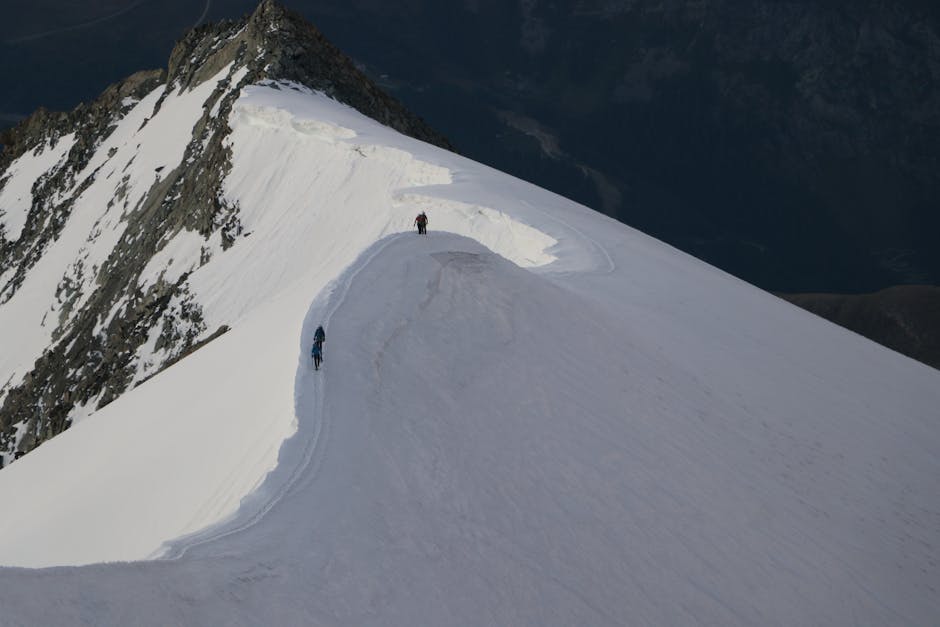
The best time to visit is from October to November and March to April. Monsoon rains make summer climbing dangerous, while winter brings heavy snowfall. Climbers should be prepared for variable weather and high altitude.
Most expeditions include local guides and porters, who are invaluable for navigation and cultural insight. A climbing permit from the Nepal Mountaineering Association is required. The region is rich in Tibetan Buddhist culture, adding a unique dimension to the adventure.
How to Choose the Right Climbing Destination
Selecting the right mountain depends on your experience, fitness level, and goals. Beginners should start with non-technical peaks like Kilimanjaro or guided ascents in the Alps. Intermediate climbers might consider Denali or Aconcagua, where altitude is the main challenge. Advanced climbers can aim for technical routes in the Himalayas or Patagonia.
Consider the length of the expedition. Some climbs take days, others weeks. Time commitment affects everything from gear to training. Also factor in travel logistics—some destinations require long flights, visas, and local permits.
Weather and seasonality are critical. Climbing outside the recommended window increases risk. Always research historical weather patterns and consult local guides. A well-planned climb is safer and more enjoyable.
Essential Gear for Mountain Climbing
Proper gear is the foundation of a safe climb. Start with a high-quality mountaineering boot that fits well and is insulated for cold conditions. Crampons must match your boots and be compatible with your bindings.
An ice axe, harness, helmet, and avalanche safety equipment (beacon, probe, shovel) are essential for glacier and snow travel. For rock climbs, bring a rack of cams, nuts, and quickdraws. A lightweight tent, sleeping bag rated for sub-zero temperatures, and a stove are necessary for multi-day trips.
Don’t forget personal items: sunglasses with UV protection, sunscreen, a headlamp, and a durable backpack. Test all gear before departure. Rental options are available in many climbing hubs, but personal gear ensures familiarity and reliability.
Training and Preparation Tips
Physical conditioning is just as important as technical skill. Focus on cardiovascular endurance, strength training, and flexibility. Hiking with a loaded pack, stair climbing, and long-distance running build stamina. Incorporate core and leg workouts to handle steep ascents and descents.
Practice technical skills in a controlled environment. Learn rope handling, belaying, and self-arrest with an ice axe. Take a wilderness first aid course and study high-altitude medicine. Understanding symptoms of AMS, HAPE, and HACE can save lives.
Acclimatization is key. Ascend gradually, and consider spending a few days at intermediate elevations before pushing higher. Some climbers use altitude tents or masks to simulate high elevation at home.
Safety Considerations and Risk Management
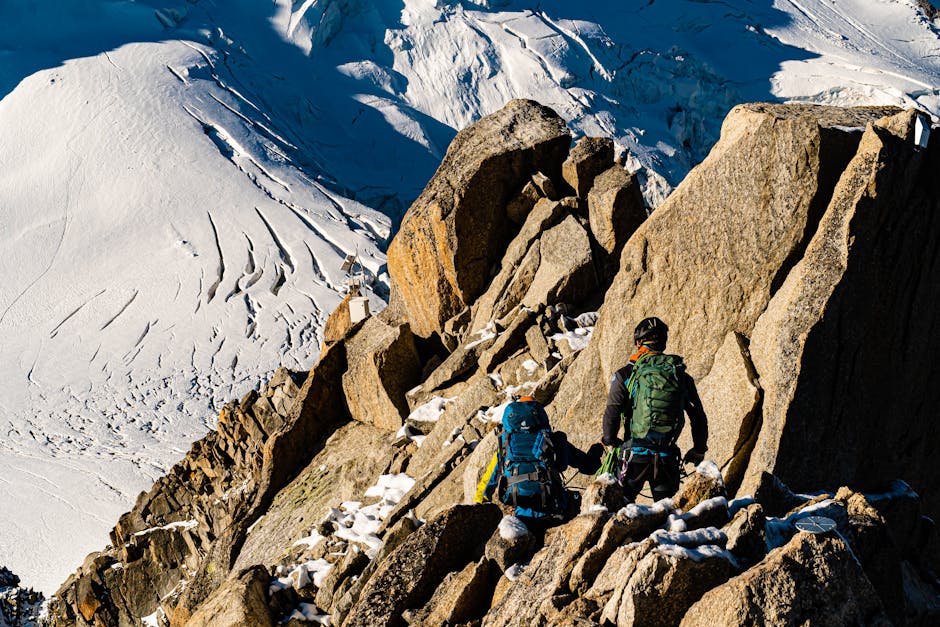
Mountain climbing carries inherent risks. Avalanches, falls, crevasses, and sudden weather changes are ever-present dangers. Never climb alone, and always inform someone of your route and expected return time.
Check avalanche forecasts and weather reports daily. Turn back if conditions deteriorate. It’s better to abandon a summit attempt than risk injury or death. Carry a satellite communicator or personal locator beacon (PLB) for emergencies.
Respect local regulations and environmental guidelines. Practice Leave No Trace principles: pack out all trash, avoid disturbing wildlife, and stay on designated trails. Many climbing areas have fragile ecosystems that require protection.
Cultural and Environmental Awareness
Climbing often takes you into remote regions with distinct cultures and traditions. Learn basic phrases in the local language and respect customs, especially in sacred areas. In Nepal and Tibet, for example, climbing certain peaks requires spiritual considerations.
Support local economies by hiring local guides and using local services. They offer invaluable knowledge and contribute to sustainable tourism. Avoid over-tourism by choosing less crowded routes when possible.
Climate change is affecting mountain environments worldwide. Glaciers are retreating, and weather patterns are becoming more erratic. Climbers can help by minimizing their carbon footprint, supporting conservation efforts, and advocating for environmental protection.
Final Thoughts
The best adventure travel escapes for mountain climbers combine challenge, beauty, and personal growth. Whether you’re drawn to the icy slopes of Denali, the cultural richness of the Annapurna region, or the classic alpine routes of the Dolomites, each destination offers a unique journey.
Success comes not from conquering the mountain, but from preparing thoroughly, respecting the environment, and embracing the experience with humility. With the right mindset and preparation, your next climbing adventure could be the most rewarding of your life.
FAQ
What is the best time of year to climb Mount Kilimanjaro?
The ideal climbing seasons are January to March and June to October, avoiding the rainy months of April, May, and November. These periods offer the most stable weather and clearer skies.
Do I need technical climbing experience to summit Aconcagua?
No, the Normal Route is non-technical and does not require ropes or ice axes. However, climbers must be in excellent physical condition and prepared for extreme altitude and weather conditions.
How much does it cost to climb Denali?
Expedition costs typically range from $8,000 to $15,000 USD, including permits, guide fees, gear, food, and travel. Costs vary based on group size, duration, and level of support.