
Best Food and Culinary Travel Places for Local Markets
If you’re passionate about food and travel, exploring local markets is one of the most authentic ways to experience a destination. These vibrant hubs offer fresh ingredients, regional specialties, and a direct connection to local culture. From bustling street bazaars in Asia to colorful European food halls, the world’s best culinary travel destinations are defined by their markets. This guide highlights top locations where food lovers can immerse themselves in authentic flavors, meet local vendors, and taste dishes you won’t find anywhere else.
Why Local Markets Define Culinary Travel
Local markets are the heartbeat of a region’s food culture. Unlike tourist-oriented restaurants, markets reflect daily life—what people eat, how they prepare it, and what ingredients are prized. They offer a raw, unfiltered look at a destination’s culinary identity.
For travelers, markets provide hands-on experiences: sampling street food, watching chefs at work, and learning cooking techniques from locals. They’re also more affordable than fine dining, making gourmet experiences accessible. Whether you’re shopping for spices in Morocco or sushi-grade fish in Japan, markets turn meals into memories.
Top Destinations for Food-Centric Market Exploration
Bangkok, Thailand – The Street Food Capital
Bangkok’s markets are legendary for their intensity and variety. Chatuchak Weekend Market, one of the largest in the world, features over 15,000 stalls, including dedicated sections for food and spices. But for pure culinary energy, nothing beats the night markets like Yaowarat (Chinatown), where sizzling woks and fragrant curries fill the air.
Try pad Thai from a cart, fresh mango sticky rice, or boat noodles simmered in rich broth. Vendors often cook to order, so you can watch your meal come together. Tip: Arrive hungry and go in the evening when the action peaks.
Tokyo, Japan – Precision and Freshness
Tokyo’s markets blend tradition with innovation. Tsukiji Outer Market, though the wholesale auction moved to Toyosu, remains a must-visit for sushi lovers. Here, you’ll find tuna tataki, tamagoyaki (sweet omelet), and sea urchin served minutes after preparation.
Ameyoko Market near Ueno Station offers a more chaotic vibe, with stalls selling dried seafood, yakitori, and imported snacks. The emphasis on freshness and presentation reflects Japan’s deep respect for ingredients. Don’t miss the chance to try fugu (pufferfish) if you’re feeling adventurous—it’s prepared only by licensed chefs.
Marrakech, Morocco – A Feast for the Senses
The Jemaa el-Fnaa square transforms at dusk into a sprawling open-air food court. By day, it’s a marketplace for spices, leather, and crafts. By night, it’s a symphony of sizzling grills, orange juice stalls, and storytellers.
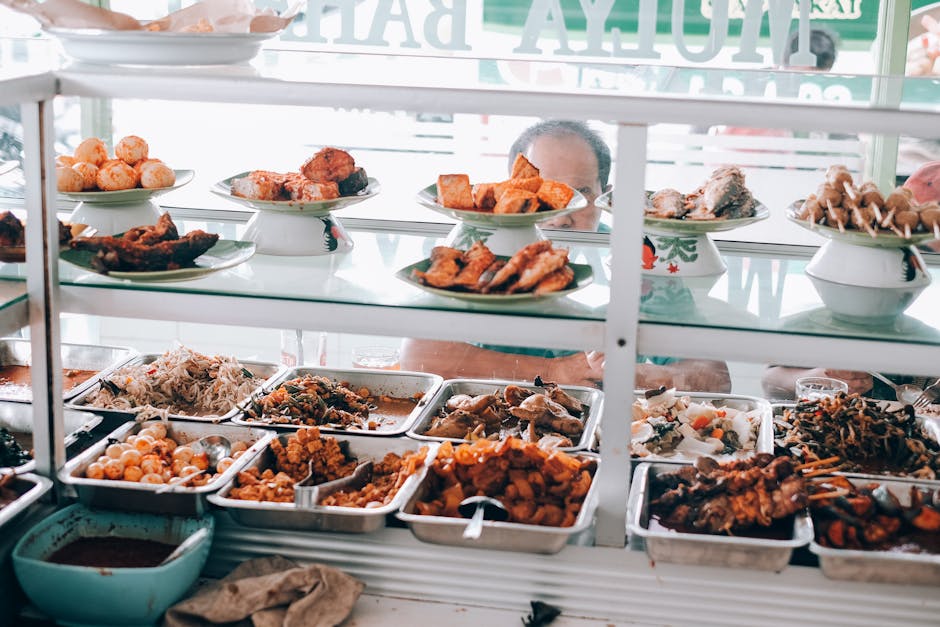
Sample harira soup, lamb tagine, or grilled merguez sausage. The spice stalls in the medina are a treasure trove—look for saffron, ras el hanout, and preserved lemons. Bargaining is expected, but always done with a smile. Tip: Stick to stalls with high turnover to ensure freshness.
Istanbul, Turkey – Where East Meets West
Istanbul’s Grand Bazaar and Spice Bazaar (Mısır Çarşısı) are iconic. The Spice Bazaar, in particular, is a fragrant maze of stalls selling Turkish delight, baklava, saffron, and dried apricots. It’s been a trading hub since the 17th century.
Nearby, street vendors serve simit (sesame-crusted bread rings), fresh pomegranate juice, and balık ekmek (fish sandwiches) from boats along the Bosphorus. For a full meal, try a dürüm wrap filled with grilled meat and pickled vegetables. The market’s location near the Egyptian Bazaar gives it a historic trade route charm.
Mexico City, Mexico – A Street Food Paradise
Mexico City’s markets are a celebration of corn, chilies, and tradition. Mercado de la Merced is one of the largest, with sections dedicated to moles, tamales, and exotic fruits like mamey and guanabana.
Don’t miss the tlacoyos (oval masa cakes) or tlayudas (Oaxacan-style pizzas) cooked over wood fires. For a more curated experience, visit Mercado Roma, a gourmet food hall with artisanal producers and modern twists on classics. Always check that meat is freshly cooked and served hot to avoid foodborne illness.
Lyon, France – The Gastronomic Capital of France
Lyon is known for its bouchons—traditional restaurants—but its markets are equally vital. Les Halles de Lyon Paul Bocuse is an indoor food hall named after the legendary chef, offering charcuterie, cheeses, and fresh seafood.
The outdoor Marché de la Croix-Rousse on Sundays is a local favorite, with farmers selling seasonal produce, quenelles (fish dumplings), and saucisson. Lyon’s markets emphasize terroir—the connection between food and land. Try a glass of Beaujolais wine with your cheese platter for a true regional experience.
Hanoi, Vietnam – A Noodle Lover’s Dream
Hanoi’s Old Quarter is dotted with tiny markets and street stalls. Dong Xuan Market is the largest, but the real action happens at dawn in smaller neighborhood markets like Cho Hom.
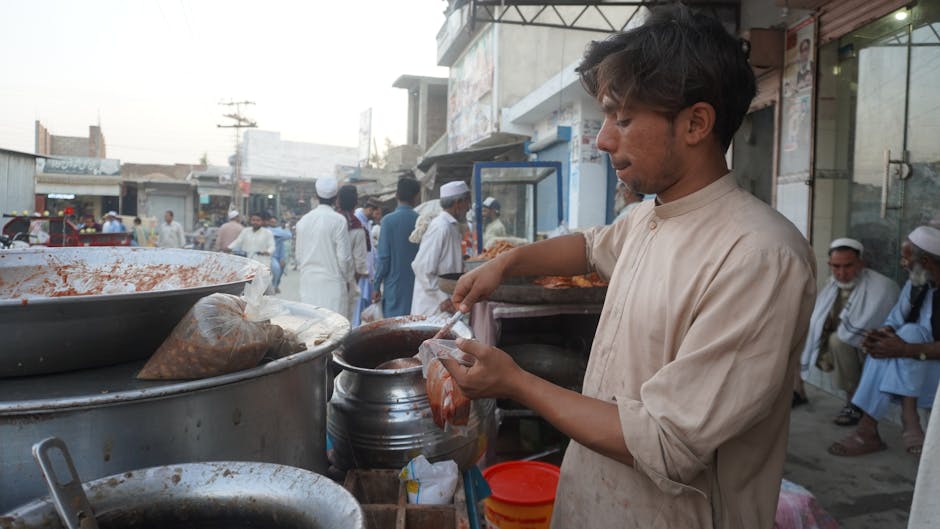
Here, you’ll find pho bo (beef noodle soup) simmering in giant pots, banh cuon (steamed rice rolls), and fresh herbs like cilantro and rau ram. The broth is key—simmered for hours with star anise and cinnamon. Eat where locals eat: crowded stools and shared tables mean quality and freshness.
How to Make the Most of Your Market Visit
Visiting a local market isn’t just about eating—it’s about engaging. Start by arriving early to see vendors setting up and to avoid crowds. Bring a reusable bag for purchases and small bills for easy transactions.
Talk to vendors when possible. Many are proud of their craft and happy to explain ingredients or cooking methods. If language is a barrier, a smile and pointing go a long way. Always observe hygiene: look for stalls with high turnover, clean surfaces, and food served hot.
Safety Tips for Food Travelers
While most market food is safe, it’s wise to take precautions. Avoid raw or undercooked meat, unpasteurized dairy, and tap water in regions where it’s not safe to drink. Stick to cooked foods served immediately.
Wash hands frequently or use hand sanitizer. If you have food sensitivities, learn key phrases in the local language (e.g., “no peanuts” or “gluten-free”). When in doubt, choose popular stalls—locals know what’s good and safe.
Budget-Friendly Tips for Market Hopping
Markets are typically more affordable than restaurants, but costs can add up. Set a daily food budget and prioritize must-try items. Share dishes with travel companions to sample more without overeating.
Buy snacks like nuts, dried fruit, or local sweets to carry with you. Many markets also have affordable breakfast options—think Vietnamese banh mi or Turkish borek. Avoid tourist traps near major attractions; walk a few blocks away for better prices and authenticity.
Seasonal Considerations and Timing
Markets often reflect seasonal harvests. In Japan, visit in spring for sakura-themed sweets or in winter for hot sake and grilled oysters. In France, summer markets overflow with tomatoes and berries, while autumn brings mushrooms and game.
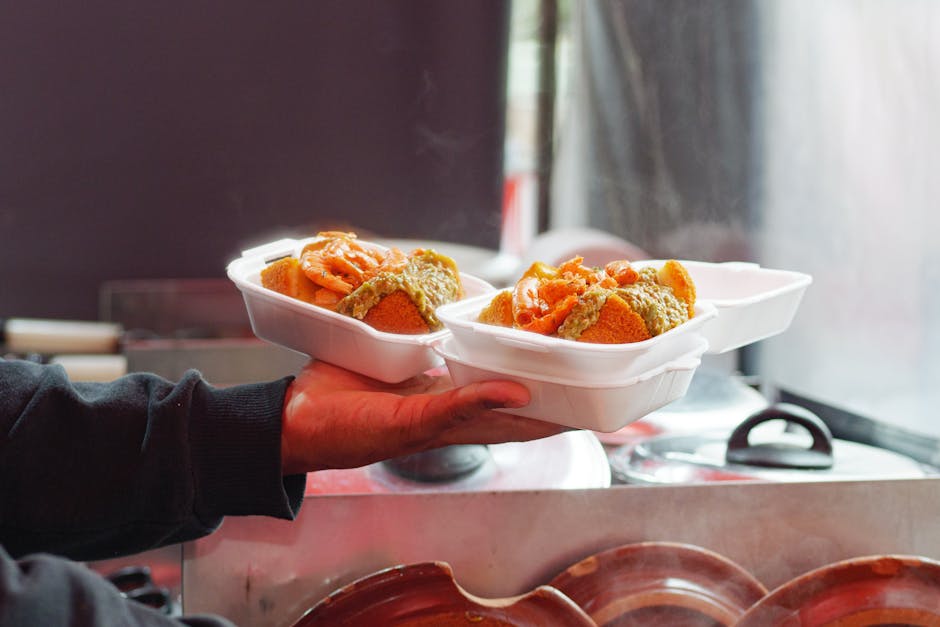
Check local holidays—some markets close or change hours during festivals. In Morocco, Ramadan affects operating times, with many stalls opening late and serving iftar meals after sunset. Planning around seasons ensures the best selection and atmosphere.
Beyond Food: Cultural Connections
Markets are social spaces. In Italy, the piazza market is where neighbors catch up over espresso and fresh bread. In India, spice vendors pass down family recipes through generations.
Photography is usually welcome, but always ask first. Some vendors may charge a small fee or expect a purchase. Respect local customs—dress modestly in conservative areas and remove shoes if required.
Final Thoughts: Eat Like a Local
The best culinary travel experiences happen when you step off the tourist path and into the rhythm of daily life. Local markets offer that authenticity—flavors, sounds, and stories that define a place.
Whether you’re slurping noodles in Hanoi or bargaining for saffron in Marrakech, let curiosity guide you. Taste everything, talk to everyone, and keep an open mind. The world’s greatest meals aren’t always in Michelin-starred restaurants—they’re in the hands of a street vendor at dawn.
FAQ
What should I bring when visiting a local food market?
Bring a reusable bag, small bills, hand sanitizer, and a water bottle. A notebook or app to record favorite dishes or vendors is also helpful. Comfortable shoes are a must—markets often involve a lot of walking.
Are local markets safe for travelers with food allergies?
It depends on the destination and your allergy. In countries with strong food labeling (like Japan or France), communication is easier. In others, carry a translation card explaining your allergy. Avoid high-risk items like mixed sauces or street desserts if you’re unsure.
How do I know if a market stall is hygienic?
Look for high customer turnover, clean cooking surfaces, and food served hot. Avoid stalls with uncovered food, flies, or lukewarm dishes. Locals often know the best spots—follow the crowd.