
Best Beach and Island Travel Places for Local Beaches
Looking for the best beach and island travel places close to home? You don’t need to cross oceans to find stunning coastlines, hidden coves, or peaceful island getaways. Many of the most beautiful beaches and islands are right in your own region—often overlooked but rich with natural beauty, clear waters, and authentic charm.
This guide highlights top local beach and island destinations across different regions, offering practical insights on what makes each spot special. Whether you’re planning a weekend escape, a family outing, or a solo retreat, these nearby gems deliver relaxation, adventure, and scenic views without the long-haul flight.
Why Choose Local Beaches and Islands?
Traveling locally saves time, money, and carbon emissions. It also supports nearby communities and lets you rediscover your own backyard. Many local beaches offer fewer crowds, lower costs, and a more relaxed pace compared to international hotspots.
Plus, regional beaches often have unique features—think tidal pools, coastal trails, or historic lighthouses—that make them stand out. With the right planning, a local beach trip can feel just as refreshing as an exotic vacation.
Top Local Beach Destinations by Region
East Coast Gems
The Atlantic coastline is dotted with accessible beaches that blend natural beauty with small-town charm. From the rocky shores of New England to the soft sands of the Carolinas, there’s something for every traveler.
Bar Harbor, Maine, sits on the edge of Acadia National Park and offers dramatic cliffs, forest trails, and calm waters. It’s ideal for kayaking, hiking, or simply watching the sunrise over Frenchman Bay.
In contrast, the Outer Banks of North Carolina stretch for 200 miles along barrier islands. Places like Cape Hatteras and Corolla feature wide, sandy beaches, historic lighthouses, and wild horses roaming freely. The waters are great for surfing, fishing, or swimming in the summer months.
West Coast Retreats
The Pacific Coast delivers rugged beauty and cool ocean breezes. Local beaches here often feature tide pools, sea stacks, and dramatic sunsets.
Santa Cruz, California, is a favorite among locals for its laid-back vibe, boardwalk amusement park, and consistent surf. The nearby Natural Bridges State Beach is known for its monarch butterfly migration in winter and excellent tide pooling at low tide.
Further north, Cannon Beach in Oregon offers iconic views of Haystack Rock rising from the surf. It’s a short drive from Portland and perfect for a day trip or weekend stay. The beach is dog-friendly and great for beachcombing, especially after storms.
Great Lakes Escapes
Don’t overlook the freshwater beaches of the Great Lakes. With miles of shoreline, these inland seas offer swimming, boating, and sandy shores that rival ocean coasts.
Lake Michigan’s Sleeping Bear Dunes National Lakeshore in Michigan features towering sand dunes, clear water, and forested trails. The beaches here are less crowded than ocean destinations and offer stunning views of the lake at sunset.
In Wisconsin, Door County is a cluster of small towns and beaches along Green Bay and Lake Michigan. Peninsula State Park has several sandy beaches, camping options, and scenic overlooks. It’s a great spot for families and nature lovers.
Southern Coastlines
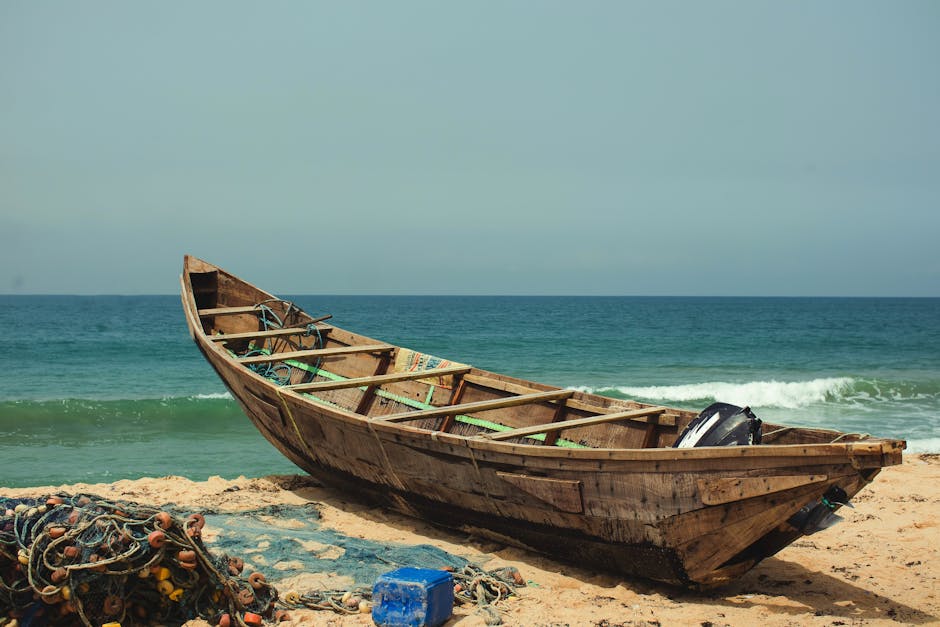
The Gulf Coast and Atlantic shores of the southern U.S. offer warm waters, white sand, and a slower pace of life. These beaches are ideal for swimming, shelling, and enjoying fresh seafood.
Galveston Island, Texas, is just an hour from Houston and features 32 miles of beaches. Stewart Beach and East Beach are popular for swimming and sunbathing, while the island’s historic district adds cultural appeal.
On Florida’s Gulf Coast, Sanibel Island is famous for its shell-covered shores. The island’s east-west orientation makes it a prime spot for collecting seashells, especially after high tide. Bowman’s Beach and Lighthouse Beach are quiet and scenic.
Hidden Island Getaways Near You
Barrier Islands and Coastal Islets
Barrier islands act as natural breakwaters and often host protected wildlife areas, dunes, and quiet beaches. Many are accessible by car or short ferry ride.
Assateague Island, split between Maryland and Virginia, is known for its wild horses and undeveloped beaches. It’s part of a national seashore, so development is limited, preserving its natural state. Camping is available, and the island is great for birdwatching and stargazing.
In South Carolina, Kiawah Island is a private resort community with 10 miles of pristine beach. While some areas are gated, public access is available at Beachwalker Park. The island is also a designated Sea Turtle Nest Sanctuary.
River and Lake Islands
Not all islands are surrounded by saltwater. River and lake islands offer peaceful retreats with fishing, boating, and camping opportunities.
Starved Rock State Park in Illinois features small islands in the Illinois River, accessible by canoe or kayak. These islands are great for day trips and offer shaded picnic areas and wildlife sightings.
In Minnesota, the Boundary Waters Canoe Area Wilderness includes thousands of islands across interconnected lakes. While remote, these islands offer solitude and pristine nature for those willing to paddle in.
What to Look for in a Local Beach Destination
Water Quality and Safety
Always check local water quality reports before swimming. Many coastal areas publish real-time data on bacteria levels, especially after heavy rain. Avoid swimming near storm drains or after storms when runoff can contaminate water.
Look for beaches with lifeguard patrols during peak season. Flags and signs often indicate current conditions—green for safe, yellow for caution, red for dangerous.
Accessibility and Amenities
Consider how easy it is to reach the beach. Some require a hike down a trail or a boat ride. Check for parking availability, restrooms, and wheelchair access if needed.
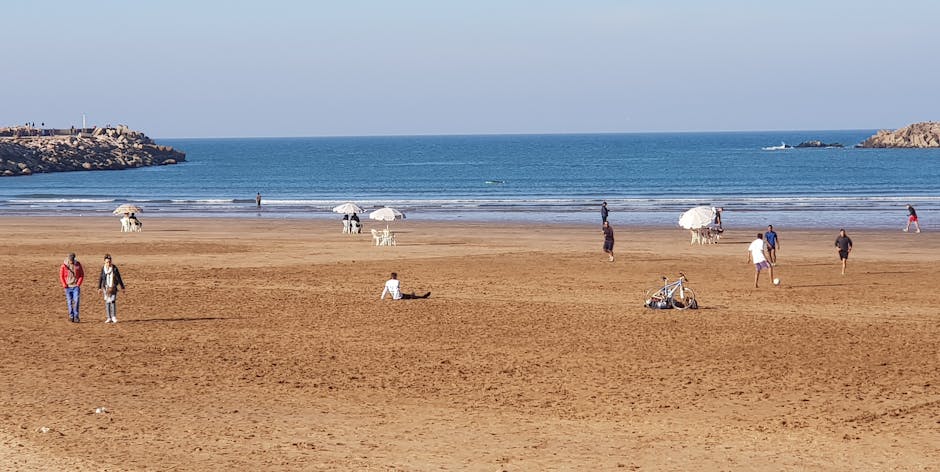
Family-friendly beaches often have picnic areas, showers, and shaded pavilions. More remote spots may offer solitude but fewer facilities—pack accordingly.
Wildlife and Environmental Protection
Many local beaches are part of protected areas or wildlife refuges. Respect posted rules, stay on marked trails, and avoid disturbing nesting birds or marine life.
Sea turtle nesting season (typically May–October in the Southeast) may restrict beach access at night. Use red-filtered flashlights if walking on the beach after dark to avoid disorienting hatchlings.
Planning Your Local Beach Trip
Best Times to Visit
Weekdays and early mornings are usually less crowded. Summer weekends can be busy, especially near major cities. Shoulder seasons—late spring and early fall—offer pleasant weather and fewer tourists.
Check tide schedules if you’re interested in tide pooling or shelling. Low tide reveals more of the shoreline and marine life.
What to Pack
Essentials include sunscreen (reef-safe if swimming), a hat, reusable water bottle, and a beach towel. Bring water shoes for rocky shores and a small shovel or sieve for shelling.
If camping or staying overnight, pack bug spray, a first-aid kit, and weather-appropriate clothing. Even in summer, coastal areas can get chilly at night.
Leave No Trace
Always clean up after yourself. Carry out all trash, including food wrappers and plastic bottles. Avoid taking live shells or disturbing sand dunes, which help protect the coastline from erosion.
Use designated fire pits if bonfires are allowed. Never leave fires unattended.
Local Beaches with Unique Features
Black Sand and Volcanic Shores
While black sand beaches are rare in the continental U.S., they can be found in Hawaii and parts of the Pacific Northwest. In Washington, Kalaloch Beach on the Olympic Peninsula has sections of dark sand due to volcanic minerals.
These beaches are not only visually striking but often have unique rock formations and driftwood sculptures shaped by the waves.
Bioluminescent Bays
A few local beaches offer the magical experience of bioluminescence—tiny organisms that glow when disturbed. In Florida, Mosquito Lagoon and Merritt Island are known for summer glow events.
To see it, visit on a dark, moonless night and avoid using bright lights. Kayaking or swimming gently through the water creates the best effect.
Fossil and Shell Beaches
Some beaches are treasure troves for natural history buffs. In Maryland, Calvert Cliffs State Park has fossilized shark teeth and ancient shells embedded in the shoreline.
Always check local regulations before collecting fossils or shells. In protected areas, take only photos and leave natural items in place.
Sustainable Travel Tips for Beachgoers
Choose eco-friendly accommodations when possible—look for hotels or rentals with green certifications or water-saving practices.
Support local businesses by eating at nearby restaurants, renting gear from local shops, and joining guided tours run by residents.
Use reef-safe sunscreen to protect marine ecosystems. Chemicals like oxybenzone can harm coral reefs and fish, even in small amounts.
Final Thoughts
The best beach and island travel places aren’t always the farthest away. Some of the most memorable experiences come from exploring nearby shores with curiosity and care.
Whether you’re drawn to quiet coves, family-friendly sands, or wild, untamed coastlines, local beaches offer adventure without the hassle of long travel. With a little research and preparation, your next beach getaway could be just a few hours from home.
FAQ
Q: How do I find clean and safe local beaches?
A: Check your state or local health department’s website for water quality reports. Look for beaches with lifeguard stations and posted safety flags. Avoid swimming after heavy rain when runoff can increase bacteria levels.
Q: Are local beaches less crowded than popular tourist spots?
A: It depends on the location and time of year. Beaches near major cities can still be busy on weekends, but many local spots—especially those requiring a hike or boat ride—offer more solitude. Visiting on weekdays or during shoulder seasons helps.
Q: Can I camp on local islands or beaches?
A: Some islands and coastal areas allow camping, but permits may be required. Check with local park services or national seashore websites for rules, availability, and safety guidelines. Always follow Leave No Trace principles.