
Ultimate Travel Tips for Traveling on a Tight Budget
Traveling doesn’t have to break the bank. With smart planning and a few strategic choices, you can explore new destinations without overspending. This guide covers proven ways to stretch your travel budget—from finding cheap flights to saving on food and accommodations—so you can travel more often and longer, even on a limited income.
Plan Ahead for Maximum Savings
Early planning is one of the most effective ways to reduce travel costs. Booking flights and accommodations months in advance often results in lower prices. Use fare comparison tools like Google Flights or Skyscanner to track price trends and set alerts for deals.
Flexibility with travel dates can also lead to big savings. Flying midweek or during off-peak seasons typically costs less than weekend or holiday travel. For example, a round-trip flight from New York to Lisbon might cost $450 in October but jump to $750 in July.
Set a Realistic Budget and Stick to It
Before booking anything, determine your total travel budget. Include flights, lodging, food, transportation, activities, and a buffer for emergencies. A detailed budget helps prevent overspending and keeps you accountable.
Use budgeting apps like Trail Wallet or Splitwise to log expenses in real time. Review your spending daily to avoid surprises. If you’re traveling with others, agree on a shared budget to keep everyone aligned.
Choose Destinations with a Lower Cost of Living
Your destination choice has a major impact on overall costs. Countries in Southeast Asia, Eastern Europe, and parts of Central America offer rich experiences at a fraction of the price of Western Europe or North America.
For instance, a meal in Vietnam might cost $2–$4, while the same dish in Paris could run $15–$25. Cities like Budapest, Chiang Mai, and Medellín are known for being affordable yet culturally vibrant.
Save on Flights and Transportation
Airfare is often the biggest expense. To minimize costs, be flexible with airports. Sometimes flying into a nearby city and taking a bus or train saves hundreds of dollars.
Consider budget airlines, but read the fine print. Low-cost carriers like Ryanair or Spirit offer base fares under $50, but extras like checked bags, seat selection, and carry-on fees add up quickly. Pack light to avoid these charges.
Use Points and Miles Strategically
Frequent flyer programs and credit card rewards can significantly reduce flight costs. Sign up for airline loyalty programs and use a travel rewards credit card for everyday purchases.
For example, the Chase Sapphire Preferred card earns points transferable to multiple airlines. With disciplined use, you can earn enough points for a free flight within a year. Just pay off your balance monthly to avoid interest.
Book Last-Minute Deals Wisely
While early booking usually saves money, last-minute deals can also work—especially for off-season travel. Airlines and hotels often discount unsold inventory days before departure.
Use apps like Scott’s Cheap Flights or Hopper to find flash sales. However, this strategy requires flexibility and backup plans. Don’t rely on last-minute savings for time-sensitive trips like weddings or conferences.
Find Affordable Accommodations
Lodging can consume a large portion of your budget. Instead of booking standard hotels, explore alternatives that offer better value.
Hostels are a popular choice for budget travelers. Many offer private rooms at half the price of hotels, with added perks like free breakfast and communal kitchens. Websites like Hostelworld let you filter by price, location, and guest ratings.
Try Homestays and Short-Term Rentals

Platforms like Airbnb and Vrbo often provide more space and amenities than hotels for similar prices. Renting an apartment with a kitchen lets you cook meals, cutting food costs significantly.
Look for listings outside tourist centers. Staying a short metro ride from the main attractions can save 30–50% on rent. Always read recent reviews to avoid scams or misleading listings.
Consider Overnight Transportation
For long journeys, overnight buses or trains can double as transportation and lodging. In Europe, companies like FlixBus offer sleeper buses with reclining seats for under $50. Overnight trains in countries like India or Japan provide beds and scenic views.
This strategy saves on a night’s accommodation and gets you closer to your next destination. Just bring a travel pillow and eye mask for comfort.
Eat Like a Local to Save on Food
Dining out for every meal quickly drains your budget. Instead, eat where locals eat. Street food, markets, and small family-run eateries offer delicious meals at low prices.
In Mexico City, a taco al pastor costs around $1. In Bangkok, a bowl of pad thai from a street vendor is $2–$3. These meals are not only affordable but often more authentic than tourist restaurants.
Cook Your Own Meals When Possible
If your accommodation has a kitchen, buy groceries and prepare simple meals. A loaf of bread, fruit, and cheese can make a filling breakfast for a few dollars.
Visit local supermarkets or farmers’ markets for fresh, inexpensive ingredients. In Italy, a picnic with bread, olives, and wine from the market costs less than a café cappuccino.
Avoid Tourist Trap Restaurants
Restaurants near major attractions often charge inflated prices for mediocre food. Walk a few blocks away from landmarks to find better deals.
Look for menus in the local language or places filled with residents. A good rule: if there’s no locals dining there, it’s likely overpriced.
Cut Costs on Activities and Sightseeing
Entertainment and tours can add up fast. Prioritize free or low-cost experiences. Many cities offer free walking tours, museum days, or public parks perfect for exploration.
Check city tourism websites for “free entry” days. For example, the Louvre in Paris is free on the first Saturday of each month from 6 PM to 9 PM. London’s British Museum is always free.
Use City Tourism Cards
Tourism cards like the Paris Museum Pass or Berlin WelcomeCard offer bundled access to attractions and public transport at a discount. Calculate whether the pass saves money based on your planned activities.
For instance, the Barcelona Card includes entry to 20+ attractions and unlimited metro rides. If you plan to visit three paid museums and use public transport daily, it’s likely worth the cost.
Explore Nature and Free Attractions
Some of the best travel experiences are free. Hiking, swimming, and exploring neighborhoods cost nothing and offer authentic cultural immersion.
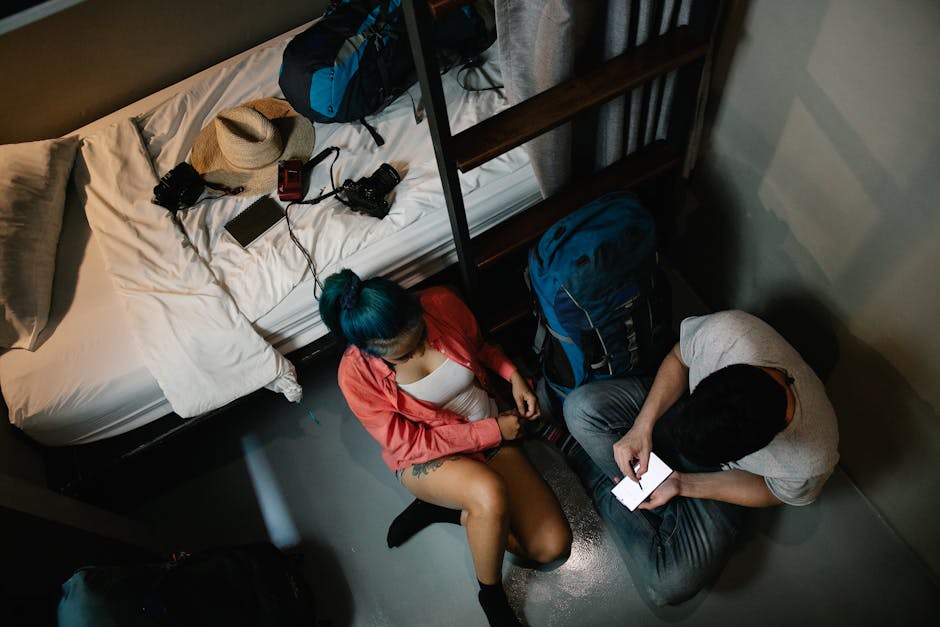
In Lisbon, hike up to Miradouro da Senhora do Monte for panoramic views. In Vancouver, walk the Seawall along English Bay. These experiences often leave stronger memories than paid tours.
Save on Local Transportation
Public transit is almost always cheaper than taxis or ride-sharing. Learn the local bus, metro, or tram system upon arrival. Many cities offer day passes for unlimited rides.
In Tokyo, a 24-hour subway pass costs around $7. In Berlin, a day ticket for all public transport is €9. Compare single-ride costs to passes to determine the best deal.
Walk or Bike When Possible
Walking is free and gives you a closer look at a city’s rhythm. Many European cities are compact and pedestrian-friendly. Use a map app to navigate without getting lost.
Many cities now offer bike-sharing programs. Paris’s Vélib’ and Montreal’s BIXI let you rent bikes by the hour or day. It’s an eco-friendly way to cover more ground than walking.
Avoid Airport Taxis
Airport taxis are convenient but often overpriced. Instead, take a train, bus, or shuttle into the city. In Amsterdam, the train from Schiphol to Centraal Station takes 15 minutes and costs €6.
If you must take a taxi, use apps like Uber or Bolt to compare prices. Always confirm the fare before getting in to avoid scams.
Pack Smart to Avoid Extra Fees
Packing light saves money and stress. Many budget airlines charge for checked bags, and overweight luggage fees can exceed $100 per flight.
Use a carry-on suitcase and a personal item like a backpack. Stick to versatile clothing that can be mixed and matched. Roll clothes instead of folding to save space.
Bring Essentials to Avoid Buying On-Site
Travel-sized toiletries, medications, and adapters can be expensive abroad. Pack a small first-aid kit, sunscreen, and a universal power adapter.
If you wear glasses or contacts, bring an extra pair. In some countries, replacements are hard to find or costly. A reusable water bottle with a filter also saves money and reduces plastic waste.
Stay Connected Without Breaking the Bank
Roaming charges can add hundreds to your bill. Instead, buy a local SIM card upon arrival. In Thailand, a 30-day data plan with 5GB costs under $10.
Alternatively, use free Wi-Fi in cafes, hotels, and public spaces. Download offline maps and translation apps before your trip to navigate without data.
Use Messaging Apps Over SMS
Apps like WhatsApp, Telegram, and Signal let you send messages and make calls over Wi-Fi for free. They work in most countries and are safer than public networks.
Enable two-factor authentication and avoid logging into sensitive accounts on public Wi-Fi. Use a VPN for added security if needed.
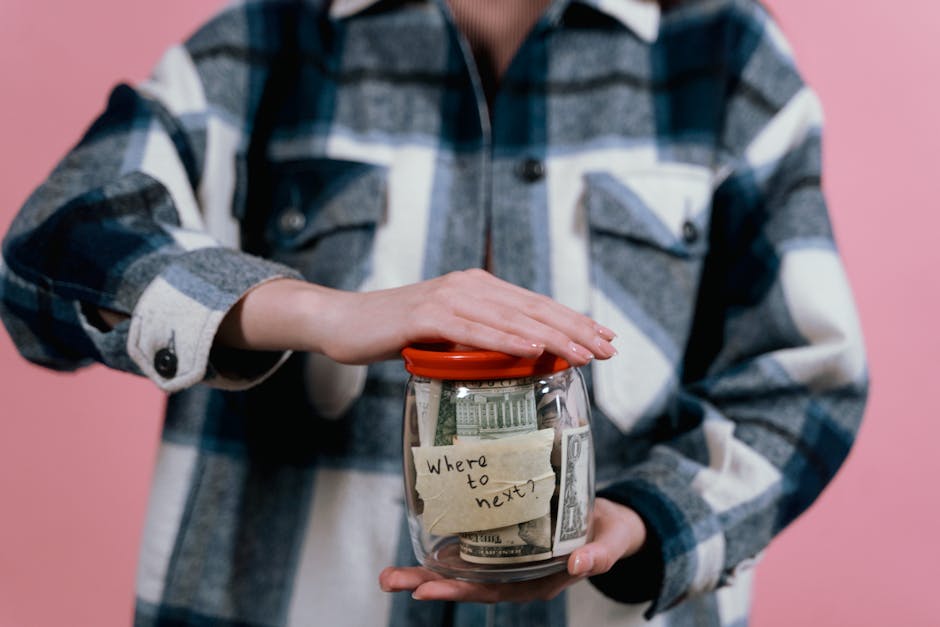
Travel During Off-Peak Seasons
Peak travel times—summer, holidays, and school breaks—drive up prices across the board. Traveling during shoulder or off-season offers lower rates and fewer crowds.
For example, visiting Greece in late September means warm weather, open beaches, and 40% lower hotel prices than in August. Similarly, Japan in November offers autumn foliage without the cherry blossom crowds.
Know the Best Times to Visit Popular Destinations
Research the ideal off-season for your destination. In Iceland, March offers Northern Lights and lower prices before the summer rush. In Peru, the dry season (May–October) is peak time, so consider April or November for deals.
Check local events calendars. Festivals can increase prices, but they also offer unique cultural experiences. Balance cost savings with what you want to see.
Use Cash Wisely and Avoid Foreign Transaction Fees
Using your regular debit or credit card abroad can result in high foreign transaction fees—typically 3% per purchase. Choose a no-fee travel card instead.
Cards like the Charles Schwab Debit Card refund all ATM fees worldwide. The Revolut and Wise (formerly TransferWise) cards offer low-cost currency exchange.
Withdraw Larger Amounts Less Often
ATMs charge a fee per withdrawal, so take out larger sums less frequently. Keep cash secure in a money belt or hidden pouch. Avoid flashing large amounts in public.
Notify your bank of your travel plans to prevent card freezes. Carry a backup card in case of loss or theft.
Travel Slowly to Save Money
Moving between cities every few days increases transportation and lodging costs. Staying longer in one place reduces these expenses and often leads to discounts.
Many hotels and Airbnb hosts offer weekly or monthly rates. In Lisbon, a one-bedroom apartment might cost €80/night but drop to €50/night for a week-long stay.
Embrace Slow Travel
Slow travel means spending more time in fewer places. It allows deeper cultural connections and reduces the stress of constant movement.
Spend a week in one city, explore neighborhoods on foot, take day trips, and get to know locals. You’ll likely spend less and remember more.
FAQ
How can I find the cheapest flights?
Use fare comparison tools like Google Flights or Skyscanner. Be flexible with dates and airports, and set price alerts. Booking 2–3 months in advance often yields the best deals.
Is it safe to stay in hostels?
Yes, especially if you choose highly rated hostels with good reviews. Look for ones with lockers, 24-hour reception, and private room options. Always lock your belongings and trust your instincts.
What’s the best way to handle money while traveling?
Use a no-foreign-fee debit or credit card. Withdraw cash in larger amounts to minimize ATM fees. Carry some local currency for emergencies and avoid exchanging money at airports.