
Clear Destination Guide to Rhodes for Ancient Ruins
Rhodes, a sun-drenched Greek island in the southeastern Aegean Sea, is one of Europe’s most compelling destinations for ancient ruins. With over 3,000 years of layered history—from Mycenaean settlements to Roman rule and Crusader fortifications—the island offers a rare chance to walk through living history. Whether you’re exploring the medieval Old Town, standing beneath the shadow of the Acropolis of Lindos, or tracing the steps of the Knights of St. John, Rhodes delivers a rich archaeological experience. This guide helps you navigate the island’s most significant ancient sites, plan your visits efficiently, and make the most of your journey through time.
Why Rhodes Is a Must-Visit for Ancient History Enthusiasts
Rhodes stands apart from other Mediterranean destinations due to its remarkable preservation of ancient structures and its strategic position at the crossroads of civilizations. The island was a key hub in the ancient world, coveted by the Dorians, Persians, Romans, Byzantines, and Knights Hospitaller. Each left behind architectural and cultural imprints still visible today.
Unlike more commercialized Greek islands, Rhodes balances tourism with historical authenticity. Its UNESCO-listed Old Town is one of the best-preserved medieval cities in Europe, yet it’s built atop even older ruins. Visitors can explore ancient temples, Roman baths, and Hellenistic fortifications within walking distance of each other.
The island’s compact size makes it easy to visit multiple sites in a single day. Most major ruins are accessible by public transport, rental car, or organized tours. With careful planning, you can cover centuries of history in just a few days.
Top Ancient Ruins to Explore in Rhodes
The Acropolis of Rhodes
Perched on a hill just outside the modern city center, the Acropolis of Rhodes offers panoramic views and well-preserved remnants from the 4th century BCE. This sacred site was once the heart of ancient Rhodes and includes the Temple of Athena Polias, the Nymphaea (underground chambers), and a small but impressive stadium.
The stadium, though partially reconstructed, gives a clear sense of ancient Greek athletic life. It once hosted the Halieia, a major festival in honor of the sea god Helios. Walking its length, you can imagine athletes competing before crowds of thousands.
Visiting early in the morning avoids crowds and heat. The site is free to enter, and informational signs provide context. Combine your visit with a walk through the adjacent Monte Smith Park, a green oasis with views over the city and sea.
The Palace of the Grand Master
Located in the heart of the Old Town, this imposing fortress dominates the skyline. Originally built in the 7th century CE on the site of an earlier Byzantine castle, it was rebuilt by the Knights Hospitaller in the 14th century after an earthquake.
While primarily a medieval structure, the palace sits atop foundations that date back to the Hellenistic period. Excavations have revealed ancient mosaics, columns, and artifacts now displayed in the on-site museum. The throne room, armory, and private chambers offer a glimpse into the lives of the island’s Crusader rulers.
Guided tours are available and highly recommended. Audio guides provide detailed historical context. Allow at least two hours to explore the palace and its exhibits thoroughly.
The Ancient City of Kamiros
Located on the northwest coast, Kamiros was one of the three ancient cities that formed the Dorian Hexapolis. Founded around the 8th century BCE, it flourished during the Classical and Hellenistic periods before declining after an earthquake in 142 BCE.
The ruins are spread across three terraced levels, showcasing a well-planned city with residential blocks, a temple, and a sophisticated water system. The remains of homes with courtyards and storage rooms give insight into daily life in antiquity.
Kamiros is less visited than other sites, offering a quieter, more contemplative experience. It’s about a 45-minute drive from Rhodes Town. Combine your visit with a stop at the nearby beach of Kamiros Skala for a refreshing break.
The Acropolis of Lindos
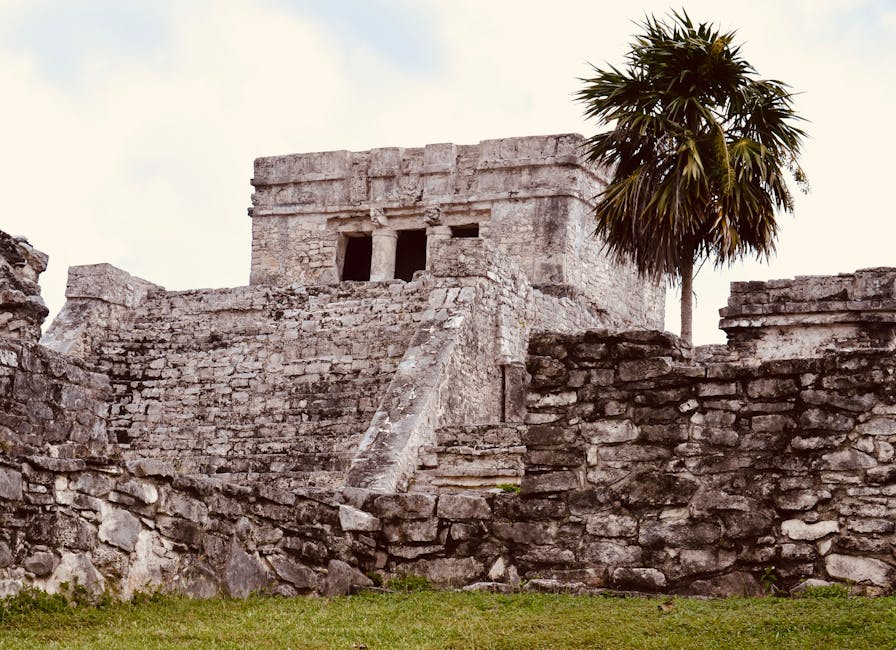
Perhaps the most iconic ancient site on the island, the Acropolis of Lindos crowns a dramatic cliff overlooking the Aegean. Dating back to the 10th century BCE, it was a major religious and political center in ancient times.
The site features the remains of the Temple of Athena Lindia, a Propylaea (monumental entrance), and Hellenistic-era walls. The climb to the top involves over 200 steps carved into the rock—steep but manageable for most visitors. The effort is rewarded with breathtaking views and a palpable sense of history.
Lindos village below is charming, with whitewashed houses and narrow cobbled streets. Many visitors combine the acropolis visit with a stroll through the village and a swim at St. Paul’s Bay, said to be where the apostle landed.
The Roman Odeon
Tucked within the Old Town, this small theater dates to the 2nd century CE and was used for musical performances and poetry readings. Carved into the rock, it seated about 800 people and is still used for occasional summer concerts.
The acoustics remain impressive, and the structure is remarkably intact. It’s easy to miss if you’re not looking for it, but well worth seeking out. Look for the entrance near the Street of the Knights.
Visit in the late afternoon when the light enhances the stone details. Combine with a walk through the nearby Archaeological Museum, housed in a former hospital of the Knights.
The Temple of Apollo and the Ancient Agora
Located near the harbor, these ruins date to the Hellenistic period and were part of the ancient city center. The Temple of Apollo, though only partially standing, gives a sense of the scale of religious architecture in Rhodes.
The Agora was the marketplace and civic hub, surrounded by stoas (covered walkways) and administrative buildings. Foundations and column bases remain, and informational panels help reconstruct the layout.
This site is often overlooked but offers a peaceful contrast to the more crowded medieval areas. It’s a short walk from the Old Town and easily combined with a visit to the nearby harbor.
How to Plan Your Ancient Ruins Itinerary in Rhodes
With so many sites to choose from, planning your route in advance ensures you make the most of your time. Most visitors spend 3–5 days on the island, allowing for a balanced mix of history, relaxation, and local culture.
Start in Rhodes Town, where the Palace of the Grand Master, Roman Odeon, and Temple of Apollo are all within walking distance. Spend your first full day exploring these central sites and getting oriented.
On day two, head to the Acropolis of Rhodes and Monte Smith Park. These are close to the city center but feel worlds apart. Use the afternoon to visit the Archaeological Museum or relax at a seaside café.
Day three is ideal for a day trip to Lindos. The drive takes about an hour, and you’ll want at least half a day to explore the acropolis and village. Return in the evening for dinner in Rhodes Town.
If you have a fourth day, visit Kamiros and the northwest coast. This region is less touristy and offers a different pace. Alternatively, use the time to revisit a favorite site or explore local villages like Archangelos or Faliraki.
Best Times to Visit Ancient Sites
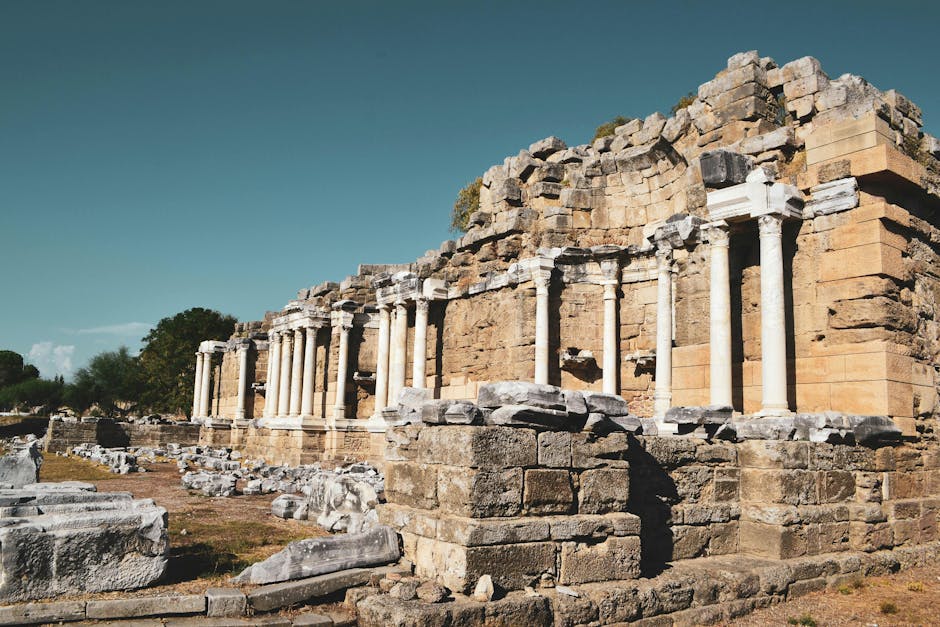
The ideal time to visit Rhodes for ancient ruins is during the shoulder seasons—April to early June and September to October. Temperatures are warm but not scorching, and crowds are manageable.
Summer (July–August) brings peak tourism and intense heat, especially at midday. If visiting then, start your site explorations early in the morning or late in the afternoon. Many ruins lack shade, so sun protection is essential.
Winter visits are possible, though some sites may have limited hours or be closed. The weather is mild, and you’ll have the ruins largely to yourself—ideal for photography and quiet reflection.
Transportation Tips for Ruins Hopping
Rhodes Town is walkable, especially the Old Town and nearby sites. For destinations like Lindos, Kamiros, and the Acropolis of Rhodes, you’ll need other transport.
Renting a car offers the most flexibility. Roads are generally in good condition, and parking is available near major sites. Be aware that driving in the Old Town is restricted to residents and authorized vehicles.
Public buses connect Rhodes Town with Lindos, Faliraki, and Kamiros. Schedules are reliable but less frequent in off-peak months. A taxi or private transfer is a convenient alternative, especially for groups.
Organized tours are available from cruise ships and hotels. These often include skip-the-line access and expert guides, but offer less flexibility. Choose a tour that focuses on history rather than general sightseeing.
What to Bring and What to Avoid
Comfortable walking shoes are essential. Many ruins involve uneven terrain, stairs, and gravel paths. Sandals or flip-flops are not recommended.
Bring a hat, sunscreen, and plenty of water. Shade is limited at most sites, and dehydration is a real risk in summer. A lightweight scarf can double as sun protection or modesty wear when entering religious sites.
A small backpack is useful for carrying essentials. Avoid large bags, as storage is rarely available at ruins. Some sites have lockers, but it’s best not to rely on them.
Photography is allowed at most sites, but drones require permits. Respect signage and barriers—climbing on ruins or touching fragile mosaics can cause damage.
Avoid visiting during the hottest part of the day (11 a.m. to 3 p.m.) in summer. Plan indoor visits or shaded breaks during this time. Many cafes and museums offer air-conditioned respite.
Cultural Etiquette and Preservation Tips
Rhodes’ ancient ruins are not just tourist attractions—they are protected heritage sites. Help preserve them by following local guidelines.
Do not remove stones, pottery shards, or any artifacts. What may seem like a small souvenir contributes to the degradation of the site over time.
Keep noise levels low, especially at religious or ceremonial sites. Remember that many locals still view these places with reverence.
Dress modestly when visiting sites with ongoing religious significance. Shoulders and knees should be covered at churches and monasteries.
Support local preservation efforts by paying entrance fees where applicable. These funds help maintain and restore the ruins for future generations.
Nearby Attractions to Enhance Your Historical Journey
While the ruins are the main draw, Rhodes offers other cultural experiences that enrich your understanding of the island’s past.
The Archaeological Museum, housed in the former Hospital of the Knights, displays artifacts from across the island—including statues, inscriptions, and everyday objects. It’s a great complement to outdoor site visits.
The Jewish Quarter in the Old Town reveals Rhodes’ Sephardic heritage. After the expulsion from Spain in 1492, Jewish families settled here and built synagogues and schools. The Kahal Shalom Synagogue is the oldest active synagogue in Greece.
The Museum of Decorative Arts showcases traditional Rhodian crafts, from pottery to textiles. It’s a reminder that history isn’t just in stones—it’s in the lives of people who lived here.
For a different perspective, take a boat tour around the island. Many routes pass ancient coastal sites, shipwrecks, and hidden coves mentioned in historical texts.
Final Tips for a Successful Ruins-Focused Trip
Start with a map or app that marks archaeological sites. Google Maps works well, but consider downloading offline versions in case of poor signal.
Bring a guidebook or use a reputable audio guide. Understanding the context of what you’re seeing transforms ruins from piles of stone into stories of people, power, and belief.
Talk to locals. Many shopkeepers, guides, and taxi drivers have personal connections to the island’s history and can share insights not found in books.
Allow time for reflection. Ancient ruins are most meaningful when you slow down. Sit on a stone wall, watch the light change, and imagine the centuries that have passed.
FAQ
What is the best ancient ruin to visit in Rhodes?
The Acropolis of Lindos is the most iconic, offering dramatic views and well-preserved structures. For a quieter experience, Kamiros provides a more intimate look at ancient city planning.
Do I need a guide to explore the ancient ruins?
A guide is not required, but highly recommended for deeper historical context. Audio guides and informational signs are available at major sites, but a knowledgeable guide brings the past to life.
Are the ancient ruins in Rhodes accessible for people with mobility issues?
Many sites, such as the Acropolis of Lindos and the Acropolis of Rhodes, involve steep climbs and uneven paths. The Old Town sites like the Roman Odeon and Palace of the Grand Master are more accessible, with ramps and paved paths.