
Top Adventure Travel Experiences for Desert Lovers
Desert landscapes offer some of the world’s most dramatic and rewarding adventure travel experiences. From vast sand dunes to ancient rock formations, arid environments challenge the body and inspire the soul. Whether you’re drawn to the silence of the Sahara, the red rocks of the American Southwest, or the surreal salt flats of Bolivia, desert adventures deliver unforgettable moments for intrepid travelers. This guide covers the best desert adventures—ranked by uniqueness, accessibility, and overall experience—so you can choose the right journey for your next trip.
Why Desert Adventures Stand Out
Deserts are not just empty wastelands—they’re dynamic ecosystems full of life, history, and natural wonder. Unlike tropical or mountainous destinations, deserts offer expansive solitude, crystal-clear skies, and a profound sense of scale. The lack of light pollution makes them ideal for stargazing, while the extreme conditions foster resilience and mindfulness in travelers.
Adventure in the desert often means disconnecting from modern comforts and reconnecting with nature. Whether you’re hiking, camel trekking, or driving across remote terrain, these experiences build confidence and offer a rare kind of freedom. For many, a desert journey becomes a personal milestone.
Top Desert Adventure Destinations
1. Sahara Desert, Morocco – Camel Trekking and Overnight Camping
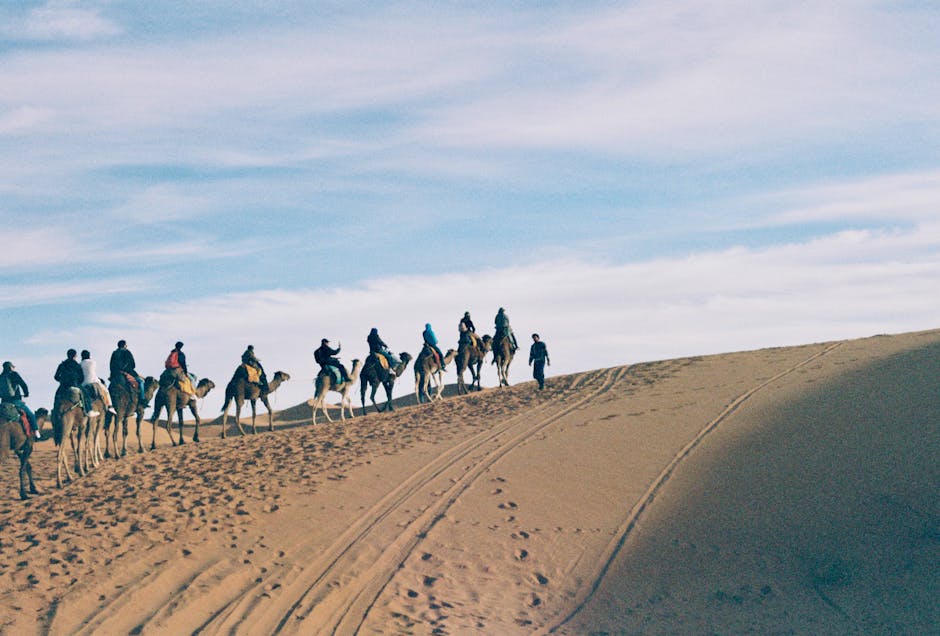
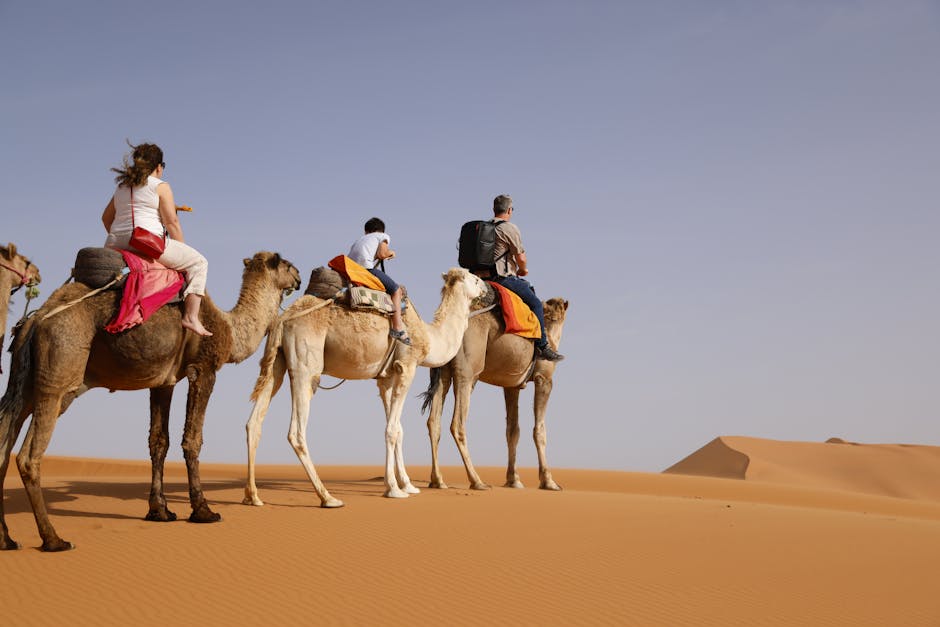
The Sahara is the quintessential desert adventure destination. Spanning much of North Africa, its Moroccan section—particularly around Merzouga and Zagora—draws travelers with golden dunes that stretch to the horizon. A multi-day camel trek into the Erg Chebbi dunes is a classic experience.
Guided tours typically include riding camels at sunset, sleeping in Berber-style tents under the stars, and waking to a sunrise over rippling sand. Most operators provide meals, bedding, and local guides. The best time to visit is between October and April, when temperatures are milder.
Tip: Bring a scarf or shemagh to protect against sand and sun. Nights can be cold, so pack a warm sleeping bag or ask your tour provider about insulation options.
2. Wadi Rum, Jordan – Desert Jeep Safaris and Rock Climbing
Known as the “Valley of the Moon,” Wadi Rum’s rust-colored sandstone formations and narrow canyons feel otherworldly. This UNESCO World Heritage site offers a mix of 4×4 jeep tours, hiking, and technical rock climbing. Many visitors stay overnight in Bedouin camps, where traditional meals and storytelling under the stars create lasting memories.
Adventure seekers can combine a jeep safari with a climb up Burj al-Hash or a hike through the narrow Siq canyon. Guided tours are essential for safety and cultural insight. Wadi Rum is accessible year-round, but spring (March–May) and autumn (September–November) offer the most comfortable weather.
Warning: Summer temperatures can exceed 40°C (104°F). Always carry extra water and avoid midday excursions during peak heat.
3. Atacama Desert, Chile – Stargazing and High-Altitude Exploration
The Atacama Desert in northern Chile is the driest non-polar desert on Earth. Its high altitude (over 2,400 meters) and minimal light pollution make it a premier destination for astronomy. Many visitors base themselves in San Pedro de Atacama, a small oasis town surrounded by geysers, salt flats, and lunar-like valleys.
Adventure options include hiking the Valle de la Luna (Moon Valley), soaking in high-altitude hot springs, and visiting the El Tatio geyser field at dawn. Guided night tours with telescopes offer close views of the Milky Way, planets, and nebulae. The dry climate means clear skies most of the year.
Takeaway: Acclimatize slowly to avoid altitude sickness. Drink plenty of water and avoid alcohol for the first 24 hours.

4. Namib Desert, Namibia – Dune Climbing and Wildlife Safaris
Home to the world’s oldest desert and some of the tallest sand dunes on the planet, the Namib offers a unique blend of adventure and wildlife. Sossusvlei, with its iconic red dunes and dead acacia trees, is a photographer’s dream. Climbing Dune 45 at sunrise is a must-do for many travelers.
Beyond the dunes, the nearby Skeleton Coast and Etosha National Park offer opportunities to spot desert-adapted elephants, lions, and rhinos. Multi-day safaris often combine dune hikes with game drives. The best time to visit is May to October, when temperatures are cooler and wildlife is more active.
Note: Sand gets extremely hot by midday. Wear closed-toe shoes and consider gaiters to keep sand out.
5. Sonoran Desert, USA – Hiking and Cultural Immersion
Spanning parts of Arizona, California, and Mexico, the Sonoran Desert is one of the most biodiverse deserts in the world. It’s home to the saguaro cactus, desert tortoises, and a rich Native American heritage. Adventure here includes hiking in Saguaro National Park, exploring Organ Pipe Cactus National Monument, and visiting ancient petroglyph sites.
Guided cultural tours with Tohono O’odham guides offer insight into traditional desert survival techniques and spiritual practices. The desert also hosts unique events like the annual Tucson Gem and Mineral Show. Spring (March–May) is ideal for wildflower blooms and mild weather.
Warning: Rattlesnakes and scorpions are present. Stay on marked trails and avoid touching unfamiliar plants or animals.
6. Dasht-e Kavir, Iran – Off-the-Beaten-Path Exploration
One of the least-visited deserts on this list, Iran’s Dasht-e Kavir (Great Salt Desert) offers raw, untouched landscapes. Located in central Iran, it features salt flats, mud volcanoes, and seasonal lakes. Adventure here is best suited for experienced travelers with local guides.
Overland expeditions often include 4×4 driving, camping in remote areas, and visiting nearby historical sites like Yazd, a UNESCO-listed city known for its wind towers and Zoroastrian culture. Travelers should be aware of visa requirements and regional advisories.
Takeaway: This destination rewards patience and cultural curiosity. Respect local customs, especially regarding dress and photography.
7. Simpson Desert, Australia – 4WD Expeditions and Aboriginal Heritage
Stretching across parts of South Australia, Queensland, and the Northern Territory, the Simpson Desert is famous for its parallel red sand dunes and remote outback charm. Crossing the desert via the French Line Track is a bucket-list challenge for 4WD enthusiasts.
Most expeditions take 5–7 days and require careful planning, including carrying extra fuel, water, and emergency supplies. Along the way, travelers can visit Aboriginal rock art sites and learn about the traditions of the Wangkangurru Yarluyandi people.
Warning: Mobile coverage is nonexistent. Always travel with a satellite communicator and inform others of your route.
8. Danakil Depression, Ethiopia – Extreme Geology and Volcanic Landscapes
One of the hottest and most inhospitable places on Earth, the Danakil Depression offers an adventure like no other. Located in the Afar region, it features active volcanoes, sulfur springs, and salt flats. The Erta Ale volcano, with its persistent lava lake, is a rare geological phenomenon.
Guided tours from Mekele typically last 3–4 days and include visits to Dallol’s colorful hydrothermal fields and the salt mines worked by Afar miners. This destination is not for the faint of heart—temperatures often exceed 50°C (122°F), and political instability can affect access.
Takeaway: Only travel with reputable operators who provide armed escorts and full safety briefings.
How to Choose the Right Desert Adventure
With so many options, selecting the right desert adventure depends on your interests, fitness level, and travel style. Consider what kind of experience you want: solitude, culture, physical challenge, or natural beauty.
If you’re new to desert travel, start with a well-organized tour in Morocco or Chile. These destinations offer good infrastructure, English-speaking guides, and manageable climates. More experienced adventurers might prefer remote destinations like the Simpson or Danakil.
Always assess your physical readiness. Desert hiking, dune climbing, and high-altitude trekking can be strenuous. Consult a doctor if you have health concerns, especially related to heat or altitude.
Essential Gear and Preparation Tips
Proper preparation is critical for desert safety and comfort. Pack lightweight, breathable clothing that covers your skin to protect against sun and sand. A wide-brimmed hat, UV-blocking sunglasses, and high-SPF sunscreen are non-negotiable.
Footwear matters. Sturdy hiking boots with ankle support are ideal for rocky terrain, while sand socks or gaiters help in sandy areas. Bring a reusable water bottle and aim to drink at least 3–4 liters per day, more in extreme heat.
Navigation tools are essential. Even with a guide, carry a physical map, compass, or GPS device. Download offline maps before heading out. A headlamp with extra batteries is useful for night activities.
First aid kits should include blister treatment, antiseptic, rehydration salts, and any personal medications. Inform someone of your itinerary and expected return time.
Safety and Environmental Responsibility
Deserts are fragile environments. Practice Leave No Trace principles: pack out all trash, avoid disturbing wildlife, and stay on designated trails. Never remove rocks, artifacts, or plants—these are part of the desert’s natural and cultural heritage.
Respect local communities. In places like Wadi Rum or the Sonoran Desert, indigenous people have lived for generations. Support local guides, buy handmade goods directly from artisans, and ask permission before photographing people.
Weather can change quickly. Sudden sandstorms, flash floods, or extreme temperature swings are possible. Always check forecasts and heed warnings from local authorities.
Best Times to Visit Desert Destinations
Timing is everything in desert travel. Most deserts are best visited during cooler months. In the Northern Hemisphere, this typically means autumn (September–November) and spring (March–May). Winter can be ideal in some regions, but nights may be freezing.
In the Southern Hemisphere, such as in Namibia or Chile, the best window is usually April to September. Avoid summer months when possible—heat can be dangerous and limit daytime activities.
Some destinations, like the Atacama, are accessible year-round due to their dry climate. Others, like the Danakil, are only safe during specific seasons due to political or environmental factors.
Final Thoughts
Desert adventures offer more than just scenic beauty—they provide a chance to test limits, embrace simplicity, and experience the raw power of nature. From the rolling dunes of the Sahara to the volcanic plains of Ethiopia, each destination presents a unique challenge and reward.
Whether you’re seeking solitude, cultural connection, or adrenaline-fueled exploration, there’s a desert adventure that fits your spirit. With proper planning, respect for the environment, and a spirit of curiosity, your journey can be both safe and transformative.
FAQ
What should I pack for a desert adventure trip?
Essential items include sun protection (hat, sunglasses, sunscreen), lightweight long-sleeve clothing, sturdy footwear, a reusable water bottle, a first aid kit, and a headlamp. Don’t forget a scarf or bandana for sand and dust protection.
Is desert travel safe for solo travelers?
While possible, solo desert travel requires extra caution. It’s safer to join guided tours, especially in remote or politically sensitive areas. Always share your itinerary with someone and carry emergency communication devices.
How much water should I drink in the desert?
Experts recommend drinking at least 3–4 liters of water per day in hot desert conditions. Increase intake during physical activity or extreme heat. Watch for signs of dehydration, such as dizziness, dry mouth, or reduced urination.