
Top Food and Culinary Travel Escapes for Tasty Trails
Food lovers seeking unforgettable travel experiences have more options than ever. From street food tours in Bangkok to truffle hunting in Tuscany, culinary travel blends flavor, culture, and adventure. These top food and culinary travel escapes offer immersive ways to explore local ingredients, cooking techniques, and regional traditions. Whether you’re a seasoned foodie or a curious traveler, these destinations provide hands-on experiences that go beyond the typical restaurant visit.
Why Culinary Travel Is More Than Just Eating
Culinary travel is about connection—between people, places, and ingredients. It’s not just about tasting new dishes; it’s about understanding the stories behind them. Travelers gain insight into local agriculture, family recipes, and cultural rituals tied to food.
Unlike standard tourism, food-focused trips often include cooking classes, market visits, and farm-to-table experiences. These activities deepen appreciation for regional cuisine and support local economies. For many, it’s a way to travel more meaningfully.
What Makes a Great Culinary Destination?
Top culinary travel escapes share common traits: strong local food culture, accessible markets, skilled chefs, and opportunities for hands-on learning. The best destinations also offer variety—street snacks, fine dining, and everything in between.
Safety, hygiene, and sustainability matter too. Travelers should feel confident in food handling practices and seek out eco-conscious operators. Researching local customs, like tipping or dress codes at markets, helps avoid misunderstandings.
Top 10 Food and Culinary Travel Escapes
These destinations stand out for their rich food scenes, authentic experiences, and traveler-friendly infrastructure. Each offers a unique flavor of its culture through food.
1. Tokyo, Japan – A Symphony of Precision and Flavor
Tokyo is a global leader in culinary excellence, home to more Michelin-starred restaurants than any other city. But its true charm lies in everyday eats: ramen shops, sushi counters, and izakayas.
Visit Tsukiji Outer Market for fresh seafood, seaweed, and kitchen tools. Join a sushi-making class with a local chef or explore neighborhood eateries in Shinjuku and Shibuya. Don’t miss seasonal specialties like sakura mochi in spring.
2. Oaxaca, Mexico – The Soul of Mexican Cuisine
Oaxaca is Mexico’s culinary heartland, famous for mole, tlayudas, and mezcal. Its markets, like Mercado 20 de Noviembre, burst with color and aroma.
Take a cooking class to learn how to prepare seven types of mole. Visit a mezcal distillery in the countryside or join a chocolate-making workshop using traditional stone grinders. Oaxaca’s food reflects its indigenous roots and Spanish influences.
3. Lyon, France – The Gastronomic Capital of France
Known as the food capital of France, Lyon offers a refined yet approachable culinary scene. Its bouchons—traditional Lyonnais bistros—serve hearty dishes like quenelles and andouillette.
Explore Les Halles de Lyon Paul Bocuse, a gourmet food hall with local cheeses, charcuterie, and pastries. Book a guided food tour or attend a wine-tasting session in nearby Beaujolais. Lyon balances tradition with innovation.
4. Bangkok, Thailand – Street Food Paradise
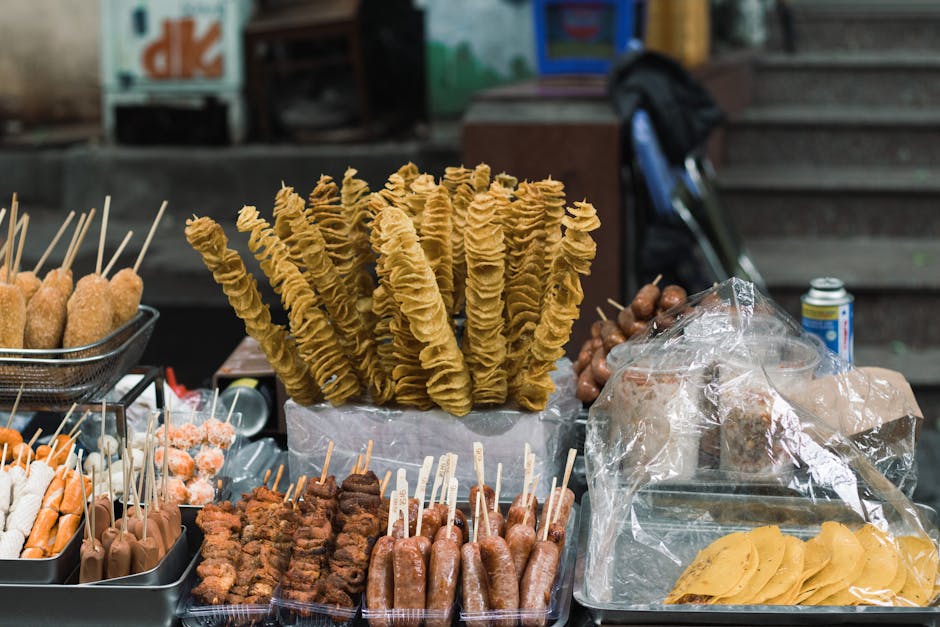
Bangkok’s street food is legendary—spicy, sweet, sour, and savory all at once. From pad Thai to mango sticky rice, flavors are bold and balanced.
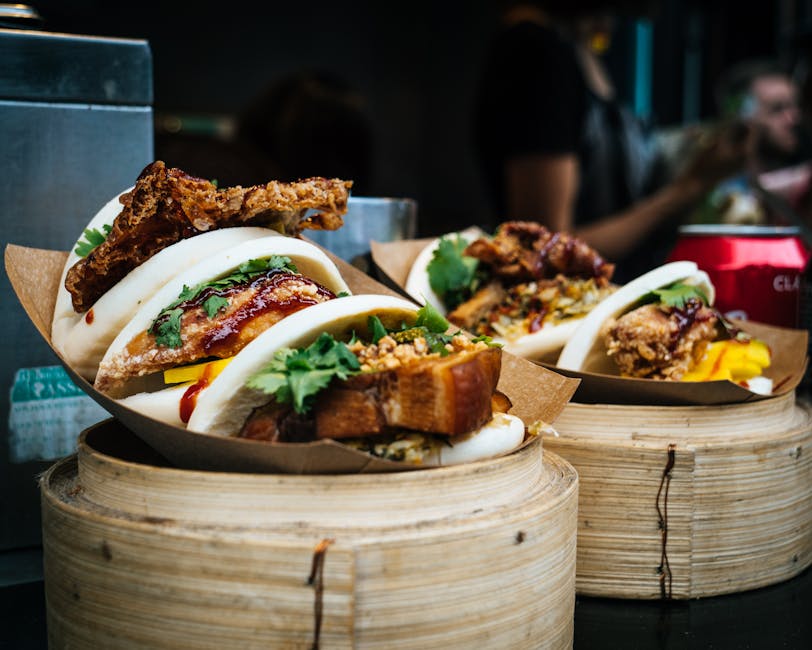
Join a guided night food tour through Chinatown or Khao San Road. Learn to cook green curry or tom yum soup in a half-day class. Always drink bottled water and choose stalls with high turnover for freshness.
5. Tuscany, Italy – Farm-to-Table Simplicity
Tuscany’s cuisine celebrates simplicity: olive oil, bread, tomatoes, and herbs. Stay on an agriturismo farm to experience rural Italian life.
Participate in olive harvesting in autumn or truffle hunting with a local dog in winter. Take a pasta-making class using handmade dough and seasonal sauces. Pair meals with Chianti wine from nearby vineyards.
6. Marrakech, Morocco – Spices and Tradition
Marrakech’s food scene blends Berber, Arab, and French influences. The medina’s food stalls and rooftop restaurants offer a sensory feast.
Visit the spice markets in the souks and learn to blend ras el hanout. Join a tagine-cooking class or sip mint tea in a traditional riad. Be cautious with raw salads and unpeeled fruits to avoid stomach issues.
7. Lima, Peru – A Fusion of Flavors
Lima is a rising star in global gastronomy, blending indigenous, Spanish, African, and Asian influences. Ceviche, lomo saltado, and anticuchos are must-tries.
Take a ceviche-making class at a local culinary school or tour a pisco distillery. Visit Mercado de Surquillo for fresh seafood and tropical fruits. Lima’s coastal location ensures some of the world’s best fish.
8. Istanbul, Turkey – Where East Meets West
Istanbul’s food culture reflects its position between Europe and Asia. From simit to baklava, every bite tells a story.
Explore the Spice Bazaar and sample Turkish delight, dried fruits, and teas. Join a cooking class focused on meze and kebabs. Take a Bosphorus cruise with dinner for a scenic twist.
9. San Sebastian, Spain – Pintxos and Pints
San Sebastian, in Spain’s Basque Country, is a pintxo (tapas) paradise. Narrow streets in the Old Town are lined with bars serving creative small plates.
Go on a guided pintxo crawl or learn to prepare Basque dishes like bacalao al pil-pil. Visit the San Telmo Market for fresh seafood and local cheeses. The city’s compact size makes it easy to explore on foot.
10. Chiang Mai, Thailand – Northern Thai Delights
Chiang Mai offers a different side of Thai cuisine—milder, herb-forward, and influenced by Burmese and Lao flavors. Khao soi, a coconut curry noodle soup, is a local favorite.
Join a cooking class in a traditional wooden house or visit a night market for grilled meats and sticky rice. Explore nearby hill tribe villages to learn about indigenous food practices.
How to Plan Your Culinary Travel Escape
Planning a food-focused trip requires research and flexibility. Start by identifying your interests: cooking classes, market tours, or fine dining.
Book experiences in advance, especially popular classes or tours. Check reviews on platforms like TripAdvisor or GetYourGuide. Confirm dietary restrictions with providers.
Step-by-Step Planning Guide
- Choose a destination based on cuisine type and season.
- Research food experiences—cooking schools, tours, festivals.
- Book accommodations near food hubs or markets.
- Pack appropriately—comfortable shoes, reusable containers, stomach remedies.
- Learn basic food phrases in the local language.
- Stay open-minded—try unfamiliar dishes and ask questions.
What to Pack for a Food-Focused Trip
Bring a small daypack for market visits. Include a reusable water bottle, hand sanitizer, and snacks for long travel days. A compact camera helps capture food moments.
Pack lightweight, breathable clothing for hot markets and layered options for cooler evenings. Consider a small notebook to jot down recipes or vendor names.
Safety and Health Tips
Food safety varies by destination. Stick to cooked foods and bottled water in regions with questionable sanitation. Avoid ice in drinks and raw vegetables unless washed in safe water.
Carry probiotics or digestive aids if prone to stomach issues. Inform hosts of allergies in advance. Travel insurance with medical coverage is highly recommended.
Beyond the Plate: Cultural and Sustainable Travel
The best culinary travel experiences respect local culture and environment. Support small businesses, family-run farms, and women-led cooperatives.
Avoid over-touristed spots that compromise authenticity. Choose operators with transparent sourcing and fair labor practices. Leave no trace—bring your own bags and containers.
How to Be a Responsible Food Traveler
- Ask permission before photographing people or food preparation.
- Tip fairly for cooking classes and guided tours.
- Buy local products as souvenirs—spices, sauces, or handmade tools.
- Respect religious food customs, such as halal or vegetarian practices.
- Limit food waste by ordering only what you can eat.
Seasonal Considerations
Timing affects food availability and experiences. Visit Japan during cherry blossom season for special sweets. Go to Italy in autumn for truffle festivals.
Check local food calendars for events like Oaxaca’s Guelaguetza or Thailand’s Songkran. Off-season travel may offer lower prices and fewer crowds.
Making the Most of Your Culinary Adventure
Engage all your senses. Notice the sizzle of a wok, the scent of roasting coffee, the texture of fresh dough. Take notes or photos to remember recipes and places.
Talk to locals—vendors, chefs, fellow travelers. They often share the best hidden spots. Be curious, not critical. Not every dish will suit your palate, and that’s part of the journey.
Documenting Your Food Journey
Keep a travel journal or digital blog. Record dishes, ingredients, and stories. Share recipes with friends back home.
Use social media to connect with food communities. Tag local businesses to support them. But avoid over-posting—stay present during meals.
Bringing the Experience Home
Replicate dishes using local ingredients when possible. Host a dinner party with recipes from your trip. Gift spices or cookbooks as souvenirs.
Support international food brands that partner with small producers. Your continued interest helps sustain culinary traditions.
Final Thoughts
Top food and culinary travel escapes offer more than just great meals—they create lasting memories and deeper cultural understanding. From Tokyo’s precision to Oaxaca’s spice-laden streets, each destination invites you to taste the world differently.
With thoughtful planning and an open mind, any traveler can turn a vacation into a flavorful adventure. The journey isn’t just about where you go, but what you taste along the way.
FAQ
What should I do if I have food allergies on a culinary trip?
Inform tour operators and chefs in advance. Learn key allergy phrases in the local language. Carry translation cards and emergency medication. Stick to simple dishes when in doubt.
Are cooking classes worth it for beginners?
Yes—most classes are designed for all skill levels. They provide hands-on learning, cultural context, and often include a meal. Look for small-group or private sessions for personalized attention.
How can I avoid foodborne illness while traveling?
Choose busy stalls with high turnover, eat cooked foods, and drink bottled water. Avoid raw seafood, unpasteurized dairy, and unpeeled fruits. Wash hands frequently and carry hand sanitizer.