
Helpful Destination Guide to Corfu for Island Escapes
Corfu, Greece’s northernmost Ionian island, blends Venetian charm, lush landscapes, and crystal-clear waters into a compelling island escape. Whether you’re seeking sun-drenched beaches, historic towns, or quiet mountain villages, Corfu delivers a balanced mix of culture, nature, and relaxation. This guide covers everything you need to plan a smooth and enjoyable trip—from where to stay and what to see to practical travel tips and hidden gems.
With over 200 days of sunshine annually and a well-developed tourism infrastructure, Corfu is ideal for first-time visitors and seasoned travelers alike. The island is easily accessible by air or ferry, and its compact size makes it simple to explore in a week or less. From the UNESCO-listed Old Town to secluded coves along the west coast, Corfu offers diverse experiences without the overwhelming crowds of more commercial Greek islands.
Why Visit Corfu?
Corfu stands out among Greek islands for its unique architectural heritage and green interior. Unlike the stark white buildings of the Cyclades, Corfu features pastel-colored houses, cobbled streets, and centuries-old fortresses influenced by Venetian, French, and British rule. This rich history is visible in every corner, from the Liston arcade in Corfu Town to the Achilleion Palace perched above the sea.
The island’s natural beauty is equally impressive. Rolling hills covered in olive groves and cypress trees slope down to dramatic cliffs and sandy beaches. The west coast, especially around Paleokastritsa and Agios Gordios, offers some of the clearest waters in the Ionian Sea. Meanwhile, the north is more rugged and less developed, perfect for those seeking solitude.
Corfu also benefits from a mild Mediterranean climate. Summers are warm but rarely scorching, with average highs around 28–30°C (82–86°F). Spring and autumn are ideal for sightseeing and hiking, with fewer tourists and pleasant temperatures. Even in winter, the island remains green and livable, though many seasonal businesses close.
Getting to Corfu
By Air
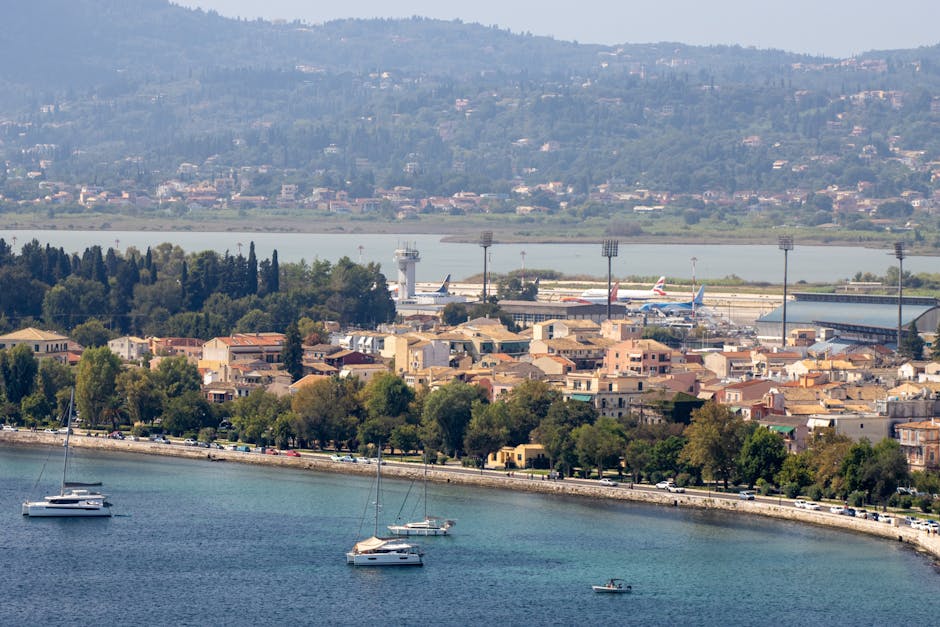
Corfu International Airport (CFU), also known as Ioannis Kapodistrias Airport, is located just 3 kilometers south of Corfu Town. It serves direct flights from major European cities, including London, Frankfurt, Milan, and Vienna, especially during the peak season from April to October. Budget airlines like Ryanair and easyJet offer frequent connections, making it an affordable option for short getaways.
Upon arrival, taxis are readily available and cost around €10–15 to reach the town center. Alternatively, local buses run regularly and are significantly cheaper at about €1.20 per ride. Renting a car at the airport is also straightforward, with several international agencies operating on-site.
By Ferry
For travelers coming from mainland Greece or other Ionian islands, ferries are a scenic and practical option. Ferries from Igoumenitsa on the mainland take about 1.5 hours and operate multiple times daily. During summer, high-speed catamarans reduce travel time to under an hour. These routes are especially popular with road trippers and those bringing vehicles.
Ferries also connect Corfu to Paxos, Lefkada, and Kefalonia, though schedules are less frequent. Booking in advance is recommended during July and August, when demand peaks. Most ferries arrive at the port in Corfu Town, just a short walk from the historic center.
Where to Stay in Corfu
Corfu Town (Kerkyra)
Corfu Town, or Kerkyra, is the island’s cultural and historical heart. Staying here puts you within walking distance of the Old Town, museums, cafes, and the waterfront. It’s ideal for first-time visitors who want convenience and atmosphere. Accommodations range from boutique hotels in restored Venetian mansions to budget guesthouses and modern apartments.
The Old Town is compact and pedestrian-friendly, with narrow alleys, hidden courtyards, and shaded squares. Many hotels offer views of the sea or the twin fortresses that guard the harbor. However, noise can be an issue in central areas, especially during summer nights when bars and restaurants stay busy.
Beach Resorts on the West Coast
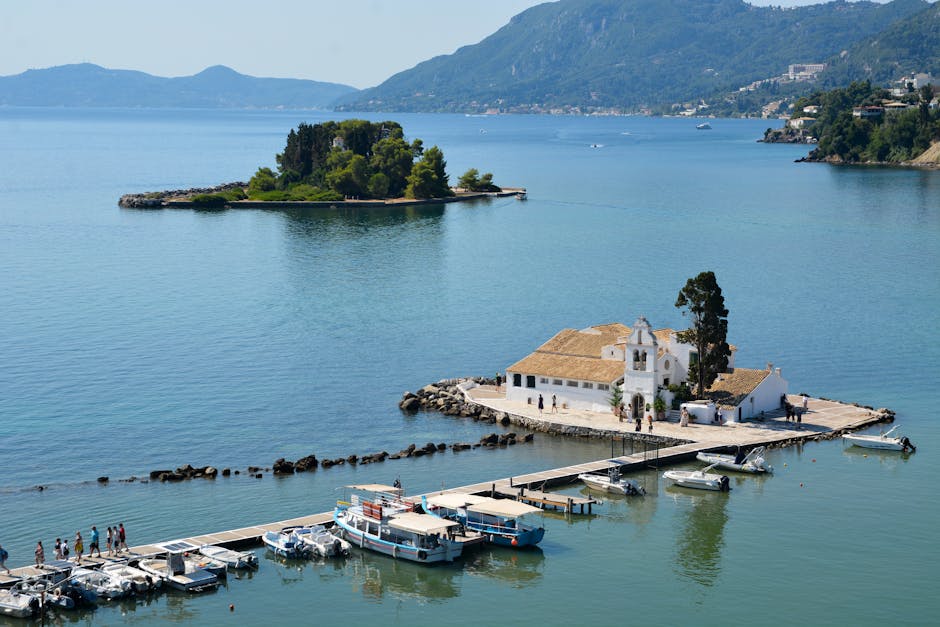
For a classic beach holiday, the west coast offers some of Corfu’s best shoreline. Paleokastritsa is a top choice, known for its six small beaches, clear waters, and the 13th-century monastery overlooking the bay. Resorts here cater to families and couples, with a mix of luxury hotels and mid-range villas.
Agios Gordios and Glyfada are also popular, offering long sandy beaches and a relaxed vibe. These areas have more tourist-oriented amenities, including beach bars, water sports, and organized excursions. While lively during the day, they quiet down in the evenings, making them suitable for those who want activity without chaos.
Quiet Villages in the North and South
Travelers seeking peace and authenticity should consider staying in inland villages or the quieter southern coast. Places like Sinarades, Lakones, and Afionas offer traditional stone houses, panoramic views, and a slower pace. These areas are less developed, with fewer restaurants and shops, but they provide a genuine glimpse into local life.
The south, particularly around Kavos and Lefkimi, is more commercial and geared toward younger crowds. While Kavos is known for nightlife, nearby areas like Boukaris and Agios Matthaios offer quieter alternatives with easy access to beaches.
Top Attractions and Things to Do
Explore the Old Town of Corfu
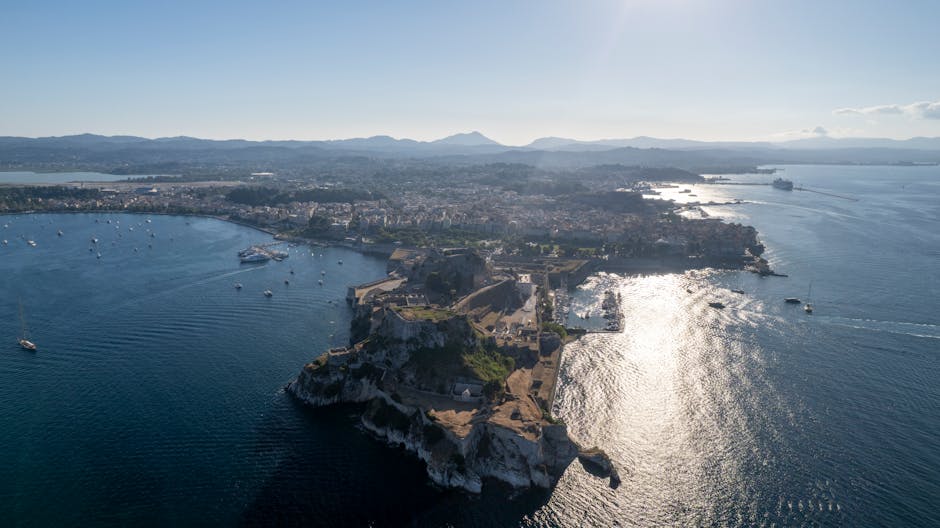
A UNESCO World Heritage Site, Corfu’s Old Town is a maze of narrow streets, historic buildings, and open squares. Start at Spianada Square, the largest square in Greece, flanked by the Liston arcade and the Old Fortress. Climb the ramparts for panoramic views of the town and sea.
Don’t miss the Archaeological Museum, housed in a former British barracks, and the Museum of Asian Art, which features a unique collection donated by a former Greek ambassador. The New Fortress, though less visited, offers quiet walks and great photo opportunities.
Visit the Achilleion Palace
Perched on a hilltop near the village of Gastouri, the Achilleion Palace was built in the late 19th century for Empress Elisabeth of Austria. Inspired by Greek mythology, the palace is dedicated to Achilles and features frescoes, sculptures, and lush gardens.
The museum inside showcases personal artifacts, including the empress’s belongings and paintings by German artist Franz von Matsch. The terrace offers sweeping views of the Ionian Sea and is a popular spot for sunset photos. Allow 1–2 hours for the visit, and consider combining it with a stop in nearby Benitses.
Relax at Paleokastritsa Beach
Often called the most beautiful beach in Corfu, Paleokastritsa is a must-visit. The main beach is sandy and sheltered, ideal for swimming and sunbathing. Several smaller coves branch off from the main bay, accessible by foot or boat.
Boat tours depart regularly from the harbor, taking visitors to sea caves and hidden grottos. The water is exceptionally clear, making it great for snorkeling. There are also tavernas and cafes along the shore, so you can spend the whole day here without needing to leave.
Hike the Corfu Trail
For active travelers, the Corfu Trail is a 220-kilometer footpath that crosses the island from north to south. While most visitors don’t complete the entire route, shorter sections offer rewarding day hikes. The stretch from Kassiopi to Avliotes passes through olive groves, coastal cliffs, and traditional villages.
Well-marked trails and downloadable maps make navigation easy. Wear sturdy shoes and carry water, as shade can be limited. The trail is best attempted in spring or autumn when temperatures are cooler.
Take a Boat Trip to Paxos and Antipaxos
Just 1.5 hours by boat from Corfu, the tiny islands of Paxos and Antipaxos are perfect for a day trip. Antipaxos, in particular, is famous for its turquoise waters and red wine vineyards. Most tours include stops for swimming, snorkeling, and lunch at a seaside taverna.
Boats depart from Corfu Town and Gouvia Marina. Booking in advance ensures a spot, especially in high season. These trips are family-friendly and usually last 6–8 hours.
Local Cuisine and Dining
Corfu’s cuisine reflects its diverse history, blending Greek, Italian, and Venetian influences. Unlike other Greek islands, Corfiot food features more herbs, cream, and meat dishes. Must-try specialties include pastitsada (a rich meat stew with pasta), sofrito (veal in garlic sauce), and bourdeto (spicy fish stew).
Local cheeses like kefalotyri and graviera are widely used, and fresh seafood is abundant. Olive oil is a staple, and Corfu produces high-quality oil from its ancient trees. Don’t miss trying kumquat liqueur, a sweet, citrus-based spirit unique to the island.
Dining options range from casual tavernas to upscale waterfront restaurants. In Corfu Town, look for eateries in the narrow streets behind the Liston. In beach areas, seaside tavernas serve grilled fish and meze platters. Many restaurants offer vegetarian options, but vegan choices may require asking in advance.
For a true local experience, visit a kafeneio (traditional coffee house) in a village square. These are social hubs where locals gather for coffee, raki, and conversation. Some also serve simple meals like fava (split pea purée) and dolmades.
Transportation and Getting Around
Corfu is small enough to explore by car, scooter, or public transport, depending on your itinerary. Renting a car gives the most flexibility, especially for visiting remote beaches and villages. Roads are generally well-maintained, but mountain routes can be narrow and winding.
Car rentals start at around €25 per day in the off-season and €40–60 in summer. Book early for better rates and vehicle availability. Parking in Corfu Town can be challenging; use designated lots or hotel parking when possible.
Scooters and ATVs are popular among younger travelers and cost less than cars. Helmets are required by law, and riders must be at least 18. Be cautious on wet or uneven roads, especially in rural areas.
Public buses connect major towns and beaches, with routes running from Corfu Town to destinations like Paleokastritsa, Kassiopi, and Kavos. Tickets cost €1.20–2.50 and can be purchased at kiosks or on board. Schedules are reliable but less frequent in the evening and off-season.
Taxis are widely available and metered, but fares can add up for long distances. Ride-hailing apps are not common, so it’s best to book through hotels or use official taxi stands.
Practical Tips for Travelers
Corfu uses the euro (€), and credit cards are accepted in most hotels, restaurants, and larger shops. However, smaller tavernas and markets may only take cash, so carry some euros for convenience.
The official language is Greek, but English is widely spoken in tourist areas. Learning a few basic phrases like “efharistó” (thank you) and “pos thélete?” (how much?) is appreciated.
Tap water is safe to drink across the island. Bottled water is also readily available. Sunscreen, hats, and reusable water bottles are essential, especially during summer.
Respect local customs, particularly when visiting churches or rural villages. Dress modestly when entering religious sites, and avoid loud behavior in residential areas after 10 PM.
Wi-Fi is available in most accommodations and cafes, but signal strength can vary in remote areas. Consider purchasing a local SIM card if you need reliable data.
Best Time to Visit
The peak season runs from late June to early September, when the weather is hottest and the island is at its busiest. This is ideal for beach lovers and those wanting a lively atmosphere, but expect higher prices and crowds.
Late April to early June and September to mid-October offer the best balance of good weather, fewer tourists, and lower costs. These shoulder months are perfect for sightseeing, hiking, and enjoying outdoor dining without the summer rush.
Winter (November to March) is quiet, with many hotels and restaurants closed. However, the island remains beautiful, and it’s a great time for budget travelers or those seeking a peaceful retreat. Some cultural sites and museums stay open, though with reduced hours.
Safety and Health
Corfu is generally safe for travelers, with low crime rates. As with any destination, keep an eye on your belongings in crowded areas and avoid isolated beaches at night. Traffic can be chaotic in towns, so use crosswalks and stay alert when walking or cycling.
Medical care is available at the Corfu General Hospital in Garitsa and several private clinics. Pharmacies are widespread and well-stocked. EU citizens should carry a European Health Insurance Card (EHIC). Travel insurance is recommended for all visitors.
Swimming is safe at monitored beaches, but always check for warning flags. Strong currents can occur on the west coast, especially after storms. Never swim alone in remote areas.
Environmental Responsibility
Corfu’s natural beauty is one of its greatest assets. Help preserve it by avoiding single-use plastics, staying on marked trails, and not disturbing wildlife. Many beaches now have recycling bins, and some hotels offer eco-friendly amenities.
Support local businesses by eating at family-run tavernas and buying souvenirs from artisans. Avoid mass-produced items and opt for handmade goods like olive wood crafts or kumquat products.
FAQ
Is Corfu suitable for families?
Yes, Corfu is very family-friendly. Many beaches have shallow, calm waters, and there are plenty of activities for children, from boat trips to water parks. Resorts in Paleokastritsa and Agios Gordios cater specifically to families.
Do I need a car to get around Corfu?
Not necessarily. Public buses cover major routes, and taxis are affordable for short trips. However, a car or scooter is recommended if you plan to explore remote villages, hidden beaches, or the Corfu Trail.
What is the local currency, and can I use cards?
The euro (€) is used. Credit and debit cards are widely accepted in hotels and restaurants, but carry cash for small purchases, markets, and rural tavernas.