
Best Travel Tips for Enjoying Scenic Road Trips
Scenic road trips offer a unique way to explore landscapes, unwind, and create lasting memories. To make the most of your journey, planning ahead is essential. Start by choosing routes known for their natural beauty—like the Pacific Coast Highway or Blue Ridge Parkway—and avoid peak traffic times. Pack light but include essentials: snacks, water, a first-aid kit, and offline maps. Prioritize comfort, safety, and flexibility to transform a simple drive into an unforgettable adventure.
Plan Your Route with Purpose
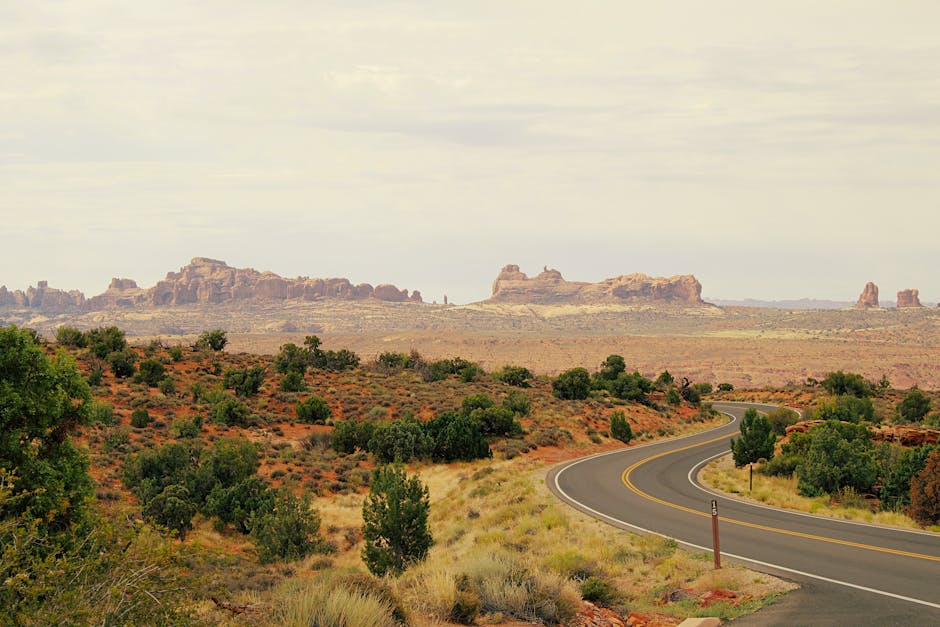
Not all scenic roads are created equal. Some routes wind through dramatic mountain passes, while others hug coastlines or cut through desert canyons. Research your destination thoroughly before hitting the road.
Choose Routes with Proven Scenic Value
Stick to highways and byways recognized for their views. The Pacific Coast Highway in California offers ocean cliffs and redwood forests. In the fall, Vermont’s Route 100 bursts with autumn colors. These roads are popular for good reason—they deliver consistent visual rewards.
Use Mapping Tools Wisely
Google Maps and Apple Maps are helpful, but they don’t always highlight the most scenic detours. Use apps like Roadtrippers or AllTrails to find hidden overlooks, short hiking trails, or photo-worthy stops. Set waypoints for rest areas with views, not just gas stations.
Avoid Rush Hour and Peak Seasons
Even the most beautiful roads lose their charm in bumper-to-bumper traffic. Leave early in the morning or travel midweek when possible. In national parks, arrive before 9 a.m. to secure parking at popular trailheads.
Pack Smart for Comfort and Safety
What you bring—or don’t bring—can make or break your trip. Overpacking leads to clutter and fatigue. Underpacking leaves you unprepared for weather changes or emergencies.
Essential Items to Bring
Pack a reusable water bottle, non-perishable snacks (nuts, granola bars), a portable phone charger, and a basic first-aid kit. Include a lightweight blanket and a small pillow for impromptu breaks. Sunglasses, sunscreen, and a hat protect against glare and UV exposure.
Clothing That Adapts
Weather on scenic routes can shift quickly. Wear layers—light jacket, long-sleeve shirt, and moisture-wicking base layer. Comfortable walking shoes are a must, even if you’re not planning long hikes. Flip-flops won’t cut it on rocky trails.
Don’t Forget the Car Kit
Check tire pressure, oil level, and windshield wipers before departure. Carry jumper cables, a flashlight, and a reflective triangle. If you’re traveling in remote areas, consider a spare fuel can or a satellite communicator.
Stay Safe on the Road
Scenic roads often mean winding lanes, narrow shoulders, and unpredictable weather. Safety should never be an afterthought.
Drive Defensively
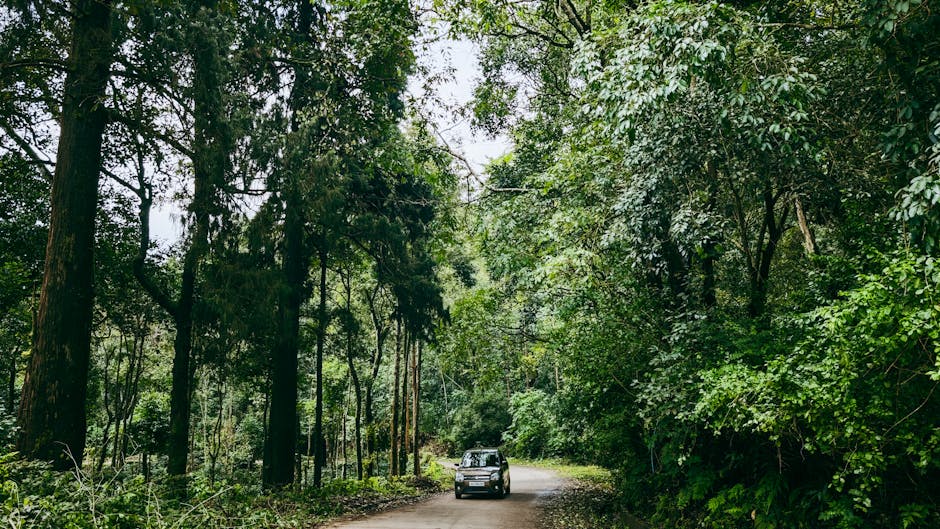
Stay alert, especially on mountain roads with sharp curves. Use lower gears on descents to avoid brake overheating. Never stop on blind corners or narrow bridges—pull into designated overlooks instead.
Watch for Wildlife
In rural and forested areas, animals like deer, elk, or moose may cross unexpectedly. Drive slower at dawn and dusk when visibility is low and animals are most active. Honk briefly if you spot movement near the roadside.
Know Your Limits
Fatigue is a silent danger. Take a break every two hours or 100 miles. Switch drivers if possible. If you feel drowsy, pull over in a safe spot and rest—even 20 minutes can restore alertness.
Capture the Moment—Without Distractions
It’s tempting to snap photos at every turn, but distracted driving is dangerous. Plan photo stops in advance.
Use Pullouts and Overlooks
Most scenic routes have designated areas for stopping. Use them. Never stop in the middle of the road or on a curve. If no pullout is available, drive to the next safe spot.
Let Passengers Handle the Camera
If you’re driving, keep your eyes on the road. Assign a passenger to take photos or manage the GPS. This keeps everyone safer and ensures you don’t miss key moments.
Respect the Environment
Leave no trace. Carry out all trash, including food wrappers and tissues. Stay on marked trails when exploring. Avoid loud music or drones that disturb wildlife and other travelers.
Make Time for Spontaneity
While planning is important, some of the best experiences happen off the map.
Follow Local Recommendations
Stop at small-town visitor centers or chat with locals. They often know hidden gems—like a quiet lake, a family-run diner, or a sunrise viewpoint—that aren’t in guidebooks.
Embrace Detours
If a side road looks promising, take it—within reason. A gravel path might lead to a waterfall or a historic bridge. Just check road conditions first. Avoid unmarked or private roads.
Schedule Downtime
Don’t pack every hour with driving. Build in time to sit by a lake, read under a tree, or enjoy a picnic. These quiet moments often become the most memorable parts of the trip.
Choose the Right Vehicle
Your car matters more than you think. A vehicle that’s ill-suited for the terrain can turn a dream trip into a breakdown nightmare.
Match Your Car to the Route
For mountain passes or dirt roads, a high-clearance vehicle or SUV is ideal. On paved scenic byways, a sedan is fine. Avoid low-profile sports cars on gravel or uneven surfaces.
Consider Fuel Efficiency and Range
Remote areas may have long stretches between gas stations. Choose a car with good mileage and a large enough tank. Hybrid or electric vehicles work well on shorter scenic loops but may struggle in areas with limited charging.
Rent If Needed
If your car isn’t up to the task, rent one that is. Many rental companies offer SUVs or crossovers suitable for long drives. Book early, especially during peak travel seasons.
Stay Connected—But Not Too Connected
Cell service can be spotty on scenic routes. Prepare accordingly.
Download Offline Maps
Save your route and key areas in Google Maps or Maps.me before leaving. This lets you navigate even without signal. Include nearby hospitals and repair shops in your saved locations.
Bring a Paper Map as Backup
Smartphones fail. Batteries die. A folded paper map is lightweight, reliable, and doesn’t need charging. Keep one in the glove compartment.
Share Your Itinerary
Tell someone your planned route and expected arrival time. Check in periodically if you’re traveling solo. In case of emergency, this helps rescuers locate you faster.
Enjoy Local Flavors Along the Way
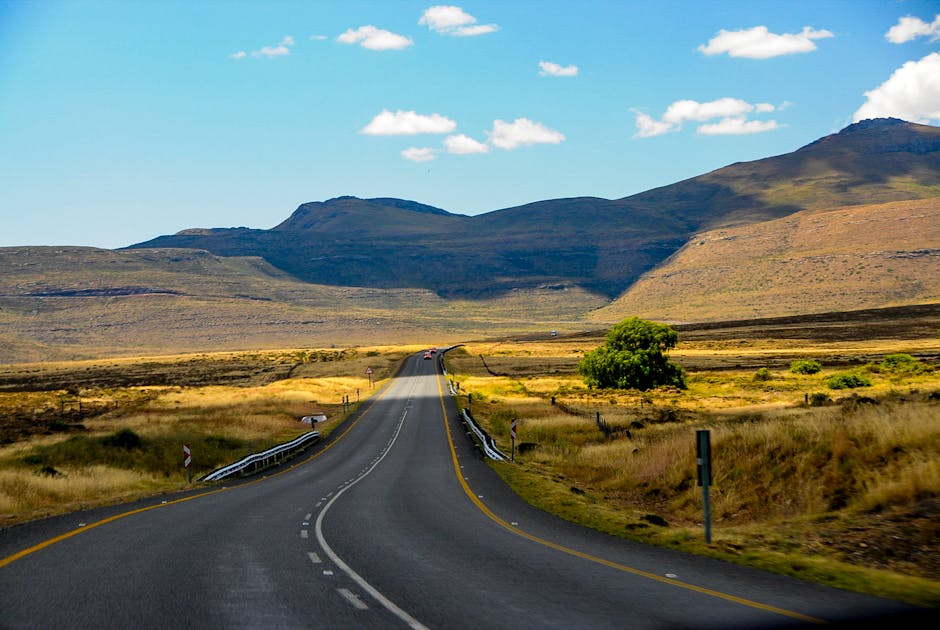
Scenic road trips are as much about the journey as the destination. Local food adds flavor—literally—to your adventure.
Seek Out Regional Specialties
Order a lobster roll in Maine, try green chile stew in New Mexico, or sample fresh peaches in Georgia. These meals become part of the travel story.
Support Small Businesses
Stop at family-owned diners, roadside stands, and local markets. They often offer better food and more authentic experiences than chain restaurants.
Pack a Cooler for Picnics
Buy local produce or sandwiches and eat at a scenic overlook. A simple meal with a view beats a crowded restaurant any day.
Travel Responsibly
Popular scenic routes face strain from overcrowding and environmental damage. Do your part to preserve them.
Stick to Designated Areas
Don’t park on vegetation or block access roads. Use established trails and restrooms. This protects fragile ecosystems and keeps areas open for future travelers.
Reduce Your Footprint
Use refillable water bottles, avoid single-use plastics, and carpool when possible. Choose eco-friendly accommodations if you’re staying overnight.
Follow Park Rules
In national parks and protected areas, follow all posted regulations. These rules exist to protect both visitors and the environment.
FAQs
What’s the best time of year for a scenic road trip?
Spring and fall often offer the most pleasant weather and vibrant scenery. Spring brings wildflowers and waterfalls; fall delivers colorful foliage. Summer is popular but can be crowded and hot in some regions. Winter trips work well in mild climates or for snowy mountain views, but require extra caution.
How many miles should I drive per day on a scenic route?
Limit daily driving to 200–300 miles. This allows time to enjoy stops, take photos, and rest. On winding or remote roads, even 150 miles can take several hours. Prioritize quality over quantity.
Can I camp along scenic highways?
It depends on the location. National forests and some state parks allow dispersed camping in designated areas. Never camp on private land or in prohibited zones. Always check local regulations and obtain permits if required.