
Top Beach and Island Travel Escapes for Tasty Seafood
If you’re dreaming of sun-kissed shores, gentle ocean breezes, and plates piled high with fresh seafood, you’re not alone. The world’s best beach and island destinations don’t just offer stunning views—they serve up some of the most flavorful, sustainably caught seafood you’ll ever taste. From hidden coves in Greece to bustling fish markets in Japan, these coastal escapes combine natural beauty with culinary excellence. Whether you’re a seasoned traveler or planning your first seaside getaway, this guide highlights top beach and island travel escapes where the catch of the day is as memorable as the sunset.
Why Seafood Lovers Should Choose Beach and Island Destinations
Fresh seafood tastes better when it’s pulled straight from the water and cooked within hours. Beach and island destinations offer unmatched access to local catches, often prepared with generations-old techniques. Unlike inland restaurants that rely on frozen imports, coastal eateries serve fish, shellfish, and crustaceans at peak freshness.
These locations also tend to emphasize sustainable fishing practices. Many island communities depend on healthy oceans, so they prioritize responsible harvesting. Dining by the shore means supporting local economies while enjoying meals that reflect regional flavors—whether it’s coconut-infused crab in Thailand or grilled octopus in Portugal.
The Connection Between Location and Flavor
Water temperature, currents, and local ecosystems influence seafood flavor. Cold-water fish like cod and halibut have firm, mild flesh, while tropical species such as snapper and grouper are sweeter and more delicate. Islands near nutrient-rich currents—like those off the coast of Peru or New Zealand—often produce exceptionally rich and diverse marine life.
Even preparation methods vary by region. In the Caribbean, seafood is often spiced with allspice and Scotch bonnet peppers. In Scandinavia, it’s preserved through smoking or curing. These traditions aren’t just cultural—they enhance the natural taste of the catch.
Top Beach and Island Destinations for Seafood Enthusiasts
Sicily, Italy – A Mediterranean Seafood Haven
Sicily’s coastline is dotted with fishing villages where daily catches are transformed into simple yet sublime dishes. At a waterfront trattoria in Taormina, you might find grilled swordfish drizzled with olive oil and lemon, or pasta con le sarde—a traditional dish with sardines, wild fennel, and pine nuts.
The island’s proximity to the Ionian and Tyrrhenian Seas ensures a steady supply of tuna, sea bream, and cuttlefish. Visit the Mercato del Pesce in Catania for a morning market experience, where vendors shout over mounds of glistening fish. For a quieter meal, head to a family-run osteria in Cefalù, where the chef might serve you seafood risotto made with locally foraged herbs.
Phuket, Thailand – Tropical Flavors and Ocean Views
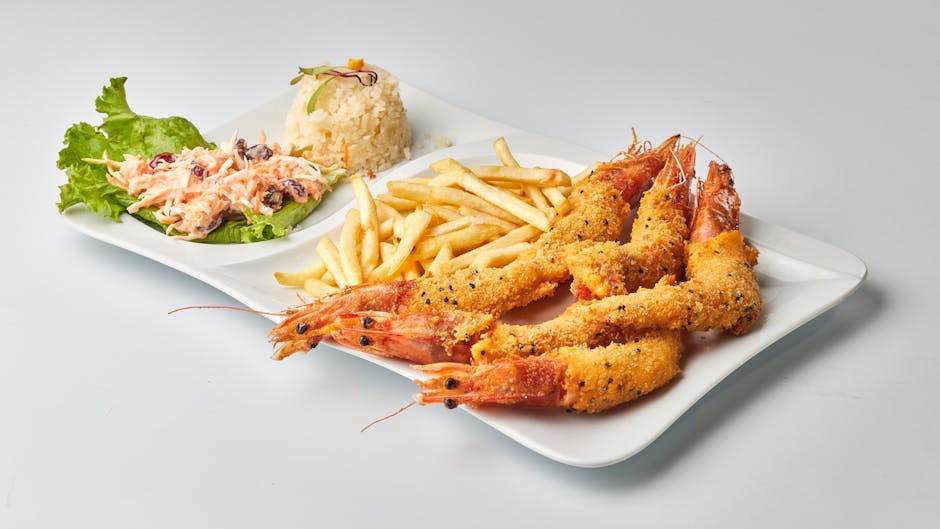
Phuket blends white-sand beaches with a vibrant seafood scene. At Patong Beach, beachfront shacks grill prawns and squid over open flames, while upscale restaurants in Kamala serve blue crab curry with kaffir lime leaves.
One standout experience is dining at a floating restaurant in Phang Nga Bay. These wooden platforms, anchored near limestone cliffs, offer fresh crab, mussels, and barramundi caught that morning. The combination of dramatic scenery and bold Thai spices—lemongrass, galangal, and chili—makes every bite unforgettable.
Barbados – Caribbean Freshness with a Cultural Twist
Known for its flying fish and cou-cou, Barbados delivers seafood with a distinctly Caribbean flair. The island’s coral reefs and warm waters support a rich variety of fish, including dolphin fish (mahi-mahi) and snapper.
At Oistins Fish Fry, a Friday night tradition, locals and tourists gather for grilled fish served with bakes (fried dough) and macaroni pie. The atmosphere is lively, with reggae music and the scent of charred fish filling the air. For a more refined experience, try The Cliff in St. James, where seared tuna is paired with tropical fruit salsas.
Okinawa, Japan – Island Simplicity and Umami Depth
Okinawa’s subtropical climate and clear waters produce some of Japan’s finest seafood. Unlike mainland Japanese cuisine, which often emphasizes raw preparations, Okinawan cooking includes grilling, stewing, and simmering.
Try goya champuru with grilled octopus or tuna katsu at a local izakaya in Naha. The island is also famous for its sea grapes (umibudō), a salty, crunchy seaweed often served as a side dish. For a full seafood feast, visit Makishi Public Market, where you can select your fish and have it cooked on the spot.
Maldives – Overwater Dining and Sustainable Catch
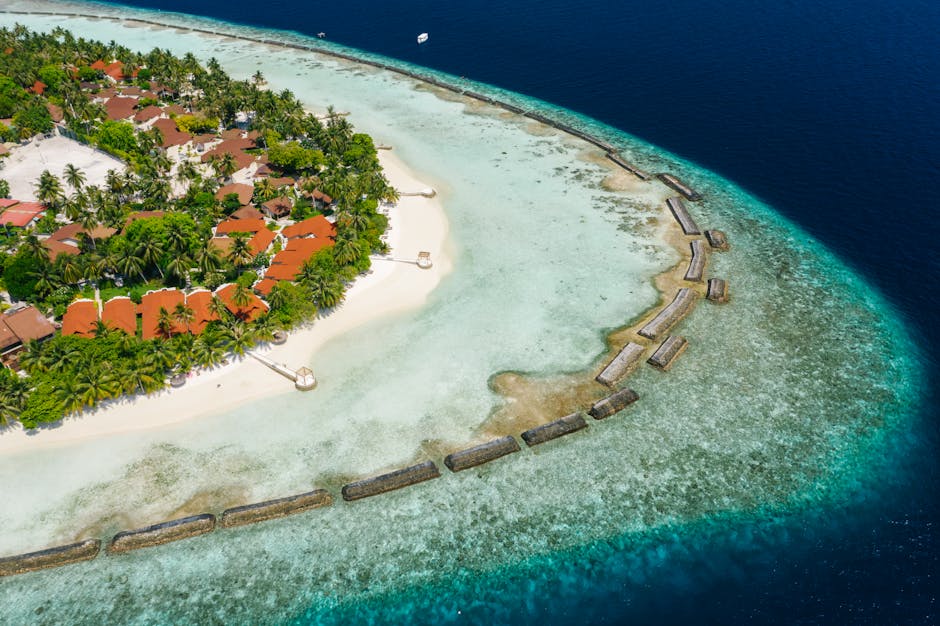
The Maldives is synonymous with luxury, but its seafood culture is deeply rooted in tradition. Most resorts source fish directly from local fishermen, ensuring minimal time between catch and plate.
At an overwater restaurant on Maafushivaru Island, you might enjoy yellowfin tuna tartare with coconut cream or lobster thermidor baked in banana leaves. Many resorts now highlight sustainability, avoiding overfished species and promoting reef-safe practices. This commitment enhances both the ethics and the flavor of each meal.
Galicia, Spain – Europe’s Seafood Powerhouse
Galicia, in northwestern Spain, is a seafood lover’s paradise. Its rugged coastline and strong Atlantic currents support abundant shellfish, especially mussels, clams, and oysters.
The region’s signature dish is pulpo a la gallega—tender octopus boiled in copper pots and served with paprika and olive oil. Head to a pulpería in A Coruña or Santiago de Compostela for an authentic experience. Don’t miss the Rías Baixas estuaries, where mussel rafts produce some of the world’s plumpest bivalves.
Hawaii, USA – A Fusion of Ocean and Culture
Hawaii’s isolation and volcanic waters create a unique marine environment. Local favorites include ahi (yellowfin tuna), opakapaka (pink snapper), and mahimahi.
In Honolulu, visit a food truck in Kaka’ako for poke bowls made with cubed tuna, seaweed, and macadamia nuts. On the Big Island, try imu-cooked fish wrapped in ti leaves—a traditional method that infuses smoky flavor. Many restaurants now partner with Native Hawaiian fishers to honor ancestral practices and protect marine resources.
How to Choose the Best Seafood Spots While Traveling
Look for Local and Seasonal Menus
Restaurants that change their menus daily based on the catch are usually the most reliable. Ask if the fish was caught locally and when. A good sign is a chalkboard listing the day’s specials with the fisherman’s name or boat.
Seasonality matters. In the Mediterranean, sardines are best in summer, while in Alaska, king crab season peaks in winter. Traveling during peak season ensures better quality and lower prices.
Visit Fish Markets and Cooking Demonstrations
Markets offer insight into what’s fresh and how locals prepare seafood. In Sicily, watch as vendors clean swordfish with practiced ease. In Thailand, see how street cooks marinate squid in lime and fish sauce before grilling.
Some markets, like Sydney’s Fish Market or Lisbon’s Mercado da Ribeira, offer cooking classes or tasting tours. These experiences deepen your appreciation and help you identify quality seafood.
Ask Locals for Recommendations
Tourists often flock to the same beachfront restaurants, but locals know the hidden gems. Ask your hotel concierge, a taxi driver, or a shopkeeper where they eat. A small, unmarked shack with a line of regulars is often a better bet than a glossy tourist spot.
Online reviews can help, but prioritize recent comments that mention specific dishes. A five-star rating for “atmosphere” doesn’t guarantee fresh fish.
Sustainable Seafood: What Travelers Should Know
Why Sustainability Matters
Overfishing, bycatch, and habitat destruction threaten marine ecosystems. When travelers choose unsustainable seafood, they contribute to these problems. Conversely, supporting responsible practices helps preserve fish populations and coastal livelihoods.
Look for certifications like MSC (Marine Stewardship Council) or ASC (Aquaculture Stewardship Council) on menus or packaging. These labels indicate that the seafood was sourced with environmental and social responsibility in mind.
Species to Avoid and Sustainable Alternatives
Some fish are overfished or caught using harmful methods. Avoid bluefin tuna, Chilean sea bass, and shrimp from non-certified farms when possible. Instead, choose sardines, mackerel, or farmed mussels, which are abundant and eco-friendly.
In the Caribbean, opt for spiny lobster over rock lobster, which is often overharvested. In Europe, try hake instead of cod in regions where cod stocks are depleted.
How to Support Local Fishermen
Eating at small, family-owned restaurants increases the likelihood that your money goes directly to fishers. Some islands offer “fish-to-table” tours, where you can meet the crew and learn about their methods.
Buying directly from fishermen at docks or markets also supports the local economy. Just ensure the seafood is handled hygienically and stored on ice.
Practical Tips for Seafood Lovers Traveling to Beaches and Islands
Packing Essentials
Bring a reusable water bottle to stay hydrated in the heat. A small cooler bag is useful for carrying snacks or leftovers from the market. Pack motion sickness remedies if you plan to take boat trips to fishing villages.
If you have dietary restrictions, learn key phrases in the local language. In Spanish, say “Sin gluten” for gluten-free; in Japanese, “Niku nashi” means no meat. For shellfish allergies, be extra cautious—cross-contamination is common in seafood-heavy kitchens.
Health and Safety Considerations
Seafood is generally safe when cooked thoroughly, but raw preparations like ceviche or oysters carry risks in areas with poor sanitation. Stick to busy restaurants with high turnover, as this indicates fresh ingredients.
Avoid eating reef fish in tropical regions if you’re unsure of the source. Some species can carry ciguatera toxin, which causes food poisoning. When in doubt, choose open-water fish like tuna or mahi-mahi.
Best Times to Visit for Seafood
Travel just after the fishing season opens for the freshest catches. In Alaska, summer is ideal for salmon and halibut. In the Mediterranean, late spring and early autumn offer abundant shellfish and white fish.
Avoid major holidays when restaurants may be overcrowded and quality inconsistent. Shoulder seasons—like April in Greece or October in Thailand—often provide better value and fewer crowds.
Final Thoughts: Making the Most of Your Seafood Escape
Choosing a beach or island destination for its seafood is about more than just taste—it’s about immersion. You’re not just eating a meal; you’re experiencing a culture, a coastline, and a way of life shaped by the sea.
From the smoky grills of Barbados to the minimalist kitchens of Okinawa, each location offers a unique flavor profile and story. By prioritizing freshness, sustainability, and local expertise, you ensure that your culinary journey is as rewarding as your travel adventure.
Pack your bags, bring your appetite, and let the ocean guide your next escape.
FAQ
Q: How can I tell if seafood is fresh at a beachside restaurant?
Look for clear eyes in whole fish, firm flesh that springs back when pressed, and a clean, ocean-like smell—not a strong fishy odor. Ask when the fish was caught and opt for daily specials.
Q: Are island seafood restaurants expensive?
Prices vary. Street vendors and local markets are usually affordable, while upscale resorts can be pricey. Mid-range family-run restaurants often offer the best balance of quality and value.
Q: Is it safe to eat raw seafood while traveling?
It depends on the location and hygiene standards. In countries with strong food safety regulations—like Japan or Norway—raw seafood is generally safe. In areas with questionable water quality, stick to cooked dishes.