
Ultimate Adventure Travel Guide for Wild Landscapes
Looking to explore raw, untamed nature? This ultimate adventure travel guide for wild landscapes covers everything from planning your journey to staying safe in remote terrain. Whether you’re trekking through Patagonia, kayaking Arctic fjords, or hiking the Himalayas, we’ll help you prepare for unforgettable experiences in Earth’s most rugged environments.
Why Choose Wild Landscape Adventures?
Wild landscapes offer more than scenic views—they provide transformative experiences. These remote areas challenge your limits, connect you with nature, and reward you with solitude and beauty few ever witness.
Unlike crowded tourist destinations, wild landscapes demand preparation, respect, and adaptability. But the payoff is real: deeper self-reliance, clearer perspective, and memories that last a lifetime.
Top Wild Landscape Destinations to Explore
Some regions stand out for their dramatic terrain, biodiversity, and sense of isolation. Here are five must-visit wild landscapes for serious adventurers.
Patagonia: Where Wind Meets Wilderness
Spanning southern Chile and Argentina, Patagonia is a magnet for hikers, climbers, and photographers. Torres del Paine and Los Glaciares National Parks offer glacier hikes, jagged peaks, and unpredictable weather.
Best visited between October and April, the region demands layered clothing and solid footwear. Trails like the W Trek require permits and advance planning.
The Canadian Arctic: Solitude on Ice
From Baffin Island to the Northwest Territories, Canada’s north offers vast tundra, polar wildlife, and the Northern Lights. Expeditions here often involve dog sledding, ice camping, or guided snowmobile tours.
Travel is seasonal—winter (December–March) for aurora and snow activities, summer (June–August) for wildlife and hiking. Expect limited infrastructure and high costs.
Nepal’s Himalayas: High-Altitude Challenge
Home to eight of the world’s ten highest peaks, Nepal offers trekking routes like the Everest Base Camp and Annapurna Circuit. These journeys test endurance and acclimatization.
Permits are required, and altitude sickness is a real risk. Hire local guides and porters—they’re essential for safety and cultural insight.
Namib Desert: Ancient Dunes and Silent Plains
One of Earth’s oldest deserts, Namibia’s Namib offers red dunes, ghost towns, and surreal landscapes. Sossusvlei and Deadvlei are iconic photo spots.
Daytime heat is extreme; travel early morning or late afternoon. 4×4 vehicles are recommended, and water must be carried in abundance.
New Zealand’s South Island: Rugged Coastlines and Mountains
From Fiordland’s rainforests to Aoraki / Mount Cook’s peaks, New Zealand blends diversity with accessibility. Great Walks like the Routeburn Track are well-marked but still remote.
Weather changes fast—pack for rain, wind, and sun. Book huts and campsites well in advance during peak season (December–February).
How to Plan Your Wild Landscape Adventure
Success in remote travel starts with thorough planning. Rushing leads to mistakes, missed permits, or unsafe conditions.
Step 1: Define Your Goals and Limits
Ask yourself: What do you want from this trip? Solitude? Challenge? Photography? Your answer shapes destination, duration, and activity level.
Be honest about fitness, experience, and comfort with uncertainty. Overestimating ability leads to danger in the wild.
Step 2: Research Regulations and Permits
Many wild areas require permits, quotas, or guided tours. In Nepal, trekkers need TIMS cards and park permits. In Patagonia, some trails limit daily hikers.
Check official park websites and local tourism boards. Apply early—some permits sell out months ahead.
Step 3: Choose the Right Season
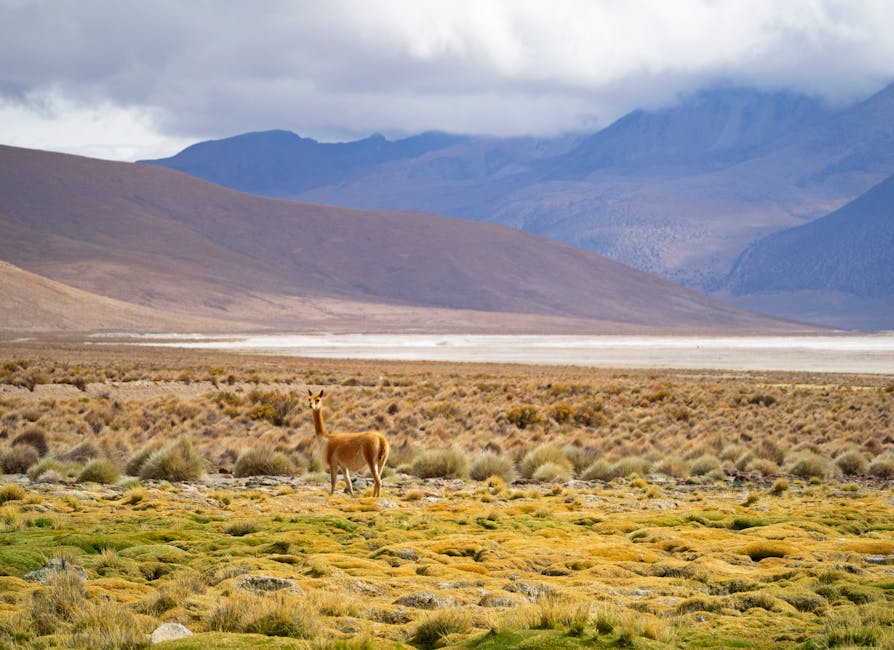
Weather dictates safety and accessibility. The Himalayas are best in spring (March–May) and fall (September–November). The Arctic demands winter or summer, not shoulder seasons.
Avoid monsoon seasons in Southeast Asia or hurricane periods in the Caribbean. Research historical weather patterns, not just averages.
Step 4: Build a Realistic Itinerary
Wild travel rarely follows schedules. Build in buffer days for weather delays, illness, or unexpected discoveries.
Example: A 10-day trek might realistically take 12–14 days with rest and contingencies. Overpacking days leads to burnout.
Essential Gear for Remote Adventures
Your gear can mean the difference between comfort and crisis. Prioritize reliability, weight, and versatility.
Clothing: Layer Smart, Not Heavy
Use the three-layer system: base (moisture-wicking), mid (insulation), outer (weather protection). Merino wool and synthetic fabrics outperform cotton.
Pack spare socks, gloves, and a warm hat—even in summer. Hypothermia can occur above freezing if wet.
Shelter and Sleep Systems
A four-season tent is essential in windy or snowy regions. For deserts, a lightweight tarp may suffice.
Sleeping bags should match the lowest expected temperature. Add a sleeping pad for insulation from the ground—critical in cold climates.
Navigation Tools
GPS devices, topographic maps, and compasses are non-negotiable. Smartphones fail without signal or battery.
Learn basic map and compass skills before you go. Practice in familiar terrain first.
Safety and Communication
Carry a satellite messenger (like Garmin inReach) or personal locator beacon (PLB). These devices allow emergency signaling and two-way messaging.
Share your itinerary with someone at home. Check in regularly if possible.
Staying Safe in the Wild
Risk is part of adventure, but preparation minimizes it. Know your environment and your limits.
Weather Awareness
Check forecasts daily, but expect the unexpected. Sudden storms, whiteouts, or flash floods can occur without warning.
In mountains, afternoon thunderstorms are common. Start early and descend before noon if climbing.
Wildlife Encounters
Research local animals. In bear country (Alaska, Canada), carry bear spray and know how to use it. Store food properly—use bear canisters or hang it away from camp.
In Africa, maintain distance from big cats and elephants. Never approach wildlife for photos.
Hydration and Water Safety
Dehydration worsens fatigue and judgment. Drink regularly, even if not thirsty.
Treat all natural water. Use filters, purification tablets, or boiling. Giardia and other pathogens are common in streams and lakes.
First Aid and Emergency Response
Carry a compact first aid kit with blister care, antiseptic, pain relievers, and any personal medications.
Take a wilderness first aid course. Knowing how to splint a fracture or treat hypothermia saves lives.
Travel Responsibly: Leave No Trace Principles
Wild landscapes thrive when visitors minimize impact. Follow these seven principles to protect nature for future adventurers.
1. Plan Ahead and Prepare
Research regulations, weather, and terrain. Proper prep reduces mistakes and environmental damage.
2. Travel and Camp on Durable Surfaces
Stick to established trails and campsites. Avoid trampling vegetation or creating new paths.
3. Dispose of Waste Properly
Pack out all trash, including food scraps and toilet paper. Bury human waste 6–8 inches deep and 200 feet from water.
4. Leave What You Find
Don’t take rocks, plants, or artifacts. Let others enjoy the same discoveries.
5. Minimize Campfire Impact
Use a camp stove instead of fires where possible. If you must build a fire, use existing fire rings and keep it small.
6. Respect Wildlife
Observe from a distance. Never feed animals—it alters behavior and endangers them.
7. Be Considerate of Other Visitors
Keep noise low, yield on trails, and respect cultural sites. Solitude is part of the wild experience.
Hiring Guides and Local Support
Local guides enhance safety, access, and cultural understanding. They know the land, weather patterns, and hidden routes.
In regions like Nepal or the Amazon, guides are often required. Even where optional, they’re wise investments.
Choose certified, experienced operators. Read reviews, ask about group size, and confirm emergency protocols.
Budgeting for Wild Adventures
Remote travel isn’t cheap, but costs vary widely. Here’s how to plan financially.
Flights and Transportation
International flights to hubs like Kathmandu or Punta Arenas can be pricey. Book early and consider multi-city routes.
Internal travel—flights, buses, ferries—adds up. In Alaska, bush planes are essential but costly.
Permits and Fees
National park fees, trekking permits, and conservation taxes range from $20 to over $500. Include these in your budget.
Gear and Rentals
Buy quality gear, but rent specialty items like ice axes or kayaks if used infrequently.
Some outfitters offer full gear packages—compare costs before deciding.
Food and Accommodation
In remote areas, options are limited. Camping saves money; lodges and huts cost more but offer comfort.
Pack high-calorie, lightweight food. Resupply points may be days apart.
Common Mistakes to Avoid
Even experienced travelers make errors in the wild. Learn from these frequent missteps.
Underestimating the Environment
Assuming a trail is “easy” because it’s popular leads to trouble. Weather, altitude, and terrain are unpredictable.
Poor Communication Plans
Not telling anyone your route or expected return date delays rescue if something goes wrong.
Overpacking or Underpacking
Too much gear slows you down. Too little risks safety. Test your pack on shorter trips first.
Ignoring Local Customs
In indigenous or rural areas, dress modestly, ask before photographing people, and learn basic greetings.
Final Tips for a Successful Adventure
Start small if you’re new to wild travel. Try a weekend backpacking trip before a month-long expedition.
Train physically—hiking with a loaded pack, climbing stairs, or cycling builds stamina.
Stay flexible. The best adventures often come from unexpected changes in plans.
FAQ
What’s the best time of year to visit wild landscapes?
It depends on the region. Generally, spring and fall offer milder weather in temperate zones, while polar areas are best in summer or winter. Always research seasonal conditions for your specific destination.
Do I need special training for remote adventures?
Basic fitness and navigation skills are essential. For high-altitude, technical climbs, or polar travel, formal training in mountaineering, first aid, or cold-weather survival is strongly recommended.
How do I stay connected in remote areas?
Cell service is rare. Use satellite communicators like Garmin inReach or SPOT devices for messaging and emergency alerts. Always carry a physical map and compass as backup.