
Friendly Destination Guide to Naxos for Quiet Beaches
If you’re searching for a Greek island that blends authentic charm with peaceful shorelines, Naxos is your answer. Unlike its more crowded neighbors, Naxos offers a relaxed pace and some of the most serene beaches in the Cyclades. With long stretches of golden sand, shallow waters, and minimal development, it’s ideal for travelers seeking tranquility without sacrificing convenience. Whether you’re planning a solo retreat, a romantic getaway, or a family vacation, this guide will help you discover the quietest beaches and how to enjoy them at their best.
Why Naxos Stands Out for Peaceful Beach Days
Naxos is the largest island in the Cyclades, yet it remains refreshingly uncrowded. While Santorini and Mykonos draw international crowds, Naxos retains a local feel. Its beaches are less commercialized, with fewer hotels and more family-run tavernas. The island’s geography—long, sandy coves protected by headlands—naturally shelters many spots from strong winds and tourist traffic.
Unlike rocky or pebbly shores common in other Greek islands, Naxos features wide, soft-sand beaches that stretch for kilometers. Agios Prokopios and Plaka are prime examples—popular but rarely overwhelming. Even in peak season, you can find a quiet patch if you arrive early or explore lesser-known areas.
Top Quiet Beaches in Naxos
Naxos offers a range of peaceful beaches, each with its own character. Below are five standout options for those prioritizing calm and seclusion.
Agios Prokopios
Agios Prokopios is one of the most beautiful beaches on the island, with powdery sand and turquoise water. Though it’s well-known, its length—over 1.5 kilometers—means space is rarely an issue. Arrive before 10 a.m. to claim a spot away from the main access path.
The beach has sunbeds and umbrellas for rent, but you can easily go without. A short walk east leads to quieter sections near the rocky outcrop. The water is shallow and safe for children, making it a favorite for families seeking both comfort and calm.
Plaka Beach
Stretching over 4 kilometers, Plaka Beach is perfect for long walks and solitude. It’s less developed than Agios Prokopios, with only a few beach bars and tavernas scattered along the road. The western end, near the abandoned windmill, is especially peaceful.
Strong winds often blow here in the afternoon, which keeps crowds thinner. If you’re looking for a breezy, open space with room to breathe, Plaka delivers. Bring water and snacks, as services are limited beyond the central area.
Orkos Beach
Tucked between two rocky headlands, Orkos feels like a hidden cove. It’s accessible via a short dirt path from the main road, which discourages casual visitors. The beach is small but pristine, with soft sand and clear water ideal for swimming.
There are no facilities, so come prepared. The lack of shade means an umbrella or hat is essential. Orkos is best visited in the morning or late afternoon when the sun is lower. It’s a favorite among locals and repeat visitors who value privacy.
Kastraki (Part of the Agios Prokopios Extension)
Kastraki is the quieter continuation of Agios Prokopios, separated by a narrow strip of dunes. It’s less organized, with minimal infrastructure and more natural surroundings. You’ll find fewer people here, especially past the first 200 meters.
The water remains shallow and calm, and the views of the surrounding hills are stunning. A small path leads to a rocky inlet perfect for snorkeling. Kastraki is ideal for those who want beauty without the buzz.
Alyko Beach (Near Apiranthos)
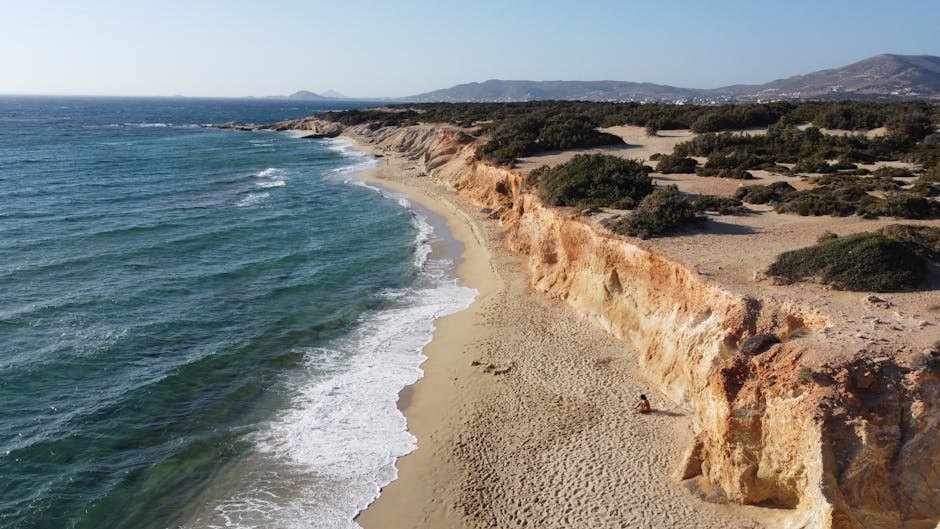
Located on the eastern coast, Alyko is one of the most remote beaches on Naxos. It’s surrounded by a protected forest of sand dunes and juniper trees. Access requires a 15-minute walk from the parking area, which keeps visitor numbers low.
The beach has no facilities, but its untouched beauty is worth the effort. The water is deep blue and crystal clear, great for swimming and photography. Alyko is also a nesting site for sea turtles, so tread lightly and avoid disturbing the dunes.
How to Find Your Perfect Quiet Spot
Even on quiet beaches, timing and location matter. Here’s how to maximize your peace and privacy.
Arrive Early
The best way to secure a peaceful spot is to arrive before 9 a.m. Most tourists don’t reach the beaches until 10:30 or later. Early risers enjoy cooler temperatures, softer light, and first pick of the best patches of sand.
Early mornings also mean fewer boats and jet skis. If you’re staying near the coast, consider walking or biking to the beach to avoid parking hassles.
Explore Beyond the Main Access Points
Many beaches have multiple entry paths. The main road access is usually the busiest. Look for smaller trails leading to the sides or ends of the beach. These often open into quieter zones with fewer people and more natural scenery.
For example, at Agios Prokopios, walking 300 meters east past the lifeguard tower leads to a quieter stretch with fewer rentals and more space. At Plaka, the far western end near the old windmill is rarely crowded.
Visit in Shoulder Seasons
July and August are peak months, but May, June, September, and early October offer excellent weather with far fewer tourists. In May, the sea is cool but swimmable, and wildflowers dot the hillsides. September brings warm water and golden light, with most families gone.
Shoulder seasons also mean lower prices and easier access to accommodations. You’ll have more flexibility to choose quieter areas without competing for space.
Use Local Knowledge
Ask your hotel owner or a local taverna owner for their favorite quiet beach. Many locals know hidden coves or lesser-known access points. A simple question like, “Where do you go to escape the crowds?” often yields the best tips.
Some areas, like the beaches near Mikri Vigla or the northern coast near Apiranthos, are rarely mentioned in guidebooks but offer stunning solitude.
What to Bring for a Comfortable Quiet Beach Day
Since many quiet beaches lack facilities, preparation is key to a relaxing experience.
Essential Items
Bring a large beach towel or mat, sunscreen (SPF 30+), a hat, and plenty of water. A lightweight umbrella or pop-up tent provides shade on beaches without natural cover. A reusable water bottle helps reduce plastic waste and keeps you hydrated.
If you plan to swim, pack a snorkel set. Naxos has clear waters and interesting underwater rock formations, especially near Orkos and Alyko.
Food and Snacks
Pack light meals or snacks, especially if visiting remote beaches. A simple lunch of bread, cheese, olives, and fruit from a local market keeps you fueled without needing to leave the beach.
Some quiet spots are near small villages with bakeries or cafes. In Apiranthos, try the local honey and pastries before heading to Alyko. At Agios Prokopios, a few beachfront tavernas offer fresh seafood if you don’t mind a short walk.
Safety and Etiquette
Always check local weather and sea conditions before heading out. Strong winds, known as meltemi, are common in summer and can make swimming difficult on exposed beaches like Plaka.
Respect the environment. Take all trash with you, avoid stepping on dunes, and do not disturb wildlife. Many quiet beaches are part of protected areas or nesting zones.
Getting Around Naxos to Reach Quiet Beaches
Naxos is best explored with your own transport. Public buses run from Naxos Town (Chora) to major beaches, but schedules are limited and may not align with your ideal timing.
Rent a Car or ATV
A car gives you the freedom to visit multiple beaches in one day and reach remote spots. Rentals are widely available in Chora and at the port. An ATV is a fun alternative for shorter trips and can handle rougher paths.
Parking is usually free but can fill up near popular beaches by mid-morning. Arrive early or park a short walk away to avoid congestion.
Biking and Walking
Naxos has scenic coastal paths and quiet country roads. Biking is a great way to explore at a relaxed pace. Many beaches, like Agios Prokopios and Plaka, are within 10–15 kilometers of Chora and accessible by bike.
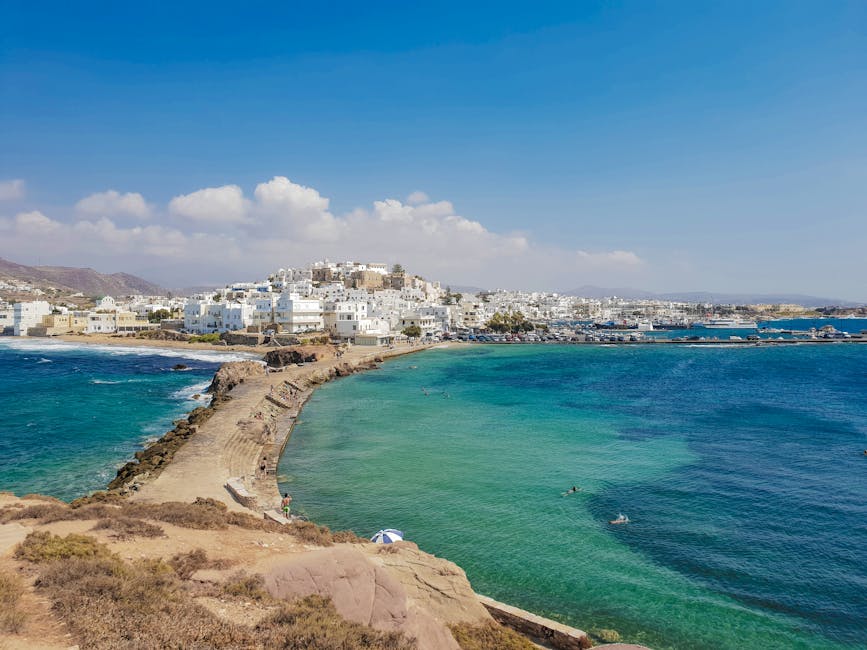
Walking is ideal for nearby beaches. From Chora, it’s a 30-minute walk to Agios Georgios Beach, a quiet urban stretch with views of the port and castle.
Where to Stay for Easy Access to Quiet Beaches
Your choice of accommodation affects how easily you can reach peaceful shores.
Stay in Chora (Naxos Town)
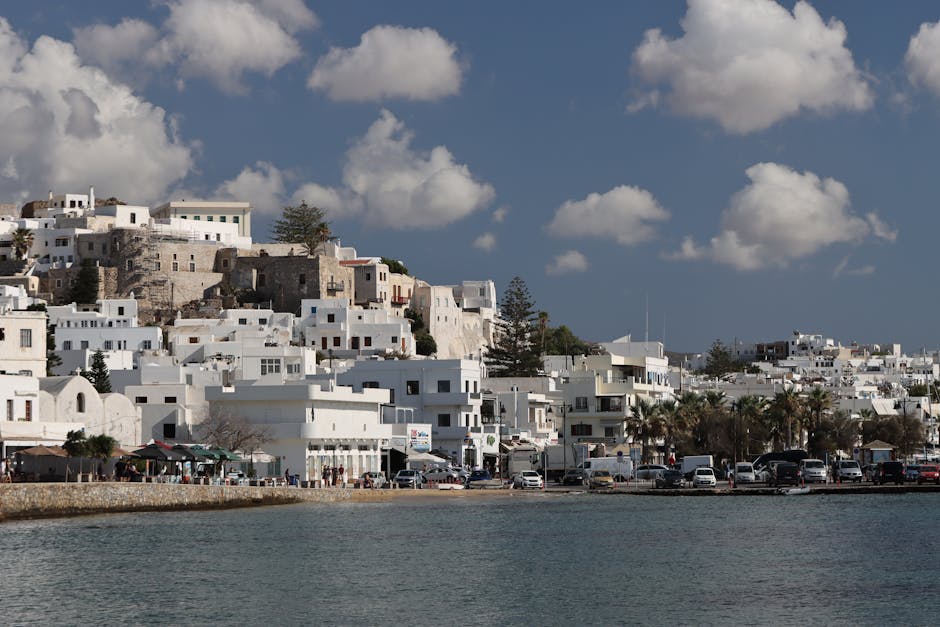
Chora is the island’s hub, with the most hotels, restaurants, and transport links. It’s a good base if you plan to explore different beaches daily. Many quiet beaches are a short drive or bus ride away.
Look for guesthouses or small hotels on the outskirts for more space and quieter surroundings. Avoid the very center if you’re sensitive to noise.
Coastal Villages
Staying in villages like Agios Prokopios, Plaka, or Mikri Vigla puts you steps from the beach. These areas are quieter at night and offer a more local experience. Accommodations range from simple studios to boutique hotels.
Villages often have small markets, bakeries, and tavernas, reducing the need to travel far for essentials.
Countryside Retreats
For maximum peace, consider a villa or farmstay in the interior. Apiranthos, Halki, and Filoti are charming villages surrounded by hills and olive groves. From here, you can drive to quiet beaches in 15–20 minutes.
These areas offer a slower pace, star-filled skies, and authentic Greek life. Ideal for travelers who want to combine beach days with cultural exploration.
Local Tips for a Truly Relaxing Experience
A few insider tips can make your beach days even more enjoyable.
Respect Local Customs
Naxos is a traditional island. Dress modestly when visiting villages or churches. On the beach, topless sunbathing is accepted but not common—most locals and visitors wear swimsuits.
Avoid loud music or large groups on quiet beaches. Many visitors come specifically for peace and quiet.
Support Local Businesses
Buy food, drinks, and souvenirs from local vendors. Family-run tavernas, bakeries, and shops rely on tourism. A simple meal at a small seaside restaurant supports the community and enhances your experience.
Try local specialties like naxian cheese (arseniko and xinotyro), potatoes, and citrus fruits. Many are grown on the island and taste noticeably fresher than imports.
Leave No Trace
Quiet beaches are often less maintained. Carry out everything you bring in. If you see litter, consider picking it up—many locals do the same.
Protecting these spaces ensures they remain peaceful for future visitors.
When to Avoid Certain Beaches
Not all quiet beaches are suitable for every traveler. Here’s what to consider.
Wind Conditions
Beaches on the western and northern coasts, like Plaka and Orkos, can be very windy in the afternoon. If you dislike wind, stick to sheltered coves like Orkos or the eastern beaches near Apiranthos.
Check the daily wind forecast. Apps like Windy or local weather sites give real-time updates.
Accessibility
Some quiet beaches require walking over uneven terrain or climbing small dunes. If you have mobility concerns, choose beaches with paved access, like Agios Prokopios or Stou Porakou.
Always wear appropriate footwear. Flip-flops are fine for short walks, but sandals with better grip are safer on rocky or steep paths.
Water Depth
Most Naxos beaches have shallow water, but some, like Alyko, have deeper drop-offs. If you’re swimming with children, stick to beaches with gradual slopes and lifeguard patrols in summer.
Agios Prokopios and Agios Georgios are among the safest for families.
Final Thoughts: Why Naxos Is Perfect for Quiet Beach Lovers
Naxos offers a rare combination of natural beauty, authentic culture, and peaceful shorelines. Unlike more commercialized Greek islands, it hasn’t sacrificed its soul for tourism. You can still find quiet beaches where the only sounds are waves, wind, and distant goat bells.
With a little planning—arriving early, exploring beyond the obvious, and respecting local rhythms—you can enjoy the island’s best-kept secrets. Whether you spend your days reading under an umbrella, swimming in clear water, or walking along endless sand, Naxos delivers the calm you’re looking for.
For travelers who value peace without isolation, Naxos strikes the perfect balance. It’s connected enough to be convenient, yet quiet enough to feel like a true escape.
FAQ
What is the quietest beach in Naxos?
Alyko Beach, near Apiranthos, is considered the quietest due to its remote location, lack of facilities, and protected dune system. It requires a short walk from the parking area, which naturally limits visitors.
Are there lifeguards on Naxos beaches?
Lifeguards are present on major beaches like Agios Prokopios and Stou Porakou during the summer months (June to September). Most quiet or remote beaches do not have lifeguard services, so swim with caution.
Can I reach quiet beaches without a car?
Yes, but it’s more challenging. Public buses serve popular beaches from Naxos Town, but schedules are limited. Biking or walking works for nearby spots. For remote beaches like Alyko or Orkos, a car or taxi is recommended.