
Best Food and Culinary Travel Destinations for Spice Lovers
For travelers who live for heat, aroma, and bold flavors, the world offers a rich tapestry of destinations where spice isn’t just an ingredient—it’s a way of life. From the smoky chilies of Mexico to the complex masalas of India, culinary journeys centered on spice deliver unforgettable sensory experiences. Whether you’re drawn to fiery street food or slow-cooked regional specialties, these destinations promise authentic, spice-forward cuisine rooted in centuries of tradition. This guide highlights the best food and culinary travel destinations for spice enthusiasts, offering practical insights, must-try dishes, and tips to navigate each location’s unique flavor landscape.
Why Spice Defines Culinary Identity
Spice does more than add heat—it shapes culture, history, and identity. In many regions, the use of specific spices evolved from necessity: preservation, medicinal use, or masking less-than-fresh ingredients. Over time, these practices became art forms. Today, spice profiles define regional cuisines, from the five-spice blends of China to the berbere of Ethiopia.
Understanding a destination’s spice culture enhances the travel experience. It reveals how geography, trade, and migration influenced local flavors. For example, the Columbian Exchange introduced New World chilies to Asia, transforming dishes from Korea to Thailand. Travelers who explore these connections gain deeper appreciation for the food they eat.
Top Destinations for Spice-Loving Travelers
1. Oaxaca, Mexico: The Soul of Mole and Mole
Oaxaca is often called the culinary capital of Mexico, and for good reason. This southern state is home to seven distinct types of mole, each a complex sauce blending chilies, spices, chocolate, and sometimes over 30 ingredients. Mole negro, the most famous, features smoky chilhuacle chilies, cinnamon, cloves, and a hint of sweetness from plantains or raisins.
Beyond mole, Oaxaca excels in tlayudas—large, crispy tortillas topped with asiento (unrefined pork lard), beans, cheese, and spicy salsa. Markets like Mercado 20 de Noviembre offer live cooking demonstrations and samples. Don’t miss the chance to try chapulines, grasshoppers seasoned with garlic, lime, and chile de árbol—a crunchy, spicy snack beloved by locals.
Tip: Visit during the Guelaguetza festival in July to experience traditional dances and regional food stalls. Book a cooking class in advance to learn how to make mole from scratch.
2. Kerala, India: Where Spices Were Born
Kerala, on India’s Malabar Coast, is the historic heartland of the global spice trade. Black pepper, cardamom, cinnamon, and nutmeg have been cultivated here for over 3,000 years. The region’s cuisine reflects this legacy with bold, layered flavors and liberal use of fresh spices.
Try appam with spicy stew—fermented rice pancakes served with coconut milk-based curries loaded with green chilies, turmeric, and curry leaves. Seafood lovers should order karimeen pollichathu, pearl spot fish marinated in turmeric, chili, and tamarind, then grilled in banana leaves.
Kerala’s backwaters offer unique dining experiences. Houseboat meals often include meen curry (fish curry) with a fiery red chili base. For the adventurous, visit a spice plantation in Thekkady to see how cardamom and vanilla grow, and taste freshly ground blends.
Warning: Indian spice levels vary widely. Always ask “How spicy is this?” before ordering. Mild for a local might be scorching for a visitor.
3. Chengdu, China: The Birthplace of Sichuan Heat
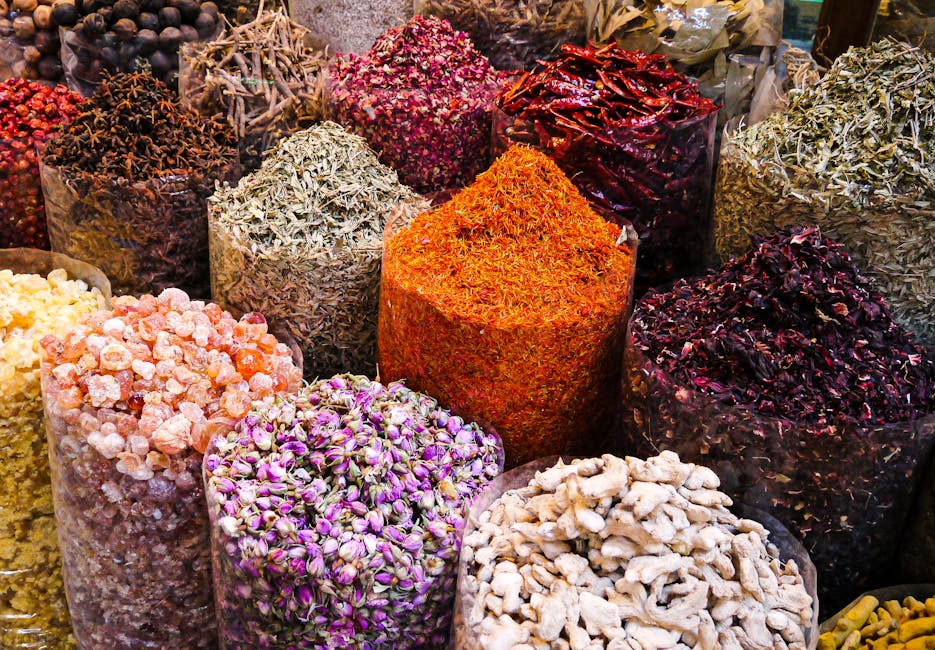
Chengdu, capital of Sichuan province, is synonymous with málà—the numbing heat of Sichuan peppercorns combined with the burn of dried chilies. This unique sensation defines dishes like mapo tofu and hot pot, where diners simmer meats and vegetables in a bubbling, crimson broth.
Sichuan cuisine uses doubanjiang (fermented broad bean paste) as a base for many spicy dishes. It adds depth and umami, balancing the heat. Street food favorites include dan dan noodles—hand-pulled noodles tossed in a spicy, nutty sauce with preserved vegetables and minced pork.
Visit the Chen Mapo Tofu restaurant, established in 1862, for an authentic taste of the original dish. The city also hosts the annual Sichuan Cuisine Festival, featuring cooking competitions and spice markets.
Takeaway: Sichuan peppercorns don’t just add heat—they create a tingling, almost electric sensation on the tongue. It’s an acquired taste, but one that defines the region’s culinary identity.
4. Marrakech, Morocco: Aromatic Tagines and Harissa
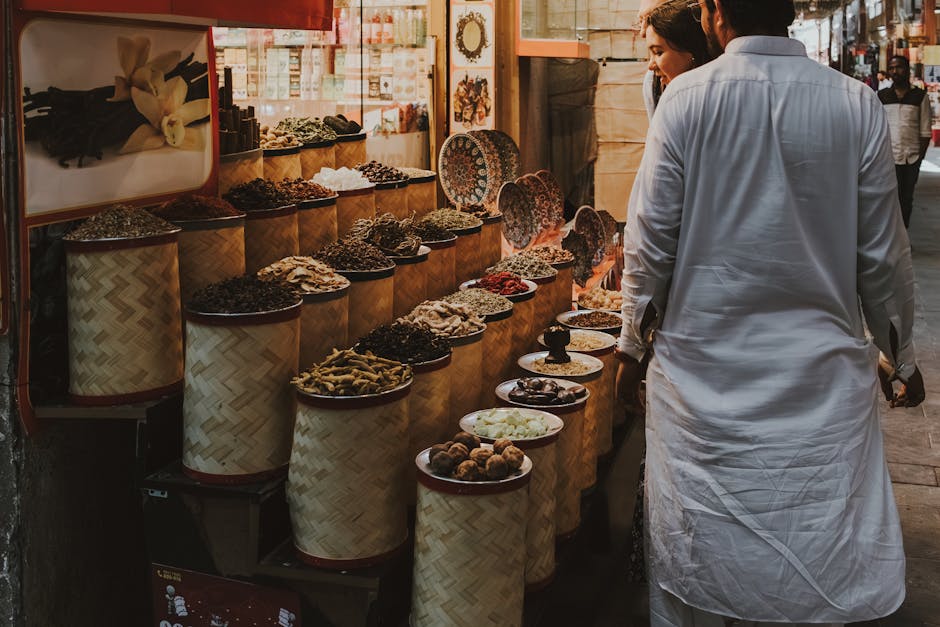
Moroccan cuisine blends sweet, savory, and spicy in perfect harmony. In Marrakech, the spice souk at Jemaa el-Fnaa is a sensory overload—saffron, cumin, paprika, and harissa line the stalls. Harissa, a paste of roasted red peppers, garlic, and chili, is a staple condiment.
Order a tagine—slow-cooked stews named after the conical clay pot they’re cooked in. Try the mrouzia, a lamb tagine with cinnamon, saffron, and dried fruits, or the fiery chicken tagine with preserved lemons and green olives. The contrast of sweet and spicy is signature to Moroccan cooking.
For a hands-on experience, join a spice-blending workshop. Learn to mix ras el hanout, a complex blend that can include up to 30 spices. Each vendor has their own secret recipe.
Tip: Drink mint tea after spicy meals. The sweetness and coolness of the tea help neutralize heat.
5. Bangkok, Thailand: The Balance of Heat and Sweet
Thai cuisine is famous for its balance of five flavors: sweet, sour, salty, bitter, and spicy. In Bangkok, this balance shines in dishes like tom yum goong—a hot and sour soup with shrimp, lemongrass, galangal, and bird’s eye chilies.
Street food is king here. At Yaowarat (Chinatown), try pad prik king—stir-fried meat with red curry paste and green beans. The heat is intense, but the dish is tempered by the natural sweetness of the beans and the umami of the sauce.
Don’t miss som tam, green papaya salad made with shredded papaya, tomatoes, peanuts, and a dressing of lime, fish sauce, palm sugar, and chilies. The level of heat can be adjusted—ask for “mai pet” (not spicy) if needed.
Warning: Thai chilies are small but potent. A single bird’s eye chili can overpower a dish. Start with mild versions and work your way up.
6. Addis Ababa, Ethiopia: The Fiery Heart of Berbere
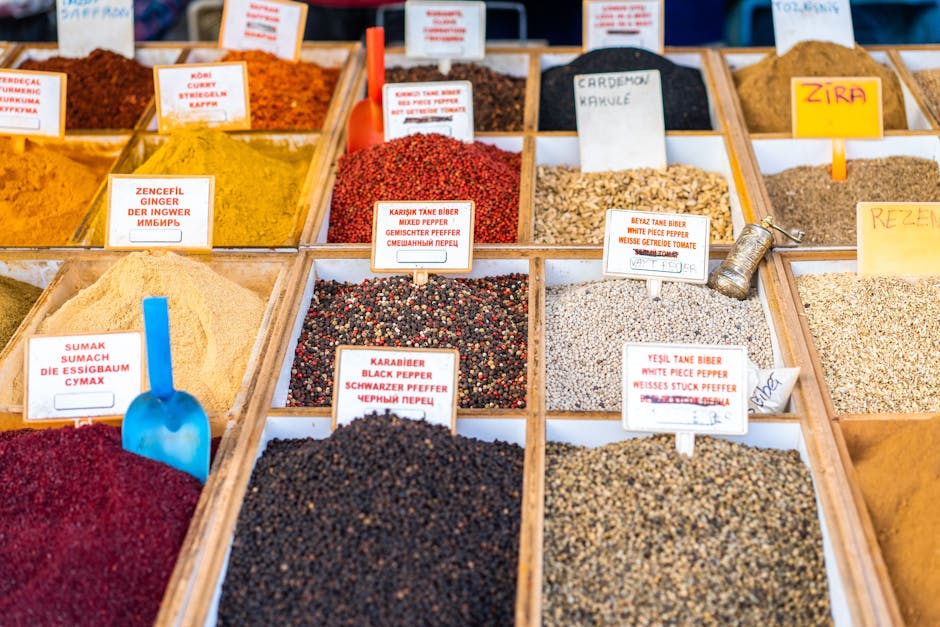
Ethiopian cuisine centers on berbere, a spice blend of chili, fenugreek, coriander, and other aromatics. It’s the soul of dishes like doro wat—spicy chicken stew served with injera, a spongy sourdough flatbread.
In Addis Ababa, eat with your hands. Tear off pieces of injera to scoop up stews and salads. The bread’s slight tang cuts through the heat, making it the perfect vehicle for spicy foods.
Visit a traditional tej bet (honey wine house) for a full meal experience. Many offer vegetarian platters—essential in a country where fasting periods require meat-free diets. Lentil stews and spiced vegetables are just as flavorful as meat dishes.
Takeaway: Ethiopian food is communal. Meals are shared from a single platter, emphasizing connection and generosity. The spice level is high, but the hospitality is higher.
7. Penang, Malaysia: A Melting Pot of Heat
Penang’s cuisine reflects its multicultural heritage—Chinese, Malay, Indian, and Peranakan influences blend into a vibrant food scene. The island is known for char kway teow—flat rice noodles stir-fried with shrimp, cockles, and chili paste.
Try asam laksa, a sour and spicy fish soup with tamarind, mackerel, and pineapple. The heat comes from blended chilies, while the sourness balances the richness of the broth.
George Town’s hawker centers are a must. At Lorong Selamat, sample nasi kandar—rice served with multiple curries and side dishes. The curries range from mild to volcanic. Ask for “extra spicy” only if you’re confident.
Tip: Drink coconut water or bandung (a sweet milk and rose syrup drink) to cool down. Avoid ice in drinks if you’re concerned about water safety—opt for bottled beverages instead.
How to Travel Safely as a Spice Enthusiast
Spice tolerance varies, and what’s mild in one country can be extreme in another. Start slowly. Sample small portions before committing to a full meal. Carry antacids or milk-based drinks—dairy helps neutralize capsaicin, the compound that causes heat.
Learn a few key phrases in the local language: “not spicy,” “a little spicy,” and “water, please.” In many cultures, refusing food can be seen as rude, so polite communication is essential.
Stay hydrated, but avoid alcohol, which can intensify the burning sensation. Eat bread or rice to absorb some of the heat. If a dish is too spicy, don’t force it—your health comes first.
Finally, respect local customs. In some regions, eating spicy food is a point of pride. Compliment the cook, but don’t challenge locals to eating contests unless invited.
Planning Your Spice-Fueled Culinary Journey
Research before you go. Look for food tours, cooking classes, and market visits. Many cities offer spice-focused itineraries—ideal for first-time visitors.
Pack wisely. Bring a small spice journal to record flavors, ingredients, and restaurant names. Take photos of dishes and labels. This helps recreate favorites at home.
Consider the season. In tropical regions, spice levels may be higher during hot months to induce sweating and cool the body. Travel during shoulder seasons for more comfortable exploration.
Book accommodations near food hubs. In cities like Bangkok or Marrakech, staying near central markets means easier access to street food and cooking schools.
Final Thoughts
The best food and culinary travel destinations for spice lovers offer more than heat—they offer stories, traditions, and connections. From the smoky moles of Oaxaca to the numbing málà of Chengdu, each bite tells a tale of culture and craft.
Travel with curiosity and an open mind. Ask questions, try new things, and embrace the burn. The world’s spiciest cuisines aren’t just about intensity—they’re about balance, history, and the joy of shared meals.
FAQ
Q: How can I build up my tolerance for spicy food before traveling?
A: Gradually increase your intake of spicy foods at home. Start with mild dishes and slowly add hotter peppers or sauces. Consistency is key—regular exposure helps your palate adapt over time.
Q: Are there vegetarian options in these spice-heavy destinations?
A: Yes. Many of these cuisines, like Indian and Ethiopian, have strong vegetarian traditions. Look for lentil curries, vegetable stews, and spice-blended salads. Always confirm ingredients, as some sauces may contain fish or meat stocks.
Q: What should I do if a dish is too spicy to eat?
A: Drink milk or eat yogurt—dairy neutralizes capsaicin. Bread, rice, or sugar can also help. Avoid water, which spreads the heat. If discomfort persists, seek medical advice, especially if you experience nausea or dizziness.