
Best Beach and Island Travel Destinations for Peace
Finding true tranquility on vacation often means escaping crowded resorts and noisy city centers. The best beach and island travel destinations for peace offer quiet shores, minimal development, and a rhythm of life that slows your pulse. Whether you’re seeking solitude on a hidden cove or a slow-paced island culture far from tourist hubs, these locations deliver serenity without sacrificing natural beauty. From the turquoise lagoons of the South Pacific to secluded Mediterranean coves, each destination prioritizes calm, space, and connection with nature.
Why Peace Matters in Beach and Island Travel
Modern travelers increasingly value mental restoration over constant activity. A peaceful beach or island getaway allows you to disconnect from digital noise and reconnect with yourself. Research shows that time spent in natural settings reduces cortisol levels and improves sleep quality. Unlike bustling tourist hotspots, quiet destinations encourage mindfulness, reflection, and genuine relaxation.
Peace isn’t just about silence—it’s about space, pace, and presence. The best destinations offer wide-open beaches, limited nightlife, and a local culture that respects quiet hours and environmental preservation. These factors combine to create an atmosphere where you can truly unwind.
Top Quiet Beach Destinations Around the World
Seychelles: Granite Boulders and Secluded Coves
The Seychelles archipelago in the Indian Ocean is a sanctuary of calm. With over 100 islands, many remain untouched by mass tourism. Anse Source d’Argent on La Digue Island is famous for its pink sand and sculpted granite rocks, but arrive early to enjoy it before tour groups arrive.
For deeper solitude, visit Félicité Island or North Island, where luxury eco-lodges blend into the landscape. These islands limit visitor numbers, ensuring privacy and environmental protection. The warm, shallow waters are ideal for swimming and snorkeling in peace.
Palawan, Philippines: Hidden Lagoons and Limestone Cliffs
Palawan’s El Nido and Coron regions are known for dramatic scenery, but peace is found in the quieter corners. Head to Nacpan Beach or the lesser-known Sibaltan Island for wide, uncrowded shores. The area’s marine protected zones mean cleaner waters and healthier coral reefs.
Travelers should note that some remote islands have limited infrastructure. Bring essentials like sunscreen, water, and first-aid supplies. Overnight stays on private islands are possible through small eco-resorts that emphasize sustainability and quiet.
Koh Lanta, Thailand: Slow-Paced Island Life
Unlike the party-centric islands of Phuket or Koh Samui, Koh Lanta offers a laid-back vibe with long, peaceful beaches. Long Beach and Kantiang Bay are favorites for their soft sand and gentle waves. The island has a strong local community and enforces noise restrictions after 10 p.m.
Visit during the shoulder season (April–May or September–October) to avoid crowds while still enjoying good weather. Family-run guesthouses and small bungalows dominate the accommodation scene, reinforcing the island’s quiet charm.
Malta’s Comino: A Tiny Island with Big Serenity
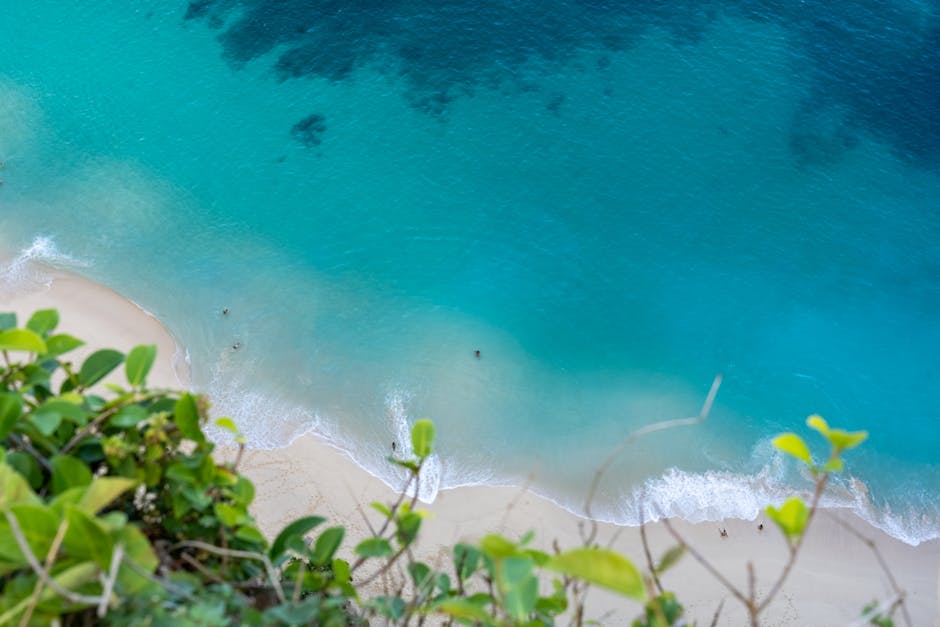
Comino, located between Malta and Gozo, is only 2.8 square kilometers and has no permanent residents. The Blue Lagoon is its main attraction—crystal-clear waters perfect for swimming. While it can get busy midday, arriving by private boat or early morning ferry lets you enjoy the lagoon in near solitude.
The island has no cars, no hotels, and minimal development. Pack a picnic and spend the day exploring hidden caves and coastal trails. Overnight camping is not permitted, so plan a day trip or book a nearby eco-lodge on Malta or Gozo.
Lord Howe Island, Australia: A UNESCO Gem with Visitor Limits
Lord Howe Island, a two-hour flight from Sydney, is one of the most peaceful destinations in the Pacific. UNESCO-listed for its unique ecosystem, the island caps visitors at 400 at any time. This ensures uncrowded beaches, clean air, and undisturbed wildlife.
Activities include hiking Mount Gower, snorkeling in the lagoon, and birdwatching. Accommodations are small-scale and eco-certified. The island has no traffic lights, no high-rises, and no fast-food chains—just nature and quiet.
Hidden Island Gems Off the Beaten Path
Sifnos, Greece: Cycladic Calm Without the Crowds
While Santorini and Mykonos draw millions, Sifnos remains a quiet alternative in the Cyclades. Its whitewashed villages, olive groves, and pebble beaches offer authentic Greek charm without the noise. Kamares Beach has a small harbor and a few tavernas, but never feels crowded.
Hike the island’s ancient trails or visit the monastery of Panaghia Chrissopighi for panoramic views. The island has no airport—access is by ferry—which naturally limits visitor numbers. Stay in a traditional stone house in Artemonas or Apollonia for a peaceful retreat.
Barbados’ East Coast: Wild and Untamed Shores
Most tourists flock to Barbados’ west coast for calm waters and luxury resorts. The east coast, facing the Atlantic, is rougher but far more peaceful. Bathsheba Beach is known for its rugged beauty, rock pools, and consistent surf—ideal for contemplative walks.
Local fishermen and surfers frequent the area, but it lacks large hotels and nightlife. Visit the Andromeda Botanic Gardens nearby for a quiet stroll among tropical plants. The pace is slow, the air is fresh, and the views are uninterrupted.
Isla de la Palma, Canary Islands: Volcanic Peace and Starry Skies
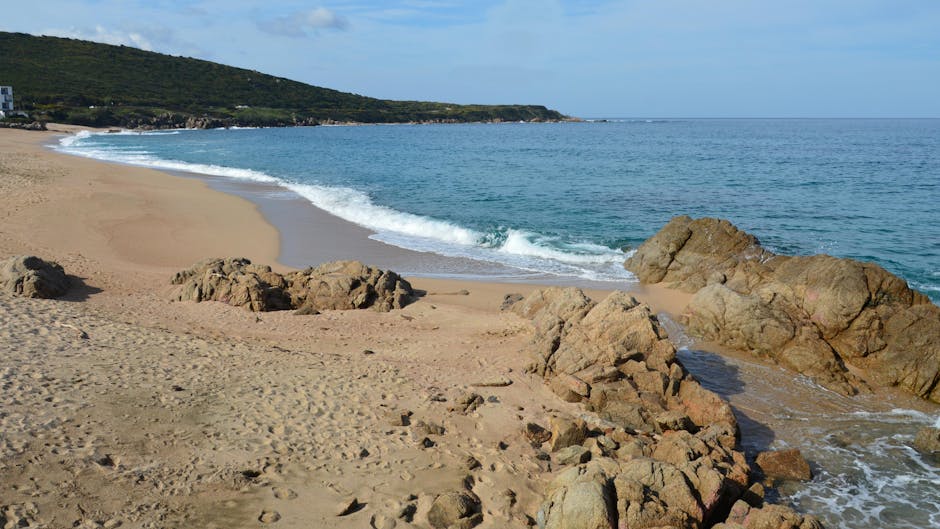
La Palma, part of Spain’s Canary Islands, is nicknamed “La Isla Bonita” for its lush landscapes and quiet atmosphere. Unlike Tenerife or Gran Canaria, it avoids mass tourism. The island is a UNESCO Biosphere Reserve with strict development controls.
Hike through cloud forests, soak in natural pools at Charco Azul, or stargaze in one of the world’s best Dark Sky Reserves. The beaches are black sand and often deserted. Accommodations range from rural fincas to small hotels with mountain or ocean views.
Koh Rong Samloem, Cambodia: Barefoot Simplicity
While Koh Rong is known for nightlife, its sister island, Koh Rong Samloem, offers a different experience. Saracen Bay is lined with palm trees and has no roads or cars. Power is limited to evenings, reinforcing the island’s slow pace.
Stay in a beachfront bungalow, swim in bioluminescent waters at night, or take a jungle trek to the island’s waterfall. The island has no ATMs or banks, so bring cash. It’s ideal for travelers seeking digital detox and natural beauty.
Tips for Finding Peace on Any Beach Trip
Even in popular destinations, you can find quiet with smart planning. Visit beaches early in the morning or late afternoon when crowds thin. Choose accommodations away from main strips—look for guesthouses on quiet coves or private villas with direct beach access.
Research local customs and noise regulations. Some islands enforce quiet hours or restrict loud music. Respect these rules to maintain peace for yourself and others. Avoid peak season when possible; shoulder months often offer better weather and fewer people.
Pack light and bring items that enhance tranquility: a good book, a journal, reef-safe sunscreen, and a reusable water bottle. Leave behind devices that pull you into work or social media. True peace comes from presence, not just location.
What to Avoid When Seeking Peaceful Beach Destinations
Not all “quiet” beaches are created equal. Some remote locations lack basic safety measures, such as lifeguards or emergency services. Always research local conditions, especially regarding tides, currents, and wildlife.
Avoid destinations with overtourism signs—overcrowded beaches, litter, and strained infrastructure diminish peace. Even beautiful spots lose their charm when overrun. Check recent traveler reviews for insights into current conditions.
Beware of “eco-resorts” that don’t practice sustainability. True peace includes environmental harmony. Support accommodations with verified eco-certifications, waste reduction programs, and community involvement.
How to Travel Responsibly to Preserve Peace
Peaceful destinations often rely on fragile ecosystems and small communities. Your travel choices can help protect them. Choose local guides, eat at family-run restaurants, and hire local transport. This supports the economy without overwhelming it.
Minimize plastic use and carry out all trash. Many island nations struggle with waste management. Use reef-safe sunscreen to protect coral reefs. Avoid touching marine life or stepping on coral while snorkeling.
Respect wildlife and natural habitats. Stay on marked trails, don’t feed animals, and keep noise levels low. Your quiet presence helps maintain the peace that drew you there in the first place.
Final Thoughts on Choosing Your Peaceful Escape
The best beach and island travel destinations for peace aren’t always the most famous—they’re the ones that prioritize space, silence, and sustainability. Whether you choose a remote Pacific atoll or a quiet Mediterranean cove, the key is intention. Seek out places that align with your need for calm, and travel in ways that honor their tranquility.
Peace is not a luxury—it’s a necessity for well-being. With thoughtful planning, your next beach vacation can be more than a getaway. It can be a true reset.
FAQ
Q: What’s the most peaceful beach destination for solo travelers?
A: Lord Howe Island, Australia, is ideal for solo travelers seeking peace. With a visitor cap of 400, uncrowded beaches, and a strong emphasis on nature and quiet, it offers safety, solitude, and stunning scenery.
Q: Are there peaceful beach destinations that are also family-friendly?
A: Yes. Koh Lanta, Thailand, and Sifnos, Greece, are excellent for families. Both offer calm beaches, safe swimming areas, and a relaxed pace. Accommodations are small-scale and welcoming, with local food and activities suitable for all ages.
Q: How can I avoid crowds at popular beach destinations?
A: Visit during shoulder seasons, arrive early in the day, and choose less-accessible beaches. Staying in accommodations away from main tourist zones and using local ferries instead of private tours also helps you find quieter spots.