
Best Adventure Travel Spots for Scenic Camp Nights
Looking for unforgettable places to camp under starlit skies surrounded by breathtaking landscapes? These adventure travel destinations offer more than just a place to pitch a tent—they deliver immersive experiences where nature takes center stage. From rugged mountain ranges to serene lakeshores, these spots combine accessibility with awe-inspiring views, making them ideal for both seasoned campers and first-time adventurers. Whether you’re chasing alpine sunrises or desert constellations, these locations promise memorable nights in the wild.
Why Scenic Camping Enhances Adventure Travel
Camping isn’t just about sleeping outdoors—it’s about deepening your connection with nature. Unlike hotel stays, overnight stays in scenic locations allow you to experience the full rhythm of a landscape: morning mist rising off a lake, the hush of a forest at dusk, or the crisp silence of a high-altitude meadow. These moments create lasting memories and offer a sense of solitude that’s increasingly rare in modern travel.
Adventure travel thrives on authenticity, and camping delivers it. You’re not just passing through a destination; you’re living within it. This closeness to the environment encourages mindfulness and appreciation for natural beauty, often leading to more meaningful travel experiences.
Top Adventure Travel Spots for Scenic Camp Nights
1. Yosemite National Park, California, USA
Yosemite is a cornerstone of American wilderness, famed for its granite cliffs, waterfalls, and ancient sequoias. Camping here means waking up to views of Half Dome or El Capitan, with options ranging from developed campgrounds to backcountry sites. The park’s elevation—ranging from 2,000 to over 13,000 feet—creates dramatic temperature shifts, so pack layers.
Reservations are essential. Popular campgrounds like Upper Pines and North Pines fill up months in advance, especially during summer. For solitude, consider wilderness permits and hike-in sites near Tuolumne Meadows. Always follow Leave No Trace principles to preserve the park’s fragile ecosystem.
2. Torres del Paine National Park, Chile
This Patagonian gem offers some of the most dramatic mountain scenery in South America. The W Trek and O Circuit are legendary multi-day hikes, but even a single night at Campamento Torres or Refugio Chileno delivers stunning views of the granite towers and glacial lakes.
Weather is unpredictable—wind, rain, and snow can strike at any time. Bring a four-season tent and waterproof gear. Guided tours are available, but independent camping is permitted with proper permits. The lack of light pollution makes stargazing exceptional, especially during the southern hemisphere’s winter months.
3. Banff National Park, Alberta, Canada
Nestled in the Canadian Rockies, Banff offers alpine lakes, snow-capped peaks, and abundant wildlife. Campgrounds like Two Jack Lakeside provide front-row seats to reflections of Mount Rundle on still water at dawn. The park’s infrastructure supports both tent and RV campers, with fire pits, picnic tables, and nearby trails.
Wildlife safety is critical. Store food in bear-proof containers and never feed animals. Campfires are allowed in designated rings, but regulations change seasonally. Visit in shoulder seasons (May–June or September) for fewer crowds and lower rates.
4. Fiordland National Park, New Zealand
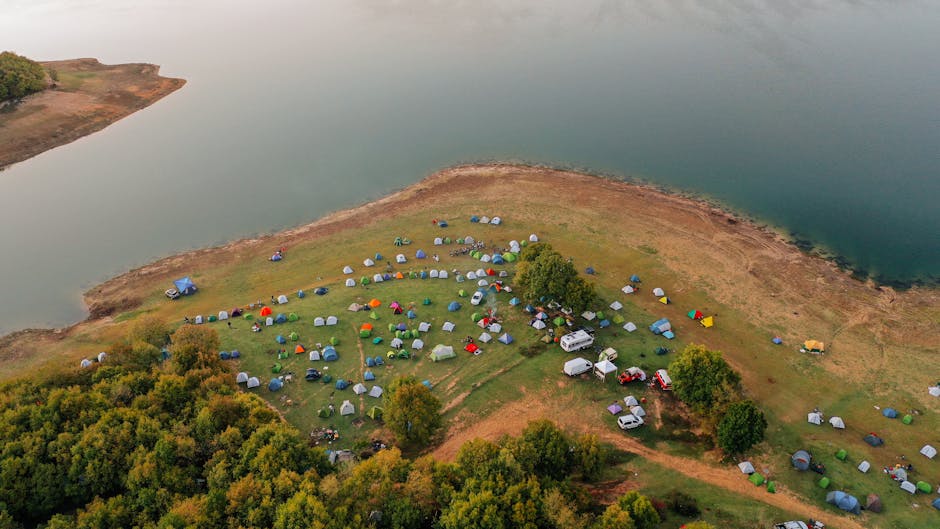
Home to Milford Sound and Doubtful Sound, Fiordland blends rainforest, waterfalls, and deep glacial valleys. Department of Conservation (DOC) campsites like Milford Sound Lodge offer basic facilities with views of towering cliffs and cascading waterfalls. For a more remote experience, hike to Lake Gunn or the Routeburn Track huts.
Rainfall here is among the highest in New Zealand—prepare for wet conditions. Waterproof jackets, quick-dry clothing, and sturdy boots are non-negotiable. The isolation means cell service is spotty; carry a physical map and compass. Night skies are pristine, with the Milky clearly visible on clear nights.
5. Sahara Desert, Morocco
For a completely different kind of scenic camp night, the Sahara offers endless dunes, star-filled skies, and a profound sense of silence. Near Merzouga or Zagora, guided camel treks lead to luxury desert camps where you can sleep under traditional Berber tents with modern comforts.
Daytime temperatures soar, but nights drop sharply. Bring warm layers, a high-quality sleeping bag, and eye protection from blowing sand. Avoid camping during sandstorms, which can occur suddenly. Cultural respect is important—dress modestly and ask before photographing locals.
6. Lofoten Islands, Norway
This Arctic archipelago delivers jagged peaks rising directly from the sea, red-painted fishing cabins, and the chance to see the Northern Lights. Camping is permitted under the “right to roam” law, allowing wild camping in most areas—just avoid private land and fragile vegetation.
Midnight sun in summer means 24-hour daylight, while winter offers aurora displays. Pack a high-loft sleeping bag and insulated sleeping pad—temperatures rarely rise above 15°C (60°F) even in July. Fishing and hiking trails abound, but weather can change rapidly; always check forecasts.
7. Atacama Desert, Chile
One of the driest places on Earth, the Atacama offers surreal landscapes: salt flats, geysers, and lunar-like valleys. Camp near San Pedro de Atacama for access to sites like Valle de la Luna and El Tatio. Many operators offer glamping options with private bathrooms and gourmet meals.
Altitude sickness is a risk—San Pedro sits at 2,400 meters (8,000 feet). Acclimatize slowly and stay hydrated. The desert’s clarity makes it one of the best places in the world for astronomy; some camps offer telescope tours. Nights are cold, so thermal clothing is essential.
8. Glacier National Park, Montana, USA
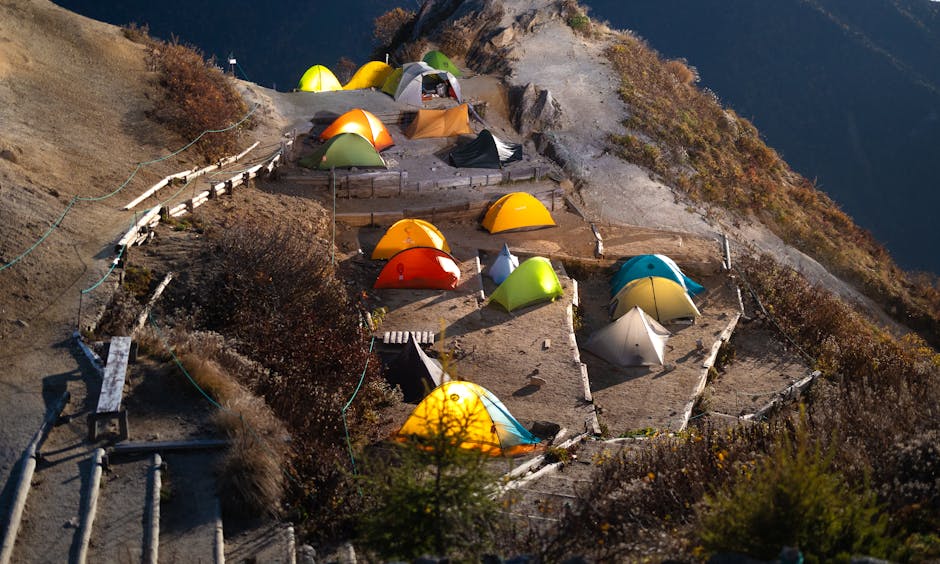
Known as the “Crown of the Continent,” this park features over 700 lakes, two mountain ranges, and 26 active glaciers. Backcountry sites along the Highline Trail or near Grinnell Glacier reward campers with panoramic views and solitude. Frontcountry campgrounds like Many Glacier offer easy access and amenities.
Permits are required for all overnight stays. Apply early—backcountry quotas fill quickly. Bear activity is high; use bear-proof food storage and make noise while hiking. Summer is short; most trails are snow-free only from late June to September.
9. Drakensberg Mountains, South Africa
This UNESCO World Heritage site offers dramatic basalt cliffs, grassy plateaus, and ancient San rock art. Camp at Royal Natal National Park or Cathedral Peak for views of the Amphitheatre—a 5-kilometer cliff face. Wild camping is allowed in certain areas with a permit.
Weather varies widely by elevation. Lower valleys can be hot, while summits experience frost. Trails are rugged; sturdy footwear and navigation skills are essential. Leopards inhabit the area—store food securely and avoid hiking at dawn or dusk.
10. Kamchatka Peninsula, Russia
One of the last true wildernesses in Eurasia, Kamchatka boasts active volcanoes, geysers, and brown bears. Camping near Kronotsky Nature Reserve or along the Kamchatka River offers raw, untouched beauty. Most travelers join guided expeditions due to limited infrastructure.
Access requires special permits and often involves helicopter transport. Pack for extreme conditions: waterproof tents, insulated gear, and emergency communication devices. Respect wildlife—bears are common and can be dangerous. The region’s remoteness makes preparation critical.
How to Choose the Right Spot for Your Adventure
Not every scenic camp night is right for every traveler. Consider your experience level, physical fitness, and comfort with isolation. Beginners may prefer frontcountry sites with restrooms and nearby services, while experienced campers might seek remote, permit-only locations.
Research local regulations. Some parks require bear canisters, while others ban campfires entirely. Check seasonal closures and weather patterns—monsoon seasons, snowmelt, or fire risk can affect accessibility. Always verify permit requirements and book in advance when possible.
Essential Gear for Scenic Camp Nights
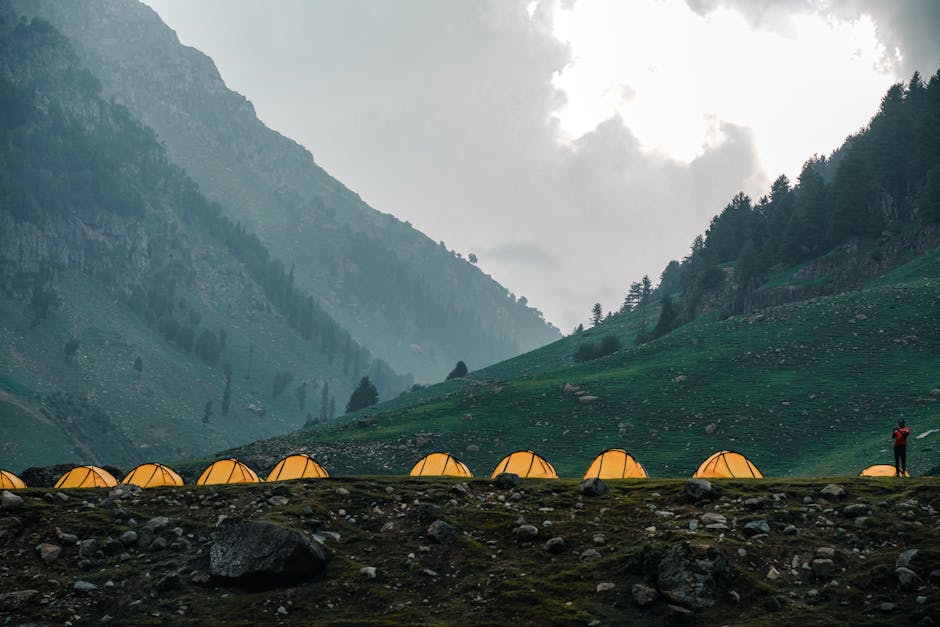
Your gear can make or break a camping trip. Start with a reliable tent rated for the conditions—three-season tents work for most temperate zones, but alpine or desert environments demand specialized models. Pair it with a sleeping bag appropriate for the expected low temperature and an insulated sleeping pad for comfort and warmth.
Pack a headlamp with extra batteries, a portable stove, and a water filtration system. Navigation tools like a GPS device or topographic map are vital in remote areas. Don’t forget sun protection, first-aid supplies, and a repair kit for gear. Test everything before you go.
Safety Tips for Remote Camping
Safety should always come first. Inform someone of your itinerary and expected return time. Carry a personal locator beacon (PLB) or satellite messenger in areas with no cell coverage. Learn basic first aid and how to respond to wildlife encounters.
Avoid setting up camp near dead trees (widowmakers), loose rock, or dry riverbeds that could flood. Check for ticks, snakes, or other hazards depending on the region. In bear country, cook and store food at least 100 yards from your tent. Stay calm and follow local guidelines if you encounter wildlife.
Leave No Trace: Camping Responsibly
Preserving these scenic spots ensures they remain beautiful for future adventurers. Follow the seven Leave No Trace principles: plan ahead, travel on durable surfaces, dispose of waste properly, leave what you find, minimize campfire impact, respect wildlife, and be considerate of others.
Pack out all trash, including food scraps and toilet paper. Use established campsites to reduce environmental damage. In sensitive areas, consider using a trowel to dig catholes for human waste, at least 200 feet from water sources. Small actions add up to big impacts.
Seasonal Considerations for Scenic Camping
The best time to visit depends on the destination. In mountain regions, summer offers mild weather and open trails, but also crowds. Spring and fall provide fewer people and vibrant colors, but unpredictable weather. Winter camping is possible with proper gear but requires advanced skills.
Deserts are best in cooler months—spring and fall in the Sahara, autumn in the Atacama. Coastal and tropical areas may have rainy seasons that affect accessibility. Always check historical weather data and park advisories before finalizing your plans.
FAQs
What should I pack for a scenic camp night in a remote location?
Bring a weather-appropriate tent, sleeping bag, insulated pad, headlamp, stove, water filter, first-aid kit, navigation tools, and extra food. Always carry a satellite communicator in areas without cell service.
Do I need a permit to camp in national parks?
Most national parks require permits for overnight stays, especially for backcountry camping. Check the park’s official website or contact rangers in advance. Some popular spots require reservations months ahead.
Is it safe to camp alone in scenic adventure locations?
Solo camping can be safe with proper preparation. Choose well-traveled areas, carry emergency communication devices, and share your itinerary. Avoid high-risk zones like active bear habitats or unstable terrain unless experienced.