
Top Food and Culinary Travel Spots for Bakery Lovers
If you live for flaky croissants, crusty sourdough, and delicate pastries, your next vacation should be a pilgrimage to the world’s best bakery destinations. From Parisian boulangeries to Tokyo’s artisanal bread shops, these cities offer more than just baked goods—they deliver cultural immersion through flour, fire, and tradition. Whether you’re a casual enthusiast or a serious food traveler, these spots promise unforgettable flavors and authentic craftsmanship. This guide highlights the top food and culinary travel spots for bakery lovers, with practical tips, must-visit bakeries, and what makes each location unique.
Paris, France: The Global Capital of Bread and Pastry
No list of bakery travel destinations is complete without Paris. The city breathes bread—literally. With over 35,000 bakeries across France and nearly 1,200 in Paris alone, the French take their boulangeries seriously. A morning in Paris isn’t complete without a warm baguette under your arm and a buttery croissant in hand.
Why Paris Stands Out
French baking is rooted in centuries-old techniques and strict regulations. For example, a true baguette de tradition can only contain flour, water, salt, and yeast—no additives. This commitment to purity results in bread with a crisp crust and airy interior that’s hard to replicate elsewhere.
Must-Visit Bakeries in Paris
Start at Du Pain et des Idées in the 10th arrondissement. Known for its escargot pastries and pain des amis, this bakery blends tradition with creativity. Another standout is Poilâne, famous for its sourdough miche and wood-fired ovens. For a modern twist, visit Blé Sucré in the 12th, where chef Pascal Barbot turns out minimalist, high-quality pastries in a quiet corner of the city.
Tips for Bakery Hopping in Paris
Visit early—most bakeries sell out by mid-morning. Learn a few French phrases: “Bonjour, une baguette, s’il vous plaît” goes a long way. Avoid tourist-heavy areas like near the Eiffel Tower, where quality often dips in favor of volume.
Tokyo, Japan: Precision Meets Pastry Innovation
Tokyo may not be the first city that comes to mind for bread, but its bakery scene is quietly revolutionary. Japanese bakers blend French techniques with local ingredients and obsessive attention to detail. The result? Some of the most refined and delicate pastries in the world.
The Rise of Artisanal Bread in Japan
While Japan is known for rice, bread—called pan—has a devoted following. The post-war influence of Western cuisine sparked a bread revolution, and today, Tokyo boasts bakeries that rival those in Paris or Vienna. What sets them apart is the precision: every fold, proof, and bake is executed with near-scientific care.
Top Bakeries to Try in Tokyo
Maison Kayser, founded by French baker Eric Kayser, brought authentic French bread to Tokyo and now operates multiple locations with consistent quality. For something more local, visit Boulangerie Asanoya in Ginza, known for its melon pan and fluffy milk bread. Le Pain Quotidien offers a communal dining experience with organic, house-milled flour—ideal for slow mornings.
Unique Japanese Baked Goods to Sample
Don’t leave without trying anpan—a sweet bun filled with red bean paste—or croissant melon pan, a hybrid of French and Japanese pastry. These fusion items reflect Japan’s ability to adapt and elevate foreign traditions.
San Francisco, USA: Sourdough Heaven and Innovation Hub
San Francisco is synonymous with sourdough, and for good reason. The city’s cool, foggy climate creates ideal conditions for wild yeast fermentation, giving its sourdough a distinct tang and chewy texture. But the Bay Area’s bakery scene goes far beyond one bread.
The Legacy of San Francisco Sourdough
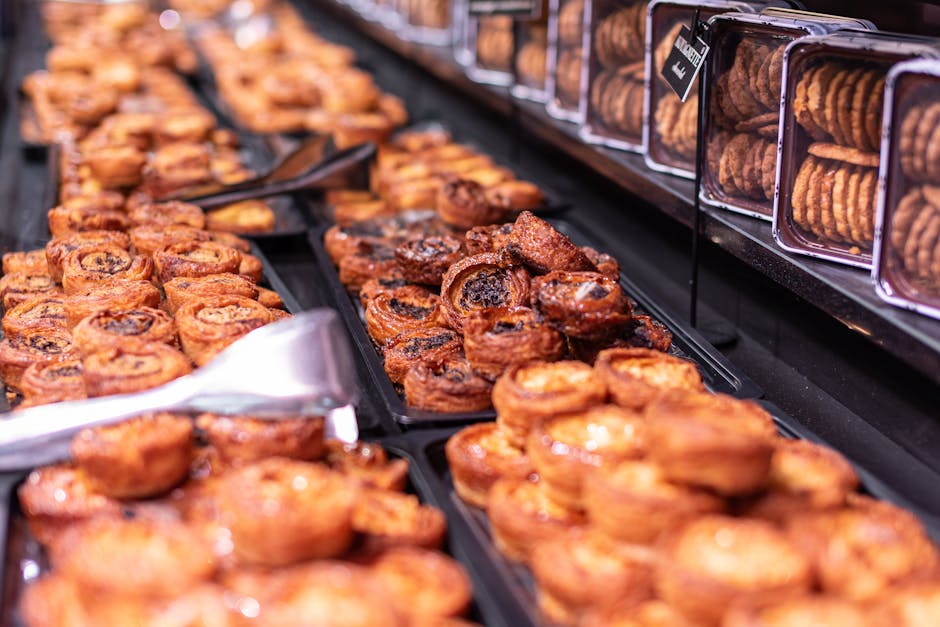
The origins of San Francisco sourdough date back to the Gold Rush, when miners carried starter cultures in their pockets. Today, Boudin Bakery—founded in 1849—remains a landmark, still using the original starter. But don’t just go for the history; taste the bread. The crust is thick and blistered, the interior moist and tangy.
Beyond Sourdough: Modern Bakery Scene
The city is also home to innovative bakers pushing boundaries. Tartine Bakery in the Mission District is legendary for its morning buns and country loaves. Their method—long fermentation and stone-ground flour—has influenced bakers worldwide. For a quieter experience, try Ariscault Bakery in nearby Lafayette, which specializes in French-style viennoiserie with California flair.
When to Visit and What to Order
Arrive early—Tartine often sells out by 9 a.m. Order the morning bun with Meyer lemon and cardamom. Pair it with a pour-over from a nearby café. Avoid weekends if possible; lines can stretch around the block.
Vienna, Austria: The Birthplace of the Viennoiserie
Vienna is where the croissant was perfected—though its roots trace back to Austria’s kipferl. The city’s coffeehouse culture and imperial history created the perfect environment for delicate, buttery pastries. A visit to Vienna isn’t complete without a Kaffee und Kuchen (coffee and cake) ritual.
The Art of Viennese Baking
Viennese bakers are masters of lamination—the process of folding butter into dough to create flaky layers. This technique defines the city’s signature pastries: croissants, topfenstrudel (cheese strudel), and schnitten (layer cakes). The emphasis is on balance: rich but not heavy, sweet but not cloying.
Iconic Bakeries in Vienna
Demel, established in 1786, is a historic institution near the Hofburg Palace. Try the Esterházy torte, a layered almond cake. Gerstner offers a more modern take with elegant window displays and seasonal specialties. For a local favorite, visit Anninger in the 6th district, known for its fresh bread and affordable pastries.
Cultural Etiquette at Viennese Cafés
Ordering at a Viennese café is a ritual. Sit down, take your time, and don’t rush. It’s customary to linger over coffee and cake for hours. Tipping 10% is standard. Avoid loud conversations—these spaces are for relaxation and conversation.
Melbourne, Australia: A Global Bakery Melting Pot
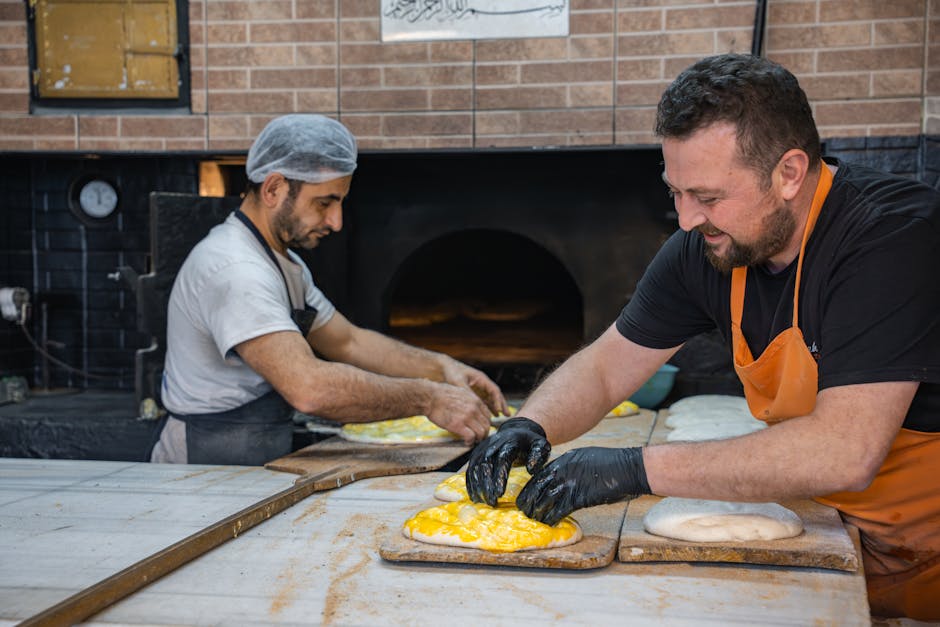
Melbourne’s food scene is a reflection of its multicultural population, and its bakeries are no exception. From Turkish pide to French croissants and Vietnamese bánh mì, the city offers a global tour of baked goods in one compact area.
The Rise of Specialty Baking in Melbourne
Melbourne has embraced the third-wave coffee movement, and bakeries have followed suit. Many shops now focus on organic ingredients, house-milled flour, and slow fermentation. The result is a new wave of artisanal bakers who value quality over speed.
Where to Eat in Melbourne
Beatrix Bakery in North Melbourne is a local institution, known for its seasonal tarts and sourdough loaves. Lune Croissanterie in Fitzroy started as a tiny shop and now has a cult following for its perfectly laminated croissants. For something different, visit Pidapipo for Italian-style panzerotti and cornetti.
Best Time to Visit
Weekday mornings are ideal. Many bakeries open at 7 a.m., and the best items go fast. Public transport makes it easy to hop between neighborhoods. Consider a bakery tour with a local guide to discover hidden gems.
Buenos Aires, Argentina: European Roots, South American Soul
With strong Italian and Spanish influences, Buenos Aires has a deep love for baked goods. From crispy facturas to crusty pan francés, the city’s bakeries reflect its immigrant heritage. And thanks to a thriving café culture, there’s always a place to enjoy them.
Signature Argentine Baked Goods
The medialuna—a crescent-shaped pastry similar to a croissant but sweeter—is a breakfast staple. Facturas is the umbrella term for pastries, including churros, vigilantes (cheese and guava), and cañoncitos (cinnamon rolls). These are often enjoyed with cortado or submarino (hot chocolate with milk).
Top Bakeries in Buenos Aires
La Duquesa in Palermo is a retro-style café with exceptional medialunas and tarts. El Globo has multiple locations and is known for its wide variety and consistent quality. For a more upscale experience, visit Farinelli, which blends Italian techniques with Argentine ingredients.
Tips for Travelers
Many bakeries close in the afternoon, so plan your visits for morning or late evening. Cash is preferred. Learn to say “una medialuna y un café, por favor” to blend in.
Seoul, South Korea: Sweet Innovation and Tradition
Seoul’s bakery scene blends Korean flavors with global techniques. While traditional ppang (bread) like hotteok (sweet pancake bread) remains popular, modern bakeries are redefining what bread can be.
Korean Baking Trends
Korean bakers excel at fusion. Think matcha croissants, red bean brioche, and soboro (sweet soybean) buns. The emphasis is on visual appeal and balanced sweetness—never too rich, always Instagram-worthy.
Must-Try Bakeries in Seoul
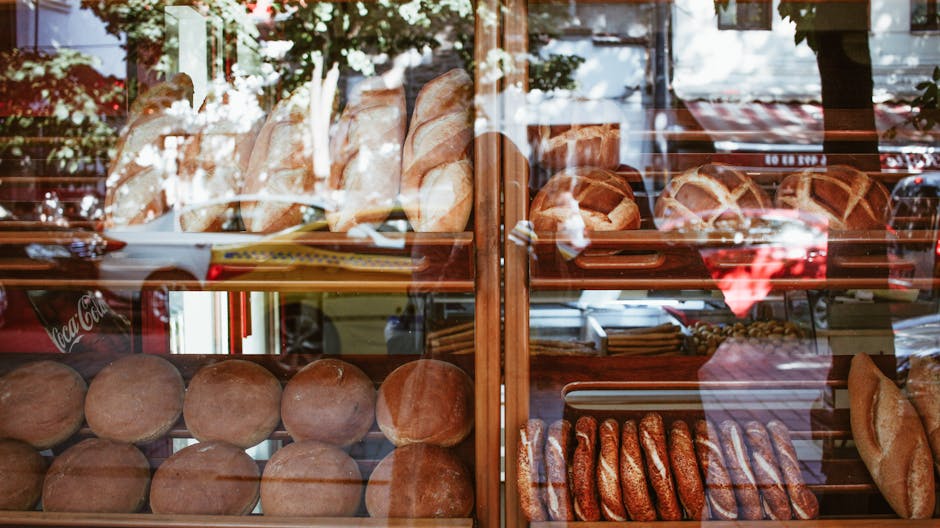
Paris Baguette is a national chain with high standards and creative seasonal items. For something more independent, visit Baker’s in Gangnam, known for its sourdough and house-made jams. Cafe Onion in Seongsu offers a minimalist space with excellent pastries and strong coffee.
What to Order
Try the cream ppang—a steamed bun filled with custard—or a croffle (croissant-waffle hybrid). Pair with a Korean iced coffee for the full experience.
How to Plan Your Bakery-Focused Trip
Traveling for bread and pastries requires a bit of strategy. Here’s how to make the most of your culinary journey.
Research Before You Go
Look up bakery hours—many close by 2 p.m. or only open seasonally. Check local food blogs or Instagram for real-time updates. Some top spots require reservations or have limited seating.
Pack Smart
Bring a reusable bag for purchases. Some bakeries don’t provide bags, and it’s more sustainable. Consider a small container for leftovers—some pastries travel well for a few hours.
Respect Local Customs
In some cultures, eating on the go is frowned upon. In others, tipping isn’t expected. Observe locals and follow their lead. When in doubt, ask politely.
Balance Indulgence with Exploration
It’s easy to overdo it. Pace yourself. Try one or two items per bakery, and save room for the next stop. Hydrate and consider light meals between visits.
Final Thoughts
The world’s best bakeries are more than places to eat—they’re cultural landmarks, community hubs, and showcases of craftsmanship. Whether you’re biting into a warm croissant in Paris or savoring a matcha bun in Seoul, each bite tells a story. For bakery lovers, travel isn’t just about seeing new places; it’s about tasting them. Use this guide to plan your next trip, and let your palate lead the way.
FAQ
Q: What’s the best time of day to visit bakeries when traveling?
A: Early morning is ideal. Most bakeries bake fresh goods overnight and sell out by mid-morning. Arriving between 7–9 a.m. ensures the best selection and warmth.
Q: Are bakery tours available in these cities?
A: Yes, many cities offer guided food or bakery tours. Paris, Tokyo, and Melbourne have highly rated options that include tastings and behind-the-scenes insights. Book in advance, especially during peak seasons.
Q: Can I bring baked goods back home on a plane?
A: It depends. Solid items like bread and pastries are usually allowed in carry-on luggage, but check your airline and destination country’s rules. Avoid liquids or creams, which may be restricted.