
Top Beach and Island Travel Spots for Lagoon Lovers
If you’re drawn to calm, crystal-clear waters and secluded shorelines, lagoons offer some of the most serene and visually stunning travel experiences on Earth. These protected coastal areas—often sheltered by coral reefs or sandbars—create ideal conditions for swimming, snorkeling, and quiet reflection. From the turquoise shallows of the Maldives to the bioluminescent bays of Puerto Rico, the world’s best lagoon destinations combine natural beauty with accessibility. Whether you seek luxury resorts or untouched wilderness, these top beach and island travel spots deliver unforgettable moments in tranquil, lagoon-front settings.
What Makes a Great Lagoon Destination?
A true lagoon stands apart from open ocean beaches due to its calm waters, shallow depths, and natural barriers. These features make them safer for swimming, especially for families and beginners. The stillness also allows sunlight to penetrate deeply, revealing vibrant marine life and colorful coral formations.
Great lagoon spots often feature soft white sand, minimal wave action, and clear visibility. They’re typically found in tropical or subtropical regions where coral reefs thrive. Accessibility matters too—some require boat transfers, while others are reachable by road or short ferry rides.
Key Features to Look For
When choosing a lagoon destination, prioritize water clarity, safety, and environmental protection. Look for areas with established marine conservation efforts to ensure long-term preservation. Well-maintained walking paths, restroom facilities, and nearby dining options enhance the visitor experience without compromising natural beauty.
Avoid overcrowded spots where erosion or pollution has degraded the ecosystem. A well-managed lagoon balances tourism with sustainability, offering both enjoyment and ecological responsibility.
Maldives: The Gold Standard for Lagoon Escapes
The Maldives consistently ranks as one of the world’s premier lagoon destinations. Each resort island sits within its own atoll, surrounded by shallow, warm lagoons in shades of aquamarine and teal. The calm waters are perfect for paddleboarding, kayaking, and snorkeling just steps from your villa.
Many islands feature overwater bungalows with direct lagoon access. While luxury comes at a premium, budget-friendly guesthouses on local islands like Maafushi offer authentic experiences with fewer crowds.
Best Atolls for Lagoon Lovers
North and South Male Atolls are closest to the international airport, making them convenient for first-time visitors. Ari Atoll is renowned for whale shark sightings and pristine reefs. For solitude, consider the remote Addu Atoll in the south, where lagoons remain largely untouched by mass tourism.
Always check seasonal conditions—peak visibility and calm seas occur between November and April. Monsoon winds from May to October can reduce water clarity and increase swells.
Bora Bora, French Polynesia: Iconic Lagoon Luxury
Bora Bora’s lagoon is legendary, framed by Mount Otemanu and dotted with motus (small sandy islets). The lagoon’s depth varies dramatically, creating a mosaic of blue hues visible from aerial views. It’s a favorite among honeymooners and luxury travelers.
Snorkeling here reveals coral gardens, stingrays, and blacktip reef sharks. Many resorts offer guided lagoon tours, including shark and ray encounters in controlled settings.
Getting There and Staying Safe
Most visitors fly into Tahiti and take a short connecting flight to Bora Bora. Boat transfers from the airport to resorts are standard. While the lagoon is generally safe, strong currents can occur near reef passes—always follow local guidance.
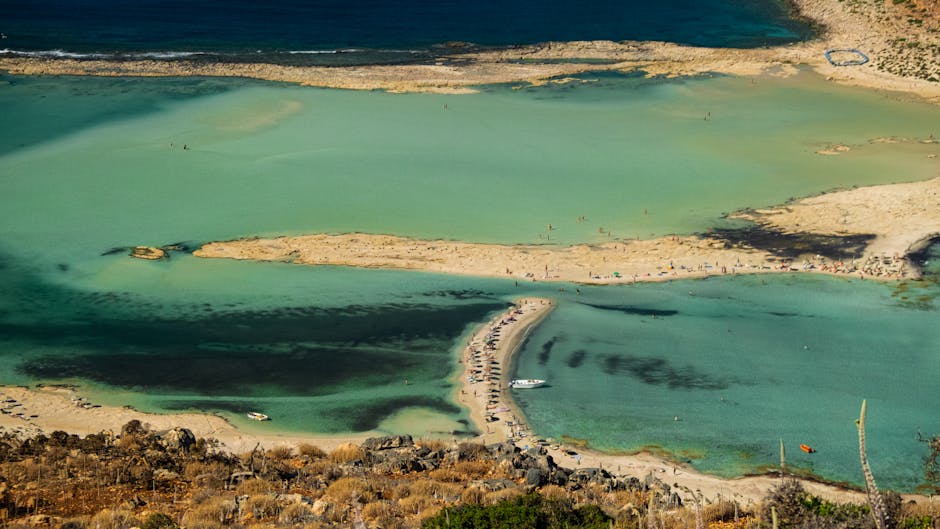
Sun protection is essential. The tropical sun reflects intensely off the water, increasing burn risk. Use reef-safe sunscreen to protect both your skin and the delicate coral ecosystem.
Palawan, Philippines: Hidden Lagoons and Limestone Cliffs
Palawan’s El Nido and Coron regions boast some of Southeast Asia’s most dramatic lagoons. Enclosed by towering karst formations, these emerald waters feel like secret gardens. Kayaking through hidden lagoons like Big Lagoon and Small Lagoon in El Nido is a must-do experience.
Unlike resort-heavy destinations, Palawan offers a mix of adventure and authenticity. Island-hopping tours allow access to multiple lagoons in a single day, often including snorkeling stops and beach picnics.
Travel Tips for Palawan
Book tours through reputable operators who follow environmental guidelines. Overcrowding has damaged some sites, so early morning departures help avoid crowds and enjoy calmer waters.
Pack light but include water shoes—some lagoons have rocky or coral-strewn entries. Always carry drinking water and avoid single-use plastics to support local conservation efforts.
Moorea, French Polynesia: A Quieter Alternative to Tahiti
Just a 30-minute ferry from Tahiti, Moorea offers a more relaxed pace than its famous neighbor. Its lagoon wraps around the island, creating sheltered bays ideal for swimming and paddle sports. The water is warm year-round, averaging 26–29°C (79–84°F).
Resorts here emphasize eco-tourism, with many using solar power and supporting coral restoration projects. Lagoon tours often include visits to dolphin centers and organic farms.
Wildlife Encounters
Moorea’s lagoon is home to spinner dolphins, sea turtles, and over 300 species of fish. Guided snorkel tours frequently spot eagle rays and moray eels. For a unique experience, book a sunset lagoon cruise with local Tahitian music.
Respect wildlife by maintaining distance and never touching marine animals. Feeding fish disrupts natural behaviors and can harm their health.
San Blas Islands, Panama: Indigenous-Owned Lagoon Paradise
The San Blas archipelago, managed by the Guna Yala indigenous community, offers over 350 islands with protected lagoons. These shallow, palm-fringed waters are ideal for swimming and snorkeling, with minimal development and no large resorts.
Visitors stay in basic cabanas or on liveaboard boats. All tours must be arranged through local Guna operators, ensuring tourism benefits the community directly.
Cultural Sensitivity and Access
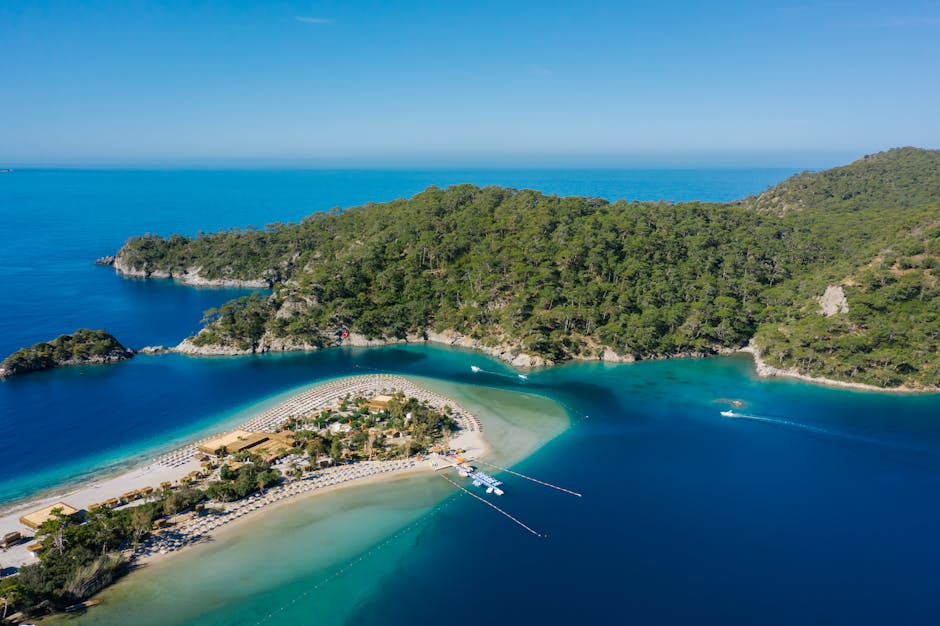
San Blas requires a permit and can only be visited with a licensed Guna guide. Respect local customs—photography of people requires permission, and alcohol is restricted. The lagoon waters are calm, but boat travel between islands can be choppy depending on weather.
Pack essentials including insect repellent, biodegradable soap, and cash. There are no ATMs, and electricity is limited. This destination rewards those seeking authenticity over luxury.</n
Great Barrier Reef, Australia: Lagoon Experiences on a Continental Scale
While not a single lagoon, the Great Barrier Reef contains numerous lagoon-like environments within its reef system. The Whitsunday Islands, especially Whitehaven Beach, offer sheltered bays with silica sand and turquoise water.
Day cruises from Airlie Beach access these pristine areas. The reef’s structure naturally calms waves, creating ideal conditions for swimming and snorkeling even in open water.
Environmental Considerations
Coral bleaching remains a concern due to rising sea temperatures. Choose eco-certified tour operators who follow strict guidelines to minimize impact. Avoid touching coral, and use reef-safe sunscreen.
Best visiting months are May to October, when water clarity is highest and jellyfish populations are lower. Summer months bring more rainfall and stinger risk.
Bonaire: A Diver’s Lagoon Haven
Known as a diver’s paradise, Bonaire also offers exceptional lagoon experiences for snorkelers and swimmers. Lac Bay, on the island’s east coast, features shallow, warm waters protected by a coral reef. It’s a hotspot for windsurfing and kiteboarding due to consistent trade winds.
The bay’s calm inner section is ideal for beginners. Snorkeling near the reef edge reveals brain coral, parrotfish, and seahorses. Bonaire’s marine park status ensures strict protection of its ecosystems.
Getting Around and Staying
Bonaire is compact and easy to explore by rental car. Most accommodations range from eco-lodges to full-service resorts. The island promotes “Don’t Touch, Don’t Take” policies to preserve marine life.
Bring your own snorkel gear if possible—rental equipment may not fit well. Freshwater is scarce, so conserve water during your stay.</n
Puerto Rico: Bioluminescent Lagoons and Caribbean Charm
Puerto Rico offers a unique twist on lagoon travel with its bioluminescent bays. Mosquito Bay on Vieques Island glows at night due to microscopic dinoflagellates. Kayaking through the glowing water feels magical and otherworldly.
Daytime lagoons like Flamenco Beach on Culebra Island provide classic Caribbean beauty—white sand, calm water, and palm trees. The island is car-free, adding to its peaceful atmosphere.
Planning Your Visit
Bioluminescence is best seen on moonless nights, so check lunar calendars before booking. Only guided kayak tours are allowed in Mosquito Bay to protect the delicate ecosystem.
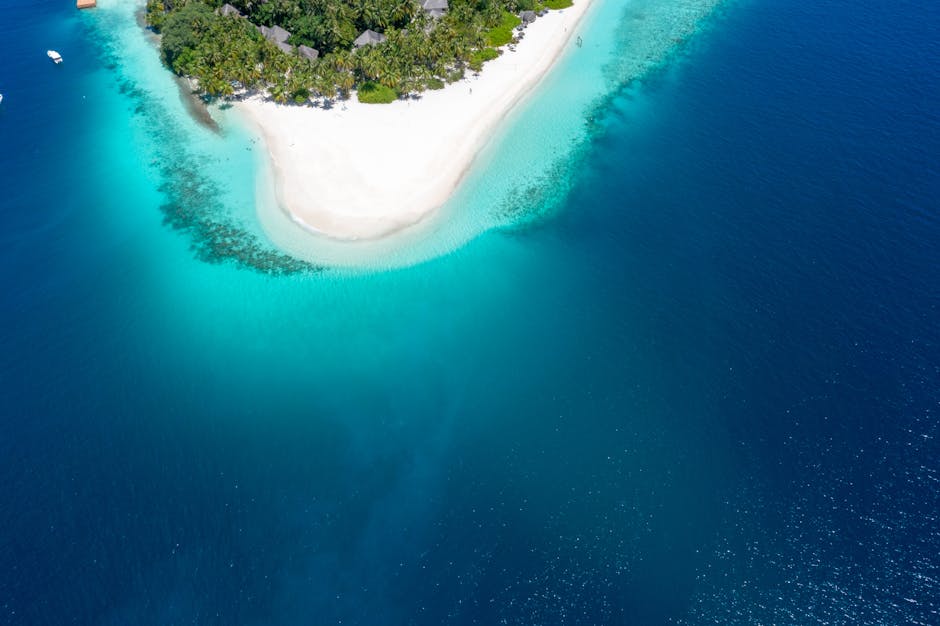
Flamenco Beach can get crowded on weekends. Arrive early or visit on weekdays for a more relaxed experience. Pack snacks and water, as facilities are limited.</n
Tips for Choosing Your Ideal Lagoon Destination
Start by defining your travel priorities. Are you seeking luxury, adventure, cultural immersion, or solitude? Each top beach and island travel spot for lagoon lovers offers a different balance.
Consider travel time and budget. Remote destinations like the Maldives or San Blas require more planning and investment. Closer options like Puerto Rico or Bonaire offer easier access for shorter trips.
What to Pack for a Lagoon Getaway
Essentials include a wide-brimmed hat, UV-protective clothing, water shoes, and a waterproof phone case. A lightweight dry bag keeps belongings safe during boat transfers. Reef-safe sunscreen is non-negotiable—many destinations ban chemical sunscreens to protect coral.
For snorkeling, bring your own mask and snorkel for a better fit. Underwater cameras capture memories, but remember that flash can disturb marine life.
Safety and Environmental Responsibility
Always assess water conditions before entering. Even in lagoons, sudden weather changes can create hazards. Follow local advice and avoid swimming alone.
Leave no trace. Carry out all trash, avoid stepping on coral, and never collect shells or rocks. Supporting eco-conscious operators helps preserve these destinations for future travelers.
Final Thoughts on Lagoon Travel
The world’s best lagoon destinations offer more than just beautiful views—they provide a sense of peace and connection to nature. Whether you’re floating in the Maldives, kayaking in Palawan, or glowing through a bioluminescent bay in Puerto Rico, these experiences linger long after the trip ends.
Choose a destination that aligns with your travel style and values. With thoughtful planning, your lagoon getaway can be both restorative and responsible. The calm waters are waiting.
FAQ
What is the best time of year to visit lagoon destinations?
The ideal time varies by region. In the Maldives and French Polynesia, November to April offers calm seas and clear skies. In the Caribbean and Central America, dry season months (December to April) are best. Always check local weather patterns before booking.
Are lagoons safe for children and non-swimmers?
Yes, most lagoons are shallow and protected from strong waves, making them safer than open ocean beaches. However, always supervise children closely and use life vests if needed. Some areas may have strong currents near reef exits—stick to designated swimming zones.
Do I need special equipment to enjoy a lagoon?
Basic swimwear and sunscreen are sufficient for most visits. For snorkeling, bring or rent a mask, snorkel, and fins. Water shoes protect feet from coral and rocks. A waterproof pouch keeps electronics safe during water activities.