
Best Food and Culinary Travel Ideas for Food Festivals
Food festivals offer a delicious way to explore global flavors, meet local chefs, and immerse yourself in regional culture. Whether you’re drawn to street food markets in Bangkok or truffle festivals in Italy, these events combine travel and taste in unforgettable ways. Planning your trip around a food festival can elevate a simple vacation into a culinary adventure. This guide highlights top destinations, practical tips, and must-visit festivals to help you make the most of your next gastronomic journey.
Why Food Festivals Make Great Travel Destinations
Food festivals attract travelers seeking authentic, hands-on experiences with local cuisine. Unlike restaurant dining, festivals often feature live cooking demos, ingredient tastings, and interactions with producers. They’re ideal for discovering regional specialties and seasonal ingredients at peak freshness.
Many festivals also coincide with cultural celebrations, offering music, art, and traditional performances. This blend of food and culture creates a richer travel experience. Attending a festival can also support local economies by boosting tourism and promoting small vendors.
Benefits of Festival-Based Travel
Festival travel encourages deeper engagement with a destination. You’re more likely to explore neighborhoods, talk to locals, and try dishes you wouldn’t find in tourist restaurants. These events often highlight sustainability, heritage recipes, and farm-to-table practices.
For food lovers, festivals provide a concentrated dose of flavor and inspiration. They’re also great for solo travelers, couples, or groups looking for shared experiences. Many festivals offer workshops, from pasta-making in Bologna to sushi classes in Tokyo.
Top Food Festivals Around the World
From Europe to Asia and the Americas, food festivals celebrate everything from seafood to street snacks. Below are standout events that combine great food, vibrant atmospheres, and cultural significance.
Taste of Chicago – Chicago, USA
One of the largest food festivals in the U.S., Taste of Chicago draws over three million visitors annually. Held in Grant Park each July, it features food from more than 70 local restaurants. Expect deep-dish pizza, Chicago-style hot dogs, and craft beer from the Midwest.
The festival includes live music, cooking demos, and family-friendly activities. Arrive early to avoid long lines, and consider purchasing a food ticket bundle for discounts. Public transit is the best way to reach the event.
La Tomatina – Buñol, Spain
While not a traditional food festival, La Tomatina is a culinary spectacle. Every August, thousands gather in this small town near Valencia for a massive tomato fight. The event is preceded by a paella cook-off, where locals compete using the region’s famous short-grain rice.
Travelers should wear old clothes and goggles. The tomato fight lasts only one hour, but the party continues all day. Book accommodations months in advance—Buñol’s population swells from 9,000 to over 40,000.
Melbourne Food and Wine Festival – Melbourne, Australia
Held every March, this festival spans two weeks and includes over 200 events across Victoria. Highlights include wine tastings in the Yarra Valley, chef-led dinners, and street food markets. The festival emphasizes seasonal produce and innovative Australian cuisine.
Book tickets early for popular events like the Regional Victoria Long Lunch. Public transport and bike rentals make getting around easy. Don’t miss the free outdoor screenings and pop-up dining experiences.
Feast of San Gennaro – New York City, USA
This 11-day Italian-American festival in Little Italy celebrates heritage and food. Held every September, it features zeppole, cannoli, and sausages sizzling on grills. Street vendors line Mulberry Street, and live music fills the air.
The festival is free to attend, but bring cash for food and souvenirs. It’s a great way to experience Italian culture without leaving the city. Arrive mid-week to avoid weekend crowds.
Korea Food Show – Seoul, South Korea
Seoul’s premier food event takes place each October at COEX Convention Center. It showcases Korean staples like kimchi, bibimbap, and Korean BBQ, alongside international fusion dishes. Cooking competitions and product launches attract chefs and food entrepreneurs.
Free admission and English signage make it accessible to tourists. Try the tasting booths for free samples of sauces, snacks, and beverages. The event is indoors, so it’s ideal for cooler weather.
How to Plan a Food Festival Trip
Traveling for a food festival requires more planning than a typical vacation. You’ll need to coordinate dates, book accommodations early, and research local customs. A well-planned trip ensures you don’t miss key events or waste time in long lines.
Step 1: Choose the Right Festival
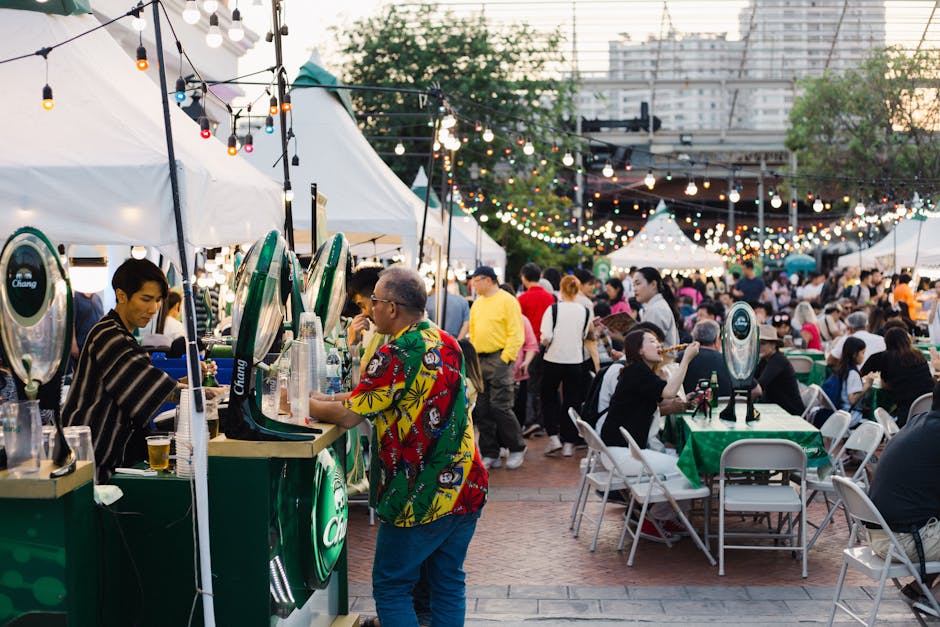
Start by identifying festivals that match your interests. Are you passionate about seafood, desserts, or regional specialties? Look for events that highlight ingredients or dishes you want to try. Check festival websites for dates, locations, and featured vendors.
Consider the time of year and weather. Some festivals are held outdoors and may be affected by rain or heat. Others, like winter truffle markets in France, are seasonal and require advance planning.
Step 2: Book Flights and Lodging Early
Popular festivals sell out quickly. Book flights and hotels at least 3–6 months in advance. Look for accommodations near the festival site to minimize travel time. Many cities offer festival shuttle services or discounted transit passes.
If the festival is in a small town, consider staying in a nearby city and commuting. For example, travelers to La Tomatina often stay in Valencia, which is a 40-minute train ride from Buñol.
Step 3: Plan Your Festival Schedule
Most festivals publish schedules weeks in advance. Prioritize must-see events like chef demos, tastings, or competitions. Download the festival app or pick up a program on-site to stay updated.
Leave room for spontaneity. Some of the best discoveries happen when you wander off the main path. Try a food stall you’ve never heard of or join a last-minute workshop.
Step 4: Pack Smart
Comfortable shoes are essential—festivals involve a lot of walking and standing. Bring a reusable water bottle, hand sanitizer, and cash for vendors who don’t accept cards. A small backpack helps carry snacks, maps, and souvenirs.
If you have dietary restrictions, research vendors in advance. Many festivals now label allergens, but it’s wise to confirm ingredients with staff. Carry translation cards if traveling abroad.
What to Expect at a Food Festival
Food festivals vary in size and style, but most share common features. Understanding what to expect helps you navigate the event and make the most of your time.
Food Vendors and Tastings
Most festivals feature a mix of local restaurants, food trucks, and artisanal producers. You’ll find everything from gourmet burgers to handmade chocolates. Many vendors offer small portions, allowing you to sample multiple dishes.
Look for “tasting menus” or “passport” programs that let you try several items for a fixed price. These are great for budget-conscious travelers. Avoid eating too much too fast—pace yourself to enjoy the full experience.
Cooking Demonstrations and Classes
Chef demos are a highlight of many festivals. Watch professionals prepare signature dishes and learn techniques you can try at home. Some festivals offer hands-on classes, such as dumpling-making or cocktail mixing.
Arrive early to secure a good seat. Bring a notebook or use your phone to record tips. Ask questions—chefs often enjoy sharing stories and advice.
Cultural Performances and Activities
Many festivals include music, dance, and craft demonstrations. These add to the festive atmosphere and provide insight into local traditions. For example, the Oaxaca Food and Culture Festival in Mexico features mezcal tastings and folkloric dance.
Check the schedule for family-friendly activities if traveling with children. Some festivals have kids’ zones with games and simple cooking tasks.
Budgeting for a Food Festival Trip
Food festivals can be expensive, but smart budgeting helps you enjoy more without overspending. Costs include tickets, food, lodging, and transportation. Planning ahead can reduce surprises.
Festival Tickets and Passes
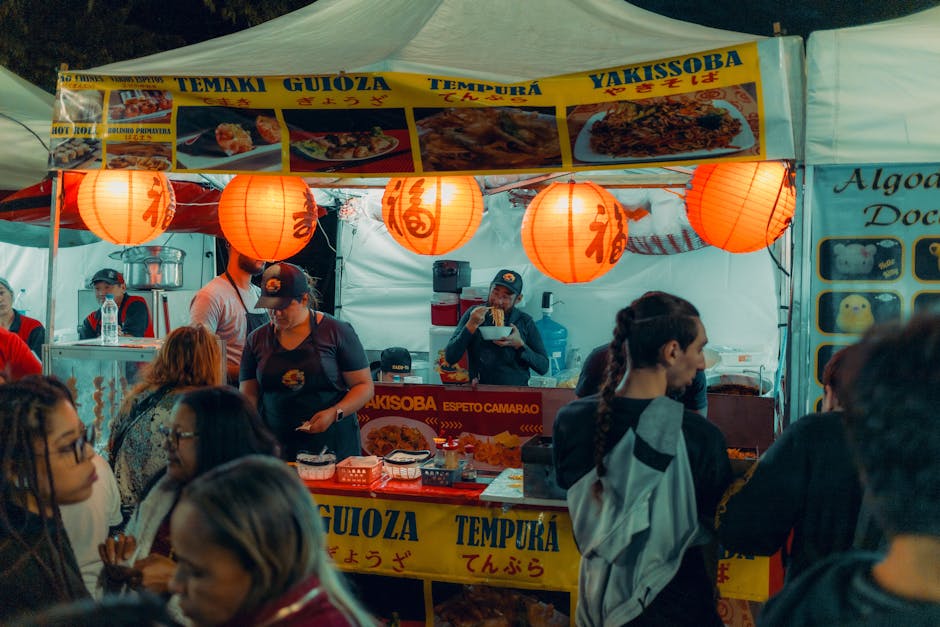
Some festivals are free, while others charge entry fees or require tickets for special events. Compare prices for single-day passes versus multi-day options. Early-bird discounts are common.
Look for bundled deals that include food credits or access to exclusive areas. For example, the Pebble Beach Food & Wine festival offers VIP packages with premium tastings and meet-and-greets.
Food and Drink Costs
Set a daily food budget. Sample dishes typically range from $5 to $15. Drink prices can be higher, especially for wine or craft cocktails. Share plates with travel companions to try more without overeating.
Bring snacks and water to avoid impulse buys. Some festivals allow outside food, but check the rules first.
Accommodation and Transportation
Lodging near the festival may cost more. Consider alternatives like vacation rentals, hostels, or staying slightly outside the city center. Use public transit, rideshares, or bike rentals to save on transport.
If driving, factor in parking fees and traffic. Some festivals offer park-and-ride services from nearby lots.
Tips for First-Time Food Festival Travelers
New to food festivals? These tips will help you navigate the experience with confidence. Preparation and awareness go a long way in ensuring a smooth trip.
Arrive Early and Stay Late
Popular vendors sell out quickly. Arriving at opening time gives you first access to limited-edition items. Staying late may offer discounts as vendors try to clear inventory.
Early mornings are also less crowded, making it easier to talk to chefs and take photos. Evening events often have a different vibe, with live music and dim lighting.
Talk to the Vendors
Many vendors are passionate about their craft and happy to share stories. Ask about ingredients, preparation methods, or recommendations. You might learn about a hidden gem in the area.
Building rapport can also lead to free samples or insider tips. A friendly conversation goes a long way.
Respect Local Customs
Food is deeply tied to culture. Be mindful of local etiquette, such as dress codes, tipping practices, or dining manners. In some countries, it’s rude to eat while walking.
Learn a few basic phrases in the local language. Saying “thank you” or “delicious” in the native tongue shows respect and appreciation.
Safety and Health Considerations
Food festivals are generally safe, but it’s important to stay aware of your surroundings and health. Large crowds and unfamiliar foods can pose risks if not managed properly.
Food Safety
Choose vendors with high turnover and visible cleanliness. Avoid raw or undercooked foods if you have a sensitive stomach. Wash hands frequently, especially before eating.
If you have allergies, carry an epinephrine auto-injector and inform vendors clearly. Don’t assume dishes are allergen-free based on labels alone.
Hydration and Rest
Festivals can be physically demanding. Drink water regularly, even if you’re not thirsty. Avoid excessive alcohol, especially in hot weather.
Take breaks in shaded areas or quiet spaces. Overexertion can lead to fatigue or heatstroke.
Personal Safety
Keep your belongings secure in crowded areas. Use a crossbody bag or money belt. Stay aware of your surroundings and avoid isolated areas at night.
Travel with a buddy when possible. Share your itinerary with someone back home and check in regularly.
Sustainable and Responsible Festival Travel
More travelers are seeking eco-friendly and ethical experiences. Food festivals can support sustainability when planned thoughtfully.
Reduce Waste
Bring reusable utensils, plates, and containers. Many festivals now offer discounts for using your own cup or container. Avoid single-use plastics whenever possible.
Compost and recycling bins are common at larger events. Follow local guidelines to dispose of waste correctly.
Support Local Producers
Buy directly from farmers, artisans, and small businesses. Your spending supports the local economy and encourages sustainable practices. Look for certifications like organic, fair trade, or locally sourced.
Avoid mass-produced souvenirs. Instead, purchase handmade goods or packaged foods to take home.
Travel Responsibly
Choose low-impact transportation when possible. Walk, bike, or use public transit. Offset your carbon footprint if flying long distances.
Respect the environment and local communities. Don’t litter, and follow all festival rules and guidelines.
FAQs
How far in advance should I book my trip for a food festival?
Book flights and accommodations at least 3–6 months in advance, especially for popular festivals. Tickets for special events may sell out even earlier.
Are food festivals suitable for people with dietary restrictions?
Yes, but research vendors in advance. Many festivals now label allergens and offer vegetarian, vegan, or gluten-free options. Always confirm ingredients with staff.
Can I bring my own food to a food festival?
Policies vary. Some festivals allow outside food, while others prohibit it to support vendors. Check the festival’s website or contact organizers before your visit.
Final Thoughts
Food festivals offer a unique blend of travel, taste, and culture. They’re perfect for adventurous eaters and curious travelers alike. By choosing the right event, planning ahead, and traveling responsibly, you can create lasting memories and discover new flavors.
Whether you’re savoring street food in Bangkok or wine in Napa, these experiences deepen your connection to a place. Start exploring the world through food—one festival at a time.