
Adventure Travel Adventures for Fearless Road Trippers
For those who crave open roads, unexpected detours, and the thrill of the unknown, adventure travel offers the ultimate escape. Whether you’re navigating rugged mountain passes, crossing deserts under star-filled skies, or winding through coastal cliffs, the right mindset and preparation turn any journey into an unforgettable experience. This guide is built for fearless road trippers ready to embrace the unpredictable, offering practical tips, route ideas, and essential safety advice to help you travel with confidence and curiosity.
Why Adventure Travel Calls to Road Trippers
Road trips are more than just transportation—they’re a form of exploration that puts you in control. Unlike packaged tours or flights, driving gives you the freedom to pause, reroute, and linger wherever curiosity strikes. For the adventurous spirit, this flexibility is everything.
Adventure travel adventures reward spontaneity. A sudden rainstorm might reveal a hidden waterfall. A local’s recommendation could lead to a family-run diner serving the best pie in the state. These moments define the journey, not just the destination.
The Rise of Overland and Off-Grid Travel
In recent years, overland travel—long-distance journeys using self-reliant vehicles—has gained popularity. Travelers are swapping hotels for rooftop tents, gas stations for wild campsites, and itineraries for intuition.
This shift reflects a growing desire for authenticity. People want to disconnect from screens and reconnect with landscapes, cultures, and themselves. Adventure travel adventures cater to this need by prioritizing immersion over convenience.
Planning Your First Adventure Road Trip
Even the most spontaneous travelers benefit from a solid foundation. A well-planned trip reduces stress and increases safety, leaving room for true adventure.
Choose the Right Vehicle
Your vehicle is your basecamp. For most road trippers, a reliable SUV or truck with good ground clearance works well. If you’re venturing off paved roads, consider a 4×4 with all-terrain tires.
For extended trips, outfit your vehicle with essentials: a roof rack, portable fridge, and extra fuel or water storage. Overlanding rigs often include solar panels and built-in kitchens, but even a basic setup can support weeks on the road.
Map Your Route—Then Be Ready to Change It
Start with a general route: major stops, fuel points, and emergency services. Use apps like Gaia GPS or Maps.me to download offline maps. Cell service disappears quickly in remote areas.
But leave room for detours. Some of the best adventures happen when you ignore the GPS and follow a dirt road to nowhere. Just ensure you have enough fuel, water, and a way to signal for help if needed.
Pack Smart, Not Heavy
Every item should serve a purpose. Prioritize multi-use gear: a bandana can be a towel, filter, or sun shield. A compact first-aid kit, fire starter, and emergency blanket are non-negotiable.
Avoid overpacking. Clothes should be quick-dry and layered. Cookware should be minimal—one pot, one pan, utensils. Remember: weight affects fuel efficiency and vehicle performance.
Top Adventure Travel Destinations for Road Trippers
The U.S. offers endless possibilities for adventure travel adventures. From deserts to forests, coastlines to canyons, these routes deliver unforgettable experiences.
The Pacific Coast Highway: California to Oregon
Stretching over 600 miles, this iconic drive hugs the coastline with dramatic cliffs, sea stacks, and hidden coves. Start in San Francisco and end in Portland, with stops in Monterey, Big Sur, and the Redwood forests.
Wild camping is limited, so book state park sites early. Winter storms can close parts of Highway 1—check road conditions before departing.
The Southwest Loop: Arizona, Utah, and New Mexico
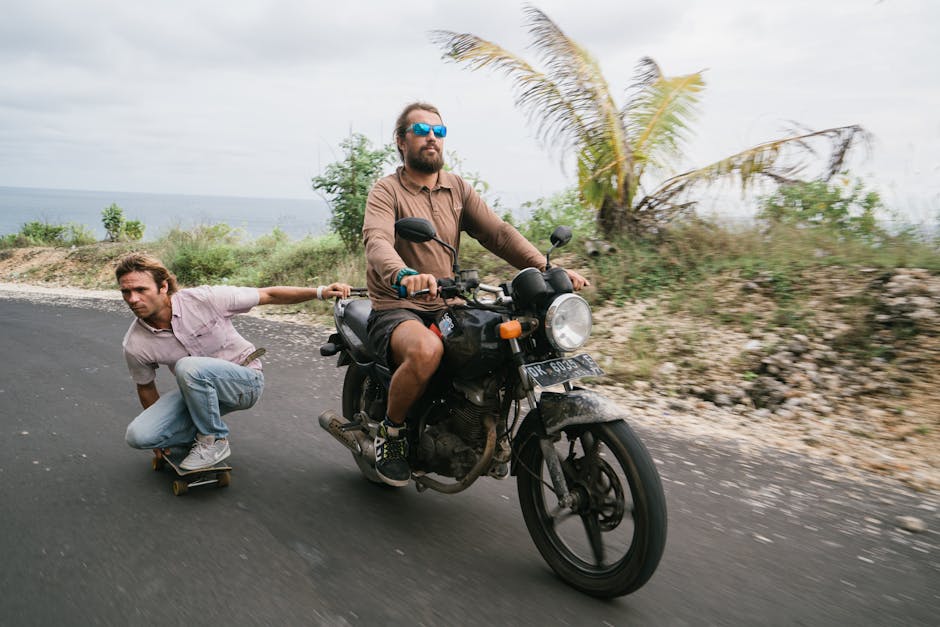
This route combines desert landscapes with ancient history. Begin in Phoenix, then head to Sedona’s red rocks, the Grand Canyon, Monument Valley, and Taos.
Water is scarce in these regions. Carry at least one gallon per person per day. Fill up whenever possible—gas stations can be over 100 miles apart.
The Great River Road: Following the Mississippi
Spanning 10 states, this scenic byway traces the Mississippi River from Minnesota to Louisiana. It’s less about adrenaline and more about culture, history, and slow travel.
Stop in river towns like Natchez or La Crosse for local music and riverboat tours. The route is mostly paved, making it accessible for all vehicle types.
The Alaska Highway: A True Wilderness Challenge
For serious adventurers, the Alaska Highway spans 1,387 miles from Dawson Creek, BC, to Delta Junction, Alaska. Expect gravel sections, wildlife crossings, and minimal services.
Prepare for extreme weather and mechanical issues. Carry spare tires, tools, and a satellite communicator. This is not a trip for the unprepared—but the solitude and scenery are unmatched.
Safety and Preparedness on the Road
Adventure travel adventures are thrilling, but they come with real risks. Being prepared isn’t about fear—it’s about respect for the environment and your limits.
Vehicle Maintenance Is Non-Negotiable
Before any long trip, get a full inspection: brakes, fluids, belts, and battery. Check tire pressure and tread depth. A blowout in a remote area can strand you for days.
Carry basic tools and know how to change a tire or jump-start a battery. Consider a roadside assistance plan that covers remote areas.
Stay Connected When It Matters
Cell phones fail in the backcountry. A satellite messenger like Garmin inReach or SPOT allows you to send SOS signals and share your location with emergency contacts.
Let someone know your itinerary and check in regularly. If you change plans, update them. Silence for too long can trigger unnecessary searches.
Know the Weather and Terrain
Weather shifts fast in mountains and deserts. A sunny morning can turn into a flash flood or snowstorm. Check forecasts daily and avoid high passes during storms.
Research terrain types. Sand, mud, and snow require different driving techniques. If you’re not experienced with off-roading, take a short course or travel with someone who is.
Embracing the Mindset of a Fearless Traveler
Adventure isn’t just about where you go—it’s how you travel. The most memorable trips often come from embracing discomfort, uncertainty, and the unknown.
Travel Slow, See More
Rushing from point A to B misses the point. Spend two nights in a small town instead of one. Hike a trail at dawn. Talk to locals at a roadside stand.
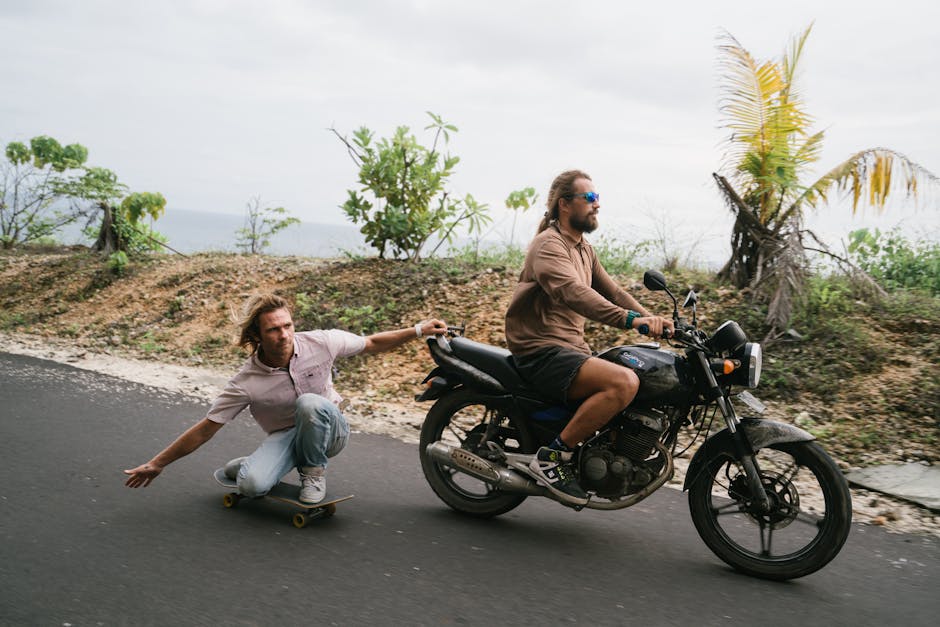
Slow travel deepens your connection to a place. You notice details—the way light hits a canyon wall, the smell of pine after rain—that speed obscures.
Accept That Things Will Go Wrong
A flat tire, a missed turn, a closed campground—these aren’t failures. They’re part of the story. How you respond defines the experience.
Carry a sense of humor and patience. Pack duct tape and zip ties—they fix more than you’d think. And always have a backup plan, even if it’s just a comfortable place to sleep in your car.
Leave No Trace
Adventure travel adventures are only sustainable if we protect the places we love. Pack out all trash, use biodegradable soap, and camp on durable surfaces.
Respect wildlife and private property. Stay on marked trails. Your presence should leave the land as you found it—or better.
Gear Essentials for the Modern Road Tripper
The right gear makes the difference between a stressful trip and a smooth one. Focus on reliability, not luxury.
Navigation and Communication
Use a combination of tools: paper maps, GPS devices, and smartphone apps. Redundancy is key. A compass and basic orienteering skills are valuable backups.
For communication, a satellite messenger is worth the investment. It’s cheaper than a rescue operation and gives peace of mind.
Sleeping and Shelter
A quality sleeping bag rated for the expected temperatures is essential. Pair it with a sleeping pad for insulation from the ground.
Tents should be lightweight and weather-resistant. Rooftop tents offer convenience but can be noisy in wind. Practice setting up your shelter before you leave.
Cooking and Food Storage
A portable stove, fuel, and basic cookware let you prepare hot meals. Instant coffee, dehydrated meals, and canned goods are staples.
Store food securely to avoid attracting animals. Use bear canisters in bear country or hang food from a tree in remote areas.
Stories from the Road: Real Adventures, Real Lessons
Every road tripper has a story that changed them. These real examples highlight what’s possible—and what to avoid.
Crossing the Mojave Desert
A couple from Denver attempted a solo trip across the Mojave with minimal water. Their car overheated 50 miles from the nearest town. They survived by rationing water and signaling with a mirror until a ranger spotted them.
Lesson: Always carry extra water in desert regions. One gallon per person per day is the minimum—double it for safety.
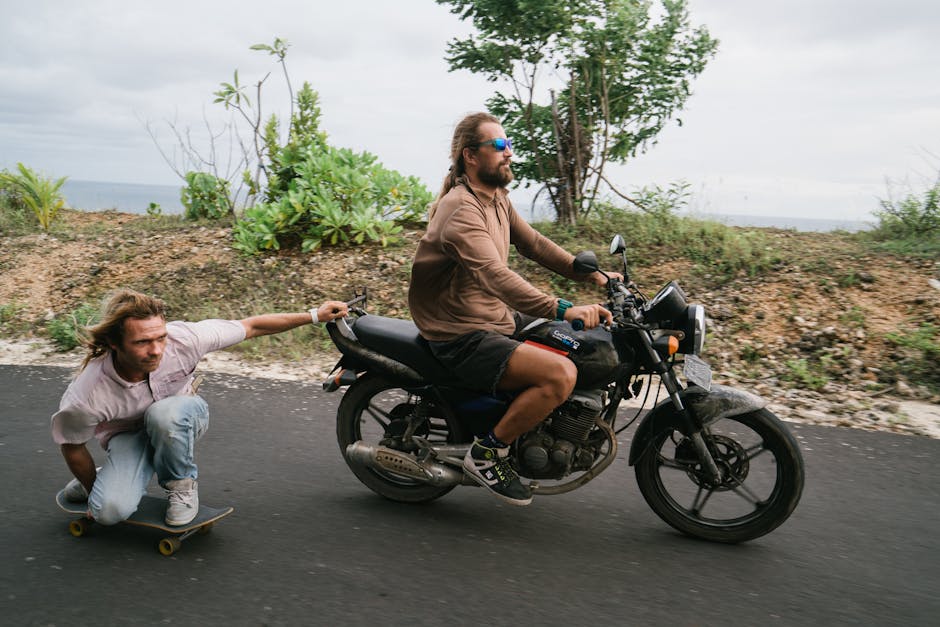
Storm on the Dempster Highway
A group of friends driving the Dempster Highway in the Yukon were caught in a sudden snowstorm. Roads became impassable, and temperatures dropped below freezing.
They stayed with their vehicle, used extra blankets, and conserved fuel by running the engine only in short bursts. Rescuers reached them after two days.
Lesson: In remote areas, staying with your vehicle increases your chances of being found. Always carry cold-weather gear, even in summer.
Wild Camping in the Adirondacks
A solo traveler set up camp in a secluded forest clearing, unaware it was private land. The owner confronted them at dawn, demanding they leave.
Lesson: Research land ownership before wild camping. Use apps like The Dyrt or iOverlander to find legal, safe spots.
How to Fund Your Adventure Travel
Long-term travel doesn’t require a six-figure salary. With planning, you can make it work on a modest budget.
Work on the Road
Remote work is a game-changer. Many road trippers use platforms like Upwork or Fiverr to freelance. Others find seasonal jobs in national parks or at campgrounds.
Consider workamping—exchanging labor for campsite fees and sometimes wages. It’s a great way to extend your trip without draining savings.
Cut Costs Without Sacrificing Safety
Cook your own meals, camp instead of staying in hotels, and use free attractions. National parks offer annual passes for $80—worth it if you visit more than three parks.
Avoid tourist traps. Local libraries, visitor centers, and community boards often list free events and hidden gems.
Sell What You Don’t Need
Declutter before you go. Sell furniture, electronics, or a second car. The extra cash can fund months of travel.
Travel light not just for space, but for freedom. The fewer possessions you have, the easier it is to move and adapt.
Final Thoughts: The Road Is Yours
Adventure travel adventures aren’t reserved for the ultra-fit or ultra-wealthy. They’re for anyone willing to step outside their comfort zone and embrace the journey.
With preparation, respect for nature, and an open mind, the open road becomes a classroom, a sanctuary, and a source of endless stories. Pack your bags, check your oil, and go—your next adventure is waiting.
FAQ
What’s the best vehicle for adventure road trips?
A reliable SUV or 4×4 with good ground clearance is ideal. For off-grid travel, consider a vehicle with extra storage, solar charging, and all-terrain tires.
How do I stay safe while traveling alone?
Share your itinerary with someone, carry a satellite communicator, and check in regularly. Avoid risky areas at night and trust your instincts.
Can I camp anywhere on public land?
In many U.S. Bureau of Land Management (BLM) areas, dispersed camping is allowed for up to 14 days. Always check local regulations and leave no trace.