
Travel Tips for Avoiding Common Airport Problems
Air travel can be stressful, but many common airport problems are preventable with the right preparation. From missed flights to lost luggage, a few smart strategies can make your journey smoother. This guide covers practical travel tips to help you avoid delays, confusion, and frustration at the airport. Whether you’re a frequent flyer or taking a rare trip, these steps will save you time and reduce stress.
Plan Ahead to Minimize Surprises
The best way to avoid airport headaches is to prepare before you leave home. Start by checking your airline’s website for real-time flight status updates and gate information. Airlines often change gates or boarding times, especially at large hubs like Atlanta or Chicago O’Hare.
Sign up for flight alerts via text or email. Most carriers offer free notifications that let you know about delays, cancellations, or gate changes. These alerts can give you extra time to adjust your plans or grab a coffee before boarding.
Arrive Early—But Not Too Early
Arriving two hours before a domestic flight and three hours before an international one is standard advice. But timing matters. If you arrive too early, you might wait longer than necessary. If you arrive too late, you risk missing your flight.
Use historical data from apps like FlightAware to see average security wait times at your departure airport. For example, TSA wait times at Denver International Airport often peak between 6:00 and 8:00 AM. Planning your arrival around these patterns helps you avoid the rush.
Pack Smart to Avoid Checked Bag Fees and Delays
Carry-on luggage reduces the risk of lost bags and saves time at baggage claim. Stick to a personal item and a carry-on bag that meets your airline’s size limits. Most major U.S. airlines allow carry-ons up to 22 x 14 x 9 inches.
Use a packing cube system to organize clothes and make security checks easier. Keep liquids in a quart-sized clear bag, with each container under 3.4 ounces. This avoids delays at TSA checkpoints.
Navigate Security Efficiently
Security lines are one of the biggest sources of airport stress. The Transportation Security Administration (TSA) recommends arriving early, but you can do more to speed up the process.
Wear slip-on shoes and avoid belts, heavy jewelry, or clothing with metal zippers. These items often trigger additional screening. Place laptops and electronics in separate bins, and keep your boarding pass and ID ready.
Use TSA PreCheck or CLEAR for Faster Screening
TSA PreCheck costs $78 for five years and allows you to keep shoes, belts, and light jackets on during screening. Laptops and compliant liquids stay in your bag. Over 200 U.S. airports offer PreCheck, and more than 85% of travelers wait less than five minutes.
CLEAR uses biometric data to verify identity and lets you skip the ID line. It costs $189 per year but works best when combined with TSA PreCheck. At busy airports like LAX or JFK, CLEAR can save 20 minutes or more during peak times.
Avoid Common TSA Mistakes
Many travelers are delayed by simple errors. For example, forgetting to remove a laptop from your bag or carrying a water bottle through security will result in a secondary screening.
Check the TSA website before you go. Prohibited items change occasionally. As of 2024, you can bring travel-sized sunscreen and hand sanitizer, but large bottles of liquid must be checked.
Stay Informed About Flight Changes
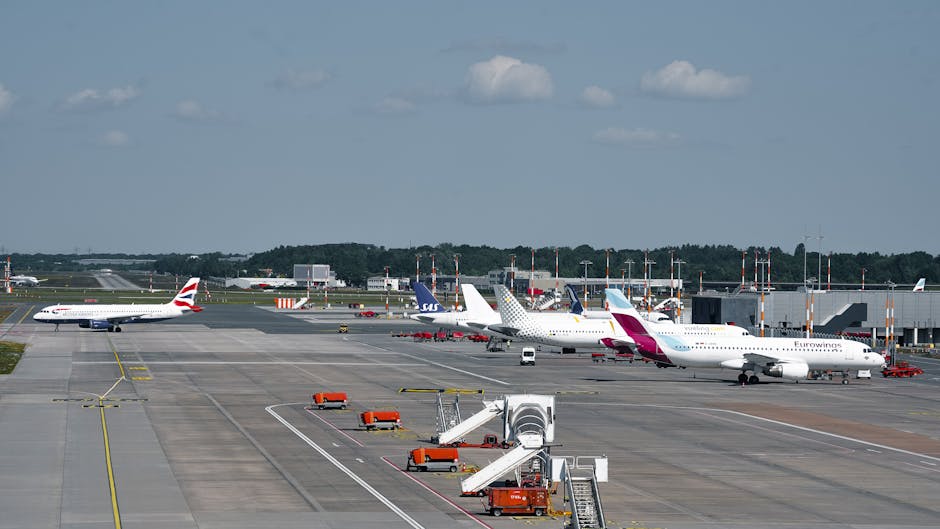
Flight delays and cancellations are unpredictable, but you can respond quickly with the right tools. Use your airline’s app to monitor your flight status. Apps like Google Flights and Flightradar24 also provide real-time updates.
If your flight is delayed, check if your airline offers automatic rebooking. Some carriers, like Delta and United, will rebook you on the next available flight at no extra cost if your delay is due to weather or mechanical issues.
Know Your Rights During Delays and Cancellations
The U.S. Department of Transportation does not require airlines to compensate passengers for delays, but they must provide refunds for canceled flights. If your flight is delayed by several hours, ask about meal vouchers or hotel accommodations—especially for overnight delays.
International flights may offer more protections. For example, EU Regulation 261 requires compensation for long delays on flights departing from or arriving in the European Union, depending on the cause and length of delay.
Use Airport Lounges Strategically
If you have a long layover or unexpected delay, airport lounges offer quiet space, free Wi-Fi, and refreshments. Many credit cards, such as the Chase Sapphire Reserve or Amex Platinum, include lounge access.
Day passes are available at some lounges for a fee. For example, American Airlines Admirals Club offers day passes for $59. These can be worth it during a multi-hour delay, especially if you need to work or rest.
Manage Layovers and Connections
Layovers can be relaxing or risky, depending on timing. A layover under 60 minutes is tight, especially if you’re changing terminals or flying internationally. Aim for at least 90 minutes for domestic connections and two hours for international ones.
Check airport maps in advance. Airports like Dallas/Fort Worth (DFW) or Denver (DEN) have multiple terminals connected by shuttles or trains. Knowing the layout helps you move quickly between gates.
Use Mobile Boarding Passes
Mobile boarding passes eliminate the need to print tickets and reduce paper waste. Most airlines support mobile boarding passes through their apps. Just ensure your phone is charged and has a readable screen.
Some international airports require a printed boarding pass for exit checks. Check your destination’s requirements before you fly. For example, Japan and South Korea often require printed boarding passes for international departures.
Stay Connected with Free Airport Wi-Fi
Free Wi-Fi is available at most major U.S. airports, but speeds vary. Use it to check flight status, download boarding passes, or message family. Avoid sensitive transactions like banking on public networks.
Some airports, like Seattle-Tacoma International, offer premium Wi-Fi for faster speeds. If you’re working during a layover, consider upgrading for a small fee.
Handle Lost or Delayed Luggage
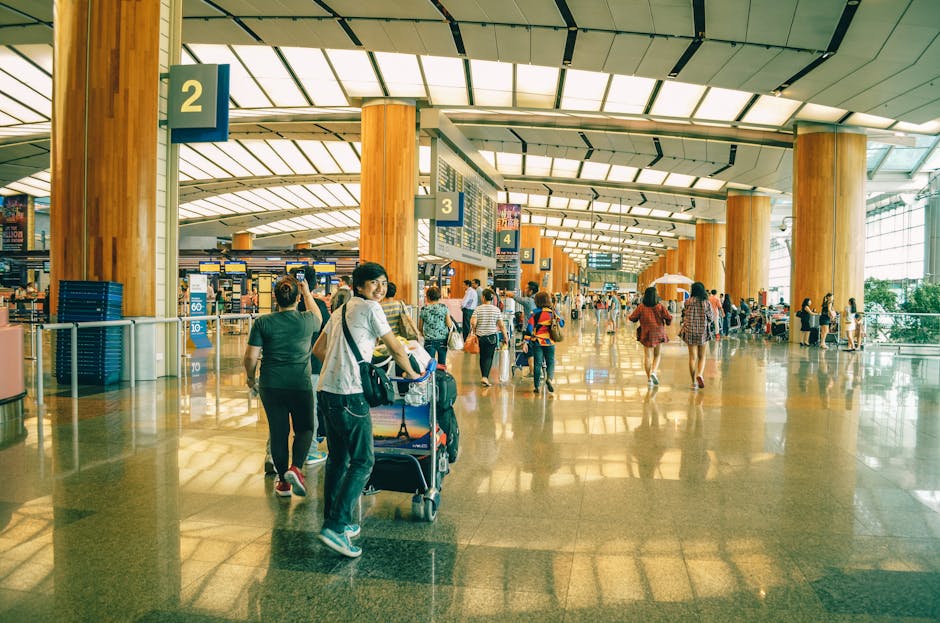
Lost luggage is rare—less than 1% of checked bags are permanently lost—but delays happen. To minimize risk, pack essentials like medications, a change of clothes, and toiletries in your carry-on.
Use a luggage tag with your name, phone number, and email. Consider a GPS tracker like Apple AirTag or Tile. These devices help you locate your bag in real time and can speed up recovery if it’s misplaced.
Report Lost Bags Immediately
If your bag doesn’t arrive, report it to the airline’s baggage service office before leaving the airport. You’ll receive a reference number to track your claim. Most airlines deliver delayed bags within 24 to 72 hours.
Keep receipts for essential purchases like clothes or toiletries. Airlines may reimburse you for reasonable expenses if your bag is delayed more than 24 hours, depending on their policy.
Prepare for International Travel
International flights come with additional requirements. Ensure your passport is valid for at least six months beyond your return date. Some countries, like Thailand and Egypt, enforce this rule strictly.
Check visa requirements early. Tourist visas can take weeks to process. Use official government websites like travel.state.gov for U.S. citizens to verify entry rules.
Use Global Entry for Faster Reentry
Global Entry costs $100 for five years and allows expedited customs screening when returning to the U.S. It includes TSA PreCheck, making it a valuable investment for frequent international travelers.
You’ll need to apply online, complete an interview, and pass a background check. Approval can take several months, so apply well in advance of your trip.
Know Duty-Free and Customs Rules
Duty-free shopping is convenient, but you must declare items upon reentry. The U.S. allows $800 in goods per person duty-free. Exceeding this amount may result in fees.
Some items, like fresh fruit or meat, are prohibited. Check the CBP website before packing souvenirs. Failure to declare restricted items can lead to fines.
Stay Healthy and Comfortable
Airports are crowded, and germs spread easily. Wash your hands frequently or use hand sanitizer. Avoid touching your face, especially before eating.
Stay hydrated. Airplane cabins have low humidity, which can cause dehydration. Drink water before, during, and after your flight. Avoid excessive alcohol or caffeine, which can worsen jet lag.
Dress for Comfort and Efficiency
Wear layers. Airports and planes can vary in temperature. A light jacket or scarf helps you adjust easily. Choose comfortable shoes for walking and security checks.
Compression socks can improve circulation on long flights, especially if you’re prone to swelling or blood clots. They’re recommended for flights over four hours.
Manage Jet Lag
Jet lag affects sleep and energy, especially on east-west flights. Adjust your sleep schedule a few days before departure. Use light exposure to reset your internal clock—seek morning light when traveling east, evening light when traveling west.
Melatonin supplements may help, but consult your doctor first. Avoid sleeping pills unless prescribed, as they can leave you groggy upon arrival.
Final Tips for a Smooth Airport Experience
Avoid last-minute rushes by preparing the night before. Charge your devices, print or download boarding passes, and pack your carry-on. Set multiple alarms to ensure you wake up on time.
Keep important documents—passport, ID, boarding pass, and credit cards—in one secure place. A travel wallet or document organizer helps you stay organized.
Use Airport Apps and Digital Tools
Download your airline’s app and the airport’s official app. Many airports, like Hartsfield-Jackson Atlanta, offer maps, restaurant listings, and real-time gate updates.
Google Maps now includes indoor airport layouts. Use it to find restrooms, charging stations, or departure gates quickly.
Stay Calm and Flexible
Delays and changes are part of travel. Stay patient and polite with airline staff. They’re more likely to help travelers who remain calm and respectful.
Have a backup plan. Know alternative flights, nearby hotels, and transportation options. Flexibility turns potential disasters into minor inconveniences.
FAQ
How early should I arrive at the airport for an international flight?
Arrive at least three hours before your international departure. This allows time for check-in, security, passport control, and potential delays.
Can I bring a power bank on a plane?
Yes, power banks are allowed in carry-on bags but not in checked luggage. They must be under 100 watt-hours (about 27,000 mAh). Larger ones require airline approval.
What should I do if my flight is canceled?
Contact your airline immediately for rebooking options. You’re entitled to a refund if you choose not to travel. Ask about meal vouchers or hotel accommodations if the delay is significant.