
Ultimate Destination Guide to Mallorca for All Travelers
Mallorca, the largest of Spain’s Balearic Islands, blends sun-drenched beaches, rugged mountain landscapes, and rich cultural heritage into one unforgettable destination. Whether you’re seeking relaxation, adventure, or authentic local experiences, this island offers something for every type of traveler. From the bustling capital of Palma to secluded coves in the north, Mallorca delivers diverse landscapes and activities within a compact area. This guide covers everything you need to plan a well-rounded trip—where to stay, what to see, how to get around, and insider tips to avoid common pitfalls.
Why Visit Mallorca?
Mallorca stands out as a Mediterranean gem that balances natural beauty with modern amenities. Its coastline stretches over 550 kilometers, featuring everything from wide sandy beaches to hidden sea caves accessible only by boat. Inland, the Serra de Tramuntana mountain range—a UNESCO World Heritage site—offers hiking trails, terraced olive groves, and charming villages like Valldemossa and Sóller.
The island enjoys over 300 days of sunshine annually, making it a year-round destination. While summer draws crowds to its beaches, spring and autumn offer milder weather and fewer tourists. Mallorca also boasts a vibrant food scene, with fresh seafood, local wines, and traditional dishes like tumbet and ensaimada available even in small towns.
Best Time to Visit Mallorca
The ideal time to visit depends on your travel style. Peak season runs from June to August, when temperatures average 28–32°C (82–90°F) and the island buzzes with energy. However, this is also the busiest and most expensive period, with beaches often crowded and accommodation rates at their highest.
For a quieter experience with pleasant weather, consider May, September, or early October. During these months, daytime temperatures hover around 22–26°C (72–79°F), the sea remains warm enough for swimming, and many locals return from vacation, bringing restaurants and shops back to life. Winter (November to March) sees fewer tourists and lower prices, though some coastal resorts reduce services, and rainfall increases slightly.
Seasonal Highlights
- Spring (April–May): Wildflowers bloom across the countryside; hiking trails are accessible and uncrowded.
- Summer (June–August): Ideal for beach days, boat trips, and nightlife in Palma or Magaluf.
- Autumn (September–October): Grape harvest season brings wine festivals; sea temperatures stay warm into October.
- Winter (November–March): Cultural events in Palma; great for budget travelers and those seeking solitude.
Top Regions and Towns to Explore
Mallorca isn’t a one-size-fits-all destination—its regions vary dramatically in character. Choosing where to base yourself can shape your entire experience.
Palma: The Vibrant Capital
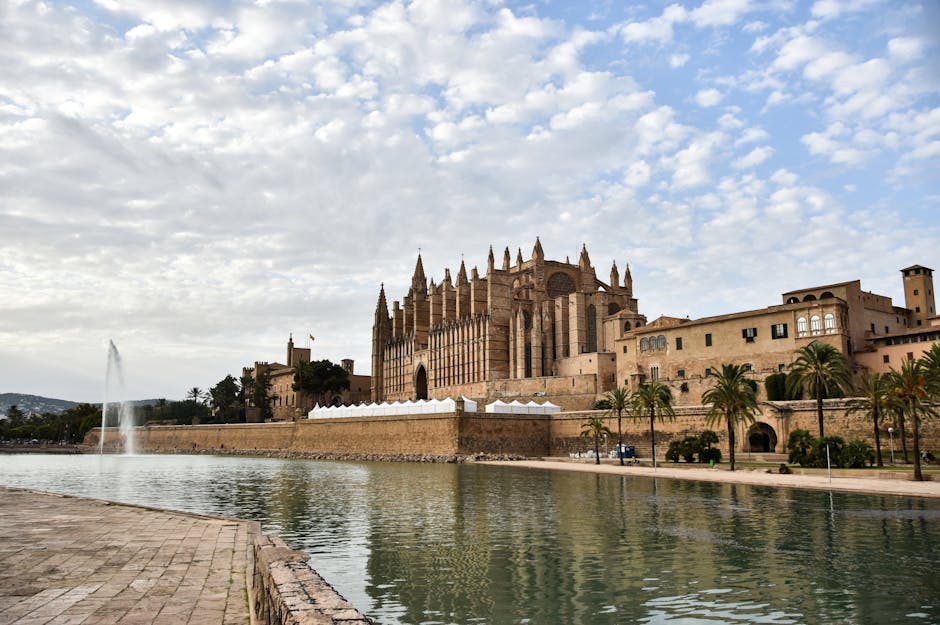
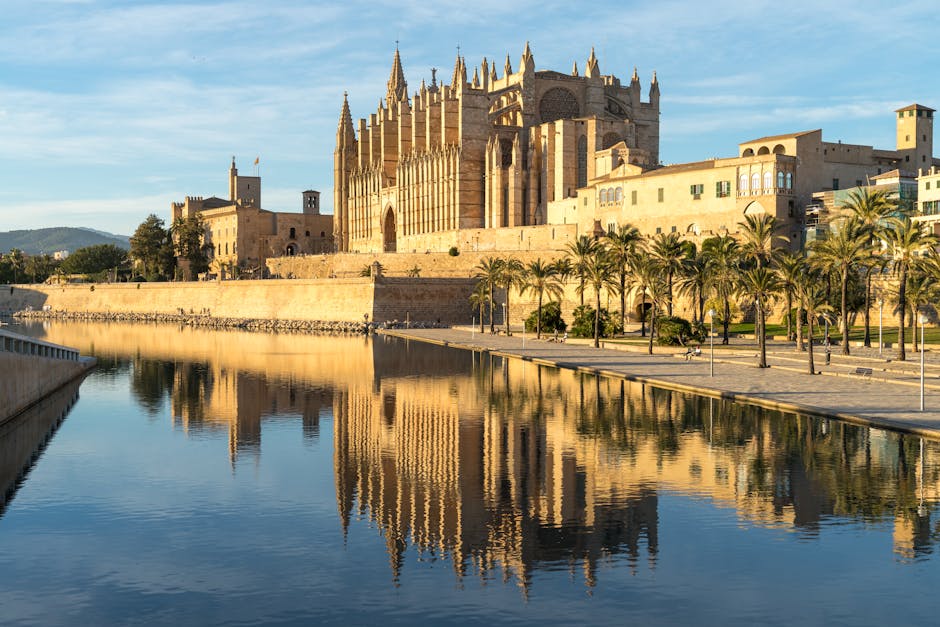
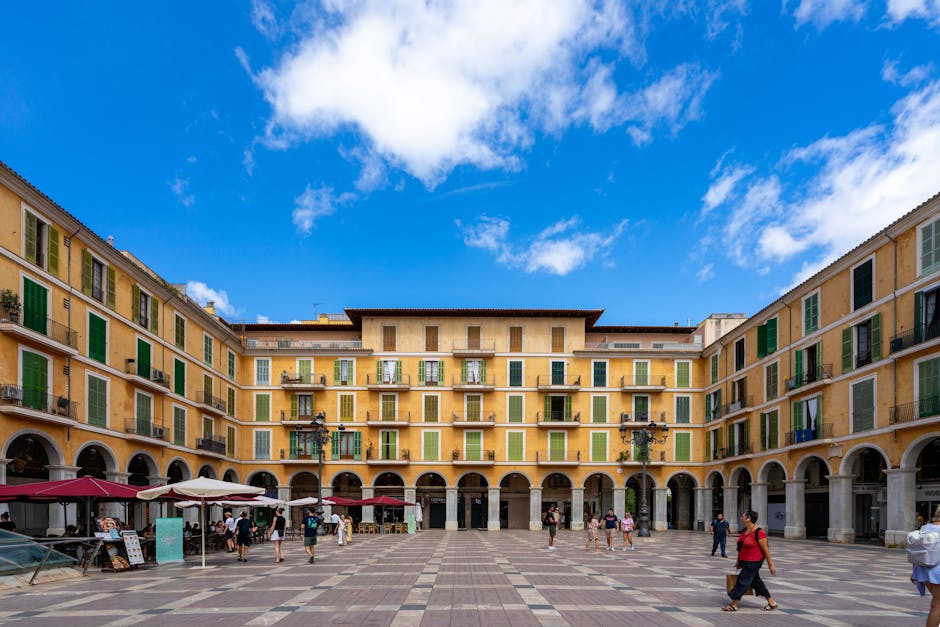
Palma serves as the island’s cultural and logistical hub. Home to nearly half of Mallorca’s population, it blends Gothic architecture, modern boutiques, and a lively waterfront. The iconic La Seu Cathedral dominates the skyline, while the old town’s narrow alleys hide tapas bars, artisan shops, and hidden plazas.
Stay in Palma if you want easy access to restaurants, nightlife, and public transport. The city also has its own beach, Playa de Palma, though it’s more developed than scenic. Public buses connect Palma to most major towns, and the airport is just 8 kilometers away.
Southern Coast: Beaches and Resorts
The south, particularly around Magaluf and Palma Nova, caters to sunseekers and party travelers. These areas offer long sandy beaches, all-inclusive hotels, and a wide range of water sports. While often busy, they’re convenient for families and first-time visitors who prioritize ease and amenities.
For a more relaxed vibe, head east to Cala d’Or or Portocolom. These quieter resorts feature small coves, family-friendly beaches, and a slower pace. Both are accessible by bus from Palma and have good dining options focused on seafood.
Northern and Western Coast: Rugged Beauty
The northwest, anchored by Port de Pollença and Alcúdia, appeals to nature lovers and outdoor enthusiasts. Dramatic cliffs, pine-covered hills, and clear waters define this region. The Bay of Alcúdia offers wide sandy beaches, while nearby Cap de Formentor provides panoramic views and hiking opportunities.
Further west, Sóller charms visitors with its vintage tram, citrus orchards, and mountain backdrop. The town feels distinctly Mediterranean, with a central plaza, historic buildings, and a weekly market. It’s also a gateway to the scenic Ferrocarril de Sóller railway, which winds through tunnels and tunnels to the port.
Central and Eastern Inland: Authentic Villages
Venture inland to discover Mallorca’s rural soul. Towns like Inca, known for its leather goods, and Artà, with its hilltop sanctuary, offer a glimpse into traditional island life. These areas are less touristy and ideal for travelers interested in local culture, crafts, and quiet exploration.
Valldemossa, nestled in the Tramuntana mountains, is one of the most picturesque villages on the island. Its cobbled streets, 14th-century monastery, and association with composer Frédéric Chopin make it a cultural highlight. Visit in the morning to avoid coach tour crowds.
Must-See Attractions and Experiences
Mallorca’s attractions span natural wonders, historical sites, and unique local experiences. Prioritize based on your interests—but don’t miss these standout options.
Cabo de Formentor
This northern headland offers some of the island’s most dramatic coastal scenery. The drive along the Formentor Peninsula is itself an attraction, with winding roads, sea views, and lookout points like Mirador Es Colomer. At the tip, a lighthouse marks the end of the road—and the beginning of hiking trails that lead to secluded coves.
Warning: The road is narrow and busy in summer. Arrive early or consider taking a guided tour to avoid parking hassles. Alternatively, reach the area by boat from Port de Pollença for a different perspective.
Drach Caves (Cuevas del Drach)
Located near Porto Cristo on the east coast, these limestone caves are among Europe’s most famous underground systems. Guided tours take you through vast chambers, past underground lakes, and end with a classical music performance on a rowboat—a surreal and memorable experience.
Book tickets in advance, especially in high season. The caves maintain a constant temperature of 20°C (68°F), so bring a light jacket even in summer.
Serra de Tramuntana Hiking
Designated a UNESCO site for its cultural landscape, the Tramuntana range offers trails for all levels. The GR 221, known as the Dry Stone Route, stretches 141 kilometers from Andratx to Cap de Formentor. Shorter hikes, like the path from Deià to Cala Deià, reward with coastal views and access to small beaches.
Always carry water, wear sturdy shoes, and check trail conditions before setting out. Many paths are unmarked, so a map or GPS app is essential.
Local Markets and Food Tours
Mallorca’s markets are a feast for the senses. In Palma, the Mercat de l’Olivar (Tuesday–Saturday) offers fresh produce, cheeses, and local delicacies. In Sineu, the Wednesday livestock and craft market has operated since the 14th century.
Join a food tour to sample sobrassada (cured sausage), formatges (artisan cheeses), and hierbas (local herbal liqueur). Many tours include visits to family-run farms or wineries in the Pla region, known for its vineyards.
Getting Around Mallorca
While Mallorca is compact, getting around efficiently requires planning. Public transport is reliable but limited in rural areas, so choose your mode based on itinerary and comfort level.
By Car
Renting a car gives you the most flexibility, especially for exploring the mountains or remote beaches. Roads are generally well-maintained, though mountain routes can be narrow and winding. Parking in towns like Palma or Sóller can be challenging and expensive—look for designated zones or park-and-ride options.
Book your rental in advance, particularly in summer. International driving permits are not required for EU license holders, but non-EU visitors should check requirements.
By Public Transport
TIB buses connect major towns and beaches, with frequent service between Palma and destinations like Alcúdia, Sóller, and Manacor. Tickets can be purchased on board or at kiosks. The network is affordable but doesn’t reach every village or cove.
The historic Sóller Train and Tram offer scenic rides from Palma to Sóller, taking about an hour. It’s a tourist favorite—book ahead during peak times.
By Bike
Mallorca is a popular cycling destination, with dedicated routes and bike-friendly roads. The flat southern coast suits casual riders, while the Tramuntana mountains challenge experienced cyclists. Many hotels offer bike rentals, and guided tours are available for all levels.
Always wear a helmet, follow traffic rules, and avoid busy highways. Early morning rides offer cooler temperatures and less traffic.
Where to Stay: Accommodation Options
Accommodation in Mallorca ranges from luxury resorts to family-run guesthouses. Your choice should align with your travel style and location preferences.
Luxury Resorts and Boutique Hotels
The southwest and northwest coasts host high-end properties with spa services, private beaches, and fine dining. Resorts like Cap Rocat (near Pollença) and Belmond La Residencia (in Deià) offer privacy and elegance, often with views of the sea or mountains.
These properties book up quickly in summer—reserve at least three months in advance. Many include breakfast and shuttle services to nearby attractions.
Family-Run Hotels and Apartments
For a more personal experience, consider smaller hotels or self-catering apartments. Towns like Port de Pollença and Cala Ratjada have a range of options, often with kitchens, balconies, and proximity to local shops.
Booking platforms like Booking.com or Airbnb offer verified listings with guest reviews. Read recent feedback to assess cleanliness and location accuracy.
Rural Fincas and Agroturismos
Stay in a restored farmhouse (finca) or rural guesthouse (agroturismo) for a peaceful retreat. These properties often include gardens, pools, and home-cooked meals using local ingredients. Popular in the central and eastern regions, they’re ideal for couples or small groups seeking tranquility.
Many fincas are only accessible by car, so confirm transportation options before booking.
Food and Drink: A Taste of Mallorca
Mallorcan cuisine reflects its Mediterranean setting—simple, fresh, and deeply rooted in local traditions. Seafood, olive oil, almonds, and pork are staples, often prepared with herbs from the mountains.
Must-Try Dishes
- Tumbet: A vegetable dish similar to ratatouille, made with eggplant, potatoes, peppers, and tomatoes, baked with olive oil.
- Sobrassada: A soft, spreadable cured sausage, often eaten on bread with honey or cheese.
- Ensaimada: A spiral-shaped pastry, slightly sweet and dusted with powdered sugar—best enjoyed fresh from a bakery.
- Frito Mallorquín: A hearty mix of chopped meat, potatoes, and vegetables, fried and seasoned with paprika.
Local Wines and Beverages
Mallorca has several wine regions, including Binissalem and Pla i Llevant, producing reds, whites, and rosés from indigenous grapes like Manto Negro and Prensal Blanc. Visit a bodega (winery) for tastings and tours—many are family-owned and offer lunch pairings.
Don’t miss hierbas, an anise-based herbal liqueur served as a digestif. It comes in sweet (dulce) and dry (sec) varieties and is often enjoyed with coffee after a meal.
Dining Tips
Restaurants in tourist areas may have inflated prices and limited menus. Venture a few blocks inland for authentic, affordable meals. Dinner typically starts after 8:30 PM—arriving earlier may mean empty tables and limited service.
Tapas are less common than in mainland Spain; instead, look for raciones (larger portions) or menú del día (daily set menu), which offers great value at lunch.
Practical Tips for Travelers
A smooth trip depends on preparation. These practical tips will help you navigate Mallorca like a savvy visitor.
Language and Communication
Spanish and Catalan are both official languages. While most people in tourist areas speak English, learning a few basic phrases in either language goes a long way. “Bon dia” (good morning) and “gràcies” (thank you) are appreciated.
Free Wi-Fi is widely available in hotels, cafes, and public spaces. Consider purchasing a local SIM card for data if you plan extensive travel outside cities.
Money and Tipping
Mallorca uses the euro. Credit cards are accepted in most hotels and restaurants, but smaller shops and markets may prefer cash. ATMs are plentiful in towns.
Tipping is not mandatory but common for good service. Rounding up the bill or leaving 5–10% in restaurants is customary. Taxi drivers and tour guides also appreciate small tips.
Safety and Health
Mallorca is generally safe, with low crime rates. Petty theft, such as pickpocketing in crowded areas or unattended bags on beaches, is the main concern. Use hotel safes and keep valuables out of sight.
Sun protection is essential—UV levels are high even in spring. Drink plenty of water, especially when hiking or spending long days outdoors. Pharmacies (farmàcies) are well-stocked and can provide basic medical advice.
Environmental Responsibility
Respect natural sites by staying on marked trails, not littering, and avoiding single-use plastics. Many beaches and parks have recycling bins. Support local businesses and choose eco-certified accommodations when possible.
Avoid touching marine life or stepping on coral when snorkeling or diving. Use reef-safe sunscreen to protect coastal ecosystems.
Sample Itineraries for Different Travelers
Tailor your trip to your interests with these flexible plans.
Family-Friendly 5-Day Itinerary
- Day 1: Arrive in Palma; explore the old town and La Seu Cathedral; dinner at a waterfront restaurant.
- Day 2: Beach day at Playa de Muro; visit Alcúdia’s Roman ruins and market.
- Day 3: Boat trip to Cabo de Formentor; picnic lunch; return via Port de Pollença.
- Day 4: Drach Caves tour; afternoon at Cala Mondragó Natural Park.
- Day 5: Shopping in Palma; departure.
Romantic Getaway (3 Days)
- Day 1: Stay in a boutique hotel in Deià; sunset dinner with sea views.
- Day 2: Hike from Valldemossa to Cala Tuent; private wine tasting in the evening.
- Day 3: Sóller train ride; lunch at a mountain finca; return to Palma.
Adventure and Nature (4 Days)
- Day 1: Arrive in Palma; rent a car; drive to Sóller.
- Day 2: Full-day hike on the GR 221; overnight in a mountain refuge.
- Day 3: Kayaking along the north coast; visit hidden coves near Capdepera.
- Day 4: Explore the east coast; return to Palma for departure.
Final Thoughts
Mallorca’s appeal lies in its diversity—coastal glamour, mountain serenity, and cultural depth coexist within a single island. Whether you’re lounging on a golden beach, exploring ancient villages, or savoring a farm-to-table meal, the island rewards curiosity and respect for its rhythms.
With thoughtful planning, you can experience the best of Mallorca without falling into tourist traps. Choose your base wisely, embrace local customs, and leave room for spontaneity. This destination guide to Mallorca equips you with the knowledge to travel confidently and authentically.
FAQ
Is Mallorca safe for solo travelers?
Yes, Mallorca is generally safe for solo travelers. Stick to well-lit, populated areas at night, keep your belongings secure, and avoid isolated beaches after dark. Public transport is reliable in main areas.
Do I need a car to explore Mallorca?
A car is helpful but not essential. Public buses cover major routes, and taxis or tours can fill gaps. However, a car is recommended for visiting mountain villages, remote beaches, or rural fincas.
What should I pack for a trip to Mallorca?
Pack lightweight clothing, swimwear, sunscreen, a hat, and comfortable walking shoes. Bring a light jacket for cooler evenings and mountain areas. If hiking, include a reusable water bottle and a small backpack.