
Amazing Adventure Travel Trails for Hidden Valleys
Hidden valleys tucked away from crowded tourist paths offer some of the most rewarding adventure travel experiences on Earth. These remote, lesser-known destinations combine natural beauty, physical challenge, and cultural discovery in ways that mainstream trails rarely match. Whether you’re trekking through misty alpine meadows, navigating jungle river gorges, or crossing high-altitude plateaus, the best adventure travel trails for hidden valleys reward curiosity and preparation. This guide highlights seven exceptional routes across diverse continents, each offering solitude, stunning scenery, and authentic encounters with local environments. From the Andes to the Himalayas, these paths are ideal for travelers seeking depth over destination checklists.
Why Choose Hidden Valley Trails for Adventure Travel?
Adventure travel thrives on discovery, and hidden valleys deliver it in abundance. Unlike popular routes that often suffer from overcrowding and commercialization, these secluded trails preserve a sense of wilderness and authenticity. You’ll encounter fewer fellow hikers, more wildlife, and landscapes that feel untouched by mass tourism.
Hidden valleys also tend to be more ecologically diverse. Sheltered by mountains or dense forests, they often host unique flora and fauna found nowhere else. The sense of accomplishment after completing a challenging, lesser-known route adds another layer of satisfaction. These trails demand self-reliance and adaptability—qualities that define true adventure.
For travelers who value meaningful experiences over Instagrammable backdrops, hidden valley trails offer a deeper connection to nature and local cultures. They’re not for everyone, but for those willing to step off the beaten path, the rewards are profound.
Top 7 Adventure Travel Trails for Hidden Valleys
1. The Markha Valley Trek, Ladakh, India
Nestled in the Indian Himalayas, the Markha Valley Trek is a classic high-altitude journey through remote villages and stark mountain landscapes. Spanning about 75 kilometers over 7–9 days, the trail climbs to over 5,000 meters at the Kang Yatze pass. Unlike the more frequented trails in Nepal, Markha remains relatively uncrowded, offering solitude and raw beauty.
The route winds through Buddhist villages where travelers can stay in homestays, sharing meals and stories with local families. The valley itself is framed by snow-capped peaks and dotted with prayer flags fluttering in the wind. Wildlife sightings may include blue sheep and Himalayan marmots, while the absence of roads preserves the region’s tranquility.
Best visited between June and September, the trek requires good physical fitness and acclimatization to altitude. Hiring a local guide is strongly recommended—not just for navigation, but for cultural insight and safety. The Markha Valley exemplifies how adventure travel can support community-based tourism while delivering unforgettable experiences.
2. The Drakensberg Traverse, South Africa
Stretching across the border between South Africa and Lesotho, the Drakensberg Traverse is a rugged, multi-day hike through one of Africa’s most dramatic mountain ranges. This 100-kilometer route follows the escarpment edge, offering panoramic views of deep valleys, basalt cliffs, and ancient rock art sites.
Unlike shorter, well-marked trails in the region, the full traverse is rarely completed by casual hikers. Most travelers opt for day hikes or shorter loops, leaving the extended route to seasoned adventurers. The isolation means you’ll need to carry all supplies, including water filtration systems and cold-weather gear, as temperatures drop sharply at night.
The valley floors below are home to San rock paintings, some over 2,000 years old, providing a cultural dimension to the physical challenge. Permits are required, and hikers must register with park authorities due to the remote nature of the route. For those seeking solitude and ancient history, the Drakensberg Traverse is unmatched.
3. The Cordillera Huayhuash Circuit, Peru
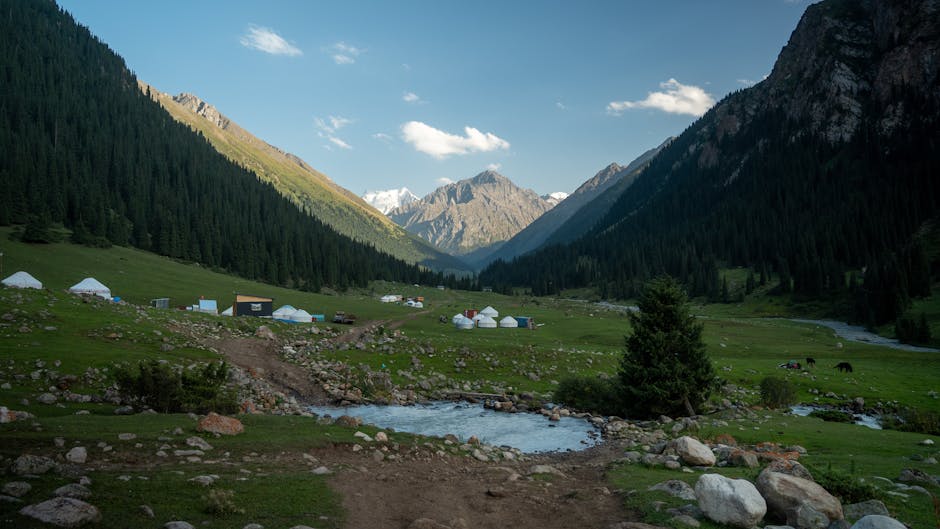
While the Inca Trail draws thousands each year, the Cordillera Huayhuash Circuit in central Peru remains one of South America’s best-kept secrets. This 120-kilometer loop takes 10–14 days and circles a compact range of towering peaks, including Yerupajá, the second-highest mountain in Peru.
The trail descends into deep glacial valleys fed by turquoise lakes and fed by meltwater from snow-capped summits. Unlike the more accessible Andes routes, Huayhuash sees few tourists, partly due to its remoteness and the need for logistical support. Most hikers travel with muleteers and cooks, as resupply points are scarce.
The valley ecosystems shift dramatically with elevation, from high-altitude grasslands to rocky moraines. Weather can change rapidly, so preparation is critical. The route is best attempted between May and September, during the dry season. For mountaineers and trekkers seeking technical challenge and pristine alpine scenery, Huayhuash is a top contender.
4. The Simien Mountains Traverse, Ethiopia
Ethiopia’s Simien Mountains offer dramatic escarpments, deep gorges, and endemic wildlife, including the gelada baboon and the Ethiopian wolf. The full traverse from Sankaber to Chennek covers about 80 kilometers and takes 7–10 days, passing through several hidden valleys carved by ancient rivers.
Unlike the more developed trails in neighboring Kenya or Tanzania, Simien remains off the mainstream safari circuit. The park is accessible via 4×4 vehicles, but once on foot, the sense of isolation is immediate. The valleys here are lush and green, contrasting with the arid lowlands below.
Trekkers should be prepared for variable weather and limited infrastructure. Accommodations are basic mountain huts, and food must be carried or arranged in advance. The route is best suited for experienced hikers, though shorter day hikes are available for those with less time. For cultural immersion, visits to local Amhara villages add depth to the journey.
5. The Wapta Icefield Traverse, Canadian Rockies
In the Canadian Rockies, the Wapta Icefield Traverse is a classic alpine ski touring and backpacking route that crosses one of North America’s largest icefields. Spanning 55 kilometers over 5–7 days, the trail links the towns of Lake Louise and Golden via high mountain passes and glacial valleys.
Unlike the well-trodden paths around Banff and Jasper, the Wapta Icefield sees few visitors outside of experienced backcountry travelers. The route requires glacier travel skills, including crevasse rescue knowledge, and is typically undertaken in late winter or early summer when snow conditions are stable.
The hidden valleys along the way—such as the remote Stanley Valley—offer solitude and stunning views of icefalls and snowfields. Wildlife includes grizzly bears and mountain goats, so proper food storage and bear spray are essential. This trail is not for beginners, but for those with the skills, it’s one of the continent’s most rewarding alpine adventures.
6. The Tavan Bogd Traverse, Mongolia
At the far western edge of Mongolia, the Tavan Bogd massif rises above the Altai Mountains, forming a natural border with Russia and China. The traverse around these five sacred peaks includes several remote valleys, such as the Khurgan and Tsambagarav regions, accessible only by foot or horseback.
This 90-kilometer route takes 10–12 days and passes through nomadic herder camps, where travelers can experience traditional Mongolian hospitality. The valleys are dotted with ancient petroglyphs and burial mounds, reflecting thousands of years of human presence.
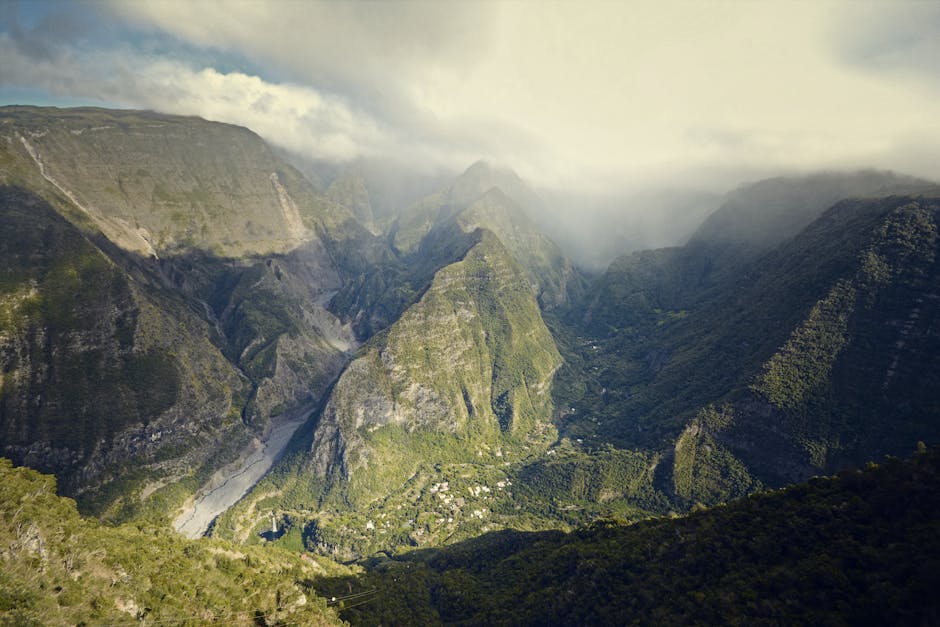
Weather is unpredictable, with snow possible even in summer. The trail is unmarked, so navigation skills or a local guide are essential. Most hikers fly into Ulgii and arrange transport via 4×4. For those seeking cultural depth and untouched landscapes, Tavan Bogd is a standout destination.
7. The Paparoa Track, New Zealand
Opened in 2019, the Paparoa Track on New Zealand’s South Island is one of the country’s Great Walks, but it remains less crowded than the more famous Routeburn or Milford Tracks. This 55-kilometer trail crosses the Paparoa Range, descending into lush rainforest valleys and limestone karst landscapes.
The route includes the stunning Pororari River Gorge, where moss-covered trees and cascading waterfalls create a fairy-tale atmosphere. Unlike coastal trails, Paparoa offers a mix of alpine and lowland ecosystems within a short distance. The trail is well-maintained but still feels remote, with limited cell service and few other hikers.
Accommodations are provided in two backcountry huts, bookable in advance. The best time to visit is from October to April. For travelers seeking a balance of accessibility and adventure, Paparoa delivers a high-quality experience without the crowds.
How to Prepare for Adventure Travel in Hidden Valleys
Preparing for a hidden valley trek requires more than just packing a backpack. These routes often lack emergency services, marked trails, or reliable communication. Start by researching your chosen destination thoroughly—climate, terrain, local regulations, and cultural norms.
Physical conditioning is essential. Most hidden valley trails involve long days of hiking with elevation gain, uneven terrain, and variable weather. Training with weighted packs and elevation simulation can make a significant difference. Don’t underestimate the mental aspect—solitude and uncertainty are part of the challenge.
Gear selection should prioritize durability and versatility. A high-quality tent, sleeping bag rated for cold weather, and a reliable water filtration system are non-negotiable. Navigation tools like GPS devices, topographic maps, and compasses are critical, especially where trails are unmarked.
Always inform someone of your itinerary and expected return date. Carry a satellite communicator or personal locator beacon (PLB) if traveling in truly remote areas. Local guides can enhance safety and enrich the experience, particularly in regions with complex terrain or cultural sensitivities.
Safety Considerations and Environmental Responsibility
Safety on hidden valley trails begins with awareness. Weather in mountainous regions can change rapidly, leading to hypothermia, avalanches, or flash floods. Check forecasts regularly and be prepared to turn back if conditions deteriorate.
Wildlife encounters are more common in remote areas. Know how to store food properly, make noise while hiking, and respond to animal sightings. In bear country, carry bear spray and understand how to use it. In regions with venomous snakes or insects, wear appropriate footwear and use insect repellent.
Environmental responsibility is equally important. Follow Leave No Trace principles: pack out all waste, avoid disturbing wildlife, and stay on designated paths to prevent erosion. In many hidden valleys, ecosystems are fragile and slow to recover from damage.
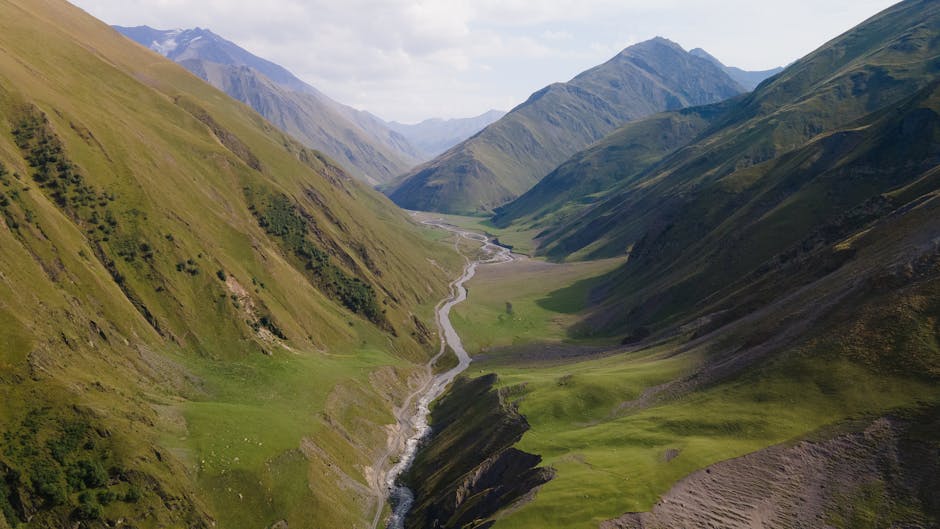
Respect local communities by learning basic phrases in the local language, dressing modestly, and asking permission before photographing people or sacred sites. Supporting local economies through homestays, guides, and purchases helps ensure these destinations remain accessible and sustainable.
What Makes These Trails Truly Amazing?
What sets these adventure travel trails apart is not just their scenery, but the sense of discovery they offer. Hidden valleys are often shaped by isolation—geographically, culturally, and ecologically. They preserve traditions, languages, and ways of life that have disappeared elsewhere.
The physical challenge of reaching these places adds to their allure. Whether it’s crossing a high pass, fording a river, or navigating a glacier, the effort required deepens the connection to the landscape. Success comes not from speed, but from perseverance and adaptability.
These trails also foster introspection. With fewer distractions and no digital noise, travelers often report heightened awareness and clarity. The silence of a hidden valley at dawn, the sound of a distant waterfall, or the sight of a rare bird can become lifelong memories.
For many, the true reward isn’t the destination, but the transformation that comes from stepping into the unknown. Adventure travel in hidden valleys isn’t about conquering nature—it’s about learning to move through it with humility and respect.
Final Thoughts on Adventure Travel Trails for Hidden Valleys
Adventure travel trails for hidden valleys offer a rare blend of challenge, beauty, and authenticity. They invite travelers to slow down, observe deeply, and engage with the world on its own terms. While they demand preparation and caution, the experiences they provide are often more meaningful than those found on popular routes.
From the high Himalayas to the wilds of New Zealand, these seven trails represent some of the planet’s most extraordinary journeys. Each one offers a unique window into remote cultures and untouched landscapes. For those willing to invest the time and effort, the rewards are immeasurable.
As adventure travel evolves, there’s a growing appreciation for quality over quantity—fewer destinations, deeper experiences. Hidden valleys embody this shift. They remind us that the most amazing journeys aren’t always the easiest to reach, but they’re always worth the effort.
FAQ
What should I pack for a hidden valley trek?
Essential items include a durable backpack, weather-appropriate clothing, a high-quality sleeping bag, water filtration system, first-aid kit, navigation tools, and a satellite communicator. Always pack extra food and check local regulations for permits.
Are hidden valley trails safe for solo travelers?
Some trails are suitable for experienced solo hikers, but many require guides or group travel due to remoteness, wildlife, or navigation challenges. Always assess your skill level and carry emergency communication devices.
How do I find lesser-known adventure trails?
Research through reputable guidebooks, local tourism boards, and adventure travel forums. Connecting with regional hiking clubs or hiring local guides can also reveal hidden gems not listed in mainstream travel resources.