
Food and Culinary Travel Routes for Memorable Dishes
Traveling for food is more than just eating—it’s about experiencing culture through flavor. Whether you’re chasing street tacos in Oaxaca or savoring handmade pasta in Bologna, food and culinary travel routes offer a direct path to unforgettable meals. These journeys connect travelers with local ingredients, time-honored techniques, and regional traditions that define a place. By following curated culinary paths, you don’t just taste food—you understand it.
Why Follow a Culinary Travel Route?
Culinary travel routes are carefully planned itineraries that highlight the best local dishes, markets, and food experiences in a region. They go beyond typical tourist spots to include family-run eateries, seasonal specialties, and hidden gems known only to locals.
These routes save time and reduce guesswork. Instead of wandering aimlessly, you follow a trusted path that leads to authentic flavors. For example, the Emilia-Romagna route in Italy guides food lovers through Parma for Parmigiano-Reggiano, Modena for balsamic vinegar, and Bologna for ragù alla Bolognese—each stop rooted in centuries of tradition.
They also support sustainable tourism. Many routes emphasize farm-to-table practices, local producers, and seasonal menus, helping preserve culinary heritage while boosting regional economies.
Top Food and Culinary Travel Routes Around the World
The Tapas Trail: Spain’s Northern Coast
Starting in San Sebastián and winding through Bilbao and Santander, this route showcases pintxos—small, artfully arranged bites served on bread. Each bar offers a unique twist, from marinated anchovies to slow-cooked beef cheek.
The Basque Country is known for its high-quality ingredients and inventive yet simple preparations. A typical evening involves hopping between three or four bars, sampling different tapas with a glass of txakoli or local cider.
Tip: Visit during the San Sebastián Gastronomika festival in October to meet renowned chefs and attend cooking demos.
The Spice Route: Kerala, India
Kerala’s backwaters and coastal towns are a haven for spice lovers. This route takes you from Alleppey’s houseboat kitchens to the spice plantations of Thekkady, where cardamom, pepper, and cinnamon grow in lush groves.
Dishes like appam with stew, fish moilee, and banana fritters reflect the region’s blend of Malayali, Arab, and Portuguese influences. Cooking classes with local families offer hands-on experience in grinding spices and balancing flavors.
Warning: Some traditional dishes use coconut milk and oil liberally—check with hosts if you have dietary restrictions.
The Seafood Circuit: Hokkaido, Japan
Hokkaido’s cold waters yield some of the world’s finest seafood. This route begins in Hakodate’s morning market, where you can sample uni (sea urchin), kaisendon (seafood rice bowls), and fresh crab.
From there, travel to Otaru for sushi at tiny counter bars, then on to Abashiri for grilled scallops and kelp-based broths. The island’s dairy farms also mean rich milk, butter, and ice cream—perfect for rounding out a meal.
Best time to go: Winter for crab and snow crab festivals; summer for scallops and open-air markets.
The Olive Oil and Wine Loop: Tuscany, Italy
This route winds through Chianti, Montalcino, and Montepulciano, linking vineyards, olive groves, and hilltop trattorias. You’ll taste Chianti Classico wines paired with ribollita ( Tuscan bread soup) and pici pasta with wild boar ragù.
Many farms offer tastings and tours, allowing you to sample extra virgin olive oil straight from the press. The region’s slow food philosophy emphasizes seasonal, local ingredients—no shortcuts, no substitutes.
Takeaway: Book tastings in advance, especially during harvest season (September–October).
The Banh Mi and Pho Path: Ho Chi Minh City to Hanoi, Vietnam
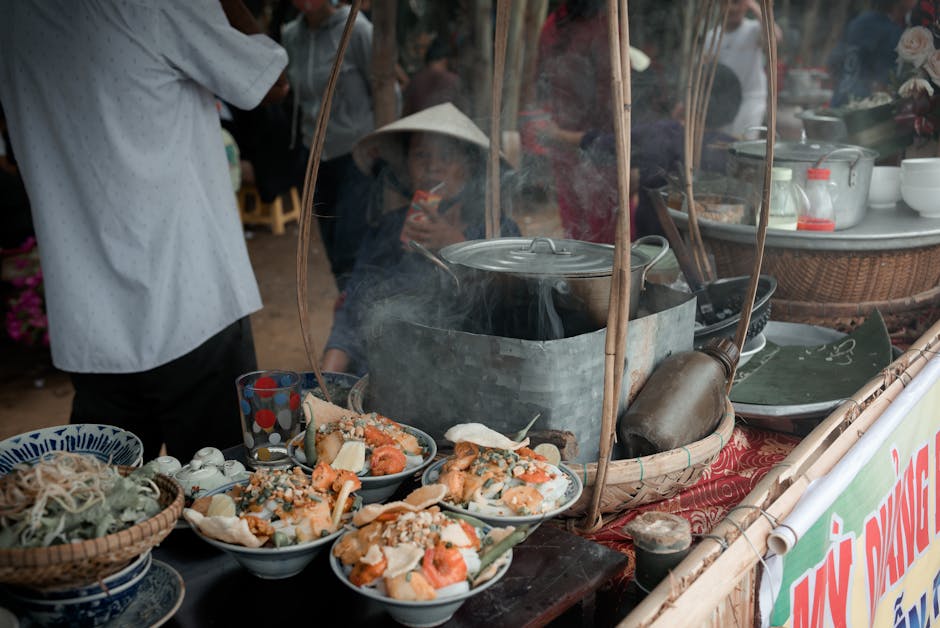
This north-south route traces Vietnam’s evolving street food scene. Start in Ho Chi Minh City with crispy banh mi filled with pâté, cilantro, and pickled vegetables. Move north to Hue for royal-inspired dishes like bun bo Hue (spicy beef noodle soup).
In Hanoi, end with pho bo (beef pho) at dawn, served with fresh herbs and lime. Each city adds its own twist, shaped by history, climate, and local tastes.
Note: Street food is generally safe, but choose stalls with high turnover and visible cleanliness.
How to Plan Your Own Culinary Travel Route
Step 1: Choose a Region with Strong Culinary Identity
Not every destination is ideal for food-focused travel. Look for places with distinct regional cuisines, active food scenes, and accessible local producers. Regions with UNESCO Creative Cities of Gastronomy status—like Chengdu, Mexico City, or Parma—are strong candidates.
Research seasonal specialties. For example, visit Japan in spring for sakura-themed sweets or France in autumn for truffle markets.
Step 2: Map Key Stops and Experiences
Create a flexible itinerary that includes markets, restaurants, cooking classes, and food tours. Prioritize places where you can interact with chefs or producers.
Use local food blogs, travel forums, and apps like Eatwith or Withlocals to find authentic experiences. Avoid overly touristy spots that serve “internationalized” versions of local dishes.
Example: In Mexico City, include Mercado de la Merced for fresh masa, Pujol for modern mole, and a mezcal tasting in the Roma neighborhood.
Step 3: Balance Food with Other Activities
While food is the focus, don’t forget sightseeing, rest, and cultural experiences. A well-paced route might include a morning market visit, a midday cooking class, and an evening dinner, with time to explore museums or parks in between.
Overloading your schedule with meals can lead to fatigue. Aim for 2–3 food-focused activities per day, depending on intensity.
Step 4: Pack Smart and Stay Safe
Bring a reusable water bottle, hand sanitizer, and small containers for leftovers. If you have allergies, carry translation cards in the local language.
Stay hydrated, especially in hot climates, and avoid raw or undercooked foods if you’re unsure of preparation standards. Stick to busy, reputable vendors for street food.
What Makes a Dish “Memorable” on a Culinary Journey?
A memorable dish often combines flavor, story, and context. It might be a bowl of ramen served by a third-generation chef in a Tokyo alley, or a lamb tagine cooked over coals in a Marrakech riad.
These meals stand out because they’re tied to place and people. The aroma of saffron in a Spanish paella pan, the sound of sizzling okonomiyaki on a teppan grill—these sensory details deepen the experience.
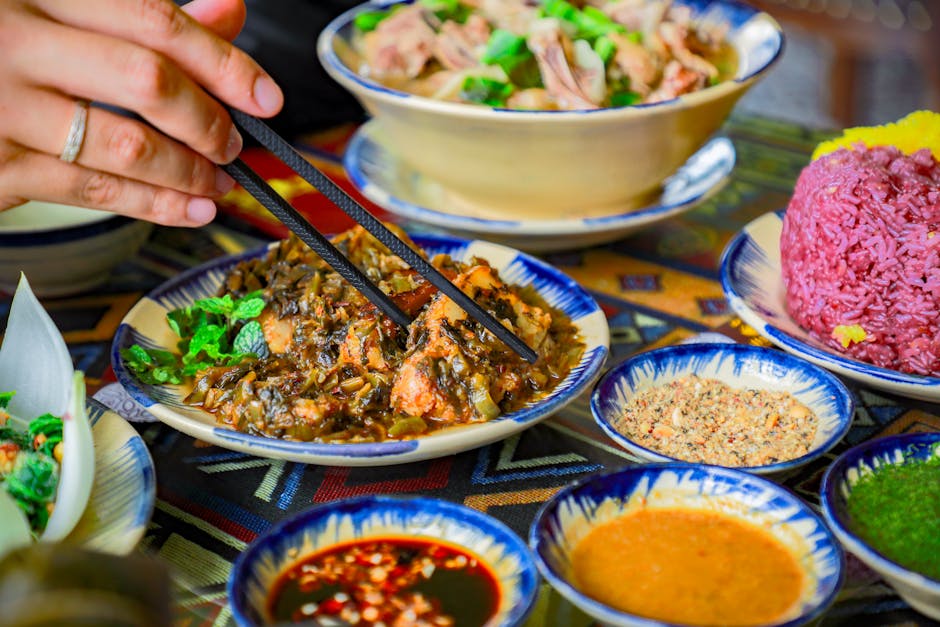
Memorable dishes also reflect authenticity. They’re not made for tourists, but for locals who’ve eaten them their whole lives. That’s why seeking out neighborhood eateries often yields better results than dining in hotel restaurants.
Common Mistakes to Avoid
One major mistake is relying solely on online reviews. While helpful, platforms like TripAdvisor can be skewed toward tourist-heavy spots. Cross-reference with local food blogs or ask hotel concierges for off-the-beaten-path recommendations.
Another pitfall is overplanning. Leave room for spontaneity—some of the best meals happen when you follow a local’s suggestion or stumble upon a weekend market.
Also, don’t assume all “local” food is safe. In some regions, water quality or food handling practices may differ. When in doubt, opt for freshly cooked, hot dishes.
How to Capture and Share Your Culinary Journey
Document your trip with photos, notes, and short videos. Focus on details: the texture of handmade noodles, the color of a spice blend, the chef’s hands shaping dumplings.
Share responsibly. Avoid geotagging exact locations of small family businesses that may not want crowds. Instead, tag the city or region to inspire others without overwhelming local spots.
Consider writing a short travelogue or recipe adaptation after returning home. Recreating a dish from memory helps preserve the experience and share it with friends.
Final Thoughts
Food and culinary travel routes turn meals into memories. They offer a deeper connection to the places we visit, one bite at a time. Whether you’re tracing the spice trails of India or the wine roads of France, these journeys remind us that food is culture, history, and community on a plate.
Start small. Pick one region, plan a few key stops, and let your taste buds lead the way. The most unforgettable dishes often come from the simplest ingredients—prepared with care, shared with joy.
FAQ
What is a culinary travel route?
A culinary travel route is a planned itinerary that guides travelers through a region’s best food experiences, including local dishes, markets, and cooking traditions.
Are culinary travel routes suitable for vegetarians or people with dietary restrictions?
Yes, many routes can accommodate dietary needs. Research ahead and communicate with hosts or tour operators to ensure suitable options are available.
Do I need to speak the local language to follow a food route?
Not necessarily. Many food tours and cooking classes offer English guidance, and gestures, translation apps, and food visuals often bridge language gaps.