
Beach and Island Travel Routes for Coastal Discoveries
Exploring beaches and islands offers some of the most rewarding travel experiences for coastal adventurers. Whether you’re seeking turquoise waters, hidden coves, or vibrant marine life, the right travel route can transform a simple trip into an unforgettable journey. Beach and island travel routes are carefully planned paths—by boat, ferry, kayak, or foot—that connect scenic coastal destinations while maximizing time, safety, and discovery. These routes often link remote shores with cultural hotspots, making them ideal for travelers who want both relaxation and exploration. With thoughtful planning, you can experience pristine coastlines, local cuisine, and authentic island life without the crowds.
Why Choose a Coastal Travel Route?
Coastal travel routes offer a unique blend of accessibility and adventure. Unlike inland destinations, beaches and islands often require multi-modal transportation—ferries, water taxis, or hiking trails—which adds an element of discovery to each leg of the journey. These routes are designed to showcase natural beauty, from secluded beaches to coral reefs and coastal villages.
They also promote sustainable tourism by encouraging low-impact travel. Many island communities rely on eco-conscious visitors who respect local ecosystems and support small businesses. By following established travel routes, you help preserve fragile environments while experiencing authentic coastal cultures.
Benefits of Structured Coastal Itineraries
- Efficient use of time: Pre-planned routes minimize travel delays and help you see more in less time.
- Access to hidden gems: Local guides and route maps often include lesser-known beaches and viewpoints.
- Safety and navigation: Marked trails and scheduled ferries reduce the risk of getting lost or stranded.
- Cultural immersion: Routes often pass through fishing villages, markets, and historic sites.
Top Beach and Island Travel Routes Around the World
From the Mediterranean to Southeast Asia, coastal travel routes vary in length, difficulty, and scenery. Below are some of the most popular and scenic options for travelers seeking beach and island adventures.
The Greek Islands Hopping Route
Starting in Athens, this classic route connects Santorini, Mykonos, Paros, and Crete via regular ferry services. Each island offers distinct beaches—from the black sands of Santorini to the windsurfing havens of Paros. The journey typically takes 7–10 days and is best traveled between May and October.
Ferries run frequently, and many routes are covered by the Hellenic Seaways network. Booking tickets in advance during peak season is essential. Pack light, as island accommodations often have limited storage and steep staircases.
The Whitsunday Islands, Australia
Located in the heart of the Great Barrier Reef, the Whitsundays offer a network of 74 islands accessible by charter boat, ferry, or seaplane. The most popular travel route circles Hamilton Island, Whitehaven Beach, and Hook Island.
Whitehaven Beach’s silica sand and turquoise waters are a highlight. Overnight stays on private islands or eco-lodges allow for deeper exploration. Snorkeling and sailing are common activities, and guided tours help protect the reef ecosystem.
The Dalmatian Coast, Croatia
Beginning in Split, this route includes Hvar, Brač, Korčula, and Mljet. Ferries and catamarans connect the islands, with daily departures during summer. Each stop offers medieval towns, olive groves, and secluded pebble beaches.
Hvar is known for its lavender fields and nightlife, while Mljet’s national park features saltwater lakes and forested trails. Travelers can combine island hopping with visits to coastal cities like Dubrovnik for a full coastal experience.
The Andaman Islands, India
Accessible from Port Blair, this remote route includes Havelock Island, Neil Island, and Baratang. The journey involves domestic flights and government-run ferries, with limited private options.
Radhanagar Beach on Havelock is frequently ranked among Asia’s best. Limestone caves and mangrove forests add adventure, but permits are required for foreign travelers. The best time to visit is November to April.
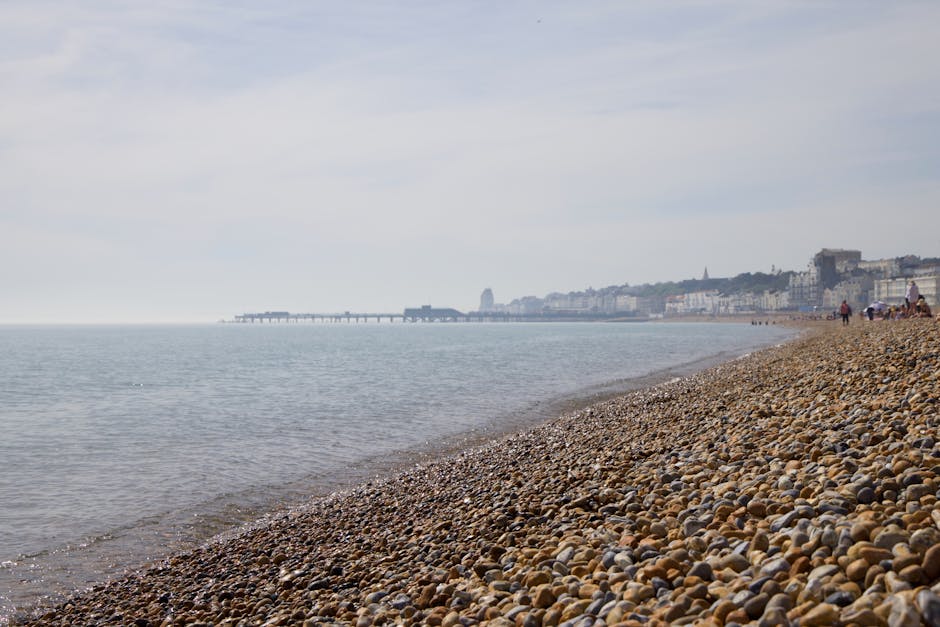
The San Juan Islands, USA
Off the coast of Washington State, this archipelago includes San Juan, Orcas, and Lopez Islands. The route is served by Washington State Ferries and private charters.
Orcas Island offers hiking in Moran State Park and views of Mount Constitution. San Juan Island features historic lighthouses and orca whale sightings. The area is ideal for kayaking and wildlife watching.
Planning Your Own Coastal Discovery Route
Creating a personalized beach and island travel route requires research, flexibility, and local insight. Start by identifying your travel goals: relaxation, adventure, photography, or cultural exchange. Then, choose destinations that align with your interests and time frame.
Consider the season, weather patterns, and local events. Monsoon seasons in tropical regions or winter storms in temperate zones can disrupt travel plans. Always check ferry schedules and accommodation availability before departure.
Step-by-Step Route Planning
- Define your route length: Decide how many days you can dedicate to travel.
- Select anchor destinations: Choose 3–5 key islands or coastal towns as base points.
- Map transportation links: Identify ferries, flights, or hiking trails between locations.
- Book in advance: Secure ferry tickets and accommodations, especially in peak season.
- Pack appropriately: Bring reef-safe sunscreen, water shoes, and lightweight clothing.
Use tools like Google Earth, ferry operator websites, and travel forums to visualize your route. Local tourism boards often publish seasonal route guides and safety advisories.
Transportation Options for Island Hopping
The mode of transport defines the rhythm and style of your coastal journey. Each option has advantages and limitations depending on distance, budget, and accessibility.
Ferries and Catamarans
Public ferries are the most common and affordable way to travel between islands. They operate on fixed schedules and carry passengers, vehicles, and cargo. Catamarans are faster but more expensive, often used in tourist-heavy regions like Greece and Thailand.
Always arrive at the dock early, especially during summer months. Bring snacks and water, as onboard services may be limited. Check luggage policies—some ferries charge extra for large bags.
Private Boat Charters
For greater flexibility, consider renting a boat with or without a skipper. This allows you to visit secluded beaches and anchor in quiet bays. Costs vary widely, from $200/day for small sailboats to $2,000+/day for luxury yachts.
Chartering requires basic nautical knowledge or hiring a local captain. Ensure the vessel is insured and equipped with safety gear. Weather conditions can change quickly, so monitor forecasts daily.
Kayaking and Paddleboarding
For short distances, human-powered travel offers intimate access to coastal landscapes. Kayaking between islands in calm waters—like the San Juans or Thailand’s Krabi coast—is a popular choice.
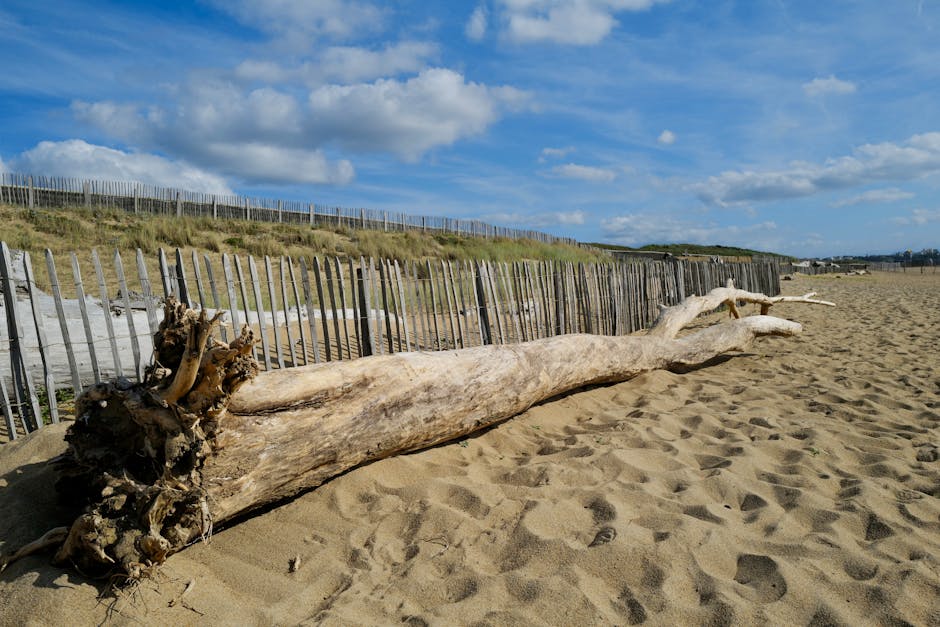
Guided tours are recommended for beginners. They provide equipment, safety briefings, and local knowledge. Always wear a life jacket and avoid paddling in strong currents or offshore winds.
What to Pack for a Beach and Island Journey
Packing light and smart is essential for coastal travel. You’ll likely move between accommodations and transport modes frequently, so mobility is key.
Essential Gear
- Waterproof dry bag: Protects electronics and documents from splashes and rain.
- Reef-safe sunscreen: Prevents coral damage and complies with local regulations.
- Water shoes: Ideal for rocky shores and boat decks.
- Quick-dry clothing: Lightweight fabrics dry fast and resist odors.
- Snorkel gear: Fins, mask, and snorkel allow you to explore marine life independently.
Avoid single-use plastics—many islands have limited waste management. Bring a reusable water bottle with a filter, especially in remote areas where bottled water is expensive or unavailable.
Safety and Environmental Considerations
Coastal environments are beautiful but can be unpredictable. Tides, currents, and weather patterns change rapidly, especially in open water. Always inform someone of your travel plans and expected return time.
Water Safety Tips
- Never swim alone, especially in unfamiliar waters.
- Check for rip currents before entering the ocean.
- Follow local signage and lifeguard instructions.
- Avoid alcohol before swimming or boating.
Respect marine life—do not touch coral, chase fish, or feed animals. Disturbing ecosystems can have long-term consequences. Use biodegradable toiletries to reduce pollution.
Leave No Trace Principles
Pack out all trash, including food wrappers and cigarette butts. Stay on marked trails to prevent erosion. Avoid collecting shells, rocks, or sand—these are part of the island’s natural habitat.
Support local conservation efforts by choosing eco-certified tours and accommodations. Many islands have community-led initiatives to protect beaches and reefs.
Cultural Etiquette and Local Engagement
Islands often have distinct cultures, languages, and traditions. Respecting local customs enhances your experience and fosters positive interactions.
Dos and Don’ts
- Do learn basic phrases: “Hello,” “thank you,” and “please” go a long way.
- Do dress modestly: Cover shoulders and knees when visiting villages or religious sites.
- Don’t photograph people without permission: Always ask first, especially in rural areas.
- Don’t bargain aggressively: In markets, polite negotiation is acceptable, but respect is key.
Eat at local restaurants and buy handmade crafts to support the economy. Avoid chain hotels and imported goods when possible. Your spending choices can make a real difference.

Best Times to Travel Coastal Routes
Timing affects everything—from weather and crowds to prices and wildlife activity. Each region has an optimal window for safe and enjoyable travel.
Seasonal Guide by Region
- Caribbean: December to April (dry season, peak prices).
- Southeast Asia: November to March (avoid monsoon rains).
- Mediterranean: May to September (warm weather, busy ferries).
- Australia: June to October (dry season in the north).
- Northwest USA: July to September (mild weather, calm seas).
Shoulder seasons (spring and fall) often offer the best balance—fewer tourists, lower prices, and pleasant weather. Book early for popular routes during these times.
Common Mistakes to Avoid
Even experienced travelers make errors when navigating beach and island routes. Awareness helps prevent frustration and ensures a smoother journey.
Overpacking Your Itinerary
Trying to visit too many islands in a short time leads to exhaustion. Allow at least one full day per island for exploration and relaxation. Travel days between islands can take hours—factor that into your schedule.
Ignoring Local Advice
Tourists sometimes underestimate local knowledge. Ask ferry staff, hotel owners, or tour guides about weather, tides, and hidden spots. They often know the best times to visit certain beaches or avoid crowded areas.
Underestimating Costs
Island travel can be expensive. Ferries, accommodations, and meals add up quickly. Budget extra for unexpected delays or last-minute changes. Carry cash—many small islands don’t accept credit cards.
Final Thoughts on Coastal Exploration
Beach and island travel routes offer a unique way to experience the world’s most beautiful coastlines. With careful planning, respect for nature, and openness to local cultures, your journey can be both relaxing and transformative. Whether you follow a well-known path or design your own, the key is to embrace the rhythm of island time—slow down, observe, and connect.
Start small if you’re new to coastal travel. A three-island loop in a familiar region builds confidence and experience. As you grow more comfortable, expand to longer routes and more remote destinations. The ocean rewards patience and preparation.
FAQ
Q: How do I find reliable ferry schedules for island routes?
A: Check official ferry operator websites, local tourism boards, and apps like Ferryscanner or Rome2Rio. Schedules change seasonally, so verify dates close to your departure.
Q: Is it safe to travel alone on beach and island routes?
A: Yes, with precautions. Stick to well-traveled routes, share your itinerary with someone, and avoid isolated areas at night. Many solo travelers enjoy island hopping safely each year.
Q: Can I bring my own snorkel gear on ferries?
A: Most ferries allow snorkel gear as carry-on luggage. Pack it in a soft bag to save space. Some operators may restrict fins on crowded vessels—check policies in advance.