
Best Travel Tips for Easy Nature and Hiking Trips
Planning a nature or hiking trip doesn’t have to be overwhelming. With the right preparation, you can enjoy stunning trails, peaceful forests, and breathtaking views without stress. Whether you’re a beginner or a seasoned hiker, these practical tips will help you travel smarter, pack lighter, and stay safe. From choosing the right gear to understanding trail etiquette, this guide covers everything you need for a smooth outdoor adventure.
Plan Ahead for a Stress-Free Experience
Start by researching your destination. Look up trail maps, elevation gains, and current conditions. National parks like Yosemite or Great Smoky Mountains often have visitor centers with up-to-date information on trail closures and weather alerts.
Check the season and typical weather patterns. A summer hike in Colorado’s Rockies is vastly different from a winter trek in the Pacific Northwest. Packing appropriately starts with knowing what to expect.
Choose the Right Trail for Your Skill Level
Not all trails are created equal. Beginners should look for well-marked, low-elevation paths with minimal obstacles. The Loop Trail at Bear Mountain State Park in New York, for example, offers scenic views with manageable terrain.
Experienced hikers might prefer more challenging routes like the Half Dome in Yosemite, but these require permits and advanced preparation. Always match the trail difficulty to your fitness level and experience.
Check Permits and Regulations
Many popular trails require permits, especially in national parks. The Angels Landing hike in Zion National Park limits daily hikers through a lottery system. Apply early—permits often sell out months in advance.
Some areas also have fire bans, group size limits, or wildlife restrictions. Ignoring these can result in fines or dangerous encounters. Always verify rules before you go.
Pack Smart: Essentials for Comfort and Safety
Carry only what you need. Overpacking leads to fatigue and discomfort. Focus on lightweight, multi-use items. A good daypack should weigh no more than 20% of your body weight.
Use the “ten essentials” as a baseline: navigation tools, sun protection, insulation, illumination, first-aid supplies, fire starter, repair kit, nutrition, hydration, and emergency shelter.
Footwear and Clothing Matter
Wear moisture-wicking, breathable fabrics. Cotton retains sweat and can lead to chafing or hypothermia in cold weather. Layering is key—start with a base layer, add insulation, and top with a waterproof shell.
Invest in quality hiking boots with ankle support and good tread. Break them in before your trip to avoid blisters. Trail runners work for light hikes, but boots are better for rocky or uneven terrain.
Hydration and Nutrition on the Trail
Dehydration sneaks up quickly, especially at high altitudes. Carry at least 2 liters of water for a full-day hike. Use a hydration bladder or water bottles with easy access.
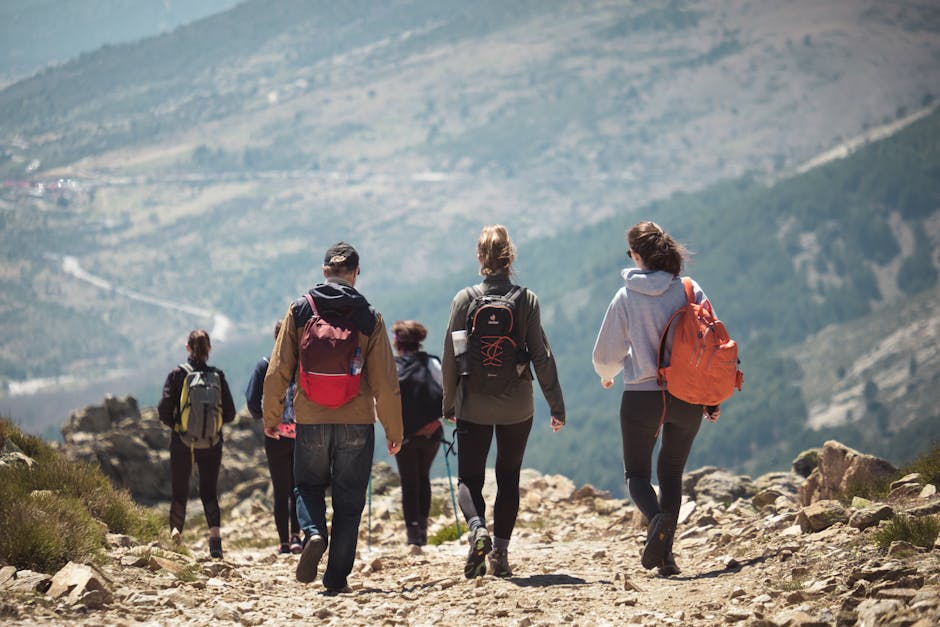
Bring high-energy snacks like nuts, dried fruit, energy bars, or jerky. Avoid heavy meals that slow you down. Eat small amounts frequently to maintain energy.
Navigate with Confidence
Even on well-marked trails, it’s easy to get turned around. Always carry a physical map and compass, and know how to use them. GPS devices and smartphone apps are helpful, but batteries die.
Download offline maps before heading out. Apps like Gaia GPS or AllTrails let you save routes without cell service. Mark key points like trailheads, water sources, and emergency exits.
Stay on the Trail
Straying from marked paths damages ecosystems and increases your risk of getting lost. Stick to established routes, especially in sensitive areas like alpine meadows or desert washes.
If you do get lost, stop, stay calm, and retrace your steps. Use your map to identify landmarks. If you can’t find your way, stay put and signal for help.
Practice Leave No Trace Principles
Respect nature by minimizing your impact. Pack out all trash, including food scraps and toilet paper. Use biodegradable soap and wash at least 200 feet from water sources.
Camp only in designated areas. Build fires only where permitted, and fully extinguish them. Avoid picking plants or disturbing wildlife.
Be Wildlife Aware
Store food in bear-proof containers or hang it properly. Never feed animals—human food harms them and encourages dangerous behavior.
In bear country, make noise while hiking to avoid surprising animals. Carry bear spray and know how to use it. In tick-prone areas, wear long pants and check for ticks daily.
Time Your Hike Right
Start early to avoid afternoon thunderstorms, especially in mountainous regions. Summer hikes in the Sierra Nevada often see lightning after 1 p.m.
Allow extra time for breaks, photo stops, and unexpected delays. Rushing increases the chance of injury. A good rule: plan for 1 mile per hour on flat terrain, plus 30 minutes for every 1,000 feet of elevation gain.
Know When to Turn Back
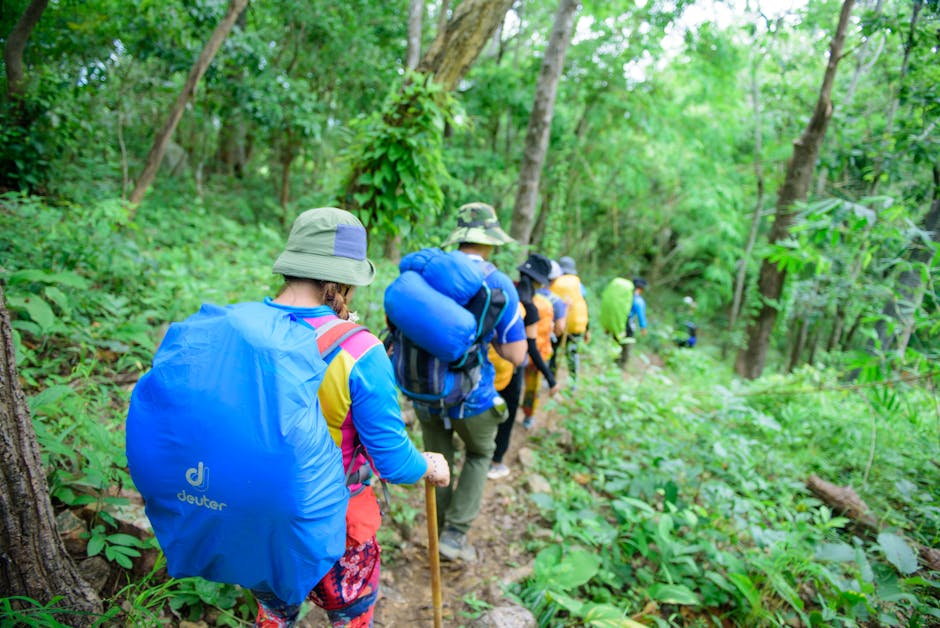
Weather can change fast. Dark clouds, dropping temperatures, or sudden wind shifts are warning signs. Don’t push through bad conditions to reach a summit.
If someone in your group is injured or exhausted, prioritize safety over the destination. It’s better to return another day than risk an emergency.
Travel in Groups When Possible
Hiking with others increases safety and enjoyment. Groups can help in emergencies and share gear. Ideal group size is 3–6 people—large enough to assist, small enough to manage.
Let someone know your itinerary before you leave. Share your route, expected return time, and emergency contacts. Check in if plans change.
Communicate Clearly
Agree on pace and rest stops beforehand. Designate a leader for navigation decisions. Use hand signals or whistles in noisy areas or dense forests.
Carry a whistle—three blasts is the universal distress signal. A personal locator beacon (PLB) or satellite messenger adds extra security in remote areas.
Prepare for Emergencies
Carry a basic first-aid kit with bandages, antiseptic, blister treatment, and any personal medications. Know how to treat common injuries like sprains, cuts, or heat exhaustion.
Learn basic wilderness first aid. Red Cross and NOLS offer courses that cover CPR, shock management, and evacuation procedures.
What to Do If You’re Lost or Injured
Stay calm and assess your situation. Use your map and compass to determine your location. If you can’t move, stay visible—wear bright clothing and use a signal mirror.
Call for help if you have service. In the U.S., dial 911. In remote areas, satellite devices may be your only option. Conserve energy and water while waiting for rescue.
Choose the Right Gear for the Season
Summer hikes require sun protection: wide-brim hats, sunglasses, and SPF 30+ sunscreen. Insects can be a nuisance—pack insect repellent with DEET or picaridin.
Winter hiking demands insulation and traction. Use gaiters, microspikes, and thermal layers. Avoid cotton—wool or synthetic materials retain warmth when wet.
Test Your Gear Before You Go
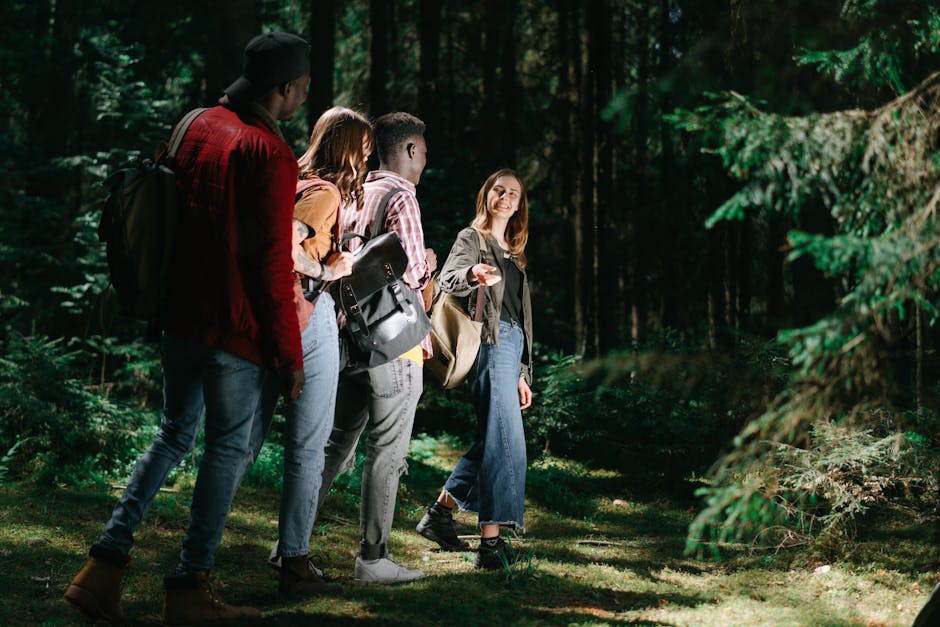
Try out new boots, backpacks, or tents on short walks. Adjust straps and test zippers. A leaking water bottle or broken buckle can ruin a trip.
Check expiration dates on first-aid items and replace as needed. Ensure your headlamp has fresh batteries.
Respect Local Cultures and Communities
Many trails pass through Indigenous lands or rural communities. Learn about local customs and regulations. Some areas may require special permits or have cultural sensitivities.
Support local economies by buying maps, snacks, or guides from nearby towns. Leave gates as you found them and respect private property.
Capture Memories Responsibly
Take photos, but don’t let devices distract from the experience. Keep phones on airplane mode to save battery. Use a lightweight tripod for stable shots.
Avoid drones in national parks—they’re often prohibited and disturb wildlife. Focus on enjoying the moment, not just documenting it.
Recover After Your Hike
Stretch your muscles to reduce soreness. Hydrate and eat a balanced meal with protein and carbs. Elevate your legs if they’re swollen.
Clean and dry your gear to prevent mold and odors. Inspect boots for wear and replace insoles if needed. Store items in a cool, dry place.
FAQ
Q: What should I do if I encounter a bear on the trail?
A: Stay calm, speak in a calm voice, and back away slowly. Do not run. Make yourself look larger by raising your arms. If it approaches, use bear spray. Play dead only if attacked by a grizzly and you have no other option.
Q: How much water should I carry for a day hike?
A: Plan for at least 1 liter per 2 hours of hiking in moderate conditions. Increase to 1 liter per hour in hot or high-altitude environments. Always refill at safe water sources when possible.
Q: Can I hike alone safely?
A: Solo hiking is possible with proper preparation. Choose well-traveled trails, carry emergency gear, and inform someone of your plans. Avoid risky terrain or bad weather. Beginners should start with group hikes.