
Smart Destination Guide to Tenerife for Year Round Sun
Tenerife, the largest of Spain’s Canary Islands, offers reliable sunshine nearly every day of the year—making it one of Europe’s top destinations for consistent warm weather. With average temperatures ranging from 18°C in winter to 26°C in summer, it’s an ideal escape from colder climates. Whether you’re planning a winter getaway or a summer adventure, this smart destination guide to Tenerife for year round sun covers everything from microclimates and beaches to local transport and hidden gems. You’ll find practical tips to help you make the most of your trip, no matter when you go.
Why Tenerife Stands Out for Reliable Sunshine
Tenerife enjoys over 3,000 hours of sunshine annually, thanks to its subtropical location and protective mountain range. The island’s unique geography creates distinct climate zones: the north is greener and slightly cooler, while the south boasts drier, sunnier conditions ideal for beach lovers. Unlike mainland Spain or other Mediterranean destinations, Tenerife rarely experiences prolonged rain or extreme heat, offering a balanced climate year-round.
This consistency makes it a favorite among digital nomads, retirees, and families seeking predictable weather. For example, even in January, daytime highs in the south often reach 22°C—perfect for outdoor dining, hiking, or lounging by the pool. Meanwhile, the north offers refreshing breezes and lush landscapes, ideal for those who prefer milder temperatures without sacrificing daylight.
Best Times to Visit for Optimal Weather
While Tenerife is sunny all year, the best time depends on your preferences. December to February offers mild days and cool evenings—great for sightseeing without the summer crowds. March through May brings blooming flora and warm, comfortable temperatures, ideal for hiking Mount Teide or exploring botanical gardens.
June to September is peak season, with long, hot days and vibrant nightlife. If you enjoy swimming, this is when the Atlantic waters warm up to a pleasant 22–24°C. However, expect higher prices and more tourists. October and November offer a sweet spot: fewer visitors, lower costs, and still plenty of sunshine, with temperatures hovering around 25°C.
Microclimates: What to Expect by Region
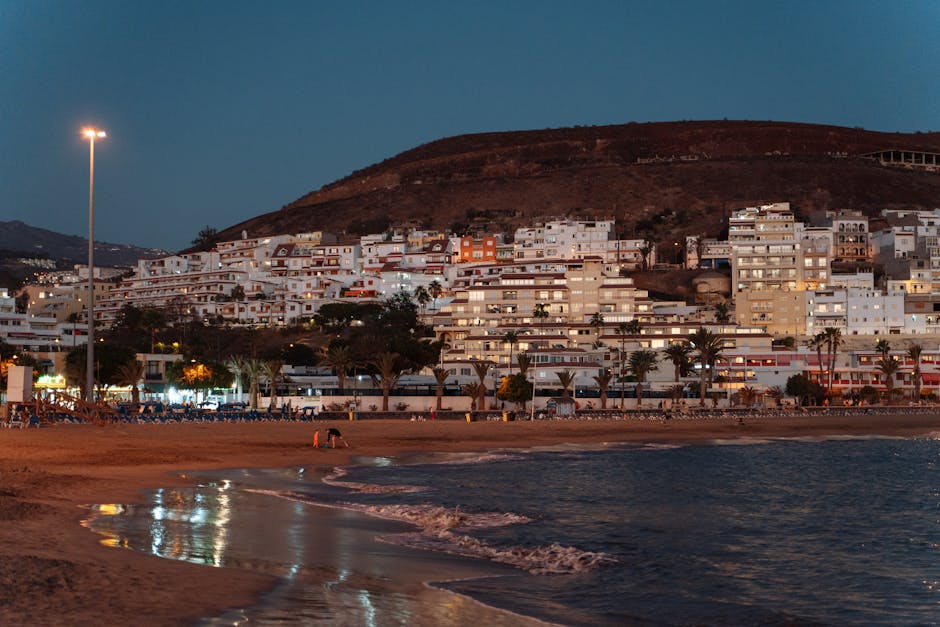
Not all parts of Tenerife feel the same on the same day. The north, including towns like Puerto de la Cruz and La Orotava, tends to be cloudier and receives more rainfall, especially in winter. In contrast, the south—home to Playa de las Américas and Los Cristianos—is consistently sunnier and drier.
Travelers should pack layers if visiting both regions. A light jacket may be needed in the north during early mornings or evenings, even in summer. The central highlands around Mount Teide can drop below 10°C at night, so hikers should bring warm clothing regardless of the season.
Top Sun-Seekers’ Activities Across Seasons
Sunshine is just the beginning—Tenerife offers diverse activities that make the most of its climate. In winter, enjoy coastal walks along the TF-1 highway promenade or relax in natural seawater pools like those in Garachico. The island’s numerous viewpoints, such as Mirador de la Cruz in La Orotava, provide panoramic ocean views without requiring strenuous hikes.
Spring is perfect for botanical exploration. Visit the Jardín Botánico in Puerto de la Cruz or hike the laurel forests of Anaga Rural Park. Summer invites water sports: try paddleboarding in El Médano, snorkeling in Los Gigantes cliffs, or surfing in Bajamar. Autumn offers ideal conditions for wine tours in Tacoronte-Acentejo, where vineyards bask in gentle sunlight.
Beach Guide: Where to Soak Up the Sun
Tenerife has over 50 beaches, each with its own character. For golden sand and calm waters, head to Playa de las Teresitas in the northeast—a Sahara-imported beach with palm trees and clear water. In the south, Playa de Troya and Playa de Fañabé offer family-friendly shores with lifeguard services and nearby restaurants.
If you prefer wilder coastlines, visit Playa Benijo in the north or Playa de Abama in the southwest. These less-developed spots provide solitude and dramatic scenery. Always check local signage for water conditions—some beaches have strong currents unsuitable for swimming.
Getting Around: Transport Tips for Sun Lovers
Renting a car is the most flexible way to explore Tenerife’s varied landscapes. Public buses (Titsa) are reliable and affordable, connecting major towns and beaches, but schedules can be limited in rural areas. Taxis are available but costly for long distances.
For day trips, consider guided tours that include transport, especially to remote areas like Masca Valley or Teide National Park. If you’re staying in the south, many resorts offer shuttle services to popular beaches and attractions. Always carry water and sunscreen—even on cloudy days, UV levels can be high due to the island’s proximity to the equator.
Smart Packing for Year-Round Sun
Regardless of when you visit, pack light, breathable clothing, a wide-brimmed hat, and high-SPF sunscreen. Even in winter, the sun can be intense between 11 a.m. and 3 p.m. Bring sunglasses with UV protection and a reusable water bottle to stay hydrated.
If you plan to hike, include sturdy footwear and a light rain jacket—especially if visiting the north or high-altitude areas. Swimwear is essential, but also pack a cover-up for moving between beach and town, as some areas discourage beach attire in restaurants or shops.
Dining and Nightlife in the Sunshine
Tenerife’s culinary scene blends Spanish traditions with fresh Atlantic ingredients. Try papas arrugadas (wrinkled potatoes) with mojo sauce at a seaside terrace in El Médano or sample grilled limpets in Garachico. Many restaurants offer outdoor seating, allowing you to dine under the stars or midday sun.
For nightlife, the south dominates with lively bars and clubs in Playa de las Américas and Los Cristianos. The north offers a more relaxed vibe, with wine bars and live music in Puerto de la Cruz. Look for venues with shaded terraces or rooftop views to enjoy evening drinks without overheating.
Local Markets and Sunset Spots
Visit local markets like Mercado Nuestra Señora de Africa in Santa Cruz for fresh produce, artisan cheeses, and tropical fruits. These open-air markets are best explored in the morning when temperatures are cooler. For sunset views, head to Mirador de Chío or the cliffs near Los Gigantes—both offer unobstructed western views over the Atlantic.
Photographers should arrive early to secure a good spot, especially during summer when crowds gather. Bring a jacket, as evenings can be breezy even in warm months.
Accommodation: Where to Stay for Maximum Sun Exposure
Choose your base based on your sun-seeking goals. The south, particularly Costa Adeje and Playa de las Américas, offers beachfront hotels with direct sun access and all-inclusive options. These areas are well-served by amenities and have flat, walkable promenades.
The north appeals to those who want sunshine with a side of culture. Boutique hotels in La Orotava or rural fincas in the countryside provide tranquility and garden spaces perfect for morning coffee in the sun. For luxury with views, consider cliffside villas in Abama or Bahía del Duque.
Always check room orientation when booking—south-facing rooms get the most sunlight, while north-facing ones stay cooler. If you’re sensitive to heat, request air conditioning or a fan, though many modern properties include it standard.
Health and Safety in the Sun
While Tenerife’s sun is a major draw, it requires respect. Dehydration and heat exhaustion can occur quickly, especially for older travelers or those unaccustomed to tropical climates. Drink water regularly, even if you don’t feel thirsty, and avoid alcohol during peak sun hours.
Apply sunscreen every two hours, especially after swimming or sweating. Reapply immediately after towel drying. Seek shade during midday, and wear protective clothing if spending extended time outdoors. Pharmacies are widely available, but bring any prescription medications with you.
In case of heat-related illness, move to a cool place, sip water, and rest. If symptoms like dizziness, nausea, or confusion persist, seek medical help immediately. Most tourist areas have English-speaking doctors and clinics.
Cultural Etiquette and Sustainable Sun Tourism
Respect local customs to enjoy your trip fully. While beachwear is acceptable at the shore, cover up when walking through towns or entering shops. Tenerife is part of Spain, so mealtimes follow local rhythms—lunch is typically 2–4 p.m., and dinner after 8 p.m.
Support sustainable tourism by choosing eco-certified accommodations, avoiding single-use plastics, and sticking to marked trails when hiking. Many beaches participate in Blue Flag programs, indicating clean water and environmental management—look for the flag when choosing where to swim.
When visiting natural parks like Teide or Anaga, follow the “leave no trace” principle. Take all trash with you and avoid disturbing wildlife. These areas are protected for a reason—and preserving them ensures future visitors can enjoy the same pristine beauty.
Final Tips for a Smart, Sunny Stay
To maximize your time in the sun, plan your days around peak heat. Mornings are ideal for outdoor activities, while afternoons are best spent at the beach, pool, or in shaded cafes. Use the cooler evenings for exploring towns or enjoying local cuisine.
Download offline maps and translation apps before arriving, as some rural areas have limited connectivity. Check local event calendars—festivals like Carnival in Santa Cruz or the Bajada de la Virgen in La Orotava offer cultural experiences under the open sky.
Above all, embrace the island’s relaxed pace. Tenerife isn’t just about sunbathing—it’s about savoring long lunches, sunset strolls, and the simple joy of endless blue skies. With this smart destination guide to Tenerife for year round sun, you’re ready to enjoy every ray.
FAQ
What is the sunniest part of Tenerife?
The south of Tenerife, including areas like Playa de las Américas and Los Cristianos, is the sunniest and driest region, making it ideal for consistent sunshine year-round.
Can you swim in Tenerife in winter?
Yes, the Atlantic waters remain around 18–20°C in winter. While cooler than summer, many locals and visitors still swim, especially in sheltered bays or natural pools.
Do I need a car to explore Tenerife?
A car offers the most flexibility, especially for visiting remote beaches, hiking trails, or northern towns. However, public buses and taxis can cover major routes if you prefer not to drive.