
Top Adventure Travel Ideas for Canyon View Lovers
For travelers who crave dramatic landscapes and heart-pounding vistas, canyons offer some of the most awe-inspiring experiences on Earth. Whether you’re drawn to the deep red walls of the American Southwest, the rugged gorges of Patagonia, or the ancient river-carved valleys of Asia, there’s an adventure waiting. This guide highlights the best canyon destinations and activities tailored for those who live for sweeping views, outdoor challenges, and unforgettable photo ops. From hiking and canyoneering to scenic flights and cultural immersions, these ideas will help you plan your next great escape.
Why Canyons Captivate Adventure Seekers
Canyons are more than just geological formations—they’re natural amphitheaters of scale, color, and solitude. Their steep walls and expansive views create a sense of grandeur that few other landscapes can match. For adventure travelers, they offer a unique blend of physical challenge and visual reward.
Many canyons are remote, requiring effort to reach, which adds to their allure. The journey often involves hiking, climbing, or even rappelling, making the final view that much more satisfying. Whether you’re standing on a cliff edge at sunrise or floating down a river through a narrow slot canyon, the experience is deeply immersive.
Beyond the scenery, canyons often hold cultural and historical significance. Indigenous communities have lived in and around these formations for centuries, leaving behind petroglyphs, ruins, and oral traditions. Visiting responsibly means respecting these sites and learning from local guides.
Top Canyon Destinations Around the World
Grand Canyon, USA
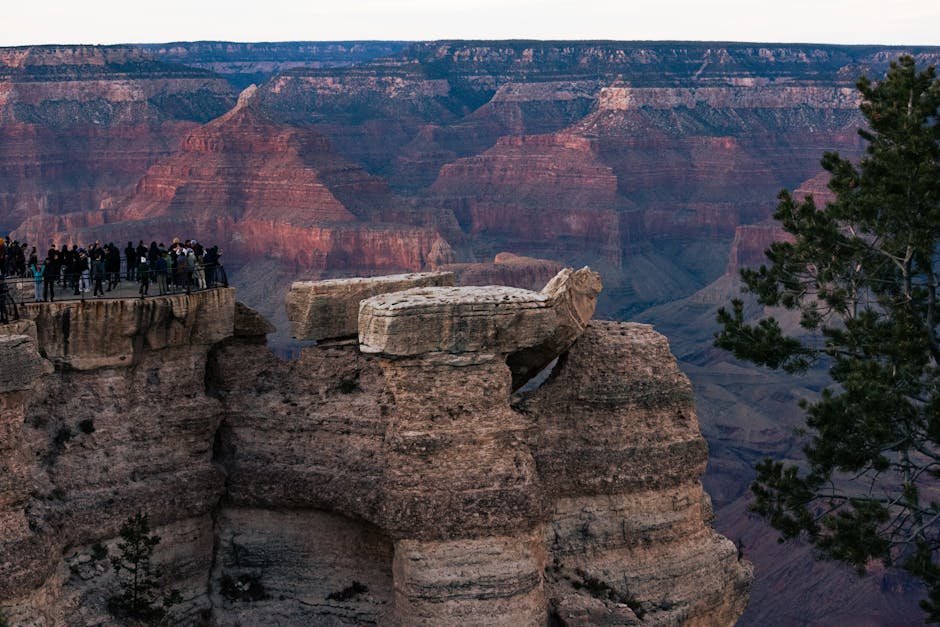
The Grand Canyon is the quintessential canyon destination, drawing over 4 million visitors annually. Its vast size—277 miles long and over a mile deep—offers endless opportunities for exploration. Most travelers stick to the South Rim, which is accessible year-round and features iconic viewpoints like Mather Point and Yavapai Observation Station.
For a more adventurous experience, hike down into the canyon on trails like Bright Angel or South Kaibab. These routes descend thousands of feet and require careful planning, especially in summer heat. Overnight backpacking trips allow you to camp near the Colorado River and witness the canyon at dawn, when the light paints the cliffs in fiery hues.
Alternatively, take a helicopter or small-plane tour for a bird’s-eye view. These flights skim over the canyon’s expanse, revealing patterns and layers invisible from the rim. Some tours even land on the canyon floor for a short walk or picnic.
Antelope Canyon, USA
Located on Navajo land in Arizona, Antelope Canyon is famous for its smooth, wave-like sandstone walls and beams of light that pierce through the narrow openings. This slot canyon is divided into two sections: Upper Antelope Canyon, known for its easy access and frequent light beams, and Lower Antelope Canyon, which requires climbing ladders but offers more dramatic curves.
Access is only permitted via guided tours, which help protect the fragile environment and ensure visitor safety. Tours typically last 60 to 90 minutes and include photography tips from knowledgeable guides. Best lighting occurs midday, when sunlight streams directly into the canyon.
Due to its popularity, booking in advance is essential—especially during peak seasons. Visitors should wear sturdy shoes, bring water, and avoid touching the walls to prevent erosion.
Colca Canyon, Peru
Twice as deep as the Grand Canyon, Colca Canyon in southern Peru is one of the world’s deepest canyons. It’s best known for its Andean condors, which soar on thermal updrafts near Cruz del Cóndor viewpoint. The sight of these massive birds—with wingspans up to 10 feet—gliding just feet above the canyon rim is unforgettable.
The region is also home to traditional Quechua-speaking villages and natural hot springs. Many travelers combine a canyon visit with a trek to the town of Chivay or a soak in the La Calera hot springs. The canyon floor is accessible via a challenging hike or 4×4 vehicle, where you can see pre-Inca agricultural terraces still in use today.
Altitude can be a concern—Chivay sits at over 11,000 feet. Arriving a day early to acclimate is recommended, especially if planning strenuous activities.
Fish River Canyon, Namibia
Stretching over 100 miles long and nearly 270 feet deep, Fish River Canyon is the largest canyon in Africa. Located in the arid south of Namibia, it offers a stark, otherworldly landscape of red rock and dry riverbeds. The main viewpoint at Hobas provides a sweeping panorama, but the real adventure lies in the 53-mile Fish River Hiking Trail.
This multi-day trek is one of Africa’s most challenging hikes, open only from May to September due to extreme summer heat. Permits are required and limited to 30 hikers per day, so advance planning is critical. The trail follows the canyon floor, crossing rivers and climbing steep sections, with basic campsites along the way.
Wildlife includes klipspringers, rock hyraxes, and various reptiles. Water sources are seasonal, so hikers must carry enough or treat water from the river. A support vehicle is not allowed, making self-sufficiency essential.
Tara River Canyon, Montenegro
Carved by the Tara River in the Dinaric Alps, this canyon is one of Europe’s deepest and is protected within Durmitor National Park, a UNESCO World Heritage Site. The river runs turquoise through steep limestone walls, creating ideal conditions for white-water rafting.
Rafting trips typically start near Šćepan Polje and end at Brstnovica, covering about 18 miles of rapids ranging from Class II to IV. The journey takes a full day and includes stops at waterfalls and secluded beaches. It’s suitable for beginners with guides, though some sections require swimming ability.
For non-rafters, scenic viewpoints like Đurđevića Tara Bridge offer stunning photo opportunities. The bridge itself is a historic structure and a popular spot for bungee jumping—the second highest in the world at 430 feet.
Zhangjiajie National Forest Park, China
While not a traditional river canyon, Zhangjiajie’s quartzite sandstone pillars inspired the floating mountains in the movie Avatar. These towering formations rise hundreds of feet above the forest floor, connected by glass bridges and hiking trails.
The park features several canyon-like areas, including Yuanjiajie Scenic Area, home to the “Avatar Hallelujah Mountain.” The Bailong Elevator, the world’s tallest outdoor lift, carries visitors up 1,070 feet in under two minutes, offering panoramic views.
Hiking trails range from easy boardwalks to steep climbs. The Glass Bridge, spanning a 1,400-foot-deep chasm, is a thrilling experience for those unafraid of heights. The park is best visited in spring or autumn to avoid summer crowds and winter fog.
Adventure Activities for Canyon Enthusiasts
Hiking and Backpacking
Hiking is the most accessible way to experience canyons up close. Trails vary from short rim walks to multi-day treks. Always check trail conditions, elevation gain, and water availability before setting out.
Essential gear includes a map, compass or GPS, sun protection, and at least one liter of water per person per day. In desert canyons, temperatures can swing from scorching days to freezing nights. Layered clothing and a lightweight sleeping bag are wise for overnight trips.
Leave No Trace principles are critical in fragile canyon environments. Pack out all trash, stay on designated trails, and avoid disturbing wildlife or cultural artifacts.
Canyoneering and Technical Descents
Canyoneering involves navigating narrow gorges using a mix of hiking, climbing, rappelling, and sometimes swimming. It’s popular in places like Utah’s Zion National Park and Arizona’s Superstition Mountains.
Beginners should start with guided tours that provide ropes, harnesses, and instruction. Skills like knot-tying, anchor building, and rappelling take time to master. Always use certified equipment and never go alone.
Weather is a major factor—flash floods can occur suddenly, even if it’s not raining locally. Check forecasts and avoid slot canyons during thunderstorms.
Scenic Flights and Helicopter Tours
For those short on time or seeking a unique perspective, aerial tours offer breathtaking views without the physical demands of hiking. Helicopter rides over the Grand Canyon, for example, can cover in minutes what would take days on foot.
Many operators offer door-off flights for unobstructed photography. Prices vary widely, so compare options and read reviews. Some tours include landing on the canyon floor or a boat ride on the river below.
Flights are weather-dependent and may be canceled due to wind or visibility. Book with companies that offer flexible rescheduling.
River Rafting and Kayaking
Rivers are the lifeblood of canyons, carving them over millennia and offering a different way to explore. Rafting trips range from calm floats suitable for families to intense whitewater adventures.
The Colorado River through the Grand Canyon is legendary, with multi-day trips that include camping on sandy beaches and side hikes to hidden waterfalls. Permits are required and often awarded via lottery due to high demand.
Kayaking allows for more solitude and maneuverability. In places like the San Juan River in Utah, kayakers can paddle through serene stretches flanked by towering cliffs. Always wear a life jacket and know your skill level before tackling rapids.
Planning Your Canyon Adventure
Best Times to Visit
Timing depends on location and activity. In the American Southwest, spring (March–May) and fall (September–November) offer mild temperatures and clear skies. Summer brings heat and monsoon storms, while winter can close high-elevation trails.
In Patagonia, the Southern Hemisphere’s summer (December–February) is ideal, though wind and rain are common. Namibia’s Fish River Canyon is only safely hiked in the cooler months of May to September.
Always check local conditions and park alerts before traveling. Some areas may close due to fire risk, flooding, or maintenance.
What to Pack
A well-packed bag can make or break a canyon trip. Essentials include:
- Sturdy hiking boots with ankle support
- Sun hat, sunglasses, and SPF 50+ sunscreen
- Lightweight, moisture-wicking clothing
- Insulating layers for temperature swings
- Hydration system (water bottles or bladder)
- High-energy snacks (nuts, bars, dried fruit)
- First-aid kit and basic medications
- Headlamp or flashlight with extra batteries
- Map and compass or GPS device
For overnight trips, add a tent, sleeping pad, and cooking gear. In remote areas, a satellite communicator can be a lifesaver.
Safety Tips and Warnings
Canyon environments can be unforgiving. Dehydration, heat exhaustion, and falls are common risks. Never underestimate the distance or difficulty of a trail—many hikers underestimate the effort required to return uphill.
Tell someone your itinerary and expected return time. Cell service is often nonexistent in canyons, so don’t rely on your phone for navigation or emergencies.
Respect wildlife and stay on marked trails. In some areas, rockfalls are a hazard, especially after rain or snowmelt. Avoid camping under overhangs or in dry riverbeds.
Cultural and Environmental Considerations
Many canyons are sacred to Indigenous peoples. In the U.S., places like Antelope Canyon and Canyon de Chelly are on tribal lands and require permits and guides. Always follow local rules, which may include restrictions on photography, climbing, or collecting rocks.
Support local economies by booking tours with native-owned operators. These guides often share deeper stories and traditions tied to the land.
Protect fragile ecosystems by minimizing your impact. Avoid trampling vegetation, disturbing wildlife, or leaving markings on rocks. Pack out everything you bring in—even biodegradable items like fruit peels can disrupt local wildlife.
Final Thoughts
For canyon view lovers, the world is full of jaw-dropping destinations and thrilling ways to experience them. Whether you’re hiking into the depths of the Grand Canyon, rafting through Montenegro’s Tara River, or gazing at condors in Peru’s Colca Canyon, each journey offers a unique blend of challenge and beauty.
With proper planning, respect for the environment, and a spirit of adventure, your canyon trip can be both safe and unforgettable. The views are worth the effort—and the memories will last a lifetime.
FAQ
What is the best time of year to visit the Grand Canyon for hiking?
The best times are spring (March to May) and fall (September to November), when temperatures are mild and crowds are smaller. Summer brings extreme heat, especially below the rim, while winter may close high-elevation trails due to snow.
Do I need a permit to hike in Antelope Canyon?
Yes, all visitors must be accompanied by a licensed Navajo guide. Permits are included in tour bookings, which should be made well in advance due to high demand.
Is canyoneering safe for beginners?
Yes, with proper guidance. Beginners should join guided tours that provide equipment and instruction. Avoid technical routes until you’ve learned essential skills like rappelling and rope management.