
Ultimate Food and Culinary Travel Guide for Fresh Eats
Traveling for food is more than just eating—it’s about experiencing culture through flavor. This guide helps you find the freshest, most authentic dishes wherever you go. From bustling street markets to hidden neighborhood kitchens, we’ll show you how to eat like a local and avoid tourist traps. Whether you’re chasing seasonal produce, regional specialties, or farm-to-table restaurants, this is your roadmap to memorable meals on the road.
Why Fresh Eats Matter When Traveling
Fresh ingredients define the soul of a destination’s cuisine. Locally sourced produce, seafood caught that morning, and herbs picked from nearby gardens create dishes with unmatched depth and authenticity. Eating fresh isn’t just about taste—it supports local farmers and reduces environmental impact.
Tourists often miss out by sticking to hotel buffets or chain restaurants. But the best flavors are found where locals eat. A bowl of hand-pulled noodles in Chengdu tastes nothing like the version served in a Westernized Chinese restaurant. The difference? Freshness, technique, and tradition.
The Risks of Overprocessed Tourist Food
Many popular tourist spots serve reheated, pre-packaged meals designed for convenience, not quality. These dishes often lack seasoning, use frozen ingredients, and prioritize speed over flavor. Over time, this can dull your palate and leave you feeling unsatisfied—even if you’re “eating well.”
Worse, some travelers return home with foodborne illnesses from undercooked or improperly stored meals. Choosing fresh, high-turnover eateries significantly reduces this risk.
How to Find the Freshest Food While Traveling
Finding fresh eats starts with knowing where to look. Avoid places with long menus featuring 50+ items—this is a red flag for frozen or pre-made food. Instead, seek out spots with daily specials, chalkboard menus, or lines of locals during lunch hours.
Look for restaurants sourcing from nearby farms, fishermen, or markets. In coastal regions like Portugal or Japan, ask if the fish was caught that day. In agricultural areas like Tuscany or Oaxaca, menus often highlight seasonal vegetables and herbs.
Ask Locals for Recommendations
Hotel staff, taxi drivers, and shopkeepers often know the best hidden gems. Ask, “Where do you eat when you want something fresh and homemade?” This question cuts through tourist hype and leads to authentic experiences.
Use local food blogs, Facebook groups, or apps like Eatwith or Too Good To Go. These platforms connect travelers with home cooks or surplus meals from quality restaurants—often at a discount.
Visit Local Markets and Food Halls
Markets are treasure troves of fresh ingredients and ready-to-eat dishes. In Bangkok, Chatuchak Weekend Market offers mango sticky rice made with just-picked fruit. In Barcelona, La Boqueria serves jamón ibérico sliced from legs aged in mountain air.
Walk through early in the morning when vendors are setting up. You’ll see the day’s catch, seasonal produce, and bread still warm from the oven. Many markets also have small eateries inside—perfect for a quick, fresh bite.
Top Destinations for Fresh Culinary Experiences
Some places are legendary for their commitment to fresh, local food. These destinations offer not just great meals, but immersive culinary cultures worth exploring.
Japan: Seasonality and Precision
Japanese cuisine revolves around seasonality, or shun—the peak time to eat certain ingredients. In spring, look for bamboo shoots and cherry blossom-infused dishes. In autumn, try grilled sanma (Pacific saury) or matsutake mushrooms.
Sushi bars in Tokyo’s Tsukiji Outer Market serve fish delivered daily from nearby waters. Even convenience stores offer surprisingly fresh onigiri and bento boxes made with local ingredients.
Italy: Farm-to-Table Simplicity
Italian food thrives on simplicity and quality. In regions like Emilia-Romagna, you’ll find handmade pasta with eggs from free-range hens and tomatoes grown in volcanic soil.
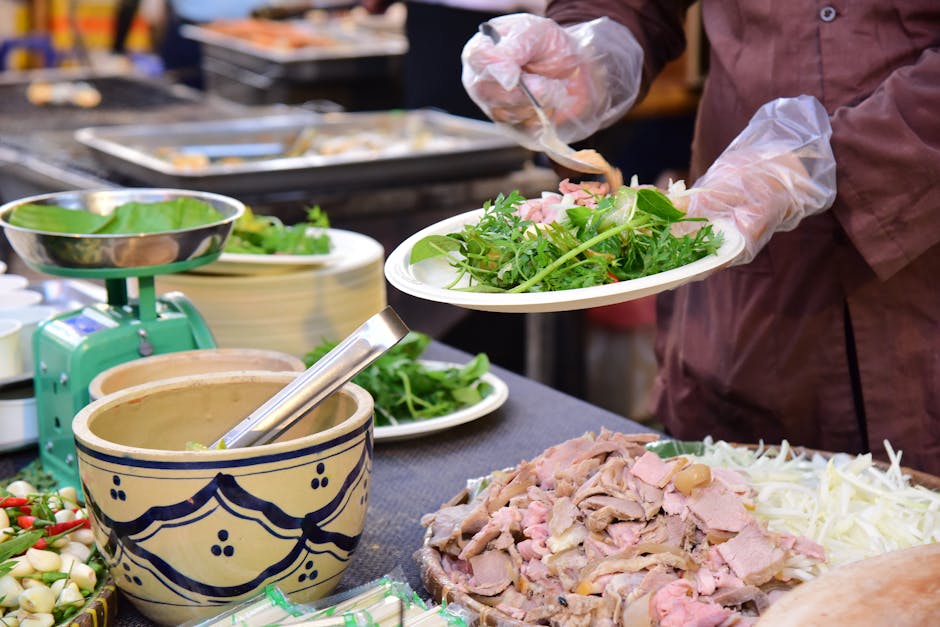
Look for trattorias with handwritten menus and olive oil pressed that season. In Sicily, street vendors sell arancini filled with saffron rice and locally caught tuna. Always order the piatto del giorno (dish of the day)—it’s usually the freshest option.
Thailand: Vibrant Street Food Culture
Thai street food is a masterclass in balance and freshness. Vendors cook dishes to order using herbs like lemongrass, kaffir lime, and Thai basil picked hours before.
In Chiang Mai, try khao soi with coconut curry and crispy noodles made that morning. In Phuket, grilled seafood comes straight from the Andaman Sea. Stick to busy stalls—high turnover means ingredients don’t sit long.
Peru: Andean Ingredients and Coastal Flavors
Peru blends mountain, coast, and jungle ingredients into bold dishes. In Lima, ceviche is made with fish caught at dawn and marinated in lime juice with red onion and aji amarillo.
In the Andes, restaurants serve quinoa stew with potatoes grown at 3,800 meters. Look for places that mention productos de la tierra (products of the earth) on the menu.
Seasonal Eating: When to Go and What to Try
Timing your trip around harvest seasons ensures access to the freshest ingredients. Planning ahead can elevate your entire culinary experience.
Spring: Fresh Herbs and Early Vegetables
In spring, markets overflow with asparagus, peas, ramps, and young greens. In France, look for morel mushrooms in Provence. In Mexico, huitlacoche (corn fungus) appears in Oaxacan markets.
Visit during April or May for peak freshness. Many regions host food festivals celebrating spring harvests—like Spain’s Fiesta de la Vendimia in La Rioja, though that’s technically for wine, the food pairings are exceptional.
Summer: Peak Produce and Grilled Delights
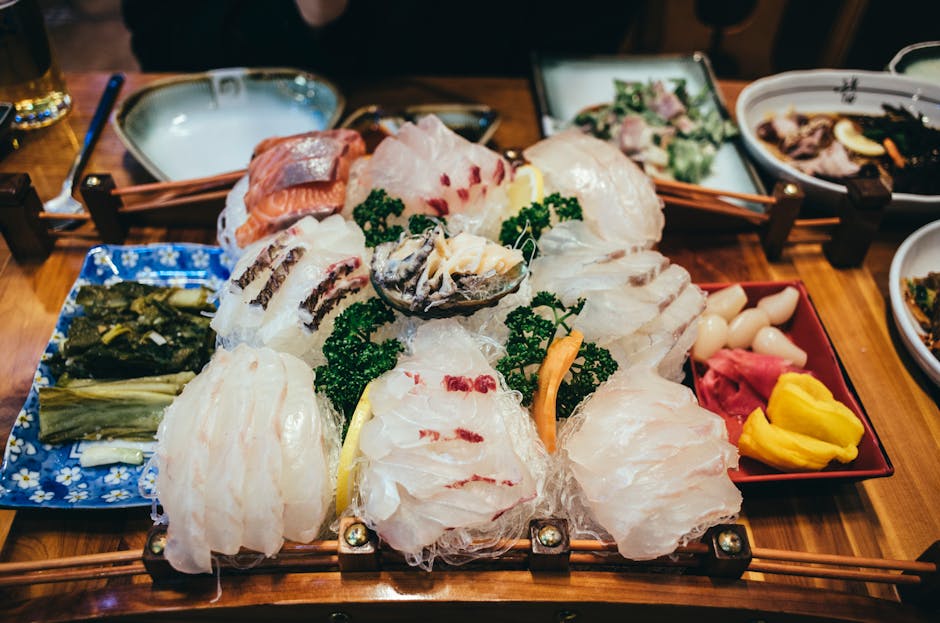
Summer brings tomatoes, corn, stone fruits, and berries at their best. In Greece, eat watermelon drizzled with feta and mint. In South Korea, try hoe (raw fish) with summer vegetables.
Coastal areas shine in summer. In Maine, lobster rolls are best from June to August. In Croatia, grilled octopus with olive oil and lemon is a seaside staple.
Autumn: Hearty Harvests and Comfort Foods
Autumn is ideal for root vegetables, squash, and game meats. In Germany, look for wild boar stew with red cabbage. In Japan, tempura features seasonal vegetables like sweet potato and eggplant.
Wine regions like Napa Valley and Bordeaux offer harvest festivals with fresh grape dishes and farm-to-table dinners.
Winter: Preserved and Slow-Cooked Flavors
While fresh produce is scarcer, winter offers preserved foods and slow-cooked meals. In Korea, kimchi made in late autumn lasts all winter. In Hungary, goulash simmers for hours with paprika and root vegetables.
Visit hot spring towns in Japan for kaiseki meals featuring preserved fish and fermented tofu. In Morocco, tagines with dried fruits and nuts offer warmth and depth.
How to Eat Fresh on a Budget
Fresh doesn’t have to mean expensive. With smart choices, you can enjoy high-quality meals without overspending.
Eat Where Locals Eat
Tourist restaurants often charge 2–3 times more for similar dishes. Instead, find where office workers or families go for lunch. These spots prioritize value and freshness.
In Istanbul, try a simit (sesame bread ring) with cheese and tea from a street vendor for under $2. In Vietnam, a bowl of pho costs less than $3 at a local stall.
Share Dishes and Try Small Plates
Many cultures serve meals meant for sharing. In Spain, order a few tapas instead of one large dish. In Mexico, try tlayudas, tamales, and elote from different vendors.
This approach lets you sample more flavors while reducing waste and cost. Plus, it’s a great way to meet people.
Shop at Local Grocery Stores
Supermarkets in tourist areas often carry fresh bread, cheese, fruit, and prepared foods. In France, buy a baguette, camembert, and apples for a picnic. In Japan, convenience stores sell onigiri, salads, and bento boxes made that morning.
Look for “day-old” sections or discount racks—many items are still perfectly fresh and safe to eat.
Safety Tips for Eating Fresh Abroad
Fresh food is generally safer, but it’s still important to take precautions—especially in regions with different sanitation standards.
Choose High-Turnover Establishments
Busy restaurants and food stalls use ingredients quickly, reducing the risk of spoilage. Avoid places with food sitting out for hours, especially in hot climates.
If a dish looks like it’s been reheated multiple times, skip it. Fresh food should look vibrant and smell clean.
Be Cautious with Raw Foods
Raw seafood, undercooked meat, and unwashed produce can carry bacteria or parasites. In areas with questionable water quality, avoid salads, raw herbs, and ice in drinks.
When in doubt, eat cooked foods. Grilled, boiled, or fried dishes are safer because heat kills pathogens.
Stay Hydrated and Listen to Your Body
Drink bottled or filtered water, especially in developing regions. Dehydration can worsen foodborne illness symptoms.
If you feel unwell, rest, hydrate, and avoid dairy or heavy foods. Most stomach issues resolve in 24–48 hours. Seek medical help if symptoms persist or include fever or blood.
Packing Tips for Food-Focused Travelers
What you bring can enhance your culinary adventures—or weigh you down. Pack light, but smart.
Essential Items to Bring
Carry a reusable water bottle with a filter, especially in areas with unsafe tap water. A small spice kit with salt, pepper, and local favorites (like za’atar or garam masala) can enhance meals.
Pack a compact cutlery set and cloth napkin to reduce waste. These are useful for picnics, street food, or market snacks.
What to Leave Behind
Avoid bringing perishable foods across borders—many countries restrict imported meats, dairy, and plants. Even sealed snacks can be confiscated.
Don’t overload on snacks. Part of the joy is discovering local treats. Save room for regional sweets, breads, and drinks.
How to Document and Share Your Culinary Journey
Food travel is worth remembering. Capture your experiences thoughtfully and ethically.
Photograph with Respect
Ask before taking photos of people cooking or eating. In some cultures, pointing a camera at someone’s meal is considered rude. Focus on dishes, markets, and landscapes instead.
Use natural light and avoid flash. A well-lit photo of a steaming bowl of ramen tells a better story than a dark, blurry shot.
Keep a Food Journal
Note the name of the dish, ingredients, location, and your impressions. Over time, this becomes a personal culinary map. Apps like Evernote or Google Keep make it easy to organize photos and notes.
Share your finds on social media with location tags. This helps other travelers discover authentic spots.
Final Thoughts: Eat Fresh, Travel Deep
The ultimate food and culinary travel guide isn’t about checking off famous restaurants—it’s about connecting with places through what’s on your plate. Fresh eats ground you in a destination’s rhythm, seasons, and traditions.
By choosing local, seasonal, and high-turnover options, you’ll eat better, support communities, and create lasting memories. Let flavor be your compass.
FAQ
Q: How can I avoid getting sick from street food while traveling?
A: Choose busy stalls with high turnover, avoid raw or undercooked items in high-risk areas, and drink only bottled or filtered water. Stick to freshly cooked, steaming-hot dishes.
Q: What’s the best way to find authentic local restaurants?
A: Ask locals where they eat, avoid places with English-only menus, and look for handwritten signs or daily specials. Use local food blogs or apps like Eatwith for home-cooked meals.
Q: Is it safe to eat fresh produce in developing countries?
A: It depends on water quality. Avoid raw salads and unpeeled fruits if tap water isn’t safe. Opt for cooked vegetables or fruits you can peel yourself, like bananas or oranges.