
Honest Destination Guide to Gran Canaria for Families
Gran Canaria is one of the most family-friendly islands in the Canary archipelago, offering a mix of safe beaches, outdoor adventures, and cultural experiences. With warm weather year-round, well-maintained resorts, and activities for all ages, it’s a top choice for parents seeking a stress-free holiday. This guide cuts through the hype to deliver practical advice on where to stay, what to do, and how to make the most of your family trip—without the tourist traps.
Why Gran Canaria Works for Families
The island strikes a rare balance between relaxation and engagement. Unlike some Mediterranean destinations, Gran Canaria has a relaxed pace, low crime rates, and infrastructure built with tourists in mind. Public transport is reliable, many hotels offer kids’ clubs, and English is widely spoken in tourist zones.
Families appreciate the variety. You can spend one day building sandcastles on a calm beach and the next hiking through volcanic landscapes or visiting a dolphin sanctuary. The island’s compact size means you’re never more than an hour’s drive from a new experience.
Weather That Works Year-Round
Gran Canaria enjoys a subtropical climate with average temperatures between 19°C and 26°C (66°F–79°F) throughout the year. Summer months (June–September) are warm but rarely extreme, thanks to steady trade winds. Winter is mild, making it a popular escape for northern European families.
Rainfall is minimal, especially on the south coast where most family resorts are located. Even during the wetter months (November–February), downpours are usually brief and followed by sunshine. Pack light layers and sun protection—UV levels are high even in winter.
Best Areas to Stay with Kids
Choosing the right base can make or break your trip. South Gran Canaria is the most popular for families due to its sheltered beaches, all-inclusive resorts, and proximity to attractions.
Maspalomas
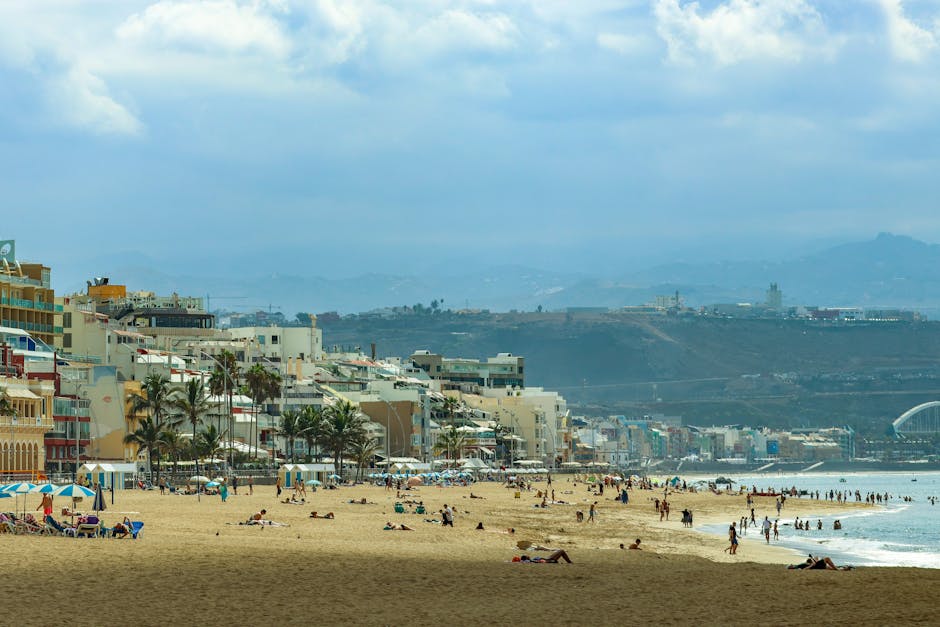
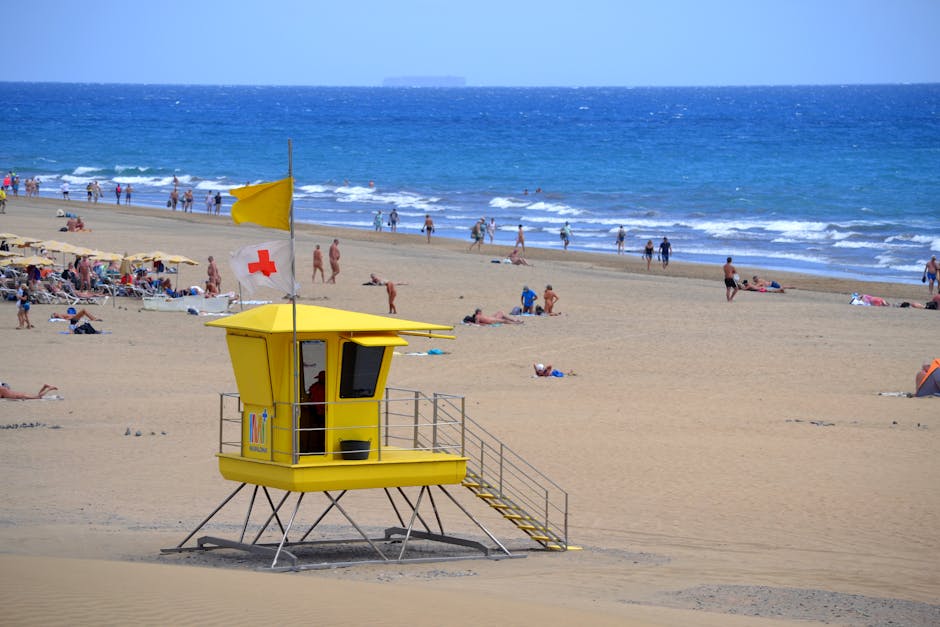
This is the island’s most famous resort area, known for its 4-kilometer stretch of golden sand and calm lagoon. The beach is shallow and safe for young children, with lifeguards on duty during peak season. The nearby Maspalomas Dunes offer a unique desert-like landscape perfect for short walks or photo ops.
Resorts here range from budget-friendly to luxury. Many include kids’ clubs, water slides, and evening entertainment. The main strip has plenty of restaurants, but it can feel crowded in summer. Book early if traveling between June and August.
Playa del Inglés
Just west of Maspalomas, Playa del Inglés offers a slightly more relaxed vibe with similar beach quality. It’s well-connected by bus and has excellent shopping centers like Yumbo Centrum, which houses family-friendly eateries and a cinema.
This area is ideal if you want easy access to both beach time and local amenities. It’s also closer to the airport—about a 20-minute drive—making it convenient for families with young children or early flights.
Arguineguín
For families wanting a quieter, more authentic experience, Arguineguín on the southeast coast is a solid choice. This fishing village has a small, sheltered beach and fewer crowds. It’s less developed than Maspalomas but still has good hotels and local seafood restaurants.
The downside? Fewer organized activities for kids. You’ll need a car to explore beyond the immediate area. Best suited for families who prefer downtime over constant entertainment.
Top Family-Friendly Activities
Gran Canaria isn’t just about sunbathing. The island offers a range of engaging experiences that keep kids active and curious.
Beach Days Done Right
Start with the obvious: the beaches. Apart from Maspalomas and Playa del Inglés, consider Puerto de Mogán, often called “Little Venice” for its colorful buildings and canal system. The beach here is small but protected, with calm waters and a promenade lined with cafes.
For something different, head to Playa de Amadores—a man-made beach with imported sand and shallow entry. It’s less windy than other spots, making it ideal for toddlers. Bring your own shade; umbrellas are available to rent but can be pricey.
Nature and Wildlife Encounters
Visit Palmitos Park, a botanical garden and zoo near the south coast. It features tropical birds, primates, and a dolphin show. While not as large as mainland European parks, it’s manageable in half a day and well-suited for children under 10.
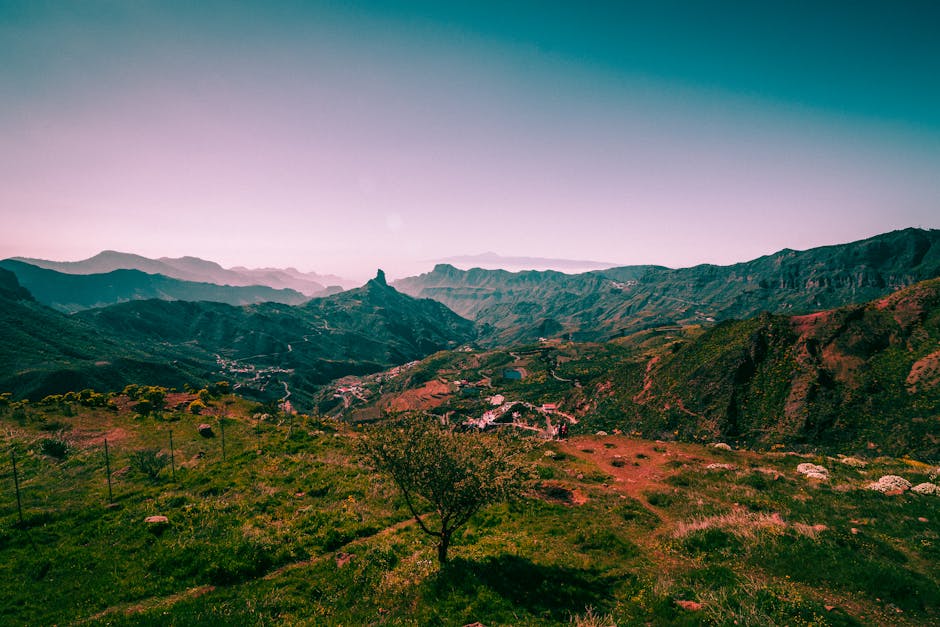
For older kids, a trip to the Roque Nublo rock formation in the island’s interior is worthwhile. The hike is moderate—about 3 kilometers round trip—and offers panoramic views. Start early to avoid midday heat. Bring water and sturdy shoes.
Water Parks and Aquatic Fun
Aquasur in Maspalomas is the island’s main water park, with slides, lazy rivers, and a dedicated kids’ zone. It’s smaller than Spain’s Siam Park but less crowded and easier to navigate with young children. Open daily in summer; reduced hours in winter.
For a natural alternative, try snorkeling at Playa de Güigüi on the west coast. Accessible only by boat or a steep hike, it’s less touristy and rich in marine life. Guided family snorkel tours are available from Puerto de Mogán.
Dining with Kids: What to Expect
Gran Canaria is welcoming to families at meal times. Most restaurants offer high chairs and simple kids’ menus—think grilled chicken, pasta, or fish fingers. Tapas bars often serve smaller portions, which work well for picky eaters.
Local specialties like papas arrugadas (wrinkled potatoes) with mojo sauce are mild and kid-approved. Fresh fruit is abundant and affordable at markets. Avoid raw shellfish if you’re cautious about food safety.
All-inclusive resorts simplify dining but can feel repetitive. Consider a mix: stay at a hotel with breakfast included, then explore local cafes for lunch and dinner. This gives kids variety while keeping costs predictable.
Getting Around the Island
Renting a car gives you the most flexibility, especially if you plan to visit inland towns or remote beaches. Roads are generally in good condition, and GPS navigation works well. Parking can be tight in popular areas like Maspalomas, so arrive early.
Public buses (operated by Global) are clean, safe, and connect major resorts. A single ticket costs around €2, and day passes are available. Buses run frequently in summer but less so in winter. Download the Global Bus app for real-time schedules.
Taxis are reasonably priced for short trips. Uber is not available, but local apps like Cabify operate in tourist zones. Always confirm the meter is running to avoid overcharging.
Packing Essentials for Families
Sun protection is non-negotiable. Bring reef-safe sunscreen (SPF 50+), wide-brimmed hats, and UV-protective swimwear. The sun is intense, even on cloudy days.
Pack a small first-aid kit with plasters, antiseptic wipes, and rehydration salts. Pharmacies are widely available, but having basics on hand helps with minor scrapes or stomach upsets.
Don’t forget adapters for European plugs (Type F), a portable charger, and a lightweight stroller if you have toddlers. Many beaches have boardwalks, but sand can be deep in places.
Safety and Practical Tips
Gran Canaria is one of Spain’s safest destinations. Petty crime like bag snatching is rare, but keep an eye on belongings at busy beaches or markets. Use hotel safes for passports and extra cash.
Tap water is safe to drink, but some families prefer bottled water for young children. Avoid ice in drinks at remote beach bars—opt for sealed bottles instead.
Beach safety matters. Always swim near lifeguard stations and heed warning flags. Strong currents can appear suddenly, especially on the east coast. Never leave children unattended near water.
Budgeting for Your Trip
Gran Canaria offers good value compared to mainland Europe. A family of four can comfortably stay in a mid-range hotel for €100–€150 per night, including breakfast. All-inclusive packages often provide better value if your kids eat a lot.
Eating out costs €10–€15 per person at casual restaurants. Groceries are cheaper—stock up on snacks and drinks at supermarkets like Lidl or Mercadona.
Many attractions are low-cost or free. Public beaches, hiking trails, and town squares cost nothing. Save splurges for experiences like boat trips or theme parks.
When to Visit
Peak season (June–August) means warm weather and full services, but also higher prices and crowds. Easter and Christmas are also busy due to Spanish holidaymakers.
Shoulder seasons (April–May, September–October) offer the best balance: pleasant temperatures, fewer tourists, and lower rates. Sea temperatures remain warm enough for swimming.
Avoid November–February if your kids dislike cooler weather. While still mild by European standards, indoor activities may be limited, and some seasonal attractions close.
Final Thoughts
Gran Canaria delivers on its promise as a family destination. It’s not the most exotic or adventurous island in the world, but it excels in reliability, safety, and ease of travel. With thoughtful planning, your family can enjoy sun, sea, and stress-free moments without overspending or over-scheduling.
Whether you’re building sandcastles, spotting dolphins, or simply enjoying a quiet evening under palm trees, Gran Canaria offers the kind of holiday where everyone—parents included—can truly unwind.
FAQ
Is Gran Canaria safe for young children?
Yes. The island has low crime rates, clean beaches with lifeguards, and well-equipped medical facilities. Just practice standard sun and water safety.
Do I need a car to get around with kids?
Not necessarily. Buses connect major resorts, and taxis are affordable for short trips. A car is helpful if you plan to explore inland or visit remote beaches.
Are there good dining options for picky eaters?
Absolutely. Most restaurants offer simple kids’ meals, and supermarkets stock familiar snacks. Local dishes like papas arrugadas are mild and widely liked.