
Adventure Travel Routes for Epic Nature Adventures
If you’re searching for adventure travel routes that deliver unforgettable encounters with the natural world, you’re in the right place. From rugged mountain trails to remote jungle paths, the planet offers countless ways to immerse yourself in wild landscapes. These journeys aren’t just about scenery—they’re about challenge, discovery, and connection. Whether you’re trekking through alpine passes or navigating river canyons, the right route can transform a trip into a lifelong memory. This guide highlights some of the most rewarding nature-focused adventures across six continents, with practical tips to help you plan safely and responsibly.
Why Choose Nature-Based Adventure Travel?
Nature-based adventure travel goes beyond typical tourism. It emphasizes physical engagement, environmental awareness, and personal growth. Unlike passive sightseeing, these experiences demand preparation, resilience, and respect for the outdoors.
Travelers often report increased confidence, reduced stress, and a deeper appreciation for conservation after completing such journeys. The unpredictability of natural environments adds excitement, while the solitude fosters reflection. Whether you’re crossing a glacier or camping under a star-filled sky, these moments stay with you long after the trip ends.
Choosing routes that prioritize sustainability ensures future generations can enjoy the same wonders. Look for operators that follow Leave No Trace principles and support local communities. Responsible travel isn’t just ethical—it enhances the experience by fostering genuine connections with people and places.
Top Global Adventure Travel Routes for Nature Lovers
The Pacific Crest Trail, USA
Stretching 2,650 miles from Mexico to Canada, the Pacific Crest Trail (PCT) is one of the most iconic long-distance hiking routes in the world. It winds through California, Oregon, and Washington, crossing deserts, volcanic peaks, and dense forests.
Most thru-hikers take 4–6 months to complete the entire trail, but shorter sections offer equally stunning experiences. The Sierra Nevada section, for example, features alpine lakes and granite cliffs perfect for a two-week trek. Permits are required, and planning should begin months in advance due to limited availability.
Weather varies drastically along the route. Snow can linger into June in the high Sierra, while Southern California sections may be dangerously hot in spring. Carry a reliable water filtration system and prepare for sudden storms in the mountains.
The Inca Trail to Machu Picchu, Peru
This 26-mile trek is one of South America’s most famous adventure travel routes. It follows ancient stone paths through cloud forests, high-altitude passes, and archaeological ruins, ending at the sunrise view of Machu Picchu.
Only 500 people are allowed on the trail each day, including guides and porters, so booking early is essential. Most travelers complete it in four days, with acclimatization time in Cusco recommended beforehand.
Altitude sickness is a real concern. Drink plenty of water, avoid alcohol, and consider medication if you’re sensitive to elevation. The trail is well-maintained but steep in sections—proper footwear and trekking poles are a must.
The Great Himalaya Trail, Nepal
Spanning over 1,000 miles across Nepal, the Great Himalaya Trail offers some of the most dramatic mountain scenery on Earth. It traverses remote villages, high mountain passes, and sacred landscapes in the shadow of Everest and Kanchenjunga.
The route is divided into sections, with the Eastern and Western corridors being the most popular. A typical trek might last 30–60 days, depending on the segment. Most travelers fly into Lukla or Jomsom to begin their journey.
Permits are required for multiple regions, including the Sagarmatha and Annapurna conservation areas. Hire a local guide or porter—not only for safety, but to support the regional economy. Be prepared for limited communication and basic accommodations in remote zones.
The Overland Track, Tasmania, Australia
This 40-mile route through Cradle Mountain-Lake St Clair National Park is Australia’s premier multi-day hike. It passes through ancient rainforests, glacial valleys, and alpine plateaus, with views of the rugged Central Highlands.
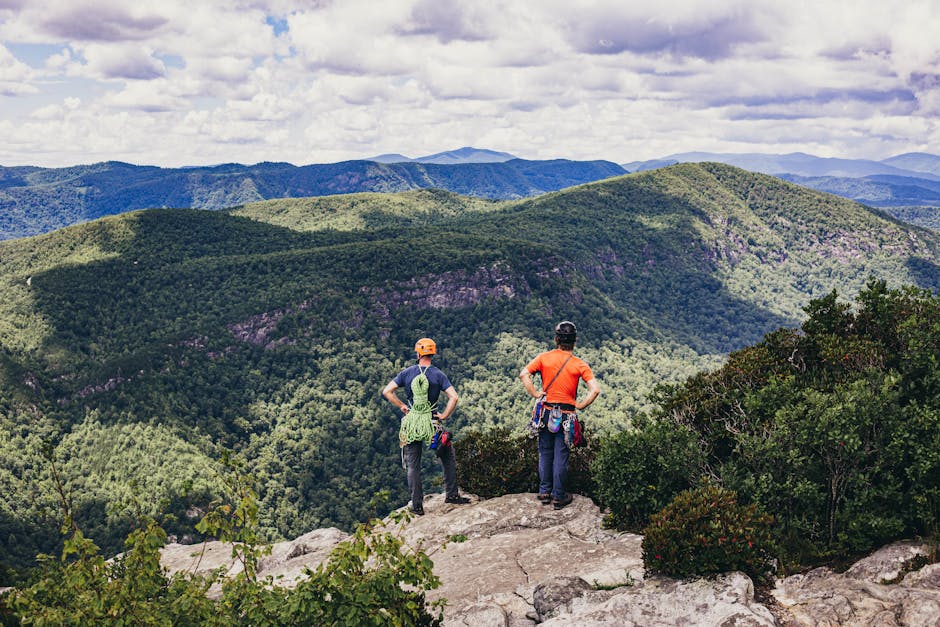
The track typically takes 5–6 days to complete and is best attempted between October and April. A permit system manages visitor numbers, and hikers must stay in designated huts or campsites.
Weather changes quickly in Tasmania. Even in summer, temperatures can drop below freezing at night. Pack waterproof gear and a four-season sleeping bag. The track is well-marked, but river crossings can be hazardous after rain.
The Drakensberg Grand Traverse, South Africa
This challenging route crosses the Drakensberg Mountains, offering dramatic cliffs, grassy valleys, and ancient San rock art. The full traverse spans over 100 miles and can take 2–3 weeks, depending on pace and weather.
Most hikers tackle shorter sections, such as the Amphitheatre or Sentinel Peak. The area is remote, with limited access to supplies. Self-sufficiency is key—carry all food, fuel, and emergency gear.
Altitude and weather are major factors. The high plateau sits above 10,000 feet, and storms can roll in without warning. Navigation skills are essential, as trails are not always clearly marked. A GPS device and physical map are recommended.
The Torngat Mountains Base Camp Trek, Canada
One of the most remote adventure travel routes in North America, this trek in northern Labrador takes you deep into Inuit territory. The landscape features jagged peaks, Arctic tundra, and abundant wildlife, including polar bears and caribou.
Most travelers fly into the base camp via charter plane and spend 7–10 days exploring on foot. Guided expeditions are strongly advised due to the isolation and environmental risks.
Wildlife encounters require caution. Carry bear spray and know how to use it. Weather is unpredictable, with strong winds and rapid temperature shifts. This is not a trip for beginners—experience in cold-weather camping is essential.
How to Choose the Right Adventure Route for You
Assess Your Fitness and Experience Level
Not all adventure travel routes are created equal. Some require advanced hiking skills, while others are suitable for beginners with moderate fitness. Be honest about your abilities before committing.
Consider your experience with multi-day hikes, altitude, and navigation. If you’ve never camped in the snow, a high-altitude trek may not be the best starting point. Build up with shorter trips and gradually increase difficulty.
Many tour operators offer graded trips—look for classifications like “moderate,” “challenging,” or “expert.” These labels help match your skill level to the right journey.
Match the Route to Your Interests
Do you prefer solitude or group dynamics? Are you drawn to mountains, forests, or coastlines? Your interests should guide your choice of route.
For wildlife enthusiasts, routes like the Drakensberg or Torngat Mountains offer rare animal sightings. Photographers might prefer the golden light of the Inca Trail at dawn. If cultural interaction matters, choose routes that pass through indigenous communities.
Think about pace, too. Some travelers enjoy fast-paced treks, while others prefer slow, contemplative walks. Match the route’s rhythm to your travel style.
Consider Logistics and Accessibility
Some adventure travel routes require complex planning. Flights, permits, visas, and gear transport can add time and cost. Research entry requirements and local regulations early.
Remote destinations may have limited medical facilities. Ensure you have travel insurance that covers emergency evacuation. Carry a satellite communicator if cell service is unavailable.
Budget is another factor. While some routes can be done independently on a shoestring, others require guided tours that cost thousands. Compare options and plan accordingly.
Essential Gear and Preparation Tips
Packing Smart for the Wild
Quality gear makes a difference. Invest in a durable backpack, weather-appropriate clothing, and a reliable sleeping system. Layering is key—temperatures can shift dramatically in a single day.
Footwear is critical. Break in your hiking boots before the trip to avoid blisters. Bring extra socks and consider moisture-wicking liners. Trekking poles reduce strain on knees during descents.
Don’t forget the basics: a first-aid kit, headlamp, water filter, and fire starter. Test all equipment before departure. A broken zipper or dead battery can ruin a trip.
Training and Physical Preparation
Even moderate hikes demand physical readiness. Start training 8–12 weeks in advance with regular cardio and strength exercises. Focus on legs, core, and endurance.
Practice hiking with a loaded pack on varied terrain. Simulate conditions you’ll face—steep climbs, rocky paths, or river crossings. This builds confidence and reveals gear issues.
Include rest days in your training. Overexertion leads to injury. Listen to your body and adjust your routine as needed.
Mental and Emotional Readiness
Adventure travel isn’t just physical—it’s mental. Long days, discomfort, and uncertainty can test your resolve. Prepare by setting realistic expectations and practicing mindfulness.
Learn basic survival skills like navigation, shelter building, and emergency signaling. Knowing what to do in a crisis reduces anxiety. Carry a printed emergency plan and share your itinerary with someone at home.
Embrace discomfort as part of the journey. Rain, fatigue, and hunger are temporary. The memories you gain are lasting.
Safety and Environmental Responsibility
Understanding Risks and How to Mitigate Them
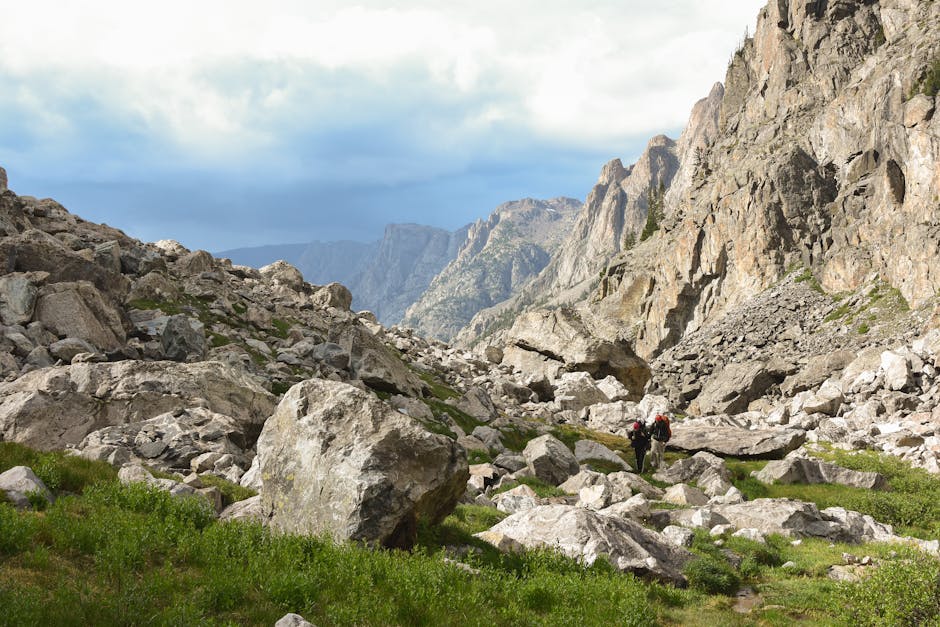
Nature is unpredictable. Weather, wildlife, and terrain pose real dangers. Research potential hazards for your chosen route and prepare accordingly.
Check avalanche reports, river levels, and fire bans before departure. Monitor local news and park advisories. If conditions are unsafe, postpone your trip—no view is worth risking your life.
Travel with a partner when possible. Let others know your plans and check in regularly. In remote areas, a satellite messenger can be a lifeline.
Leave No Trace Principles
Responsible travel protects the places we love. Follow the seven Leave No Trace principles: plan ahead, travel on durable surfaces, dispose of waste properly, leave what you find, minimize campfire impact, respect wildlife, and be considerate of others.
Pack out all trash, including food scraps and toilet paper. Use biodegradable soap and wash at least 200 feet from water sources. Avoid disturbing plants and animals.
Support conservation efforts by choosing eco-certified tour operators and donating to local parks. Your choices help preserve these landscapes for future adventurers.
When to Go: Timing Your Adventure
Seasonality affects every adventure travel route. Timing determines trail conditions, weather, and wildlife activity. Research the best window for your destination.
In mountain regions, summer offers the most stable weather and open trails. Spring and fall may bring snow or mud, depending on elevation. Winter treks require specialized gear and experience.
Coastal and jungle routes often have wet and dry seasons. The dry season typically means fewer mosquitoes and easier travel, but some areas are more beautiful during rains. Balance comfort with scenery when choosing dates.
Book popular routes early—permits and accommodations fill quickly. Flexibility can lead to better deals and fewer crowds, but don’t wait too long if a permit is required.
Final Thoughts: Making the Most of Your Journey
Epic nature adventures begin with curiosity and end with transformation. The right adventure travel route doesn’t just show you a new place—it changes how you see the world.
Choose a path that challenges you, respects the environment, and aligns with your values. Prepare thoroughly, travel mindfully, and embrace the unknown. The mountains, forests, and rivers are waiting.
Whether you’re walking the Inca Trail or crossing the Drakensberg, remember that the journey matters as much as the destination. Pack your bags, lace your boots, and step into the wild.
FAQ
What is the best time of year for adventure travel in mountainous regions?
The best time varies by location, but generally, summer (June to September in the Northern Hemisphere) offers the most stable weather and open trails. Always check local conditions and park advisories before departure.
Do I need a guide for remote adventure travel routes?
For highly remote or technical routes—like the Torngat Mountains or Great Himalaya Trail—a guide is strongly recommended. They provide navigation, safety, and local knowledge. For well-marked trails like the Overland Track, independent travel is possible with proper preparation.
How can I minimize my environmental impact while on an adventure trip?
Follow Leave No Trace principles: pack out all waste, stay on marked trails, use biodegradable products, and avoid disturbing wildlife. Choose eco-conscious tour operators and support conservation initiatives in the regions you visit.