
Amazing Adventure Travel Routes for Rugged Landscapes
For travelers drawn to raw, untamed terrain, the world offers a handful of truly remarkable adventure travel routes through rugged landscapes. These aren’t your average hiking trails or scenic drives—they’re demanding, immersive journeys that test endurance, reward resilience, and deliver unforgettable views. Whether you’re trekking across high-altitude plateaus, navigating remote mountain passes, or traversing arid deserts, these routes combine physical challenge with profound natural beauty. This guide highlights some of the most awe-inspiring paths for those ready to trade comfort for authenticity and paved roads for rocky trails.
Why Choose Rugged Landscape Adventures?
Rugged landscapes offer more than just scenic backdrops—they provide a sense of solitude, self-reliance, and connection to the earth that’s hard to find elsewhere. Unlike crowded tourist hotspots, these routes demand preparation, respect for nature, and a willingness to embrace uncertainty. The reward? Unfiltered access to pristine environments, dramatic geological formations, and wildlife encounters that feel genuinely wild.
These journeys also foster personal growth. Navigating unpredictable weather, limited resources, and physical fatigue builds confidence and problem-solving skills. Many travelers return not just with photos, but with a renewed perspective on what’s possible when you step beyond your comfort zone.
Top Adventure Travel Routes for Rugged Terrain
The Snowman Trek, Bhutan
Spanning over 300 kilometers and reaching elevations above 5,000 meters, the Snowman Trek is one of the world’s most challenging long-distance hikes. Traversing the remote Lunana region in northern Bhutan, this route crosses 11 high mountain passes and winds through glacial valleys, alpine meadows, and isolated villages.
Most hikers take 25 to 30 days to complete the full trek, often during the brief autumn window when snow conditions are safest. Due to its remoteness, the route requires full self-sufficiency—porters, yaks, and portable shelters are standard. The cultural immersion is as profound as the physical challenge, with opportunities to visit ancient monasteries and interact with Bhutanese herders.
The Darien Gap, Panama to Colombia
The Darien Gap is one of the few places on Earth where the Pan-American Highway simply ends—not by design, but by nature. This 160-kilometer stretch of dense rainforest, swamps, and rugged mountains separates Central and South America and remains largely impassable by vehicle.
For adventurous trekkers, crossing the Darien is a test of endurance and navigation. There are no marked trails, and the terrain includes river crossings, venomous snakes, and unpredictable weather. It’s not recommended for inexperienced travelers, and local guides are essential. Those who make the journey report encounters with Emberá Indigenous communities and rare wildlife like jaguars and harpy eagles.
The Tsum Valley Trek, Nepal
Hidden within the Himalayas, the Tsum Valley offers a blend of spiritual serenity and physical challenge. Located in a restricted area near the Tibetan border, this route requires special permits and a slow acclimatization process due to high altitudes.
The trail follows ancient trade routes through pine forests, glacial rivers, and stone villages adorned with prayer flags. Key stops include the Milarepa Cave, where the Buddhist saint is said to have meditated, and the Rachen Gompa monastery. The isolation and preserved culture make it a standout among Himalayan treks.
The Canning Stock Route, Australia
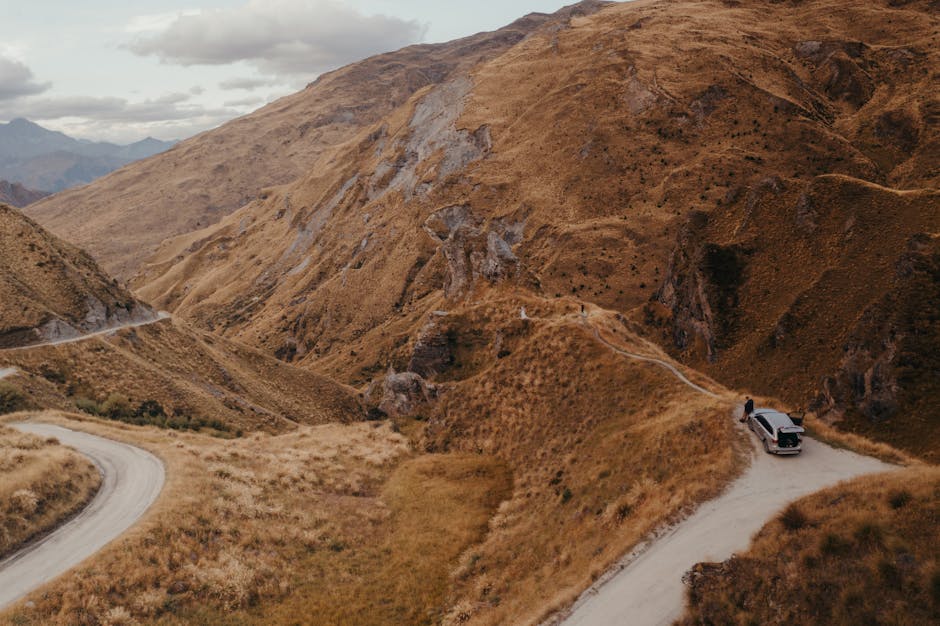
Stretching 1,850 kilometers across the Australian outback, the Canning Stock Route is one of the world’s most remote 4WD expeditions. Originally established in the 1900s to move cattle, it now serves as a legendary overland journey for seasoned adventurers.
The route crosses desert, salt lakes, and rocky ranges, with limited water sources and no services. Travelers must carry all fuel, food, and spare parts. GPS and satellite communication are non-negotiable. Along the way, you’ll pass Aboriginal rock art sites and encounter wildlife like red kangaroos and wedge-tailed eagles.
The Torngat Mountains, Canada
In northern Labrador, the Torngat Mountains form a dramatic Arctic landscape of granite peaks, fjords, and tundra. Accessible only by charter plane or boat, this region is home to polar bears, caribou, and the Inuit communities of Nunatsiavut.
Trekking here requires cold-weather gear, bear safety protocols, and a deep respect for the environment. Popular routes include the Koroc River Valley and the ascent of Mount Caubvick, the highest peak in mainland Canada east of the Rockies. The midnight sun in summer allows for extended hiking, but weather can shift rapidly.
Essential Preparation Tips
Physical Conditioning
Most rugged adventure routes demand a high level of fitness. Start training months in advance with weighted hikes, strength exercises, and endurance activities like cycling or swimming. Simulate trail conditions when possible—carry a loaded pack on long walks or train at elevation if heading to high-altitude destinations.
Listen to your body. Overexertion in remote areas can lead to serious injury with limited rescue options. Build in rest days and know your limits.
Gear and Equipment
Quality gear is non-negotiable. Invest in durable, weather-appropriate clothing, a reliable backpack, and a four-season tent if camping. Footwear should be broken in well before departure—blisters can end a trip quickly.
Navigation tools are critical. Carry topographic maps, a compass, and a GPS device with offline capabilities. Solar chargers or portable power banks help keep electronics running in areas without electricity.
Permits and Regulations
Many rugged routes are in protected areas or require special permits. Research entry requirements well in advance—some, like Bhutan’s Snowman Trek, have limited seasonal availability and high fees. Apply early and confirm all documentation.
Respect local laws and cultural norms. In Indigenous territories, seek permission before entering sacred sites. Leave no trace: pack out all waste, avoid disturbing wildlife, and minimize campfire use.
Safety Considerations
Remote travel comes with inherent risks. Weather in mountainous or desert regions can change without warning. Hypothermia, heatstroke, and altitude sickness are real threats. Carry a first-aid kit, know basic wilderness medicine, and inform someone of your itinerary.
Wildlife encounters require caution. In bear country, carry deterrent spray and store food properly. In snake-prone areas, wear high boots and watch where you step. Always travel with a companion when possible—solo travel increases risk.
Emergency communication is vital. Satellite messengers like Garmin inReach allow two-way texting and SOS functions in areas without cell service. Test your device before departure.
Best Times to Travel
Timing can make or break an adventure. Most rugged routes have narrow windows of safe travel due to weather, snow, or river levels. In the Himalayas, spring (April–May) and autumn (September–October) offer stable conditions. The Australian outback is best explored in cooler months (April–September).
Avoid monsoon seasons in Southeast Asia and rainy periods in tropical regions, which can make trails impassable. In polar areas, summer provides the most daylight and manageable temperatures—though bugs can be intense in the Arctic tundra.
Check historical weather patterns and consult local guides or park authorities for up-to-date conditions. Flexibility is key—be prepared to delay your trip if conditions aren’t safe.
Environmental and Cultural Responsibility
Rugged landscapes are often fragile ecosystems. Stick to established trails to prevent erosion. Use biodegradable soap and dispose of waste properly—pack out toilet paper and hygiene products.
Support local economies by hiring local guides, staying in community-run lodges, and purchasing handmade goods. Learn a few phrases in the local language and respect dress codes and customs, especially near religious sites.
Travel with humility. These places have existed long before tourists arrived and will remain long after. Your presence should leave minimal impact and maximum respect.
Comparing Routes: What to Expect
Each route offers a unique blend of challenge and reward. The Snowman Trek is ideal for those seeking high-altitude endurance and cultural depth. The Darien Gap suits ultra-adventurers comfortable with uncertainty and close contact with nature. The Tsum Valley appeals to spiritual seekers and those wanting a quieter Himalayan experience.
The Canning Stock Route is best for overland vehicle enthusiasts with mechanical skills. The Torngat Mountains attract those drawn to Arctic wilderness and Indigenous heritage. Consider your fitness level, experience, and travel style when choosing.
All routes share common demands: preparation, resilience, and respect. None are suitable for last-minute planning or minimal gear. But for those willing to commit, the experiences are transformative.
Final Thoughts
Amazing adventure travel routes through rugged landscapes aren’t for everyone—but for those who seek them, they offer unparalleled rewards. These journeys strip away distractions and connect you directly with the planet’s wildest places. They require effort, planning, and courage, but the memories, growth, and views are worth every step.
Whether you’re drawn to the icy peaks of Bhutan, the deserts of Australia, or the fjords of Canada, there’s a path waiting. Start small if needed—build experience on shorter treks before tackling multi-week expeditions. The world’s most rugged landscapes are calling. Are you ready to answer?
FAQ
What is the most challenging adventure travel route mentioned?
The Snowman Trek in Bhutan is widely considered one of the most difficult, due to its length, high altitude, and remote conditions. It requires excellent fitness, acclimatization, and full self-sufficiency.
Do I need a guide for these routes?
For most of these routes, especially the Darien Gap and Tsum Valley, a local guide is strongly recommended or required. They provide navigation, cultural insight, and safety support in unpredictable environments.
How much does it cost to travel these routes?
Costs vary widely. The Snowman Trek can exceed $5,000 due to permits and logistics. The Canning Stock Route may cost $3,000–$6,000 for vehicle support and supplies. Always budget for gear, insurance, and emergency funds.