
Beach and Island Travel Tips for Finding Hidden Coves
Discovering hidden coves offers one of the most rewarding experiences for beach and island travelers. These secluded spots provide privacy, stunning scenery, and a break from crowded shorelines. To find them, research local maps, talk to residents, and explore during low tide. Many hidden coves are only accessible by foot, kayak, or small boat, so planning ahead is essential. This guide covers practical strategies, safety tips, and real-world examples to help you locate and enjoy these coastal gems responsibly.
Why Hidden Coves Are Worth the Effort
Hidden coves offer a sense of discovery that popular beaches can’t match. They’re often free from crowds, noise, and commercial development. You’ll find clearer water, better snorkeling, and a stronger connection to nature.
These secluded areas also tend to have unique geological features—sea caves, rock arches, and tide pools—that aren’t visible from main beaches. Whether you’re swimming, sunbathing, or photographing wildlife, the experience feels more personal and immersive.
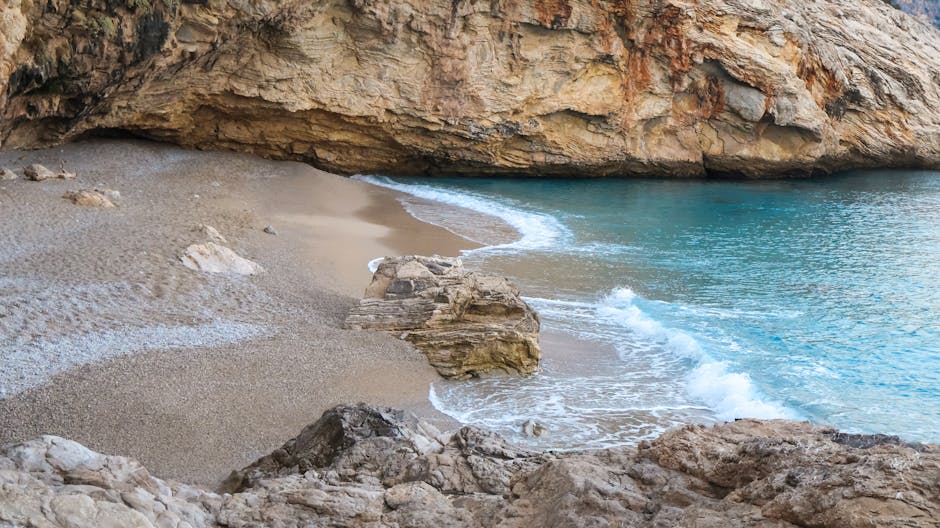
For example, on the island of Kefalonia in Greece, the secluded Myrtos Beach side coves are only reachable via narrow footpaths. Visitors who make the short hike are rewarded with turquoise water and limestone cliffs that aren’t visible from the main access road.
Research Before You Go
Start your search with detailed maps and satellite imagery. Google Earth and local hiking apps often show trails leading to lesser-known coves. Look for gaps between marked beaches or areas with limited road access.
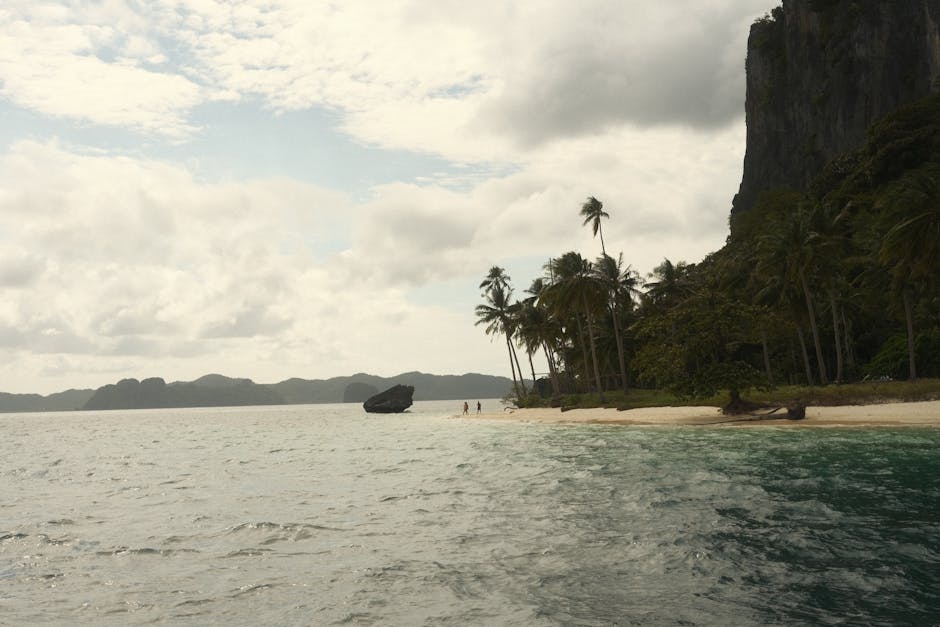
Check regional tourism boards or local forums. Travelers frequently share GPS coordinates and trail conditions in online communities. In the Philippines, for instance, backpackers post updates about accessible coves in El Nido that aren’t listed on official maps.
Talk to locals when you arrive. Fishermen, dive shop owners, and boat captains often know the best-kept secrets. In Thailand’s Krabi province, longtail boat drivers can take you to hidden limestone coves that aren’t reachable by land.
Use Tide and Weather Data
Timing is critical. Many hidden coves are only accessible during low tide. Use tide charts to plan your visit. In Maine, for example, the coves along Acadia National Park’s coastline are exposed for only a few hours each day.
Weather affects safety and visibility. Avoid exploring during high winds or storms. Rough seas can make kayaking or swimming dangerous, even in calm-looking coves.
Check sunrise and sunset times. Some coves are best visited in the early morning when the light is soft and the water is calm. Others, like those in the Caribbean, are ideal for late-afternoon snorkeling when fish are most active.
Access Methods: How to Reach Hidden Coves
The method of access depends on the location and terrain. Some coves require a short hike, while others are best reached by water.
On foot, look for unmarked trails that branch off from main paths. In Mallorca, Spain, a 20-minute walk from Cala Mesquida leads to a series of small, sandy coves surrounded by pine trees. Wear sturdy shoes and carry water.
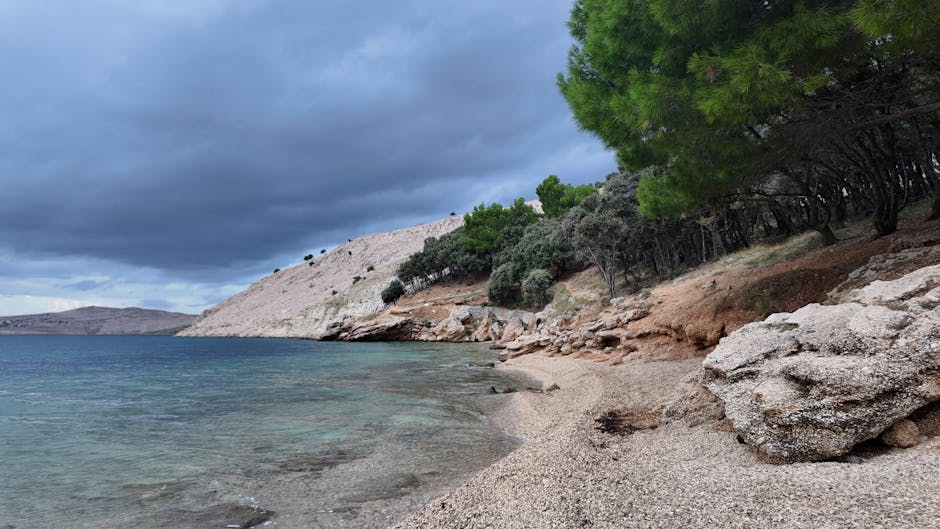
Kayaking offers a quiet, low-impact way to explore. In Croatia’s Kornati Islands, paddling between islands reveals hidden inlets with crystal-clear water. Rent a kayak from a local outfitter and ask for recommended routes.
Small boats or paddleboards work well in calm, shallow waters. In the Florida Keys, many hidden coves are tucked behind mangrove islands. A paddleboard allows you to glide over seagrass beds without disturbing marine life.
Boat Access Tips
If using a boat, anchor away from the shore to protect coral and seagrass. Use a buoy line if available. In the Great Barrier Reef, anchoring on coral can cause irreversible damage.
Always check local regulations. Some marine parks restrict boat access to protect wildlife. In the Galápagos, only licensed guides can take visitors to certain coves.
Carry a handheld GPS or marine chart. Strong currents or fog can make navigation difficult. In the Pacific Northwest, tides change rapidly, and channels between islands can become hazardous.
Safety Considerations
Safety should always come first. Hidden coves often lack lifeguards, emergency services, or cell service. Let someone know your plans before heading out.
Wear a life jacket when kayaking or swimming, especially in remote areas. Even strong swimmers can be caught off guard by rip currents or sudden weather changes.
Watch for slippery rocks and uneven terrain. In New Zealand’s Abel Tasman National Park, many coves have steep, wet rock faces that can be dangerous to climb.
Carry a first-aid kit, whistle, and waterproof phone case. A mirror or signal flare can help attract attention if you’re stranded.
Tide and Current Awareness
Understand how tides affect your route. Getting trapped by rising water is a real risk. In the Bay of Fundy, tides can rise over 50 feet, cutting off access to coastal areas in minutes.
Avoid swimming near river mouths or storm drains. These areas often have strong undercurrents. In Hawaii, flash floods can occur even when the sky is clear, sweeping people out to sea.
Check for jellyfish, sea urchins, and sharp coral. In the Red Sea, some coves have high concentrations of stinging jellyfish during certain seasons.
Leave No Trace: Protecting Hidden Coves
Hidden coves are often ecologically sensitive. Practice Leave No Trace principles to preserve them for future visitors.
Pack out all trash, including food wrappers and plastic bottles. Even biodegradable items like fruit peels can harm wildlife.
Don’t disturb wildlife. Avoid touching coral, chasing fish, or feeding animals. In the Mediterranean, overhandling seahorses has led to population declines in some areas.
Use reef-safe sunscreen. Chemicals like oxybenzone can damage coral reefs. In Palau, certain sunscreens are banned to protect marine ecosystems.
Stay on marked trails when hiking. Trampling vegetation can lead to erosion. In the Azores, native plants take years to recover from foot traffic.
Best Times to Visit for Privacy and Conditions
Timing your visit can make a big difference. Early mornings and weekdays are usually less crowded. In Santorini, Greece, the hidden coves near Oia are nearly empty at sunrise but packed by midday.
Shoulder seasons—spring and fall—offer better weather and fewer tourists. In the Maldives, visiting in April or November means calmer seas and lower prices.
Avoid holidays and local festivals. In Mexico’s Isla Mujeres, hidden coves fill up during Semana Santa. Plan around these dates if you want solitude.
Consider moon phases. New moon nights offer the darkest skies for stargazing, while full moons can illuminate nighttime swims.
Gear and Packing Essentials
Pack light but smart. Bring only what you need to stay safe and comfortable.
Essential items include water, snacks, a hat, sunglasses, and sunscreen. A lightweight towel and quick-dry clothing are useful for changing after swimming.
For water access, bring a dry bag to protect your phone, keys, and snacks. In the Bahamas, many coves have no shade, so a portable umbrella or pop-up shelter helps.
If hiking, wear moisture-wicking clothing and trail shoes. In Corsica, the GR20 trail leads to remote coves, but the terrain is rocky and uneven.
Navigation Tools
Carry a physical map and compass as backups. GPS devices and phones can fail or lose signal.
Download offline maps before your trip. Apps like Maps.me or Gaia GPS work without internet.
Note landmarks when approaching a cove. It’s easy to get turned around when returning, especially in dense coastal forests or fog.
Real-World Examples of Hidden Coves
Some destinations are famous for their hidden coves. Knowing where to look helps you plan better trips.
In Italy’s Cinque Terre, the cove near Monterosso al Mare is reachable via a steep trail behind the old town. It’s quieter than the main beach and has better snorkeling.
In Australia, the coves along the Great Ocean Road, like those near Apollo Bay, are accessed via short walks from the Great Ocean Walk trail. They offer solitude and views of the Twelve Apostles.
In Mexico, the coves of Xpu Ha on the Riviera Maya are tucked behind sandbars. They’re ideal for paddleboarding and swimming, with calm, shallow water.
Local Knowledge Is Your Best Resource
No app or guidebook replaces local insight. Residents know which coves are safe, accessible, and worth visiting.
Ask at dive shops, surf schools, or guesthouses. In Bali, homestay owners often share directions to hidden coves along the Bukit Peninsula.
Join a small-group tour if you’re unsure. Local guides can take you to secret spots while sharing cultural and ecological knowledge. In Iceland, guided sea kayak tours reveal coves with puffin colonies.
Respect local customs. In some cultures, certain beaches or coves are sacred. Always ask before entering private or restricted areas.
Photography Tips for Hidden Coves
Hidden coves offer stunning photo opportunities. Use natural light and composition to capture their beauty.
Shoot during golden hour—shortly after sunrise or before sunset. The soft light enhances colors and reduces harsh shadows.
Use a polarizing filter to reduce glare on water. This helps reveal underwater details like coral and fish.
Include foreground elements—rocks, driftwood, or shells—to add depth. In the Seychelles, photographing coves with granite boulders in the foreground creates dramatic contrast.
Be patient. Wait for waves to recede or birds to land. In Patagonia, coves with sea lions are more photogenic when the animals are resting on shore.
Common Mistakes to Avoid
Many travelers make avoidable errors when searching for hidden coves. Learn from these common pitfalls.
Don’t rely solely on online photos. Some coves look better in pictures than in person. Check recent reviews for accuracy.
Avoid visiting during peak tide without checking conditions. You might arrive to find the cove underwater or inaccessible.
Don’t ignore local warnings. If a sign says “No Swimming,” there’s usually a good reason—strong currents, pollution, or protected species.
Never leave valuables unattended. Even in remote areas, theft can occur. Use a lockable dry bag or keep items with you.
Making the Most of Your Cove Experience
Once you find a hidden cove, take time to enjoy it fully. Bring a book, journal, or sketchpad. The solitude is part of the reward.
Swim, snorkel, or simply sit and listen to the waves. In the Azores, the silence of a secluded cove at dawn is unforgettable.
Share the experience respectfully. If you post photos online, avoid revealing exact locations. Tagging GPS coordinates can lead to overcrowding.
Return the favor. If locals helped you, consider supporting their business or leaving a positive review.
FAQ
How do I find hidden coves without a guide?
Use detailed maps, satellite imagery, and local forums. Talk to residents and check tide schedules. Many coves are accessible via short hikes or kayak trips.
Are hidden coves safe for swimming?
It depends. Check for currents, rocks, and marine life. Avoid swimming alone, wear a life jacket if kayaking, and never ignore local warnings.
What should I pack for a day at a hidden cove?
Bring water, snacks, sunscreen, a hat, a dry bag, and navigation tools. Wear appropriate footwear and clothing for hiking or water activities.