
Best Adventure Travel Destinations for Jungle Hikes
Jungle hikes offer some of the most immersive and exhilarating experiences in adventure travel. From dense canopies and hidden waterfalls to rare wildlife and ancient ruins, these treks deliver raw natural beauty and physical challenge. Whether you’re a seasoned trekker or a nature enthusiast seeking your first jungle adventure, the right destination can make all the difference. This guide highlights the world’s top jungle hiking locations, each offering unique terrain, biodiversity, and cultural encounters. You’ll find practical insights, safety tips, and what to expect on the trail—so you can choose the perfect jungle hike with confidence.
Why Choose a Jungle Hike for Your Next Adventure
Jungle hikes stand apart from other outdoor adventures due to their sensory richness and unpredictability. Unlike well-marked mountain trails, jungle paths often require navigation through thick undergrowth, river crossings, and shifting terrain. The reward? Unmatched biodiversity, solitude, and the thrill of discovery.
These environments host some of Earth’s most complex ecosystems. You might spot a jaguar’s footprint in the mud one moment and hear howler monkeys echoing through the canopy the next. Jungle hikes also frequently lead to cultural immersion—many trails pass through indigenous communities where visitors can learn traditional practices and sustainable living.
For travelers seeking more than scenic views, jungle treks offer physical endurance challenges and mental resilience training. The humidity, insects, and remote conditions test preparation and adaptability. But with proper planning, the experience is deeply rewarding and often transformative.
Top Jungle Hiking Destinations Around the World
Amazon Rainforest, Brazil
The Amazon is the world’s largest tropical rainforest and a premier destination for jungle hikes. Spanning over 5.5 million square kilometers, it offers endless exploration opportunities. Popular entry points include Manaus and the Rio Negro, where guided treks delve into flooded forests and remote tributaries.
Hikers can expect to traverse muddy trails, cross rivers by canoe, and camp in eco-lodges deep in the jungle. Wildlife sightings may include capybaras, sloths, toucans, and even pink river dolphins. Night hikes reveal a different world—frogs, insects, and nocturnal mammals become active under the moonlight.
Guided tours are essential here. Local guides know how to navigate safely, identify edible plants, and avoid dangerous animals like venomous snakes and spiders. Many tours also include visits to indigenous villages, offering cultural exchange and support for local communities.
Taman Negara, Malaysia
Taman Negara is one of the oldest rainforests on Earth, estimated at over 130 million years old. Located in Peninsular Malaysia, it’s easily accessible from Kuala Lumpur and offers a range of hiking experiences from half-day walks to multi-day expeditions.
The park features well-maintained trails, canopy walkways, and river cruises. The Tahan River Trail is a popular multi-day route leading to Mount Tahan, the highest peak in Peninsular Malaysia. Hikers pass through diverse ecosystems, including lowland dipterocarp forests and montane regions.
Safety is well managed, with ranger stations and clear signage. However, leeches are common during wet seasons, so wearing leech socks is recommended. The park also supports conservation efforts, and visitor fees contribute to protecting endangered species like the Malayan tiger and Asian elephant.
Daintree Rainforest, Australia
As the oldest tropical rainforest in the world, Daintree offers a unique blend of ancient flora and coastal beauty. Located in Queensland, it’s part of the Wet Tropics World Heritage Area and sits adjacent to the Great Barrier Reef.
Hiking options range from short boardwalk trails to challenging multi-day treks like the Mount Lewis National Park route. The Mossman Gorge area is particularly popular, with crystal-clear streams and lush ferns. Birdwatchers will delight in spotting cassowaries, kingfishers, and riflebirds.
Unlike other jungle destinations, Daintree has a dry season (May to September) that makes hiking more comfortable. Still, visitors should be cautious of saltwater crocodiles in waterways and follow local safety guidelines. Eco-certified tours emphasize minimal environmental impact and respect for Aboriginal cultural sites.
Monteverde Cloud Forest, Costa Rica
Monteverde is a high-altitude jungle known for its misty cloud forests and rich biodiversity. Located in the Tilarán Mountains, it’s a haven for eco-tourists and researchers alike. The reserve protects over 100 mammal species and 400 bird species, including the resplendent quetzal.
Trails here are well-marked and range from easy walks to strenuous climbs. The Sky Walk features suspension bridges that offer panoramic views of the canopy. For a more immersive experience, the night tour reveals frogs, insects, and sleeping birds in their natural habitat.
Costa Rica’s strong commitment to conservation means trails are well-maintained and guided tours are highly informative. Visitors should pack layers, as temperatures can drop significantly at higher elevations. The dry season (December to April) is ideal for hiking, though afternoon rains are still common.
Chiang Mai Jungle Trails, Thailand
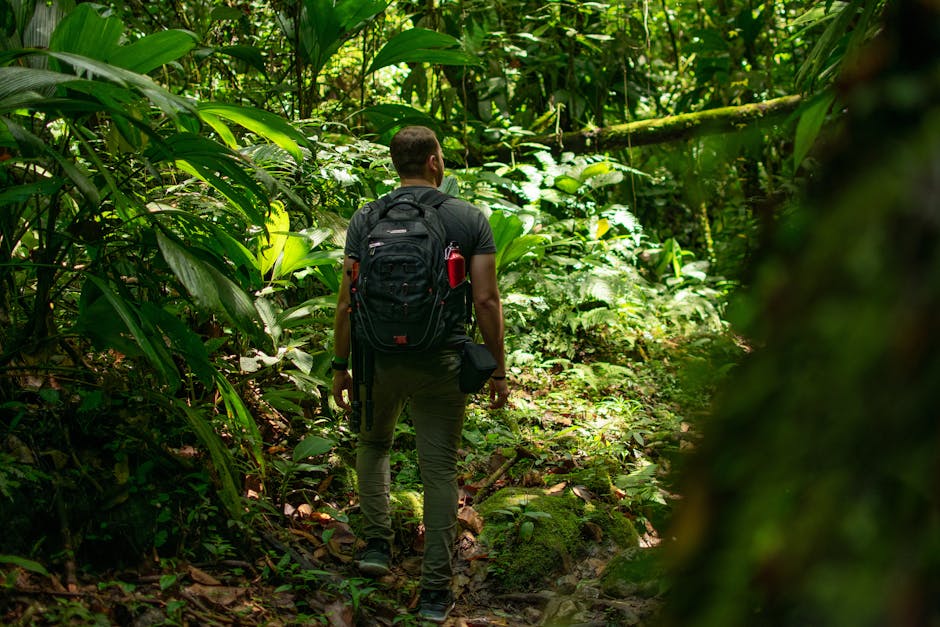
Northern Thailand’s jungles offer a mix of adventure and cultural immersion. Around Chiang Mai, numerous trekking operators lead hikes through lush valleys, rice terraces, and hill tribe villages. The Mae Sa Valley and Doi Inthanon National Park are top choices.
Treks often include bamboo rafting, waterfall swimming, and overnight stays with local families. These experiences support community-based tourism and provide authentic insights into Thai rural life. Wildlife includes macaques, hornbills, and occasionally gibbons.
While trails are generally safe, it’s important to choose reputable guides who treat animals ethically. Avoid operators that offer elephant rides, as these often involve cruelty. Instead, look for sanctuaries that prioritize animal welfare and education.
Kinabalu Park and Crocker Range, Borneo
Borneo’s jungles are legendary for their biodiversity and rugged terrain. Kinabalu Park, home to Mount Kinabalu, offers trails through montane forests, orchid gardens, and granite peaks. The park is a UNESCO World Heritage Site and a hotspot for botanists.
For a more remote experience, the Crocker Range offers less-traveled paths through dense rainforest and indigenous villages. The region is home to orangutans, pygmy elephants, and clouded leopards, though sightings are rare and require patience.
Permits are required for many trails, and guides are mandatory for summit climbs. The climate is cooler than lowland jungles, but humidity remains high. Hikers should be prepared for sudden weather changes and carry rain gear year-round.
What to Expect on a Jungle Hike
Terrain and Trail Conditions
Jungle trails are rarely flat or predictable. Expect muddy paths, slippery roots, river crossings, and steep inclines. Some routes may require wading through streams or climbing over fallen trees. Trail markers can be sparse, especially in remote areas.
Footwear is critical. Sturdy hiking boots with good grip are essential, and gaiters can help keep debris and insects out. In some regions, like Taman Negara, leeches are a common nuisance during rainy months. Leeches are harmless but can be unsettling; salt or heat is the most effective way to remove them.
Always hike with a guide in unfamiliar territory. Local experts know the safest routes, weather patterns, and how to respond to emergencies. They can also point out medicinal plants, animal tracks, and hidden viewpoints you might otherwise miss.
Wildlife Encounters
Jungles are teeming with life, but most animals avoid humans. Still, encounters can happen—especially with monkeys, snakes, and insects. Monkeys may steal food if not stored properly, so use bear-proof containers or hang bags away from trees.
Venomous snakes like vipers and cobras exist in many jungle regions, but bites are rare if you stay on trails and watch your step. Insects, including mosquitoes and ticks, are more common and can carry diseases like dengue or malaria. Use insect repellent with DEET and wear long sleeves and pants.
Respect wildlife by keeping a safe distance. Never feed animals, as it disrupts their natural behavior and can make them aggressive. Photography is encouraged, but avoid using flash, which can startle nocturnal species.
Weather and Climate
Jungle climates are typically hot and humid, with frequent rainfall. Temperatures may range from 25°C to 35°C (77°F to 95°F), but feel much hotter due to moisture. Rain can occur any time of year, though most regions have a drier season.
Rain transforms trails quickly. What was a dry path in the morning can become a muddy stream by afternoon. Flash floods are a real risk in river valleys, so avoid camping near waterways during storms.
Packing quick-dry clothing, waterproof bags, and a reliable rain jacket is essential. A lightweight tarp or bivy sack can provide emergency shelter. Always check weather forecasts before heading out and be prepared to adjust your plans.
Essential Gear for Jungle Hiking
Clothing and Footwear
Choose moisture-wicking fabrics like merino wool or synthetic blends. Cotton retains water and can lead to chafing or hypothermia in wet conditions. Long sleeves and pants protect against sun, insects, and scratches from vegetation.
Hiking boots should be broken in before the trip and provide ankle support. In muddy areas, consider shoes with deep treads. Sandals with secure straps are useful for river crossings but not recommended for long hikes.
Don’t forget a wide-brimmed hat, sunglasses, and gloves for thorny plants. A bandana or buff can double as a sweatband, face cover, or emergency bandage.
Backpack and Packing Tips
A 30-50 liter backpack is usually sufficient for day hikes or short treks. For multi-day trips, a 60-70 liter pack with a rain cover is ideal. Use dry bags or zip-lock bags to protect electronics, maps, and clothing.
Pack light but smart. Essentials include a first-aid kit, water purification tablets, a multi-tool, headlamp, and extra batteries. A lightweight tent or hammock with a mosquito net is necessary for overnight stays.
Food should be non-perishable and high in calories. Energy bars, nuts, dried fruit, and instant meals work well. Avoid strong-smelling foods that might attract animals.
Safety and Navigation Tools
A GPS device or smartphone with offline maps is valuable, but don’t rely solely on technology. Batteries die, and signals fail. Carry a physical map and compass, and know how to use them.
A whistle, signal mirror, and personal locator beacon (PLB) can be lifesavers in emergencies. Let someone know your itinerary and expected return time. In remote areas, satellite messengers like Garmin inReach offer two-way communication.
First-aid knowledge is crucial. Learn basic wound care, snake bite response, and how to treat heat exhaustion. Many tour operators provide training, but independent hikers should take a wilderness first-aid course.
Safety Tips and Precautions
Health and Hygiene
Drink only purified or boiled water. Even clear jungle streams can harbor parasites like giardia. Water filters, purification tablets, or UV sterilizers are effective solutions.
Practice good hygiene to prevent infections. Wash hands before eating, and avoid touching your face with dirty hands. Use hand sanitizer when water isn’t available.
Vaccinations may be required depending on your destination. Check with a travel clinic for recommendations on yellow fever, typhoid, and hepatitis A. Malaria prophylaxis is advised in many tropical regions.
Avoiding Common Hazards
Flash floods, landslides, and falling branches are real risks in jungles. Avoid hiking during heavy rain, and stay alert for changes in water levels or unusual animal behavior.
Insect bites and stings are common. Wear permethrin-treated clothing and sleep under a mosquito net. If stung by a bee or wasp, remove the stinger and apply a cold compress.
Never hike alone. Travel in groups of at least three, and stay within sight of each other. If someone gets injured, send two people for help while one stays with the injured person.
Environmental Responsibility
Follow Leave No Trace principles. Pack out all trash, including biodegradable items like fruit peels. Use established campsites to minimize impact on vegetation.
Avoid disturbing wildlife or removing natural objects like plants, rocks, or feathers. These actions can harm ecosystems and are often illegal in protected areas.
Support eco-friendly tour operators that pay fair wages, use local guides, and contribute to conservation. Your choices as a traveler can help preserve these incredible environments for future generations.
How to Choose the Right Jungle Hike for You
Assess Your Fitness Level
Jungle hikes vary in difficulty. Some trails are flat and well-maintained, while others involve steep climbs, river crossings, and long distances. Be honest about your physical condition and choose a trek that matches your ability.
Beginners should start with shorter, guided tours in accessible parks like Monteverde or Daintree. More experienced hikers might tackle multi-day expeditions in the Amazon or Borneo.
Training beforehand can make a big difference. Build endurance with regular walks, stair climbing, and strength exercises. Practice hiking with a loaded backpack to simulate real conditions.
Consider the Season and Timing
Timing affects trail conditions, wildlife activity, and comfort. Dry seasons generally offer better hiking, but some animals are more active during wet periods. Research the best time to visit your chosen destination.
Book tours in advance, especially for popular parks like Taman Negara or Kinabalu. Permits and accommodations fill up quickly during peak seasons.
Allow extra time for travel and acclimatization. Arriving a day early lets you rest, check gear, and meet your guide. Rushing into a trek increases the risk of mistakes and injuries.
Budget and Tour Options
Jungle hikes can range from budget-friendly to luxury expeditions. Independent travel is cheaper but requires more planning and risk management. Guided tours offer safety, expertise, and convenience but cost more.
Compare tour operators carefully. Look for certifications, reviews, and transparent pricing. Avoid deals that seem too good to be true—they may cut corners on safety or ethics.
Include costs for gear, permits, transportation, and tips in your budget. Some parks charge entrance fees, and guides often rely on gratuities. Supporting local economies ensures sustainable tourism.
Final Thoughts
Jungle hikes are among the most rewarding adventures a traveler can experience. They offer a rare chance to disconnect from modern life and reconnect with nature in its rawest form. From the Amazon to Borneo, each destination provides unique challenges and unforgettable moments.
Success starts with preparation. Research your destination, pack appropriately, and choose reputable guides. Respect the environment and local cultures, and prioritize safety at all times.
Whether you’re trekking to a hidden waterfall, spotting a rare bird, or sleeping under the stars in a remote jungle, these experiences stay with you long after the trip ends. The world’s jungles are vast, wild, and waiting—ready for your next adventure.
FAQ
What should I pack for a jungle hike?
Essential items include sturdy hiking boots, moisture-wicking clothing, a rain jacket, insect repellent, water purification tools, a first-aid kit, and a reliable backpack. Don’t forget a headlamp, map, compass, and emergency whistle.
Are jungle hikes safe for beginners?Yes, many jungle destinations offer beginner-friendly trails with guided tours. Start with well-marked paths in parks like Monteverde or Daintree, and always hike with an experienced guide.
How do I avoid insects and leeches on a jungle trek?
Wear long sleeves and pants, use DEET-based repellent, and treat clothing with permethrin. In leech-prone areas like Taman Negara, wear leech socks and check your body regularly. Salt or heat can remove leeches safely.