
Best Adventure Travel Experiences for River Lovers
For travelers drawn to the rhythm of flowing water, river adventures offer a unique blend of serenity and thrill. Whether you’re paddling through remote canyons, navigating whitewater rapids, or gliding past ancient riverbank villages, water-based journeys connect you with nature and culture in unforgettable ways. This guide highlights the best adventure travel experiences for river lovers—from iconic global destinations to hidden gems—so you can plan your next immersive aquatic escape with confidence.
Why River Adventures Stand Out
River travel combines physical activity, natural beauty, and cultural immersion in a way few other experiences can match. Unlike hiking or driving tours, rivers guide you through landscapes that are often inaccessible by land. You move at nature’s pace, witnessing wildlife, geology, and local life from a perspective few ever see.
These journeys also offer a range of intensity levels. From calm float trips ideal for beginners to technical whitewater runs requiring expert skill, there’s a river adventure for every traveler. The key is matching your experience level and interests to the right destination and activity.
Top Global River Adventure Destinations
The Colorado River, USA
Running through the heart of the Grand Canyon, the Colorado River is legendary among rafters and kayakers. Multi-day expeditions here traverse over 277 miles of dramatic red-rock landscapes, with Class II to Class V rapids depending on the section.
Most trips launch from Lee’s Ferry and take 6 to 18 days to reach Lake Mead. Permits are required and highly competitive, so apply up to four months in advance through the National Park Service lottery system. Bring layers—temperatures swing from scorching days to near-freezing nights.
The Zambezi River, Zambia/Zimbabwe
The Zambezi below Victoria Falls is one of the world’s premier whitewater destinations. The 24 rapids over an 18-mile stretch include the infamous “Oblivion” and “The Devil’s Toilet Bowl,” offering non-stop adrenaline for experienced paddlers.
Most commercial rafting trips run from April to November, when water levels are optimal. Combine your rafting adventure with a visit to Victoria Falls—just upstream—and a safari in nearby Mosi-oa-Tunya National Park for a full Southern Africa experience.
The Futaleufú River, Chile
Nestled in Patagonia, the Futaleufú is famed for its turquoise waters and consistent Class IV+ rapids. The river cuts through a remote valley surrounded by snow-capped peaks, offering both technical challenges and jaw-dropping scenery.
Best visited from December to March, this destination suits intermediate to advanced rafters. Local outfitters provide guided trips ranging from one-day runs to week-long expeditions. Be prepared for rapidly changing weather—pack waterproof gear and quick-dry clothing.
The Mekong River, Southeast Asia
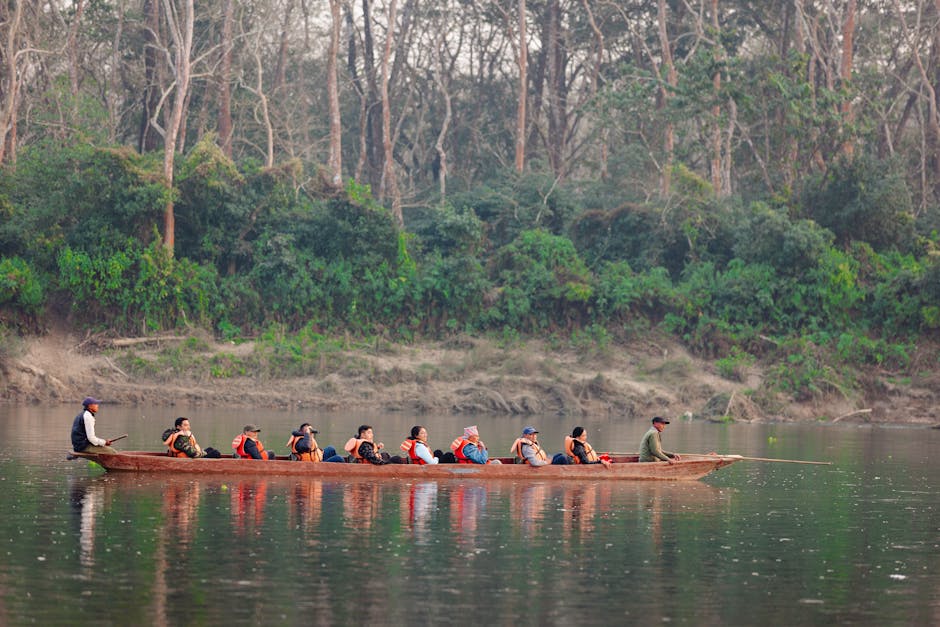
Spanning six countries, the Mekong offers a cultural river journey unlike any other. While not known for extreme rapids, its upper reaches in Laos and northern Thailand feature mild whitewater and access to ethnic minority villages.
Multi-day kayaking or traditional longboat trips allow travelers to witness daily life along the riverbanks—rice farming, fish harvesting, and temple rituals. The dry season (November to April) offers the best conditions. Avoid monsoon months when currents become dangerously strong.
The Franklin River, Tasmania
A UNESCO World Heritage site, the Franklin River is a wilderness paddling classic. This remote Tasmanian river flows through temperate rainforest and deep gorges, with challenging rapids and no road access.
Trips typically last 7 to 10 days and require solid backcountry skills. You’ll need to be self-sufficient, carrying all food and gear. The best time to go is January to March. Due to conservation efforts, visitor numbers are limited—book early with licensed operators.
Types of River Adventures to Consider
Whitewater Rafting
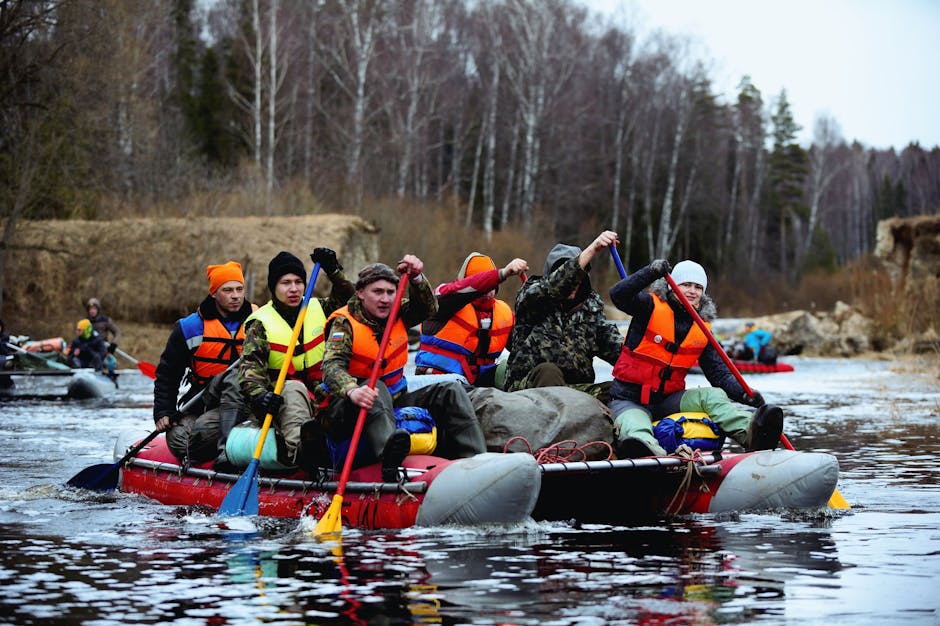
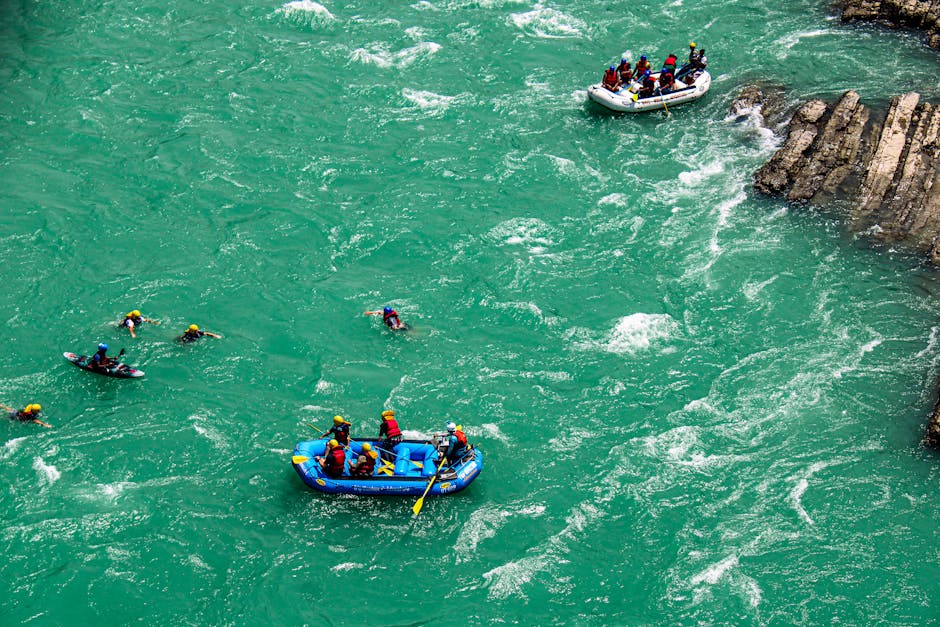
Whitewater rafting is the most popular river adventure, combining teamwork, adrenaline, and skill. Rapids are rated on a scale from Class I (easy) to Class VI (extremely dangerous). Most commercial trips operate between Class II and IV.
Beginners should start with guided trips on lower-class rivers like the American River in California or the Gauley River in West Virginia. Always wear a helmet and life jacket, and listen closely to your guide’s safety briefing.
Kayaking and Canoeing
Kayaking offers more control and intimacy with the water. Sea kayaks are stable and great for calm rivers or coastal estuaries, while whitewater kayaks are shorter and built for maneuvering rapids.
Canoeing is ideal for longer expeditions with gear, especially on slow-moving rivers like the Boundary Waters in Minnesota or the Allier River in France. Tandem canoes allow partners to share paddling duties, making it a social option.
Stand-Up Paddleboarding (SUP)
SUP has surged in popularity for river travel, especially on flatwater sections. It’s excellent for photography, wildlife observation, and low-impact exercise. Some outfitters now offer multi-day SUP camping trips on rivers like the San Juan in Utah.
Choose a wider, more stable board for river use. Practice self-rescue techniques—falling in current requires different skills than in still water. Always leash your board to prevent loss.
River Cruises with Adventure Focus
Not all river adventures require paddling. Small-ship cruises on rivers like the Danube, Nile, or Irrawaddy combine comfort with active excursions—kayaking to hidden coves, hiking to cliffside temples, or biking along river trails.
Look for “active cruising” lines that emphasize shore adventures over lounging. These trips often include local guides and cultural interactions, offering a balanced mix of relaxation and exploration.
Planning Your River Adventure
Assess Your Skill Level
Honesty about your experience is critical. Attempting a Class IV river with no prior training can be life-threatening. Start with beginner-friendly rivers and progress gradually.
Many outfitters offer skill assessments or introductory courses. Consider taking a weekend whitewater clinic before committing to a multi-day trip. Certifications from organizations like the American Canoe Association can boost your confidence and competence.
Choose the Right Season
River conditions vary dramatically by season. Spring snowmelt can create powerful flows, while summer droughts may reduce water levels. Research historical flow data for your target river.
In tropical regions, avoid monsoon seasons when flash floods are common. In temperate zones, late summer often offers the most stable weather. Always check local forecasts before departure.
Pack Smart for the Water
Your gear can make or break a river trip. Essentials include a properly fitted PFD (personal flotation device), quick-dry clothing, waterproof dry bags, and a first-aid kit.
Footwear matters—neoprene booties or river sandals provide grip and protection. Avoid cotton, which retains water and causes hypothermia. Bring sun protection: hats, sunglasses with retainers, and reef-safe sunscreen.
Respect Local Regulations and Culture
Many rivers flow through protected areas or indigenous lands. Obtain necessary permits, follow Leave No Trace principles, and respect local customs.
In places like the Mekong or Amazon, river communities rely on these waters for survival. Support local guides and businesses, and avoid littering or disturbing wildlife. A small gesture—like learning a few phrases in the local language—goes a long way.
Safety Tips Every River Traveler Should Know
Safety should always come first. Even on calm rivers, currents, cold water, and hidden obstacles pose risks. Never go alone—always travel with at least one other person.
Learn basic rescue techniques, such as how to perform a throw bag rescue or swim in current. Carry a whistle and know how to signal for help. In remote areas, consider a satellite communicator like a Garmin inReach.
Weather can change rapidly. If storms approach, get off the water immediately. Lightning is a real danger on open rivers. Have an evacuation plan and share your itinerary with someone on land.
Eco-Friendly River Travel Practices
Rivers are fragile ecosystems. Minimize your impact by packing out all trash, using biodegradable soap, and avoiding single-use plastics.
Stick to established campsites and avoid trampling vegetation. When fishing, follow catch-and-release guidelines and use barbless hooks. Support conservation organizations working to protect free-flowing rivers.
Choose outfitters with strong environmental policies. Many now use solar-powered camps, offset carbon emissions, and contribute to river cleanup initiatives.
Final Thoughts
River adventures offer more than just thrills—they provide a deeper connection to the natural world and the communities that call these waterways home. Whether you’re chasing rapids in Patagonia or quietly gliding past rice paddies in Laos, the river has a way of slowing time and sharpening your senses.
With careful planning, respect for safety, and a spirit of curiosity, your next river journey could be the most memorable trip of your life. Start small, build your skills, and let the current carry you to new horizons.
FAQ
What’s the best river for beginners?
The American River in California offers gentle Class II rapids and numerous guided tours, making it ideal for first-timers. Other beginner-friendly options include the New River in West Virginia and the Deschutes River in Oregon.
Do I need prior experience to go on a river trip?
Not necessarily. Many outfitters offer trips for all skill levels, including complete beginners. Look for “scenic float” or “introductory rafting” tours that focus on safety and enjoyment over technical difficulty.
How much does a multi-day river adventure cost?
Prices vary widely based on location, duration, and amenities. Expect to pay $150–$400 per day for guided trips in the U.S., and $100–$300 per day in international destinations. Budget for gear rentals, permits, and travel to launch points.