
Best Beach and Island Travel Routes for Scenic Coasts
Planning a coastal getaway? The best beach and island travel routes combine breathtaking ocean views, accessible transportation, and unforgettable stops along the way. Whether you’re driving a coastal highway, hopping ferries between islands, or exploring hidden coves on foot, choosing the right route can transform a simple trip into a scenic journey. This guide highlights top coastal routes across the globe—each offering unique landscapes, local culture, and reliable travel logistics. From the rugged shores of Maine to the turquoise lagoons of Thailand, these paths deliver both beauty and practicality for travelers seeking coastal adventures.
Why Scenic Coastal Routes Matter
Coastal travel routes aren’t just about getting from point A to B—they’re immersive experiences. Well-planned routes maximize time, reduce stress, and offer curated views of cliffs, beaches, and marine life. Travelers gain access to remote coves, seaside villages, and national parks that aren’t reachable by major highways.
Scenic routes also support sustainable tourism. By following established paths, visitors minimize environmental impact while supporting local economies through small inns, seafood shacks, and guided tours. A thoughtful route balances driving time, ferry schedules, and hiking opportunities to create a seamless, enjoyable journey.
Top Beach and Island Travel Routes Around the World
1. Pacific Coast Highway (California, USA)
The Pacific Coast Highway (PCH), also known as Highway 1, is one of the most iconic coastal drives in the world. Stretching from San Francisco to San Diego, it offers dramatic ocean views, redwood forests, and access to beaches like Big Sur and Santa Barbara.
Travelers can break up the drive with stops in Monterey for whale watching, Cambria for seaside art galleries, and Morro Bay for kayaking. The route includes several island-like peninsulas and state parks, such as Point Reyes and Pismo Beach. Allow at least five days to enjoy the full stretch without rushing.
Note: Some sections, like the Bixby Creek Bridge area, can be narrow and winding. Check road conditions in advance, especially after winter storms.
2. Great Ocean Road (Victoria, Australia)
Spanning 243 kilometers along Australia’s southeastern coast, the Great Ocean Road is a masterclass in coastal engineering and natural beauty. It begins in Torquay and ends near Warrnambool, passing the famous Twelve Apostles limestone stacks.
Along the way, travelers can explore the Otway Rainforest, surf at Bells Beach, or visit the charming town of Apollo Bay. The route is well-signposted with frequent rest areas and viewpoints. Public transport options are limited, so renting a car is recommended.
The road is prone to landslides during heavy rain. Always check VicRoads for closures before departure. For a quieter experience, travel between April and June or September and November.
3. Amalfi Coast Drive (Italy)
The SS163 coastal road hugs the cliffs between Sorrento and Salerno, offering panoramic views of the Tyrrhenian Sea. This narrow, winding route connects picturesque towns like Positano, Amalfi, and Ravello, each with its own beach access and historic charm.
While driving is popular, the road is tight and often congested. Many travelers opt for ferries between towns to avoid traffic and enjoy the coastline from the water. The ferry from Sorrento to Capri is especially scenic and avoids road congestion entirely.
Parking is scarce and expensive. Consider staying in one town and using local buses or ferries to explore. The route is best visited in shoulder seasons—May or September—to avoid summer crowds.
4. Ring Road with Westfjords Detour (Iceland)
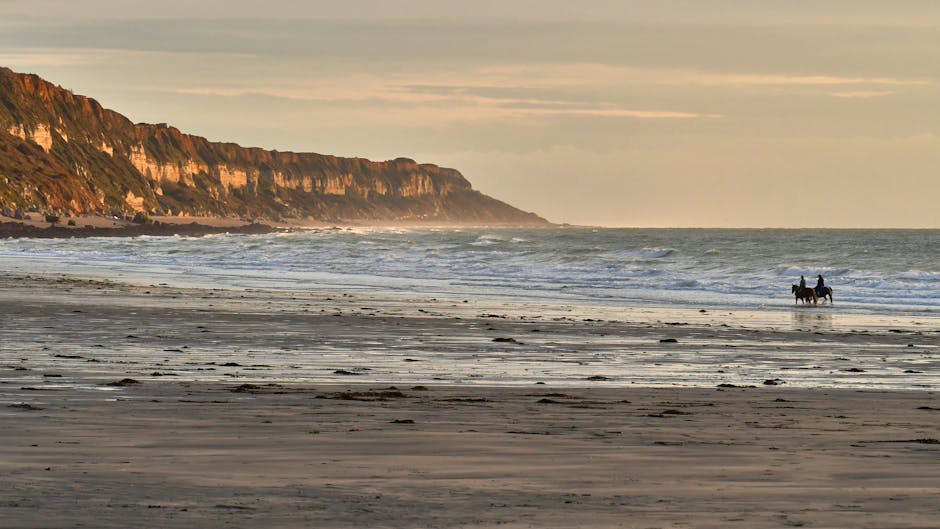
Iceland’s Ring Road (Route 1) circles the island and includes access to the remote Westfjords. This route offers black sand beaches, fjords, and puffin colonies. Key stops include Djúpivogur, Vík í Mýrdal, and the Snæfellsnes Peninsula.
The Westfjords add an extra 4–5 days to the journey but reward travelers with untouched landscapes and fewer tourists. Roads in this region are gravel in parts and require a 4×4 vehicle. Summer is the only viable season due to snow and ice in winter.
Ferry access to the Westfjords is available from Ísafjörður to the nearby islands of Vigur and Hrísey. These short trips offer birdwatching and quiet beaches.
5. Andaman Coast Island Hopping (Thailand)
Thailand’s Andaman Coast is a network of islands accessible by boat from Phuket, Krabi, and Phang Nga. The route from Phuket to Koh Phi Phi, then to Krabi and Koh Lanta, offers some of the world’s most photographed beaches.
Ferries run regularly between major islands, with travel times ranging from 30 minutes to 2 hours. Speedboats are faster but less stable in rough seas. The best time to travel is November to April, during the dry season.
Each island offers different experiences: Phuket for nightlife, Koh Phi Phi for dramatic cliffs, and Koh Lanta for quiet, family-friendly beaches. Book ferry tickets in advance during peak season.
6. Garden Route (South Africa)
Stretching from Mossel Bay to Storms River, South Africa’s Garden Route combines beaches, forests, and lagoons. The N2 highway runs parallel to the coast, with detours to towns like Knysna and Plettenberg Bay.
Travelers can kayak through Knysna’s lagoon, hike in Tsitsikamma National Park, or visit bungee jumping at Bloukrans Bridge. The route also includes access to Robberg Nature Reserve, known for its seals and coastal trails.
The area is malaria-free and safe for solo travelers. Renting a car is essential, as public transport is infrequent. The route is ideal for 7–10 days, with time to explore both nature and coastal towns.
7. Dalmatian Coast Ferry Network (Croatia)
Croatia’s Dalmatian Coast features over 1,000 islands, with ferries connecting major ports like Split, Hvar, Korčula, and Dubrovnik. The Jadrolinija ferry system offers regular, affordable routes between islands.
Hvar is known for its lavender fields and nightlife, while Korčula boasts medieval architecture and quiet coves. The island of Vis, once off-limits to tourists, now offers secluded beaches and fresh seafood.
Ferries can be crowded in July and August. Book tickets online in advance. Some smaller islands have limited accommodations, so plan stays carefully. The coastal drive from Zadar to Dubrovnik is also scenic and worth combining with island visits.
How to Plan Your Coastal Travel Route
Step 1: Define Your Travel Style
Are you looking for relaxation, adventure, or cultural immersion? Your priorities will shape your route. Beach lovers may prefer island hopping in Thailand, while road-trippers might enjoy the freedom of the Pacific Coast Highway.
Families often benefit from shorter drives and reliable ferry schedules. Solo travelers may prioritize safety and ease of navigation. Be honest about your comfort level with driving, language barriers, and remote accommodations.
Step 2: Research Transportation Options
Not all scenic routes require a car. In Croatia and Thailand, ferries are the primary mode of transport. In Iceland and Australia, renting a vehicle is nearly essential.
Compare costs: car rentals, fuel, tolls, and parking versus ferry tickets and guided tours. Some routes, like the Amalfi Coast, are better navigated by boat. Others, like the Garden Route, require a car for full access.
Always check vehicle requirements—some gravel roads in Iceland or mountain passes in Italy need 4x4s. Verify insurance coverage for coastal and island travel.
Step 3: Map Out Key Stops and Accommodations
Use mapping tools to plot beaches, viewpoints, and towns. Aim for 1–2 major stops per day to avoid fatigue. Include buffer time for weather delays or spontaneous detours.
Book accommodations in advance, especially in high season. Look for guesthouses or eco-lodges near the coast for easy beach access. In remote areas, confirm amenities like Wi-Fi and water supply.
Pack essentials: sunscreen, reusable water bottles, waterproof bags, and local SIM cards for navigation. Coastal weather can change quickly—bring layers even in summer.
Step 4: Prepare for Weather and Sea Conditions
Coastal routes are vulnerable to storms, high tides, and fog. Check marine forecasts and road conditions daily. In hurricane-prone areas like the Gulf Coast, avoid travel during storm season.
Ferry services may be canceled due to rough seas. Have backup plans, such as inland accommodations or flexible tickets. Always carry emergency supplies, especially in remote areas.
Sun exposure is intense near water. Wear UV-protective clothing and reapply sunscreen every two hours. Stay hydrated—salt air can be dehydrating.
Hidden Gems and Lesser-Known Routes
The Wild Atlantic Way (Ireland)
Ireland’s Wild Atlantic Way spans 2,500 kilometers from Donegal to Cork. It includes dramatic cliffs, sandy beaches, and historic castles. The route is divided into 14 stages, each with unique highlights.
Highlights include the Cliffs of Moher, the Ring of Kerry, and the Dingle Peninsula. Many sections are accessible by car, with well-marked signs and visitor centers. Public buses connect major towns, but a car offers more flexibility.
The route is best traveled from May to September. Winter driving can be hazardous due to rain and fog. Pack waterproof gear and allow extra time for delays.
The Emerald Coast (Florida, USA)
Stretching from Pensacola to Panama City, Florida’s Emerald Coast features sugar-white sand and calm Gulf waters. The route is less crowded than the Atlantic side and ideal for families.
Key towns include Destin, known for deep-sea fishing, and Seaside, a planned community with pastel cottages. The area offers kayaking, dolphin tours, and state parks like Henderson Beach.
Hurricane season runs from June to November. Monitor forecasts and avoid travel during active storms. The route is easily accessible by car, with plenty of parking and amenities.
The Whitsunday Islands (Australia)
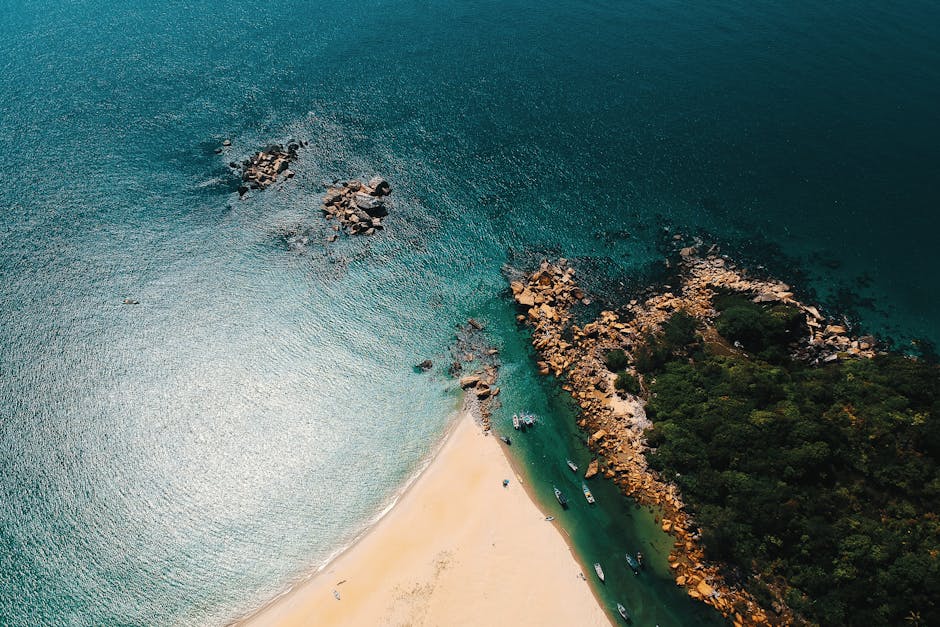
Located off Queensland’s coast, the Whitsundays are a group of 74 islands in the heart of the Great Barrier Reef. The most famous is Whitehaven Beach, known for its silica sand and turquoise water.
Access is via ferry from Airlie Beach or Hamilton Island. Day cruises and sailing charters are popular. Overnight stays are available on Hamilton and Hayman Islands.
Book early during school holidays. The dry season (May to October) offers the best weather. Be mindful of reef-safe sunscreen to protect marine life.
Travel Tips for Coastal and Island Routes
Start early to avoid crowds and make the most of daylight. Many scenic viewpoints and beaches are busiest between 10 a.m. and 4 p.m.
Respect local customs and environmental rules. On islands, water and electricity may be limited. Avoid single-use plastics and pack out all trash.
Support local businesses. Eat at family-run restaurants, buy handmade souvenirs, and use local guides. This helps sustain communities and preserves cultural heritage.
Always have a backup plan. Weather, ferry cancellations, or road closures can disrupt even the best itineraries. Flexibility is key to a stress-free trip.
FAQ
What’s the best time of year to travel coastal routes?
The ideal time depends on the region. In the Northern Hemisphere, May to September offers warm weather and long days. In the Southern Hemisphere, November to March is best. Always avoid hurricane or monsoon seasons.
Do I need a car for island hopping?
Not always. In places like Croatia and Thailand, ferries and local transport are sufficient. However, a car is recommended for mainland coastal drives in Australia, Iceland, or the USA to access remote areas.
How can I stay safe on remote coastal routes?
Check weather forecasts daily, carry emergency supplies, and inform someone of your itinerary. Use reliable navigation apps and avoid driving at night on unfamiliar roads. Stick to marked trails when hiking near cliffs.