
Best Beach and Island Travel Spots for Ocean Breezes
Looking for a refreshing escape where the air is as much a highlight as the scenery? The best beach and island travel spots for ocean breezes offer more than just sun and sand—they deliver a constant, soothing airflow that keeps you cool, clears your mind, and enhances every moment of your getaway. From tropical archipelagos to rugged coastal retreats, these destinations are chosen not only for their beauty but for their reliable, gentle sea winds that make outdoor time effortless and enjoyable.
Why Ocean Breezes Matter on Your Beach Vacation
Ocean breezes are more than a pleasant sensation—they’re a key factor in comfort, especially in warm climates. A steady coastal wind can reduce humidity, lower the perceived temperature, and keep insects at bay, making your time outdoors far more enjoyable.
These breezes also contribute to the overall ambiance. The sound of rustling palms, the scent of salt in the air, and the feeling of a cool gust on a hot day elevate the experience from ordinary to memorable. For travelers seeking relaxation without the swelter, choosing a destination known for consistent ocean winds is essential.
Top Beach and Island Destinations with Reliable Ocean Breezes
1. Kauai, Hawaii – The Garden Isle
Kauai’s north shore, particularly around Hanalei Bay, is renowned for its steady trade winds that sweep across the island from the northeast. These breezes are strongest in the summer months, making it ideal for wind sports like kiteboarding and sailing.
The island’s lush landscapes and dramatic cliffs are complemented by a natural airflow that keeps the heat manageable. Even during peak tourist season, visitors report noticeably cooler conditions near the shore thanks to the constant ocean breeze.
2. Santorini, Greece – Cliffside Serenity
Perched on volcanic cliffs overlooking the Aegean Sea, Santorini benefits from consistent Mediterranean winds, especially in the afternoons. The island’s iconic white-washed buildings are designed to catch these breezes, creating natural cooling.
Areas like Oia and Imerovigli offer unobstructed sea views and refreshing airflow, perfect for evening strolls or dining al fresco. The wind is gentle enough for comfort but strong enough to prevent stagnation, especially during the hot summer months.
3. The Maldives – Overwater Calm
With over 1,000 coral islands scattered across the Indian Ocean, the Maldives enjoys steady sea breezes year-round. The equatorial location ensures consistent airflow, particularly during the dry season from November to April.
Resorts on islands like Maafushi or Dhigurah are built to take advantage of these winds, with open-air villas and thatched roofs designed for ventilation. The breeze enhances the tropical experience without the need for air conditioning.
4. Tulum, Mexico – Caribbean Refreshment
Located on the Yucatán Peninsula, Tulum sits on a stretch of coastline that benefits from regular easterly trade winds. These breezes are most noticeable between May and October, coinciding with the region’s warmest months.
Beachfront cabanas and open-air restaurants are common here, designed to maximize airflow. The wind also helps reduce humidity, making sunbathing and swimming more comfortable even at midday.
5. Lord Howe Island, Australia – Subtropical Peace
This UNESCO World Heritage site, located between Australia and New Zealand, enjoys a mild climate and reliable southeast winds. The island’s small size and surrounding coral reef help channel ocean breezes across its beaches and walking trails.
With no high-rise buildings and strict development limits, the natural airflow remains unobstructed. Visitors often note how the breeze makes even summer hikes enjoyable and refreshing.
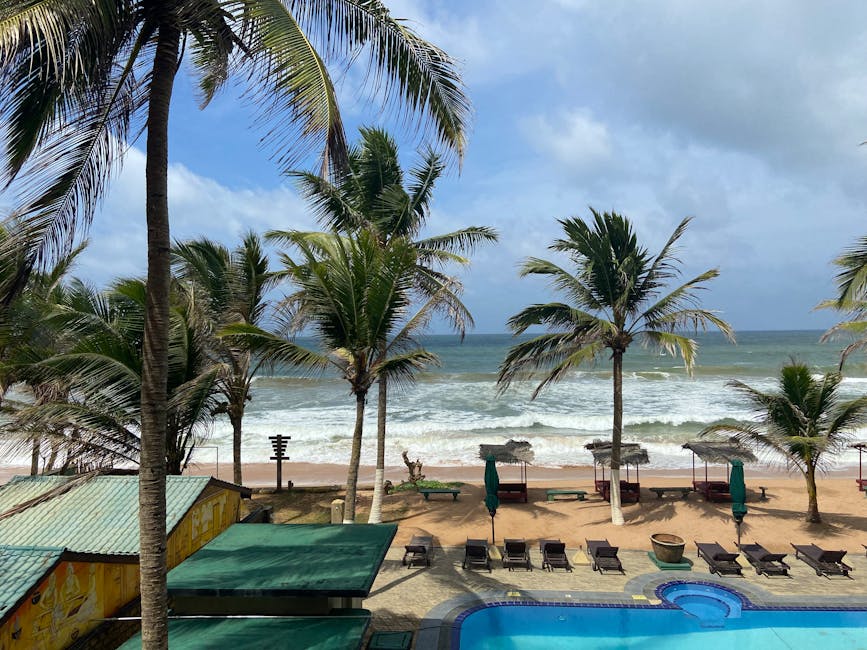
6. Amalfi Coast, Italy – Mediterranean Zephyrs
Stretching along Italy’s rugged southern coast, the Amalfi Coast benefits from afternoon sea breezes that roll in from the Tyrrhenian Sea. Towns like Positano and Amalfi are built into cliffs, allowing wind to flow naturally through narrow streets and terraces.
The breeze is especially welcome during July and August, when inland temperatures can soar. Outdoor cafes and seaside paths remain pleasant well into the evening thanks to this coastal airflow.
7. Fernando de Noronha, Brazil – Atlantic Refreshment
This remote archipelago off Brazil’s coast is known for its strong, consistent Atlantic winds. The islands’ volcanic origin and oceanic location create ideal conditions for steady breezes, particularly on the eastern shores.
Popular spots like Baía do Sancho and Praia do Boldró are not only stunning but also naturally cooled by ocean winds. The breeze supports local marine life and keeps the climate comfortable for snorkeling and hiking.
How to Choose the Right Destination for Ocean Breezes
Consider the Season
Ocean breezes vary by season and geography. In tropical regions, trade winds are most consistent from late spring to early fall. In Mediterranean climates, afternoon sea breezes peak in summer.
Check historical wind data or traveler reviews for your target destination. Websites like Windy.com or local tourism boards often provide seasonal wind patterns to help you plan.
Look for Geographic Features
Islands and coastal areas with open exposure to prevailing winds—such as those facing east in the tropics—tend to have stronger and more reliable breezes. Peninsulas, headlands, and elevated shorelines also enhance airflow.
Avoid destinations surrounded by mountains or dense development, which can block or disrupt natural wind patterns. Open coastlines and low-lying islands typically offer the best ventilation.
Prioritize Wind-Friendly Activities
If you’re planning to sail, kiteboard, or simply lounge on the beach, choose a spot known for consistent breezes. Some resorts even advertise “breezy beachfronts” or “natural cooling” as a feature.
Ask locals or tour operators about wind conditions during your intended travel dates. Real-time feedback can help you avoid disappointment.
What to Pack for a Breezy Beach Vacation
Lightweight, Breathable Clothing
Opt for natural fabrics like cotton, linen, and bamboo that allow airflow and wick moisture. Loose-fitting shirts, sarongs, and wide-brimmed hats help you stay cool without sacrificing style.
Even in warm climates, a light shawl or cardigan can be useful during breezy evenings when temperatures dip slightly.
Wind-Resistant Accessories
Secure hats with straps, use sunglasses with wraparound frames, and avoid loose items that could blow away. A small, foldable tote with a zip closure keeps essentials safe.
If you’re planning water activities, consider a rash guard or windbreaker designed for ocean sports. These provide sun protection and wind resistance without overheating.
Sun Protection That Stays Put
Choose water-resistant sunscreen and apply it generously, especially on windy days when you may not feel the sun’s intensity as much. Reapply every two hours or after swimming.
Lip balm with SPF and after-sun moisturizers are also important, as ocean breezes can dry out skin quickly.
Common Mistakes to Avoid
Overlooking Local Microclimates
Even within the same island, wind conditions can vary. A beach on the windward side may be breezy and cool, while the leeward side is calm and hot. Research specific areas before booking accommodations.
For example, in Hawaii, the north shore of Oahu is windier than the south shore. In Greece, islands like Mykonos are windier than Crete.
Ignoring Weather Forecasts
While many destinations have predictable breezes, weather can change. Check short-term forecasts before heading to the beach, especially during transitional seasons.
Sudden shifts in wind direction or speed can affect comfort and safety, particularly for water sports or open-air dining.
Choosing the Wrong Accommodation
Not all beachfront properties are created equal. Some are shielded by dunes, buildings, or vegetation that block airflow. Look for reviews that mention “ocean breeze,” “natural cooling,” or “open-air design.”
Resorts with elevated decks, open windows, and minimal window coverings tend to offer better ventilation.
Tips for Maximizing Your Breezy Beach Experience
Time Your Outings Wisely
Ocean breezes are often strongest in the afternoon, especially between 2 PM and 6 PM. Plan beach walks, picnics, or outdoor meals during these hours for the best comfort.
Early mornings may be calmer, which is ideal for photography or quiet reflection, but less refreshing if you’re seeking a cooling effect.
Use the Breeze to Your Advantage
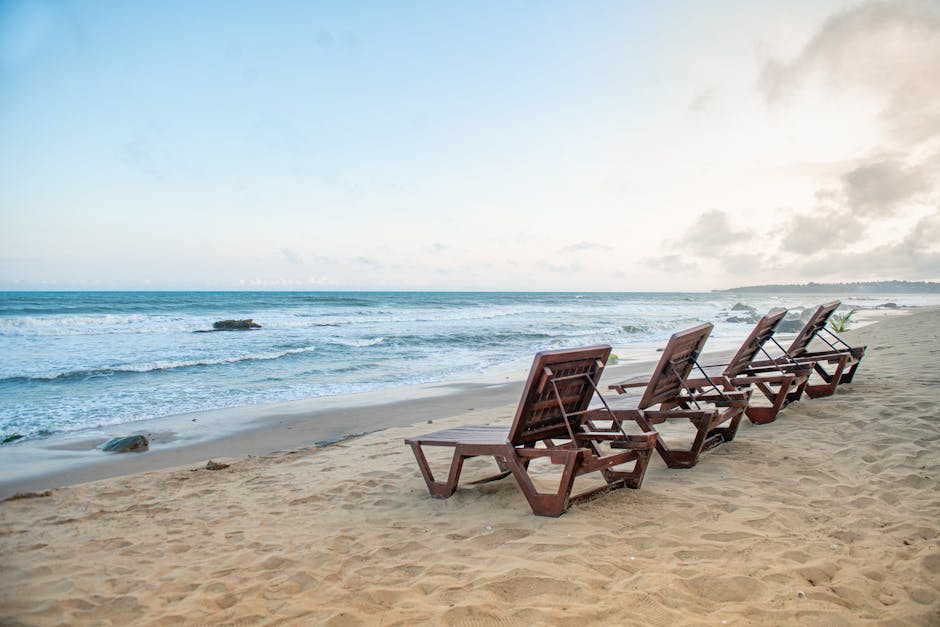
Position your beach chair or towel perpendicular to the wind to catch the full effect. Avoid sitting directly under umbrellas or tents that block airflow.
If you’re dining outdoors, choose a table on the windward side of a restaurant to enjoy both the view and the breeze.
Stay Hydrated and Cool
Even with a breeze, it’s easy to become dehydrated in the sun. Drink water regularly and consider electrolyte supplements if you’re active.
Bring a portable fan or misting bottle for extra relief, especially if you’re sensitive to heat.
Final Thoughts
The best beach and island travel spots for ocean breezes combine natural beauty with refreshing airflow, creating an ideal environment for relaxation and adventure. Whether you’re drawn to the trade winds of the Caribbean, the Mediterranean zephyrs of Greece, or the steady Atlantic gusts of Brazil, choosing a destination with reliable ocean breezes can transform your vacation.
By considering seasonal patterns, geographic features, and local conditions, you can ensure your trip is as comfortable as it is memorable. Pack smart, plan wisely, and let the ocean breeze carry you into a state of calm.
FAQ
What time of year has the strongest ocean breezes?
In most tropical and subtropical regions, ocean breezes are strongest during the summer months, typically from May to September. This is when temperature differences between land and sea are greatest, driving consistent airflow. However, local patterns vary, so check destination-specific data before traveling.
Can ocean breezes help with sun protection?
While ocean breezes don’t block UV rays, they can reduce the feeling of heat, making it easier to stay in the sun longer without overheating. However, you still need sunscreen, hats, and protective clothing, as UV exposure remains high near water and sand.
Are ocean breezes good for people with allergies or asthma?
Ocean breezes can be beneficial for some people with respiratory sensitivities, as sea air is often cleaner and less polluted than urban air. However, wind can also stir up pollen, sand, or salt particles, which may trigger symptoms in others. Consult a healthcare provider if you have concerns.