
Best Travel Tips for Traveling With Only Carry On Bags
Traveling with only carry-on luggage saves time, money, and stress. You avoid checked bag fees, reduce the risk of lost luggage, and breeze through airports without waiting at baggage claim. With smart planning and the right strategies, you can pack everything you need in a single bag that fits overhead bins or under the seat.
This guide covers practical, field-tested tips to help you travel light without sacrificing comfort or preparedness. Whether you’re taking a weekend getaway or a month-long trip, these methods will help you pack efficiently and move confidently through your journey.
Why Travel With Just a Carry On?
Carry-on-only travel offers clear advantages. Airlines often charge $30–$50 per checked bag each way, so skipping checked luggage can save you over $100 on a round trip. You also eliminate the risk of delayed or misplaced bags—a common frustration at busy airports.
Traveling light means faster boarding, easier navigation through terminals, and more flexibility when changing plans. If you’re hopping between cities or using public transit, a single bag is far easier to manage than multiple suitcases.
Save Money on Airline Fees
Most major airlines allow one personal item and one carry-on bag at no extra cost. Budget carriers like Spirit or Ryanair may charge for overhead bin space, but even then, the fee is usually lower than checking a bag.
By packing only what fits in your carry-on, you avoid surprise charges and stay within budget. Over time, these savings add up—especially for frequent travelers.
Avoid Lost or Delayed Luggage
The U.S. Department of Transportation reports thousands of mishandled bags each year. While airlines work to improve tracking, lost luggage remains a real risk, particularly during tight connections or peak travel seasons.
When you carry your bag on board, you keep your belongings with you at all times. This is especially valuable for trips where you can’t afford delays—like business meetings or once-in-a-lifetime events.
Choose the Right Carry-On Bag
Not all carry-on bags are created equal. The ideal bag fits airline size restrictions, maximizes space, and suits your travel style.
Standard U.S. airlines allow carry-ons up to 22 x 14 x 9 inches. International carriers may have slightly smaller limits, so always check your airline’s policy before packing.
Hard Shell vs. Soft Shell
Hard-shell suitcases protect fragile items and resist crushing, but they offer less flexibility. Soft-shell bags can squeeze into tight spaces and often have external pockets for quick access.
For most travelers, a soft-shell carry-on with compression zippers and multiple compartments provides the best balance of durability and adaptability.
Wheeled vs. Backpack-Style
Wheeled bags are easier on long walks through terminals, especially if you have mobility concerns. However, they can be awkward on uneven terrain or stairs.
Backpack-style carry-ons offer better maneuverability in crowded spaces and are ideal for city travel or destinations with cobblestone streets. Some models even convert into daypacks.
Master the Art of Packing Light
Packing efficiently starts with knowing what to bring—and what to leave behind. Focus on versatility, layering, and multi-use items.
Start by listing essentials: clothing, toiletries, electronics, and documents. Then, eliminate duplicates and non-essentials. If you haven’t used it in the past six months, you probably don’t need it on your trip.
Use the 5-4-3-2-1 Rule
The 5-4-3-2-1 packing method simplifies decision-making: pack 5 tops, 4 bottoms, 3 pairs of shoes, 2 outerwear pieces, and 1 hat. This system ensures variety without overpacking.
Choose neutral colors that mix and match easily. A black blazer, for example, can dress up jeans or pair with slacks for a business meeting.
Roll, Don’t Fold
Rolling clothes instead of folding saves space and reduces wrinkles. It also makes it easier to see all your items at a glance, preventing overpacking.
For dress shirts or suits, use packing folders or garment folders to maintain structure. These tools help compress formal wear while minimizing creases.
Pack Shoes Strategically
Shoes take up valuable space. Limit yourself to two or three pairs: one for walking, one for dress, and optionally, one for specific activities like hiking or swimming.
Stuff socks or small items inside shoes to maximize space. Use shoe bags to keep dirt off your clothes.
Maximize Your Personal Item
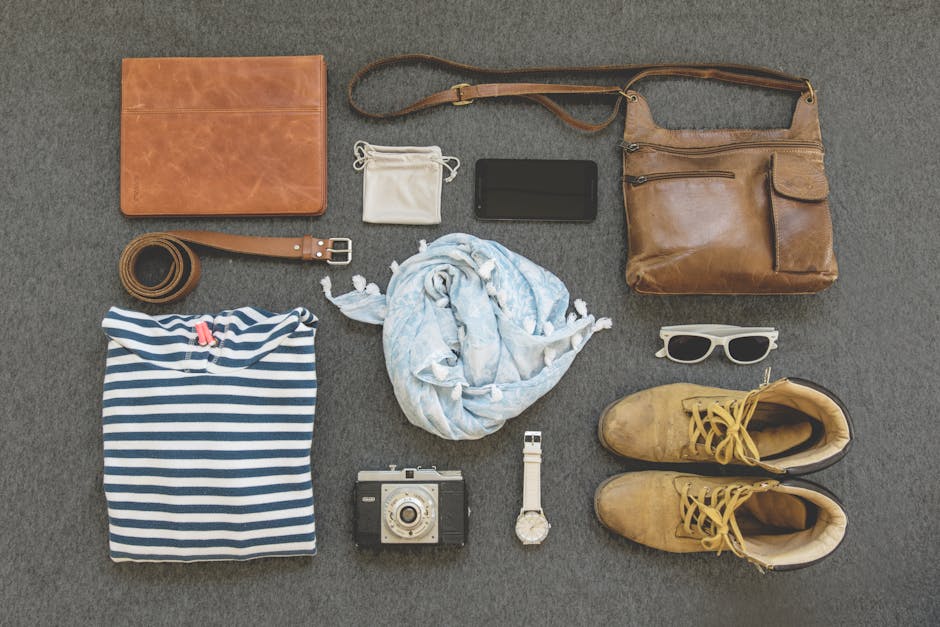
Your personal item—like a backpack, tote, or laptop bag—is a powerful ally. Use it wisely to carry items you need during the flight or upon arrival.
Ideal contents include your passport, boarding pass, phone charger, medications, a change of clothes, and snacks. This ensures you’re prepared even if your carry-on is gate-checked.
Choose a Smart Personal Item
Look for a bag with a laptop sleeve, water bottle pocket, and organizational compartments. A slim backpack that fits under the seat is ideal for most travelers.
Avoid oversized totes or duffels that won’t fit in tight spaces. Measure your bag before flying to ensure compliance.
Keep Essentials Accessible
Store items you’ll need during the flight—headphones, book, snacks—in an outer pocket. Keep your passport and boarding pass in a quick-access sleeve.
This reduces fumbling at security and makes boarding smoother. You’ll also appreciate easy access to a jacket or blanket on chilly flights.
Pack Toiletries the Smart Way
Liquids must follow the TSA’s 3-1-1 rule: containers no larger than 3.4 ounces (100ml), all fitting in one quart-sized clear bag.
Solid toiletries like shampoo bars, toothpaste tablets, and deodorant sticks bypass liquid restrictions entirely. They’re also more eco-friendly and less likely to leak.
Use Travel-Sized Containers
Transfer full-size products into smaller bottles. Label each container to avoid confusion. Silicone travel bottles are reusable and collapse when empty.
Buy travel-sized versions of your favorite products when available. Many brands offer mini shampoos, conditioners, and skincare items designed for travelers.
Consider Multi-Use Products
A 2-in-1 shampoo and conditioner saves space. A tinted moisturizer with SPF replaces foundation and sunscreen. A single cleanser can double as face and body wash.
These combinations reduce the number of items you need to pack and simplify your routine.
Dress for Versatility and Comfort
Your wardrobe should adapt to different settings—business meetings, dinners, sightseeing—without requiring a full closet.
Choose wrinkle-resistant fabrics like merino wool, polyester blends, or performance knits. These materials look polished even after hours in a suitcase.
Layer Smartly
Pack lightweight layers instead of bulky items. A cardigan, scarf, or packable down jacket can add warmth without taking up much space.
Wear your bulkiest items—like boots or a coat—on travel days. This frees up room in your bag and keeps you comfortable during transit.
Stick to a Color Palette
Build your wardrobe around 2–3 base colors. Navy, gray, black, and white mix well and create multiple outfit combinations.
Add one or two accent colors for variety. A red scarf or patterned shirt can refresh a neutral outfit without requiring extra pieces.
Use Packing Accessories
The right tools make packing easier and more efficient. Invest in a few key accessories to stay organized and save space.
compression packing cubes reduce bulk by squeezing air out of clothing. They also keep items sorted—separate cubes for tops, bottoms, and underwear.
Packing Cubes
Choose cubes in different sizes to match your needs. Small ones work well for socks and accessories; larger ones hold shirts and pants.
Color-coding cubes by category helps you find items quickly. Some travelers assign one color per day of the trip.
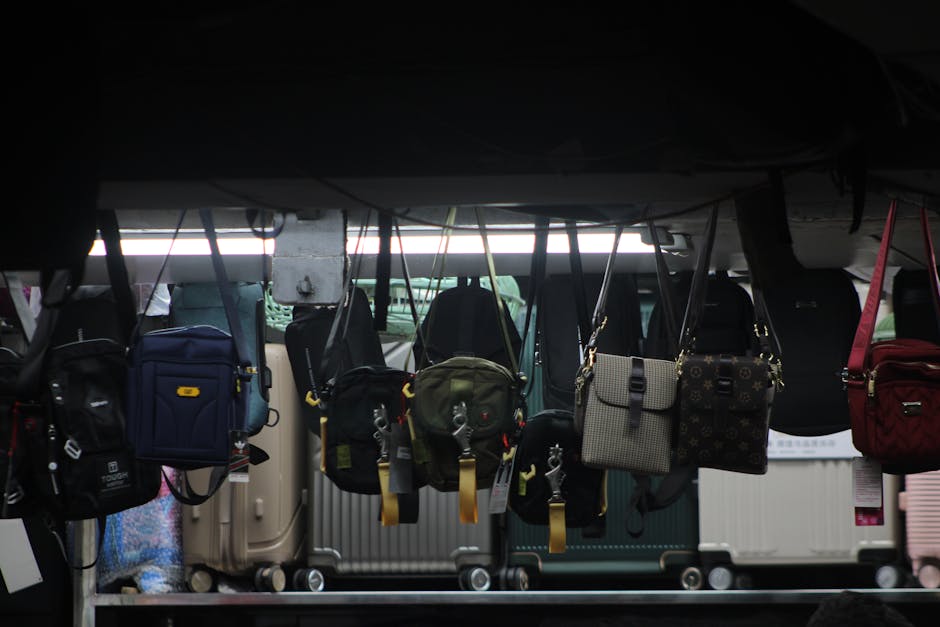
Zipper Bags and Pouches
Use clear zipper bags for toiletries, electronics, or loose items. They’re lightweight, reusable, and TSA-friendly.
Silk or mesh laundry bags protect delicates and can double as dirty laundry storage on the return trip.
Plan for Laundry on the Road
You don’t need a fresh outfit every day. Washing clothes during your trip extends your wardrobe and reduces what you pack.
Pack a small bottle of concentrated detergent or use shampoo to hand-wash items in the sink. Hang them to dry overnight with a portable clothesline or hanger.
Quick-Dry Fabrics
Choose clothing made from quick-dry materials. These fabrics dry in a few hours and resist odors, making them ideal for extended travel.
Merino wool and synthetic blends are excellent choices. Avoid cotton, which holds moisture and takes longer to dry.
Use Hotel Amenities
Many hotels offer laundry services or self-service machines. Check with the front desk for options and pricing.
Some hostels and Airbnb rentals include washing machines. Plan your packing around access to laundry facilities when possible.
Stay Organized During Your Trip
Organization prevents chaos and saves time. Keep your bag tidy with consistent routines and smart habits.
Unpack as little as possible. Use packing cubes to keep items grouped, and return things to their place after use.
Daily Reset Routine
Each morning, do a quick reset: repack your personal item, check for forgotten items, and ensure your carry-on is ready for the day.
This habit prevents last-minute scrambles and keeps your belongings secure.
Keep Documents Together
Use a travel wallet or folder for your passport, boarding passes, tickets, and insurance cards. Store it in an easy-to-reach pocket.
Digital backups are helpful—scan important documents and save them in a secure cloud folder.
Know Airline Rules and Restrictions
Every airline has slightly different carry-on policies. Always check size, weight, and item restrictions before you fly.
Some airlines measure carry-ons with a sizer at the gate. If your bag doesn’t fit, you may be forced to check it—even if it was allowed at home.
Weight Limits
While U.S. airlines rarely enforce carry-on weight limits, international carriers often do. Budget airlines like Ryanair and EasyJet may charge extra for heavy bags.
Weigh your bag at home using a bathroom scale. Aim to stay under 15–20 pounds to avoid issues.
Prohibited Items
Sharp objects, flammable materials, and large liquids are banned from carry-ons. Check the TSA or your local aviation authority’s website for a full list.
When in doubt, pack it in checked luggage—or leave it at home.
Prepare for Security Screening
Airport security can slow you down if you’re not prepared. Know what to expect and pack accordingly.
Liquids, gels, and aerosols must be in the quart-sized bag and removed from your carry-on during screening. Place it in a bin for X-ray inspection.
Electronics and Laptops
Laptops and large electronics must be removed and screened separately. Keep them in an easy-access pocket or use a bag with a dedicated laptop sleeve.
Smaller devices like tablets or e-readers may stay in your bag, depending on the airport.
Wear Easy-On Shoes
You’ll likely need to remove your shoes at security. Choose slip-ons or shoes with elastic laces to speed up the process.
Avoid boots or shoes with multiple buckles or laces unless absolutely necessary.
Pack for Different Trip Types
Your packing strategy should match your destination and activities. A business trip requires different items than a beach vacation or hiking adventure.
Tailor your list to the climate, culture, and planned activities. Research local customs—some destinations require modest clothing or specific footwear.
Business Travel
Pack wrinkle-resistant dress shirts, a blazer, and polished shoes. Bring a portable steamer or wrinkle-release spray to freshen clothes.
Include a power bank and universal adapter for international trips. Keep presentation materials or devices in your personal item.
Beach or Resort Vacation
Focus on swimwear, cover-ups, sunscreen, and sandals. Pack a reusable water bottle and a lightweight tote for beach days.
Leave bulky towels at home—most resorts provide them. Use a waterproof bag for wet items.
Adventure or Outdoor Travel
Prioritize durable, moisture-wicking clothing and sturdy footwear. Pack a first-aid kit, headlamp, and compact rain jacket.
Use a backpack-style carry-on for better mobility on trails or uneven paths.
Final Tips for Stress-Free Travel
Traveling with only a carry-on takes practice, but it becomes second nature with experience. Start with shorter trips to refine your system.
Pack the night before to avoid last-minute additions. Lay out your clothes and check your list twice.
Leave Room for Souvenirs
Don’t fill your bag to the brim. Leave 10–15% of space for purchases or gifts. Compression cubes can help squeeze in a few extra items on the return trip.
Consider shipping heavier souvenirs home instead of carrying them.
Stay Flexible
Even the best-laid plans can change. If you realize you’ve overpacked, do a mid-trip edit. Leave non-essentials at your accommodation or donate them.
Remember: you can usually buy what you need at your destination. Traveling light is about freedom, not deprivation.
FAQ
Can I bring a carry-on on every flight?
Most commercial flights allow one carry-on and one personal item. However, some regional or budget airlines have stricter policies. Always check your airline’s rules before flying.
What happens if my carry-on is too big?
If your bag exceeds size limits, you may be asked to check it at the gate. This is free on most major airlines, but you’ll still need to wait at baggage claim upon arrival.
How can I fit everything I need in one bag?
Focus on versatile clothing, use packing cubes, and wear your bulkiest items. Plan to do laundry during your trip and choose multi-use products to reduce bulk.