
Clear Destination Guide to Warsaw for History Lovers
Warsaw, Poland’s resilient capital, is a living museum of European history. From medieval roots to WWII destruction and postwar rebirth, the city offers a layered narrative that captivates history enthusiasts. This guide highlights essential sites, walking routes, and lesser-known stories that bring Warsaw’s past to life. Whether you’re tracing the footsteps of resistance fighters or exploring reconstructed Old Town alleys, Warsaw delivers a powerful, immersive historical experience.
Why Warsaw Is a Must-Visit for History Enthusiasts
Few cities have endured—and rebuilt—as dramatically as Warsaw. Over 85% of the city was destroyed during World War II, yet it rose from rubble with astonishing determination. Today, its UNESCO-listed Old Town stands as a testament to collective memory and cultural revival.
Beyond war history, Warsaw reveals layers of royal legacy, Jewish heritage, communist-era architecture, and modern transformation. It’s not just about monuments—it’s about understanding how a city reinvented itself while honoring its scars.
Top Historical Sites in Warsaw
Old Town (Stare Miasto)
The heart of Warsaw’s historic core was meticulously reconstructed after WWII using 18th-century paintings and archival documents. Walking its cobbled streets feels like stepping into a time capsule.
Key landmarks include the Royal Castle, once home to Polish monarchs, and the Market Square, where medieval traders once gathered. Don’t miss the Barbican—a fortified outpost that once protected the city walls.
Warsaw Uprising Museum
This award-winning museum chronicles the 63-day 1944 uprising against Nazi occupation. Interactive exhibits, personal testimonies, and original artifacts create an emotionally resonant experience.
Allow at least two hours. The film “The Unconquered” offers a powerful overview, especially for first-time visitors. Audio guides are available in multiple languages.
Polin Museum of the History of Polish Jews
Housed in a striking modern building near the Monument to the Ghetto Heroes, Polin tells 1,000 years of Jewish life in Poland. Exhibits span from medieval settlements to the Holocaust and postwar revival.
The core exhibition is chronological and highly immersive. Allow three hours for a thorough visit. Free entry on Thursdays after 2 PM.
Royal Łazienki Park and Palace
Once the summer residence of King Stanisław August Poniatowski, this 18th-century complex blends neoclassical architecture with serene gardens. The palace on the water—Łazienki Królewskie—is a masterpiece of Polish design.
Free classical concerts are held in the park every Sunday at noon from May to September. Arrive early for a good seat.
Palace of Culture and Science
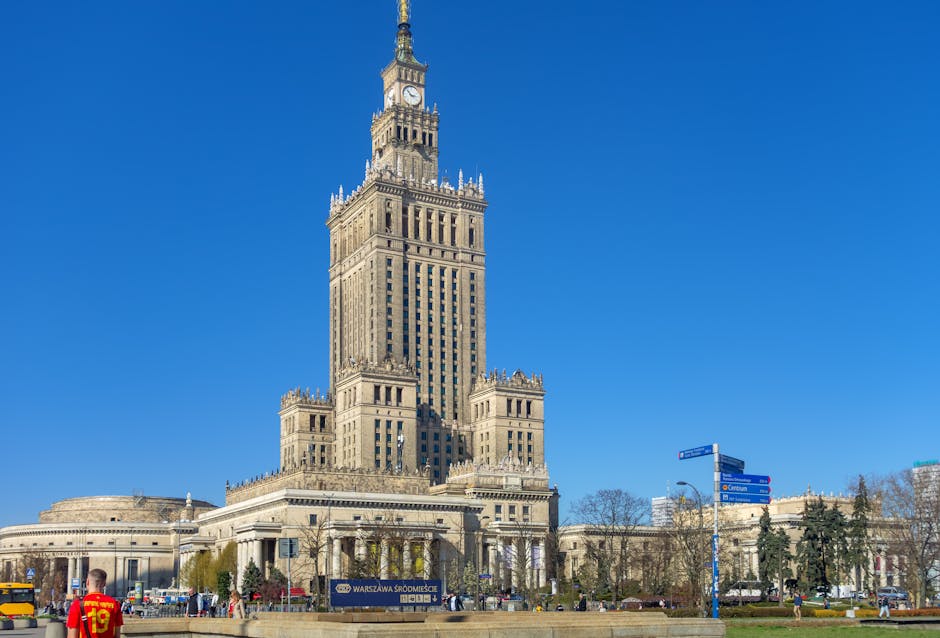
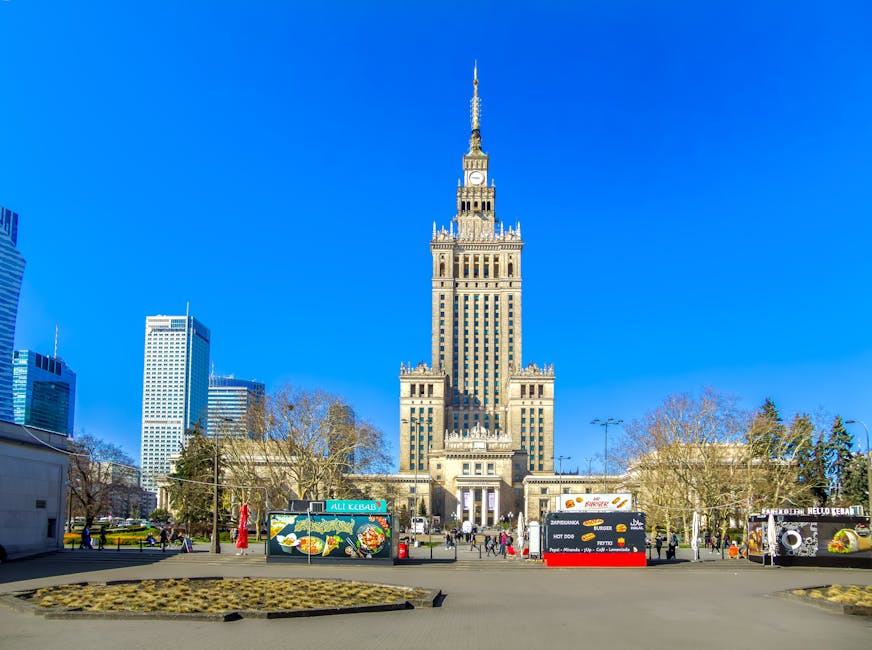
A controversial gift from Stalin in 1955, this towering Soviet-era skyscraper dominates Warsaw’s skyline. Love it or loathe it, it’s a defining symbol of the communist period.
Visit the 30th-floor observation deck for panoramic city views. The building also houses theaters, cinemas, and a science center—proof of its enduring civic role.
Walking Routes for Historical Immersion
The Royal Route (Trakt Królewski)
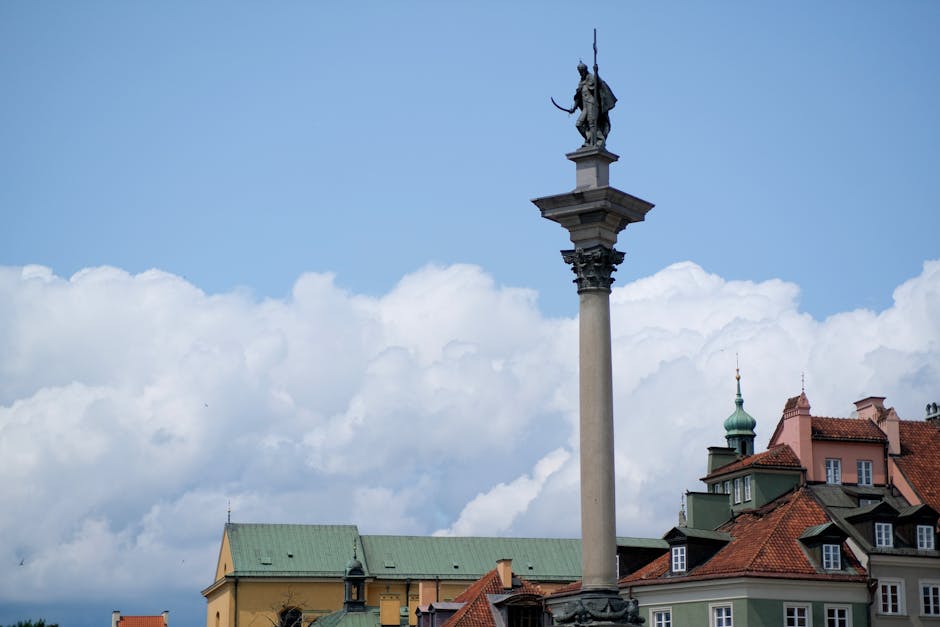
Stretching from the Royal Castle to Wilanów Palace, this 4-kilometer avenue connects centuries of Polish history. Lined with embassies, cafes, and historic townhouses, it’s ideal for a half-day stroll.
Start at Castle Square, pass through Krakowskie Przedmiescie and Nowy Świat streets, and end at Wilanów—a Baroque palace often called the “Polish Versailles.”
Jewish Heritage Trail
Begin at the Nożyk Synagogue—the only prewar synagogue still functioning in Warsaw. Walk to the Ghetto Heroes Monument, then continue to the Umschlagplatz memorial, where Jews were deported to Treblinka.
End at the Polin Museum. This route takes 2–3 hours and requires emotional readiness. Wear comfortable shoes and carry water.
Communist-Era Architecture Tour
Explore MDM and Muranów districts, built in the 1950s as model socialist neighborhoods. Look for mosaics, communal courtyards, and propaganda motifs embedded in concrete facades.
Compare these with postwar modernist developments like the Warsaw Central Station area. Guided tours are available through local operators like Warsaw Walks.
Hidden Gems and Lesser-Known Stories
Pawiak Prison Museum
Once a notorious Gestapo prison, Pawiak held thousands of Polish resistance fighters. The museum occupies the reconstructed gatehouse and displays prison cells, personal effects, and execution records.
It’s a somber but essential stop for understanding wartime resistance. Combine with a visit to the nearby Warsaw Uprising Museum.
Praga District
Across the Vistula River, Praga survived WWII relatively intact. Its prewar tenements, street art, and working-class vibe offer a contrast to the reconstructed center.
Visit the Neon Museum to see restored Cold War–era signs, or explore the Koneser complex, a former vodka factory turned cultural hub.
Katyń Museum
Located within the Polish Army Museum, this exhibit honors the 22,000 Polish officers executed by the Soviet NKVD in 1940. It’s a quiet, reflective space with personal artifacts and archival footage.
Open Tuesday–Sunday. Admission is free with a valid ID.
Practical Tips for History-Focused Travelers
Best Time to Visit
May to September offers mild weather and extended museum hours. June and September are ideal—fewer crowds, pleasant temperatures. Winter visits are quieter but some outdoor sites may be less accessible.
Transportation
Warsaw’s public transit is efficient and affordable. Buy a 24-hour ticket (15 PLN) for unlimited travel on buses, trams, and the metro. Most historical sites are within walking distance of each other in the city center.
Avoid driving—parking is expensive and traffic can be unpredictable. Taxis and ride-sharing apps like Bolt are reliable alternatives.
Museum Passes and Discounts
The Warsaw City Card (48 or 72 hours) includes entry to over 40 attractions, including the Warsaw Uprising Museum and Polin. It also covers public transport.
Students, seniors, and EU citizens under 26 often receive free or reduced admission. Always carry ID.
Language and Etiquette
Polish is the official language, but English is widely spoken in tourist areas. Learn basic phrases like “Dziękuję” (thank you) and “Przepraszam” (excuse me)—locals appreciate the effort.
When visiting memorials or cemeteries, dress modestly and speak quietly. Photography may be restricted in sensitive areas.
Dining with a Historical Twist
Traditional Polish Cuisine
Try pierogi (dumplings), bigos (hunter’s stew), or żurek (sour rye soup) at restaurants like U Fukiera (fine dining) or Zapiecek (casual chain with historic ambiance).
Many eateries in Old Town recreate prewar interiors. Look for places with vintage photos or wartime memorabilia on the walls.
Communist-Era Cafés
Visit Milk Bar (Bar Mleczny) for affordable, no-frills meals reminiscent of the 1970s. These cafeterias served workers and students during the socialist era.
Recommended spots: Bar Mleczny Pod Temidą near the University of Warsaw, or Prasowy in the city center.
Safety and Cultural Sensitivity
Warsaw is generally safe, but pickpocketing occurs in crowded areas like Central Station or metro lines. Keep bags secured and avoid flashing valuables.
Be mindful when photographing military sites or government buildings. Some areas require permits or prohibit photography entirely.
Respect local customs—Poland is predominantly Catholic, and religious sites expect modest attire. Remove hats and turn off phones inside churches.
Day Trips from Warsaw
Auschwitz-Birkenau
A sobering but essential journey for history travelers. The former Nazi concentration camp is a 3-hour drive or train ride from Warsaw.
Book a guided tour in advance. Most operators include transport, entry, and a licensed guide. Allow a full day—emotional fatigue is common.
Treblinka Memorial
Less visited than Auschwitz, Treblinka was a death camp where over 800,000 Jews were murdered. The site is marked by stone memorials and a haunting silence.
Accessible by train (1.5 hours) or organized tour. Combine with a visit to the nearby Kampinos National Park.
Kazimierz Dolny
This charming Renaissance town on the Vistula River was once a thriving Jewish center. Explore its market square, castle ruins, and artist studios.
Perfect for a relaxed day trip. Trains run hourly from Warsaw Central Station (1.5 hours).
Final Thoughts
Warsaw doesn’t just preserve history—it lives it. Every reconstructed building, memorial plaque, and personal story reflects a city that refuses to forget. For history lovers, it’s not just a destination; it’s a dialogue with the past.
Plan your visit with care. Prioritize sites that align with your interests, allow time for reflection, and engage with local guides when possible. The deeper you look, the richer the experience becomes.
FAQ
What is the best time of year to visit Warsaw for history tours?
May to September offers the most favorable weather and full access to outdoor sites. June and September are ideal for fewer crowds and comfortable temperatures.
Do I need to book museum tickets in advance?
For popular sites like the Warsaw Uprising Museum and Polin, advance booking is recommended, especially during peak season. Some museums offer timed entry slots online.
Is Warsaw safe for solo travelers interested in history?
Yes. Warsaw is generally safe, with well-lit streets and active police presence in tourist areas. Stay alert in crowded spots and avoid unlit alleys at night.