
Food and Culinary Travel Destinations Worth Visiting
If you love exploring new flavors and experiencing food as a window into culture, these food and culinary travel destinations are must-visit spots. From street food capitals to fine dining meccas, the world offers unforgettable gastronomic journeys. Whether you’re sampling hand-pulled noodles in Chengdu or sipping natural wine in Tbilisi, culinary travel deepens your connection to a place. This guide highlights top destinations where food is not just sustenance—it’s a way of life.
Why Culinary Travel Matters
Food is one of the most accessible and intimate ways to understand a culture. It reflects history, geography, and local traditions in every bite. Traveling for food allows you to engage with communities beyond tourist hotspots, often leading to more authentic experiences.
Culinary tourism also supports local economies. When you dine at family-run eateries or visit farmers’ markets, your spending directly benefits small producers. This form of travel encourages sustainable practices and preserves regional food heritage.
The Rise of Food-Focused Itineraries
More travelers now prioritize food when planning trips. According to industry reports, over 70% of tourists consider local cuisine a major factor in destination choice. Tour operators and travel platforms have responded with specialized food tours, cooking classes, and chef-led experiences.
These experiences range from half-day street food walks to multi-day culinary immersions. They offer hands-on learning and access to places you might not find on your own. For example, a guided tour in Bangkok might include a visit to a hidden soi (alley) known only to locals.
Top Food and Culinary Travel Destinations
Below are some of the world’s most compelling destinations for food lovers. Each offers a unique blend of tradition, innovation, and flavor that defines its culinary identity.
Tokyo, Japan: Precision and Tradition on a Plate
Tokyo holds more Michelin stars than any other city, but its real culinary strength lies in its everyday food culture. From conveyor-belt sushi to ramen shops tucked in narrow alleys, the city balances innovation with deep respect for technique.
Visit Tsukiji Outer Market for fresh seafood, or explore neighborhoods like Shimokitazawa for retro-style izakayas. Don’t miss a kaiseki meal—a multi-course dining experience that showcases seasonal ingredients and meticulous presentation.
Oaxaca, Mexico: The Soul of Mexican Cuisine
Oaxaca is often called the culinary heart of Mexico. It’s the birthplace of mole, a complex sauce made with dozens of ingredients including chocolate and chiles. The city’s markets, like Mercado 20 de Noviembre, are filled with tlayudas (crispy tortillas), chapulines (grasshoppers), and fresh quesillo.
Take a cooking class to learn how to make tamales or mezcal tastings to understand the spirit’s smoky depth. Oaxaca’s food scene is deeply tied to indigenous traditions, making it a culturally rich destination.
Marrakech, Morocco: Spices, Sweets, and Street Eats
Marrakech offers a sensory overload of flavors, colors, and aromas. The medina’s food stalls serve tagines slow-cooked in clay pots, harira soup, and msemen (flaky flatbread). Jemaa el-Fnaa square comes alive at night with food vendors grilling meats and serving fresh orange juice.
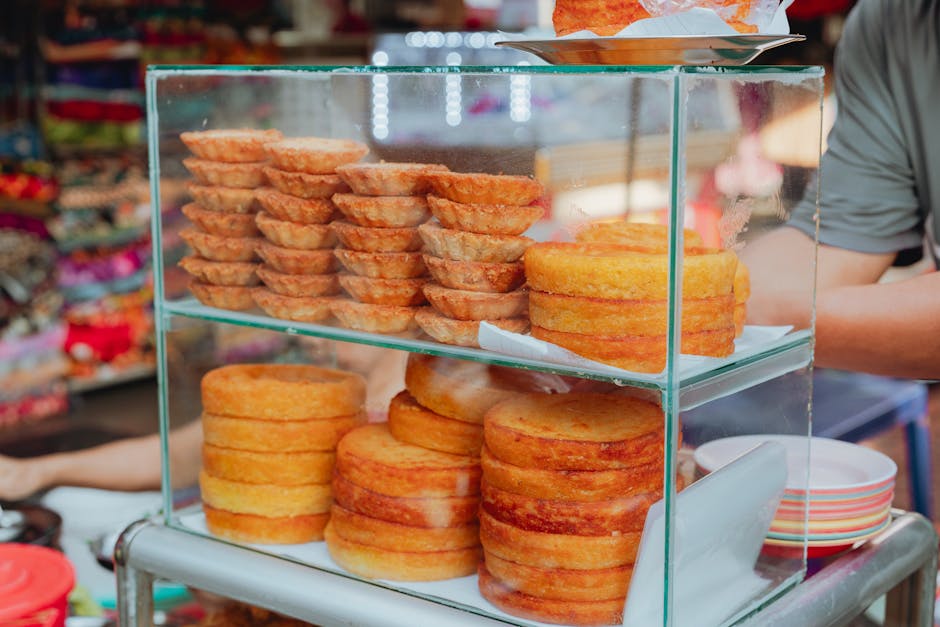
Visit a local spice shop to learn about ras el hanout, a blend of up to 30 spices. For a refined experience, dine at a riad restaurant that reinterprets Moroccan classics with modern techniques.
Lyon, France: The Gastronomic Capital of France
Known as the food capital of France, Lyon is home to traditional bouchons—small restaurants serving rustic dishes like quenelles (fish dumplings) and andouillette (tripe sausage). The city has produced legendary chefs like Paul Bocuse, who championed “nouvelle cuisine.”
Explore Les Halles de Lyon Paul Bocuse, a covered market with artisanal cheeses, charcuterie, and pastries. Lyon’s food culture emphasizes quality ingredients and time-honored methods, making it a pilgrimage site for serious foodies.
Bangkok, Thailand: Street Food Paradise
Bangkok’s street food scene is legendary. You can eat well for under $5 at stalls serving pad thai, som tam (papaya salad), and boat noodles. The city’s night markets, like Chatuchak and Rod Fai, offer everything from grilled squid to coconut ice cream.
Take a guided food tour to navigate the maze of vendors and learn which dishes are safe and delicious. Be adventurous—try khao soi in the northern style or mango sticky rice from a cart near the river.
Porto, Portugal: Port, Seafood, and Simple Pleasures
Porto combines coastal charm with hearty cuisine. The Douro River brings fresh seafood, while the region’s vineyards produce the famous port wine. Try francesinha, a decadent sandwich layered with meats, cheese, and a beer-based sauce.
Visit a port wine cellar for a tasting, then stroll through Ribeira’s narrow streets for bifanas (pork sandwiches) and pastel de nata (custard tarts). Porto’s food scene is unpretentious but deeply satisfying.
Kolkata, India: A Melting Pot of Flavors
Kolkata blends Bengali, Anglo-Indian, and Chinese influences into a vibrant food culture. Street food includes phuchka (pani puri), kathi rolls, and jhal muri (spicy puffed rice). The city is also known for its sweets, especially rosogolla and sandesh.
Visit New Market for snacks and tea, or take a food walk through College Street to sample local favorites. Kolkata’s food reflects its colonial past and artistic spirit, making it a fascinating destination for curious eaters.
San Sebastian, Spain: Pintxos and Basque Innovation
San Sebastian is a compact city with an outsized reputation for food. Its pintxos (Basque tapas) bars line the streets of the Old Town, offering bite-sized creations on bread. Try txuleton (beef rib), bacalao al pil-pil (cod in garlic sauce), or gilda (anchovy, olive, pepper).
The city also boasts several Michelin-starred restaurants, including Arzak and Mugaritz. For a local experience, join a pintxos crawl with a guide who can explain the history and etiquette of Basque dining.
Hanoi, Vietnam: Fresh, Fragrant, and Flavorful
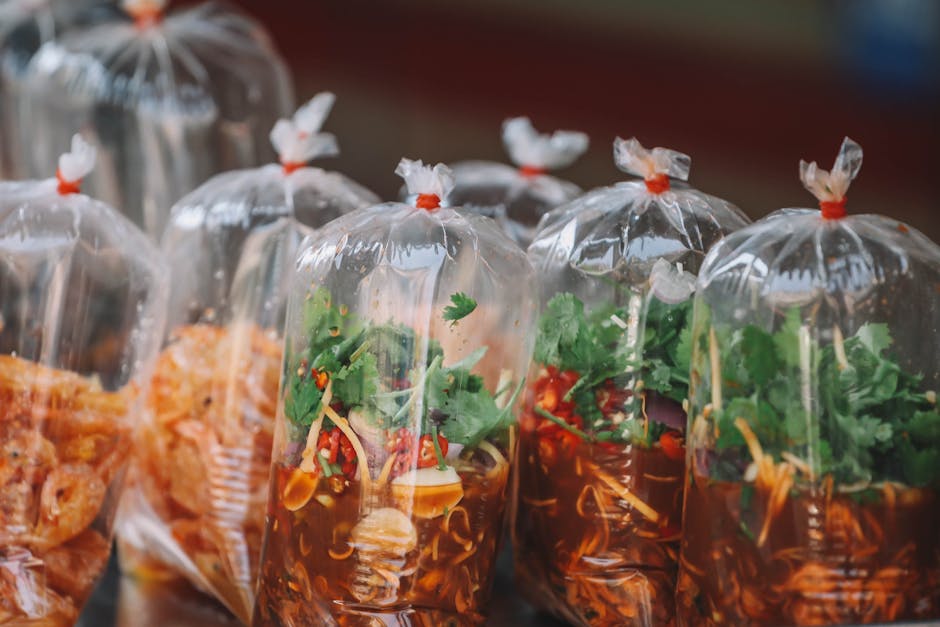
Hanoi’s cuisine is lighter and more herb-focused than other regions of Vietnam. Pho bo (beef noodle soup) and bun cha (grilled pork with noodles) are staples. Street vendors serve banh mi, ca phe sua da (iced coffee with condensed milk), and fresh spring rolls.
Walk through the Old Quarter to find family-run stalls that have operated for generations. Hanoi’s food culture values balance—sweet, sour, salty, and spicy in harmony.
Tuscany, Italy: Rustic Elegance and Farm-to-Table
Tuscany’s food is simple but deeply flavorful. Think ribollita (vegetable soup), pappa al pomodoro (tomato bread soup), and bistecca alla fiorentina (T-bone steak). Olive oil, wine, and cheese are central to the region’s cuisine.
Stay at an agriturismo (farm stay) to eat meals made with ingredients grown on-site. Visit a Chianti vineyard for a wine tasting, or join a truffle hunt in the hills near San Miniato.
How to Plan a Culinary Travel Experience
Planning a food-focused trip requires a mix of research, flexibility, and openness. Start by identifying destinations known for their cuisine. Use travel blogs, food magazines, and local tourism sites to find must-try dishes and restaurants.
Book accommodations near food hubs, such as markets or restaurant districts. Consider staying in guesthouses or boutique hotels that offer cooking classes or food tours as part of their services.
Research Local Food Customs
Understanding local dining etiquette enhances your experience. In Japan, slurping noodles is a sign of enjoyment. In Morocco, eating with your right hand is customary. In Italy, cappuccino is typically only consumed in the morning.
Learn a few food-related phrases in the local language. Saying “thank you” or “delicious” in the native tongue often earns smiles and better service.
Pack Smart for Food Adventures
Bring a small notebook to record dishes, ingredients, and restaurant names. A portable spice container can help if you have dietary restrictions. Pack probiotics or digestive aids if you’re prone to stomach issues when traveling.
Avoid overpacking snacks—part of the fun is trying local versions of familiar foods. Instead, bring a reusable water bottle and utensils to reduce waste.
Stay Safe While Eating Street Food
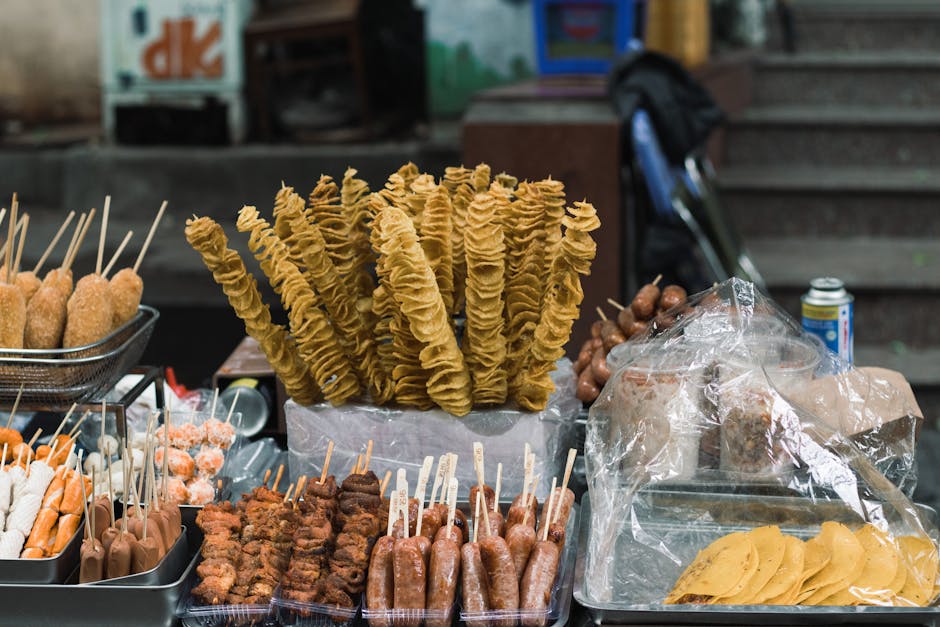
Street food is often the highlight of culinary travel, but it’s important to eat safely. Choose stalls with high turnover—this means food is fresh. Look for places where locals eat in large numbers.
Avoid raw vegetables and unpeeled fruits unless you’re sure they’ve been washed in safe water. Stick to hot, freshly cooked items. When in doubt, ask your hotel staff or a trusted guide for recommendations.
Beyond the Plate: Cultural and Sustainable Travel
Great culinary travel goes beyond tasting food—it involves understanding its origins. Visit farms, fisheries, and food cooperatives to see how ingredients are produced. In Japan, you might tour a sake brewery; in Mexico, a mezcal distillery.
Support sustainable practices by choosing restaurants that source locally and minimize waste. Many destinations now offer zero-waste dining experiences or farm-to-table menus.
Engage with Local Chefs and Producers
Meet the people behind the food. Attend a cooking class, join a market tour, or book a dinner with a local chef. These interactions provide insight into traditions and techniques that aren’t found in guidebooks.
Some cities, like Lima and Copenhagen, have chef-led food tours that include visits to suppliers and behind-the-scenes kitchen access. These experiences deepen your appreciation for the craft.
Final Thoughts
food and culinary travel destinations offer more than just meals—they provide stories, connections, and memories. Whether you’re savoring a bowl of ramen in Tokyo or sharing a tagine in Marrakech, each bite tells a story of place and people.
As you plan your next trip, let your taste buds lead the way. Seek out authenticity, embrace the unfamiliar, and travel with curiosity. The world’s best flavors are waiting.
FAQ
What makes a destination a top choice for culinary travel?
A destination earns its place on culinary travel lists through a combination of unique local ingredients, deep-rooted food traditions, skilled chefs, and accessible dining experiences—from street food to fine dining. Places with strong food cultures often have vibrant markets, regional specialties, and a community that takes pride in its cuisine.
Is street food safe to eat while traveling?
Street food is generally safe when you follow a few guidelines: choose busy stalls with high turnover, eat food that’s cooked fresh and served hot, and avoid raw items unless you’re confident about hygiene practices. Observing where locals eat is one of the best indicators of quality and safety.
How can I find authentic food experiences when traveling?
Look for recommendations from local tourism boards, food bloggers, or trusted travel guides. Join small-group food tours, visit local markets, and ask residents for their favorite spots. Avoid overly touristy restaurants with English-only menus—authentic flavors are often found off the beaten path.