Helpful Destination Guide to Kuala Lumpur on Budget
Kuala Lumpur is one of Southeast Asia’s most vibrant and affordable capitals. You can explore its iconic skyline, rich culture, and world-class street food without overspending. With smart planning, a trip to KL can cost under $30 a day—including accommodation, meals, and transport. This guide covers where to stay, what to eat, how to get around, and which attractions offer the best value. Whether you’re backpacking or traveling solo, these tips help you experience Kuala Lumpur fully while keeping your wallet intact.
Why Kuala Lumpur Is Ideal for Budget Travelers
Kuala Lumpur stands out as a budget-friendly destination thanks to its low cost of living and excellent public infrastructure. Unlike many global capitals, KL offers high-quality experiences at a fraction of the price. A hearty local meal costs as little as $1.50, and an entire day of sightseeing can be done for under $10.
The city is compact and walkable in key areas, reducing the need for expensive taxis. Many top attractions—like the Batu Caves and Merdeka Square—are free to enter. Even paid sites like the KL Tower observation deck offer student and online discounts. With careful choices, you can enjoy luxury-level comfort and culture on a shoestring budget.
Affordable Accommodation Options
Budget Hotels and Guesthouses
Kuala Lumpur has no shortage of clean, safe, and centrally located budget hotels. Areas like Bukit Bintang, Chinatown, and KL Sentral offer rooms from $15–$25 per night. Look for places with good reviews on Booking.com or Agoda that include free Wi-Fi and breakfast.
Examples include The Bed KLCC, which is steps from the Petronas Towers, and Ancasa Express, a no-frills hotel near the airport train link. Always check recent guest feedback—some budget hotels may look modern online but have noisy locations or poor ventilation.
Hostels with Private Rooms
If you prefer privacy but still want affordability, hostels with private rooms are a smart choice. Many offer en-suite bathrooms, air conditioning, and 24-hour reception for $20–$30. Popular options include BackHome KL and The Explorers Guesthouse.
These hostels often include communal kitchens, free city maps, and organized walking tours. Staying in a hostel also gives you access to traveler tips and local event updates—valuable for first-time visitors.
Homestays and Airbnb
For longer stays or group travel, consider a homestay or Airbnb apartment. A private room in a local’s home starts around $18 per night, while entire apartments near public transit can be found for $35–$50. These options often include kitchen access, helping you save on meals.
Be cautious with listings that seem too good to be true. Verify the host’s identity, read recent reviews, and confirm the location on a map. Staying slightly outside the city center can cut costs significantly, especially if near an LRT or Monorail station.
Getting Around Kuala Lumpur on a Budget
Public Transportation: The Best Value
Kuala Lumpur’s public transport system is efficient, clean, and incredibly cheap. The integrated network includes LRT, Monorail, MRT, and commuter trains—all connected through key hubs like KL Sentral and Pasar Seni.
A single ride costs between $0.60 and $1.20. For unlimited daily travel, buy a KL Tourist Pass for $4.50, valid on all rail lines. This pass pays for itself after just three trips.
Walking and Cycling
Many of KL’s top sights are within walking distance of each other, especially in the city center. Start at Merdeka Square, walk to the Sultan Abdul Samad Building, then head to Central Market and Petaling Street. Wear comfortable shoes and carry water—KL is hot and humid year-round.
For a slower pace, rent a bike through the oBike or Jom Cycle app. Rates start at $1 per hour. Bike lanes are limited, so stick to quieter streets or parks like KL Lake Gardens.
Avoiding Taxis and Ride-Hailing Pitfalls
While Grab (Southeast Asia’s version of Uber) is affordable compared to Western ride-hailing apps, it can add up quickly in traffic. Use it only for late-night returns or when carrying heavy bags.
Traditional taxis are metered, but some drivers may refuse to use them—always insist. A 10-kilometer ride should cost no more than $6–$8. Compare prices on Grab first to avoid overcharging.
Eating Well Without Overspending
Street Food: The Heart of KL’s Culinary Scene
Kuala Lumpur’s street food is legendary—and incredibly cheap. A plate of char kway teow (stir-fried noodles) or nasi lemak (coconut rice with sides) costs $1–$2. Night markets like Jalan Alor and Medan Selera KLCC offer dozens of stalls in one location.
Go early to avoid crowds and ensure freshness. Look for busy stalls—high turnover means fresher ingredients. Always check that food is cooked thoroughly and served hot.
Hawker Centers and Food Courts
Hawker centers are indoor or covered outdoor food courts with multiple vendors. They’re safer and more hygienic than roadside stalls while still offering low prices. Try Lot 10 Hutam in Bukit Bintang or the food court at Pavilion KL.
Most hawker centers operate from morning until late evening. Cash is preferred, though some accept Touch ‘n Go cards or mobile payments. A full meal with drink rarely exceeds $3.
Groceries and Self-Catering
If your accommodation has a kitchen, shop at local supermarkets like Giant, Tesco, or AEON. A loaf of bread, eggs, fruit, and instant noodles cost under $5 total. These stores also sell affordable ready-to-eat meals and snacks.
Buying groceries lets you prepare breakfast or pack lunches for day trips. It’s especially useful if you have dietary restrictions or prefer lighter meals.
Free and Low-Cost Attractions
Iconic Landmarks You Can Visit for Free
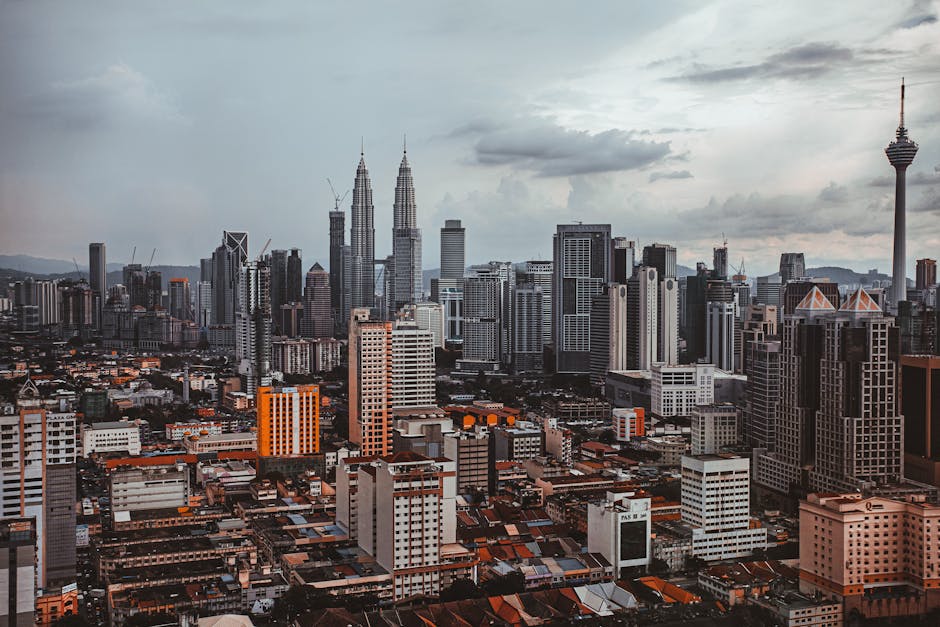
Many of KL’s most famous sites don’t require tickets. Walk around the Petronas Twin Towers’ base at Suria KLCC and take photos from the park below. Entry to the skybridge and observation deck costs $20+, but the exterior views are stunning from ground level.
Merdeka Square, the National Mosque, and the Sultan Abdul Samad Building are all free to visit. The mosque allows non-Muslim visitors outside prayer times—dress modestly and remove your shoes.
Parks and Nature Escapes
KL Lake Gardens is a 92-hectare green space perfect for morning jogs or picnics. Entry is free, and you can rent paddle boats or visit the butterfly park for a small fee. The KL Bird Park, located within the gardens, charges $5 for adults.
For a cooler escape, head to the Forest Research Institute of Malaysia (FRIM). Located 18 km from the city, it features rainforest trails and a canopy walkway. Entry is $1, and you can reach it by KTM Komuter train.
Cultural and Historical Sites
The National Museum offers free admission on certain public holidays and charges $2 on regular days. It provides a solid overview of Malaysian history and culture. The museum is air-conditioned and rarely crowded.
Central Market, a converted wet market, is now a hub for local crafts, souvenirs, and snacks. Entry is free, and bargaining is expected. Visit in the morning for the best selection.
Smart Shopping on a Budget
Markets vs. Malls: Where to Save
Petaling Street (Chinatown) is KL’s most famous market, known for knockoff goods and bargain clothing. While quality varies, you can find decent souvenirs, accessories, and local snacks for under $5. Bargain firmly—start at 30% of the asking price.
Malls like Pavilion KL and Suria KLCC offer air-conditioned comfort and authentic brands, but prices are higher. Look for seasonal sales (e.g., during Hari Raya or Chinese New Year) for discounts up to 70%.
Avoiding Tourist Traps
Some shops near major attractions sell overpriced “souvenirs” with poor craftsmanship. Avoid vendors who approach you aggressively or claim items are “government-approved” or “limited edition.”
Instead, buy local products like batik fabric, pewter items from Royal Selangor, or handmade soaps from Central Market. These make meaningful gifts and support local artisans.
Day Trips and Nearby Escapes
Batu Caves: A Must-Visit Half-Day Trip
The Batu Caves are a limestone hill featuring Hindu temples and a massive golden statue of Lord Murugan. Entry is free, and the site is open daily. Climb 272 colorful steps to reach the main cave temple.
Take the KTM Komuter train from KL Sentral to Batu Caves station ($0.80 one way). The journey takes 40 minutes. Visit early morning to avoid heat and crowds.
Genting Highlands: Cool Weather and Entertainment
Located 45 minutes from KL, Genting Highlands offers cooler temperatures, theme parks, and casinos. While the indoor theme park requires a ticket ($15–$25), the outdoor walkways and scenic views are free.
Take the Genting Skyway cable car ($3 round-trip) or a bus from Terminal Bersepadu Selatan. Avoid weekends and holidays when prices and crowds spike.
Putrajaya: The Futuristic Administrative Capital
Putrajaya is a planned city with stunning architecture, lakes, and gardens. Visit the Putra Mosque, which offers free guided tours in English. The surrounding parks are ideal for cycling or boat rides.
Reach Putrajaya via the KLIA Transit train ($2 one way) or a 45-minute drive. Combine it with a stop at the nearby Seri Wawasan Bridge for photo opportunities.
Safety and Practical Tips
Staying Safe in Kuala Lumpur
Kuala Lumpur is generally safe for tourists, but petty crime like pickpocketing occurs in crowded areas. Keep your bag zipped and avoid flashing valuables. Use hotel safes for passports and extra cash.
Avoid poorly lit alleys at night, especially around Chow Kit and parts of Chinatown. Stick to main roads and use Grab for late-night travel.
Health and Hygiene
Drink bottled or filtered water. While tap water is treated, it’s safer to avoid it. Carry hand sanitizer, especially before eating street food. Pharmacies are widely available for basic medications.
Mosquito-borne diseases like dengue occur year-round. Use repellent and wear long sleeves in the evening, particularly in park areas.
Language and Communication
English is widely spoken in tourist areas, but learning a few Malay phrases helps. “Terima kasih” means thank you, and “Berapa harga?” asks for the price. Most signs are bilingual.
Buy a local SIM card at the airport or convenience stores. Celcom and Digi offer 10GB data plans for under $10, valid for 7–30 days.
Sample 3-Day Budget Itinerary
Day 1: City Center Exploration
Start at Merdeka Square, then walk to the Sultan Abdul Samad Building and Central Market. Have lunch at a hawker center in Chinatown. In the afternoon, visit the National Museum and end at Jalan Alor for dinner. Total cost: under $10.
Day 2: Nature and Culture
Take the train to Batu Caves in the morning. Return to KL and spend the afternoon at KL Lake Gardens. Visit the bird park or rent a paddle boat. Dinner at Medan Selera KLCC. Total cost: under $8.
Day 3: Day Trip and Shopping
Travel to Putrajaya by train. Explore the mosque and parks, then return to KL for souvenir shopping at Central Market. End with a sunset view from the KL Tower skybridge (book online for discount). Total cost: under $15.
Final Tips for a Successful Budget Trip
Travel light to avoid baggage fees and move easily between transport modes. Download offline maps and transport apps like Citymapper or KL Transit before arriving. Always carry small bills—many vendors don’t accept cards.
Check opening hours and dress codes for religious sites. Respect local customs, especially during Ramadan, when eating in public during daylight hours is discouraged.
With planning, Kuala Lumpur offers an unforgettable experience without the high price tag. Prioritize free attractions, use public transport, and eat where locals do. You’ll leave with great memories—and money left in your pocket.
FAQ
How much money do I need per day in Kuala Lumpur?
Most budget travelers spend $20–$30 per day, including accommodation, food, transport, and attractions. This assumes shared or budget lodging, street food meals, and use of public transit.
Is Kuala Lumpur safe for solo female travelers?
Yes, KL is generally safe for solo female travelers. Stick to well-lit, busy areas at night, avoid isolated spots, and use trusted transport like Grab. Dress modestly to blend in and reduce unwanted attention.
Can I use credit cards everywhere in Kuala Lumpur?
Credit cards are accepted in malls, hotels, and larger restaurants, but many street vendors, hawker centers, and small shops only take cash. Always carry Malaysian ringgit in small denominations.