
Practical Destination Guide to Geneva for Short Visits
Geneva is a compact, efficient city perfect for short visits. Whether you have one day or three, this guide helps you maximize your time with clear itineraries, must-see sights, local tips, and practical advice. From lakeside strolls to historic landmarks and international institutions, Geneva offers a unique blend of culture, nature, and global significance—all within easy reach.
Why Geneva Is Ideal for Short Stays
Geneva’s small size and excellent public transport make it highly walkable and transit-friendly. Most major attractions lie within a 20-minute walk of the train station. The city is safe, clean, and multilingual, with English widely spoken. Unlike larger European capitals, you won’t waste hours commuting—you can see the core highlights in a single afternoon.
Even with limited time, you’ll experience a rich mix of Swiss charm and international flair. The city hosts over 30 international organizations, including the UN and Red Cross, giving it a distinctive global character. At the same time, cobblestone Old Town alleys and lakeside parks offer quiet, picturesque escapes.
Top Attractions to Prioritize
Jet d’Eau and Lake Geneva
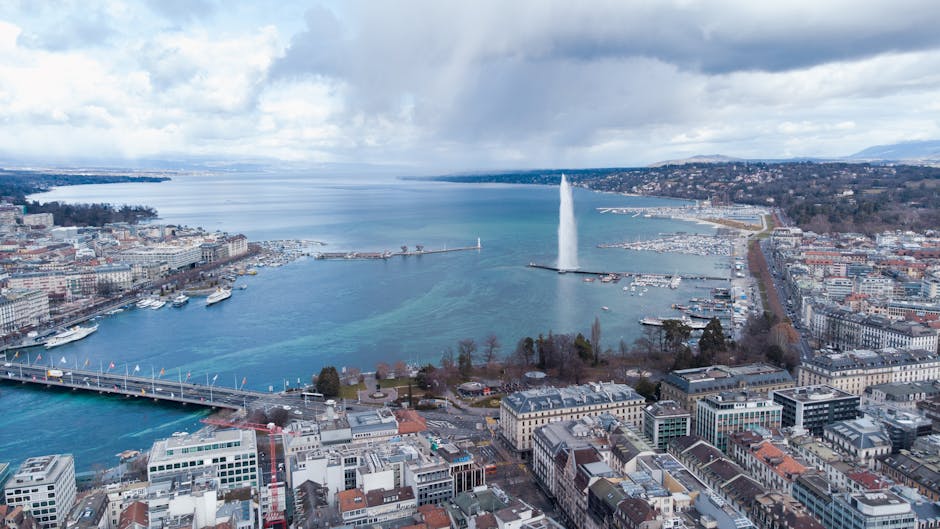
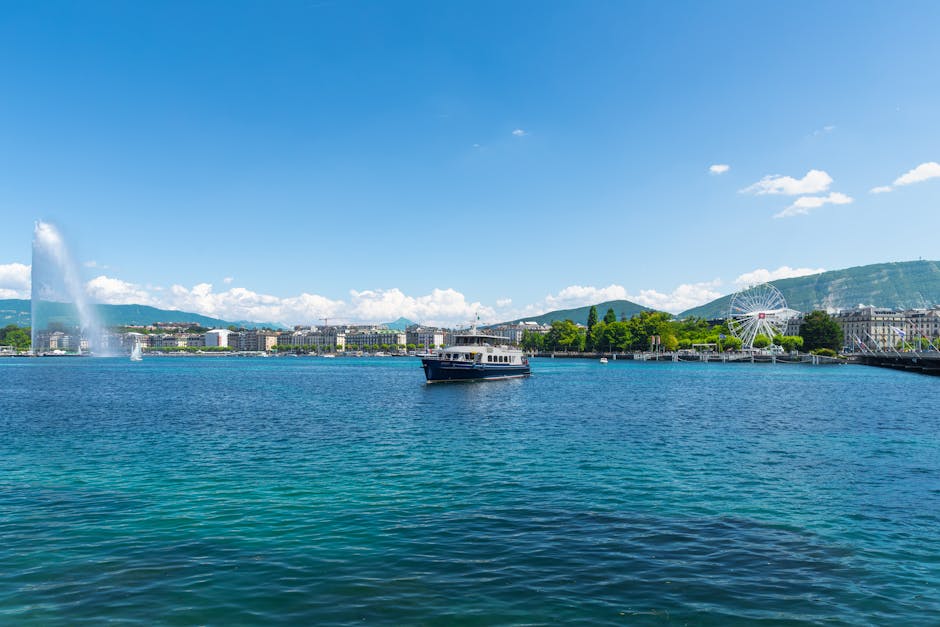
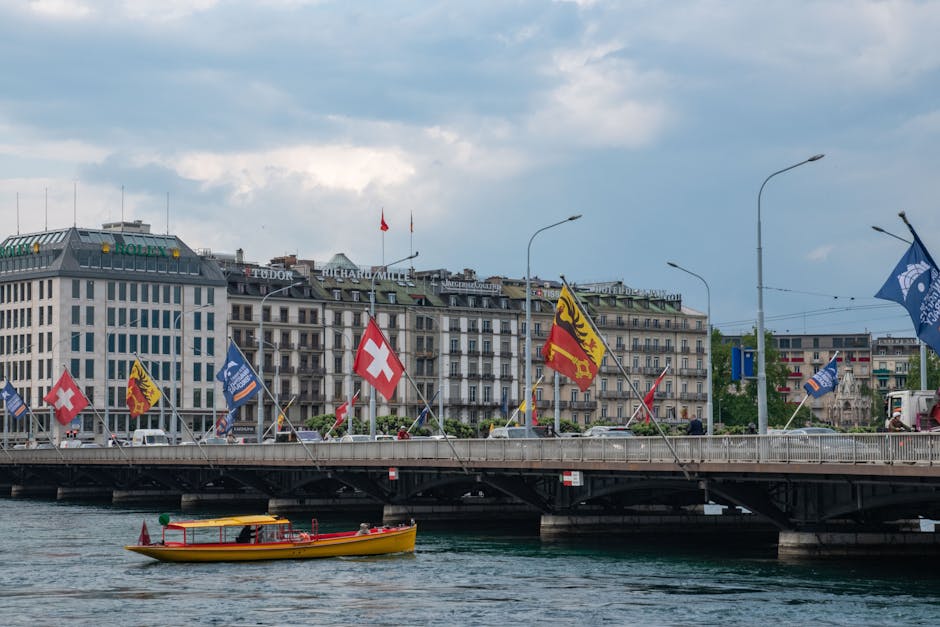
The Jet d’Eau fountain is Geneva’s iconic symbol—a 140-meter water jet rising from Lake Geneva. It’s best viewed from the Mont Blanc Bridge or the lakeside promenade near the Bains des Pâquis. Visit at sunrise or sunset for fewer crowds and golden lighting.
Walk along the lakefront to enjoy swans, street musicians, and views of the Alps. Rent a paddleboat or take a short cruise if time allows. The lake is central to Geneva’s identity and a must-see in any short visit.
Old Town (Vieille Ville)
Geneva’s Old Town sits atop a hill just behind the main train station. Narrow medieval streets lead to St. Pierre Cathedral, where you can climb the tower for panoramic city views. The cathedral also houses an archaeological site beneath its nave, revealing layers of Geneva’s history.
Wander through Place du Bourg-de-Four, one of Europe’s oldest squares, and browse independent bookshops, boutiques, and cafés. Don’t miss Maison Tavel, the city’s oldest house, now a museum showcasing 16th-century life.
United Nations Office and Red Cross Museum
The Palais des Nations, home to the UN in Geneva, offers guided tours that explain its role in diplomacy and human rights. Book in advance—walk-ins are rarely accepted. The tour includes the Assembly Hall and the Human Rights and Alliance of Civilizations Room.
Nearby, the International Red Cross and Red Crescent Museum is powerful and thought-provoking. It’s not for the faint of heart—exhibits cover war, displacement, and humanitarian crises—but it’s one of the most impactful museums in Switzerland. Allow 90 minutes.
Jardin Anglais and the Flower Clock
This small park near the lake is a peaceful spot to rest. The Flower Clock, planted with seasonal blooms, is a charming photo op. It’s especially vibrant in spring and summer. The park also offers great views of the lake and Mont Blanc on clear days.
Visit in the morning to avoid crowds. It’s a five-minute walk from the Jet d’Eau and a natural stop between lakefront sights and Old Town.
Efficient Itineraries by Time Available
One-Day Geneva Itinerary
Start at the main train station (Gare Cornavin). Walk to the Jet d’Eau (10 minutes), then continue along the lake to the Bains des Pâquis for a quick swim or coffee with a view. Head up to Old Town via Rue du Mont-Blanc and Rue de la Conférence.
Visit St. Pierre Cathedral and Maison Tavel. Have lunch at a traditional café like Café du Centre. In the afternoon, tour the UN or Red Cross Museum. End with a sunset walk back to the lake and dinner near the station.
Two-Day Geneva Itinerary
Day one follows the one-day plan. On day two, take a morning train to nearby Nyon (30 minutes) for Roman ruins and lake views, or visit the Patek Philippe Museum in Geneva for watchmaking enthusiasts. Alternatively, spend the morning at Parc La Grange or the Ariana Museum of ceramics.
Afternoon options include a lake cruise, shopping on Rue du Rhône, or a visit to the Museum of Art and History. Both days end with a lakeside dinner.
Three-Day Geneva Itinerary
With three days, add a day trip to Montreux (45 minutes by train) for Chillon Castle and lakeside vineyards, or explore the French Alps with a half-day trip to Annecy. In Geneva, visit niche museums like the Museum of Modern and Contemporary Art or attend a performance at the Grand Théâtre.
Use the extra time to relax—Geneva rewards slower exploration. Try a fondue at Le Comptoir or a chocolate tasting at Auer Chocolatier, a family shop since 1865.
Getting Around: Transport Tips
Geneva’s public transport includes trams, buses, and trains, all operated by TPG. Buy a Geneva Transport Card when you arrive—it’s free for hotel guests and valid for unlimited travel during your stay. Validate your ticket before boarding to avoid fines.
Trams 12, 13, and 15 connect the station to Old Town and the lake. Buses 2 and 4 go to the UN and Red Cross Museum. Taxis are expensive; use them only for late-night travel or heavy luggage.
Walking is often faster than waiting for transport in the city center. Wear comfortable shoes—cobblestones and hills are common.
Where to Eat: Local Favorites and Quick Bites
Geneva blends Swiss, French, and international cuisine. For a quick lunch, try a croque-monsieur at Café du Centre or a salad at Le Petit Bistro. Both are central and reliable.
For dinner, book ahead at restaurants like Les Armures (traditional Swiss) or Café des Négociants (modern French). Vegetarian and vegan options are widely available—look for “végétarien” or “végétalien” on menus.
Street food includes raclette sandwiches and Turkish kebabs near the station. Markets like Marché de la Croix-Rousse offer fresh produce and snacks. Avoid tourist traps near the Jet d’Eau—prices are inflated and quality varies.
Shopping: What to Buy and Where
Geneva is known for watches, chocolate, and cheese. For Swiss watches, visit boutiques on Rue du Rhône—brands like Rolex, Omega, and Tissot have flagship stores. Compare prices before buying; tax-free shopping is available for non-EU residents.
Chocolate lovers should stop at Auer Chocolatier or Sprüngli. Both offer tastings and gift boxes. For cheese, head to Marché des Grottes or a fromagerie near Old Town. Raclette and Gruyère are local favorites.
Avoid souvenir shops selling generic “Swiss” items. Authentic finds include handcrafted knives, lacework, and local wines from the nearby Lavaux region.
Weather and Best Times to Visit
Geneva has a temperate climate. Summers (June–August) are warm and ideal for lake activities, but also the busiest and most expensive. Winters (December–February) are cold and quiet, with occasional snow. The Jet d’Eau may be turned off in freezing weather.
Spring (April–May) and fall (September–October) offer mild weather, fewer crowds, and lower prices. These are the best times for short visits. Always pack layers—weather can change quickly near the lake.
Practical Tips for Short Visits
Geneva is expensive. Budget accordingly—meals start at CHF 20, and museum tickets average CHF 15. Use free attractions like parks, walking tours, and viewpoints to balance costs.
Most shops close by 6 PM and on Sundays. Plan shopping for weekdays. Museums often close one day a week—check hours online before visiting.
Tap water is safe and delicious—refill bottles at public fountains. Free Wi-Fi is available in many cafés and public spaces. Download the TPG app for real-time transit updates.
Safety and Etiquette
Geneva is one of Europe’s safest cities. Petty theft is rare, but keep an eye on bags in crowded areas like the station or lakefront. Avoid unlit alleys at night.
Swiss etiquette values punctuality, quiet, and order. Speak softly in public, wait in line, and don’t jaywalk. Tipping is not expected—service charges are included. Rounding up the bill is polite but unnecessary.
Day Trips Worth Considering
If your schedule allows, take a short train ride beyond Geneva. Nyon offers Roman ruins and a relaxed lakeside vibe. Annecy, in France, is called the “Venice of the Alps” for its canals and mountain backdrop.
Chamonix, home to Mont Blanc, is a 2.5-hour train ride and ideal for outdoor enthusiasts. For wine lovers, the Lavaux vineyards are a UNESCO site with scenic hiking trails and tastings.
All day trips require advance planning. Check train schedules on SBB Mobile and book return tickets early, especially on weekends.
Accommodation: Best Areas to Stay
Stay near Gare Cornavin for convenience—most sights are within walking distance. The Eaux-Vives and Paquis neighborhoods offer more affordable options and lively dining. Avoid remote suburbs unless you have a car.
Hotels range from luxury (Hotel d’Angleterre) to budget (Ibis or Generator Hostel). Book early during major events like the Geneva Motor Show or year-end holidays. Airbnb is available but regulated—ensure your host has a permit.
Common Mistakes to Avoid
Don’t underestimate walking distances. While the city is compact, hills and cobblestones can slow you down. Wear proper footwear.
Avoid dining near major landmarks. Restaurants around the Jet d’Eau and Old Town square charge premium prices for average food. Walk two blocks away for better value.
Don’t skip museum websites. Many require online booking or have limited hours. The Red Cross Museum, for example, is closed on Mondays.
Final Thoughts
Geneva rewards thoughtful planning. With clear priorities and smart timing, even a short visit can feel full and satisfying. Focus on the lake, Old Town, and one major museum. Leave room for spontaneity—sit by the water, chat with a local, or simply watch the swans.
You don’t need weeks to enjoy Geneva. You just need a good plan. Use this guide to make the most of your time and leave with lasting impressions of Switzerland’s most international city.
FAQ
How much time do I need to see Geneva?
One full day is enough for the main sights: Jet d’Eau, Old Town, and one museum. Two to three days allow for deeper exploration, day trips, and relaxation.
Is Geneva walkable for short visits?
Yes. The city center is compact and pedestrian-friendly. Most attractions are within a 20-minute walk of the train station. Public transport fills gaps efficiently.
What’s the best way to get from the airport to central Geneva?
Take the free train from Geneva Airport to Gare Cornavin. It runs every 15 minutes, takes 6 minutes, and requires no ticket—just show your boarding pass.